Deciding to study abroad in Cebu started, honestly, as a way of avoiding something. I’d read too many accounts of how painful it is to prepare for an English proficiency test, so I signed up with the attitude that if the studying didn’t work out, I’d just treat it as a holiday. Six weeks later the results were better than expected — I got the score and I still had fun. This post covers choosing an agency, choosing a school, how intense the timetable is, what the dorm and cafeteria are really like, and exactly how much the whole thing cost.

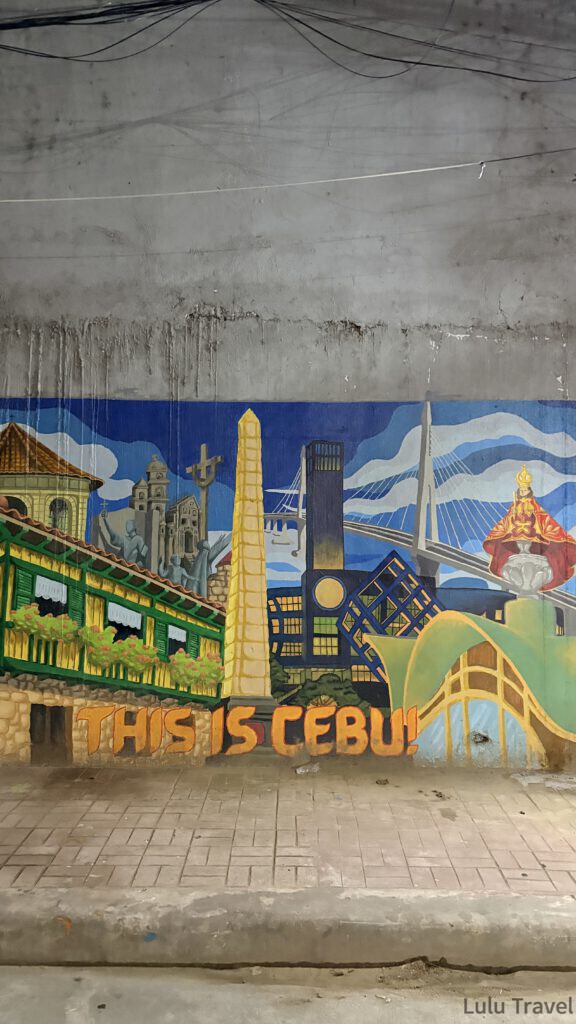
01Choosing an Agency
The agency I used was neither good nor bad, and I’m not going to recommend it. I had already picked the school and the room type myself before I left, so my requirements were specific and I simply went with whichever agency could meet them. If you don’t have much experience travelling abroad, though, you would probably feel left to fend for yourself.
The odd thing I noticed while shopping around: for the exact same school, different agencies offered different room options. If anyone knows why, I’d like to hear it.
Decide on the school and the room type yourself first, then compare agencies. The differences you can spot that way are far clearer than handing the whole plan over from the start.
02Why I Chose Cpils
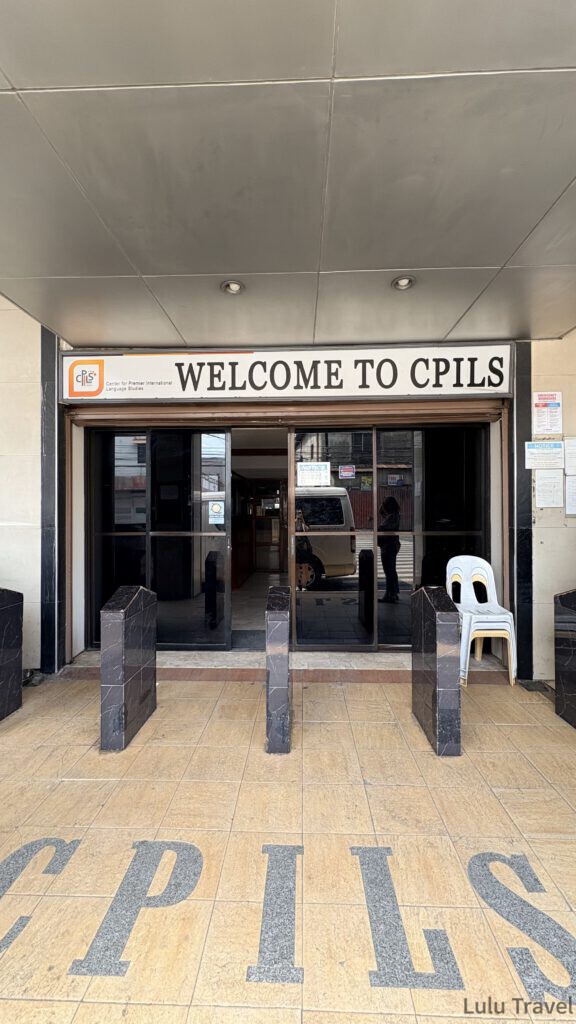
I went with Cpils, a school that doesn’t get discussed much online but is very strong on exam preparation. It runs a Sparta system, it’s an official IELTS test centre, and it has native-speaker teachers. Most students here arrive with their own exam target, so the study atmosphere is good.
One very practical piece of advice: score as high as you can on the placement test. Teaching quality drops as the level goes down — for IELTS the top class is IELTS INTERMEDIATE, and the higher you’re placed, the better the teaching resources you get.
The placement test isn’t something to just scrape through. It decides what kind of teachers you’ll have for the next six weeks.
03You’ll Know Within Two Weeks If a Teacher Is Coasting
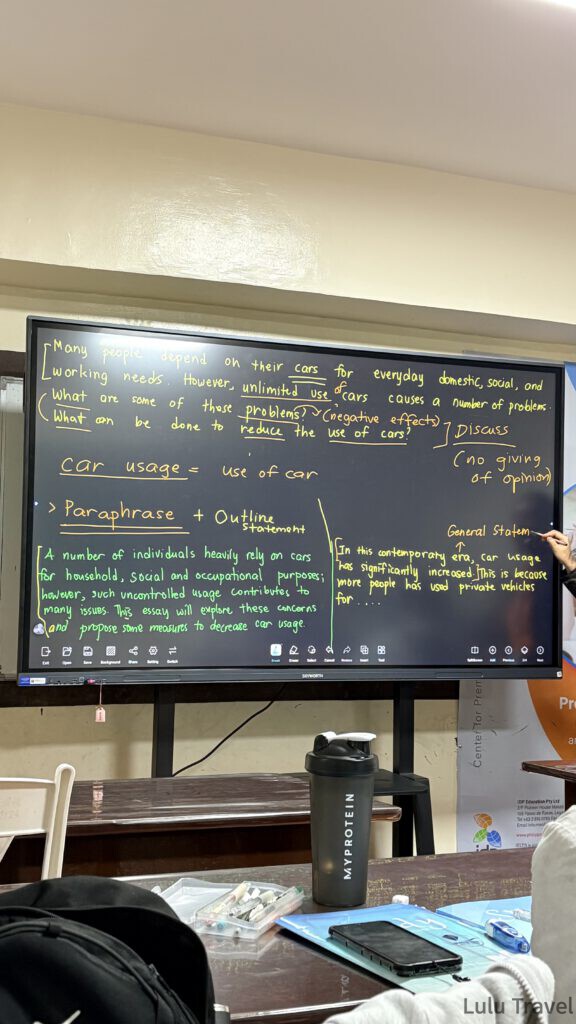
Once you’re in the top-level classes, the teachers assigned to you won’t be bad — but that doesn’t mean none of them coast. Both of the one-on-one writing teachers I was given at the start loved to chat, and my friends and I joked that writing class had turned into speaking practice.
After getting to know their entire family history, I realised it wasn’t going to improve on its own, so I asked to change teachers two weeks in. I had no idea what I’d been missing — the new teacher was an angel, seriously prepared, and it made a real difference. If you want to switch, switch early; the worst thing you can do is spend the time waiting to see.

04A Day in the IELTS Sparta Program
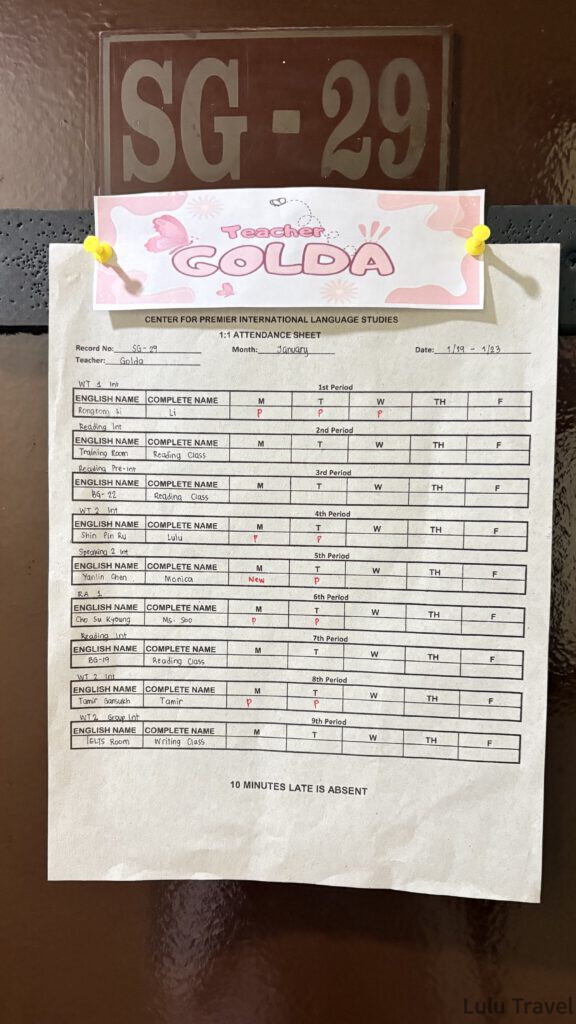
The timetable follows the order of the real IELTS exam: listening, reading and writing in the morning, speaking in the afternoon. Eight to five, plus compulsory evening study until 8:30. It’s intense.
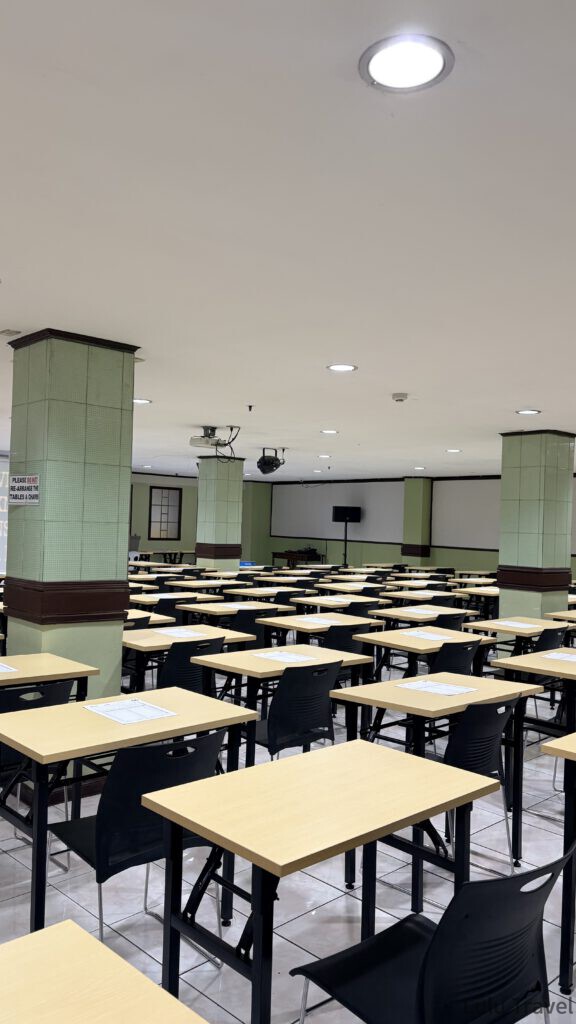
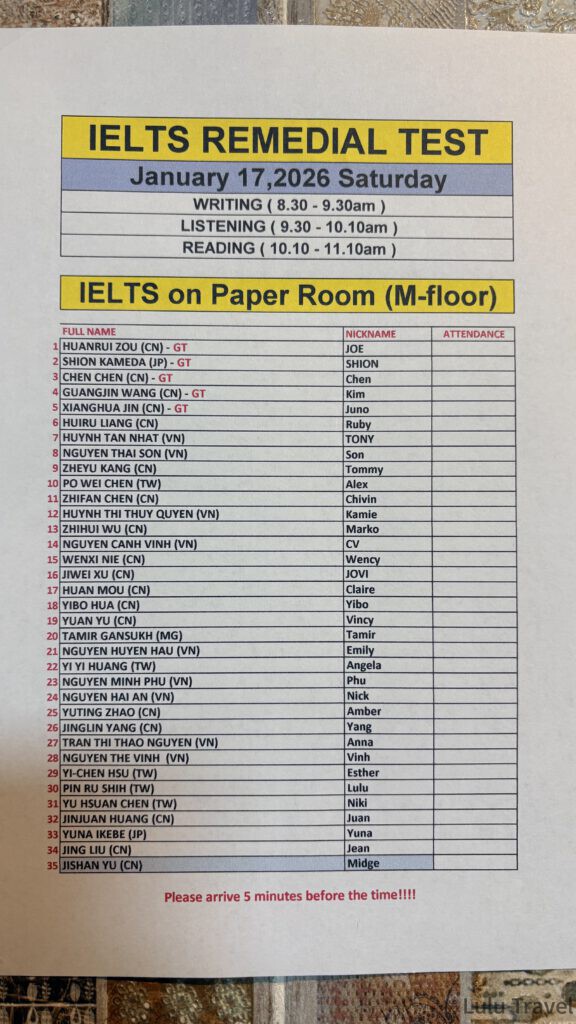
There’s also a mock exam every two weeks. If any section comes in lower than the previous one, you sit a retake the following Saturday. Opening the results was stressful every time — fail, and half of your precious weekend is gone.
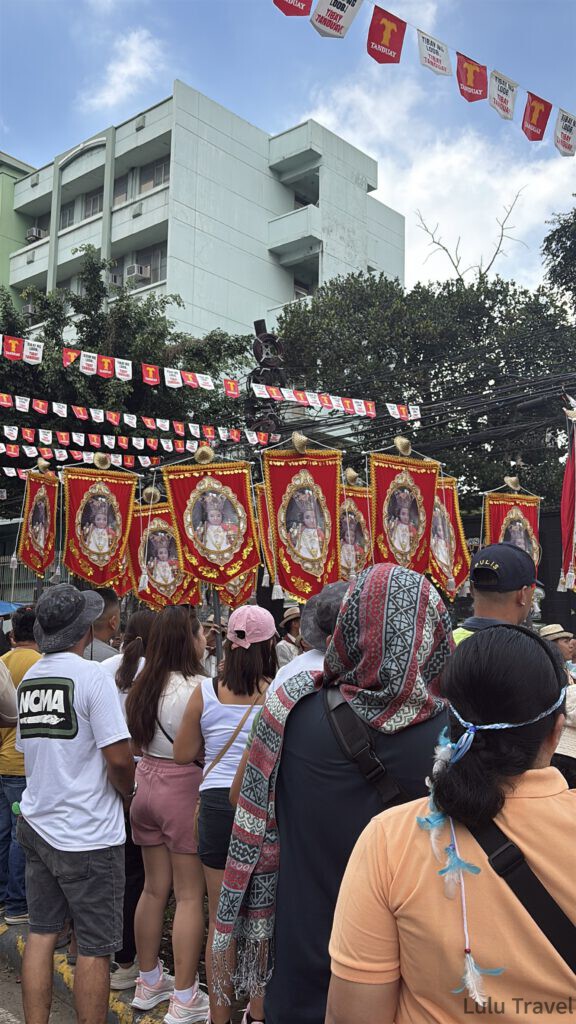
05Arriving in January, Right in Time for Sinulog
January is a good time to escape the cold in Taiwan, and the third Sunday of the month brings Sinulog, the biggest and liveliest religious carnival in the Philippines. Studying here at that time means skipping the sky-high hotel rates and still getting to join what feels like Asia’s version of Rio.
For someone sitting an exam, a whole month of celebration does take extra discipline, but I think it’s worth being part of.

06Campus Life: Dorm, Room Type and Cafeteria
The Daily Rhythm
Going back to being a student after working makes you realise how good students have it. Every day was either class and study or eating and chatting, with the occasional trip to the gym or the convenience store and one laundry run a week. Someone cleans your room weekly, so you can put everything into studying. People call it hell IELTS, but I felt right at home at language school.
What the Dorm Is Actually Like
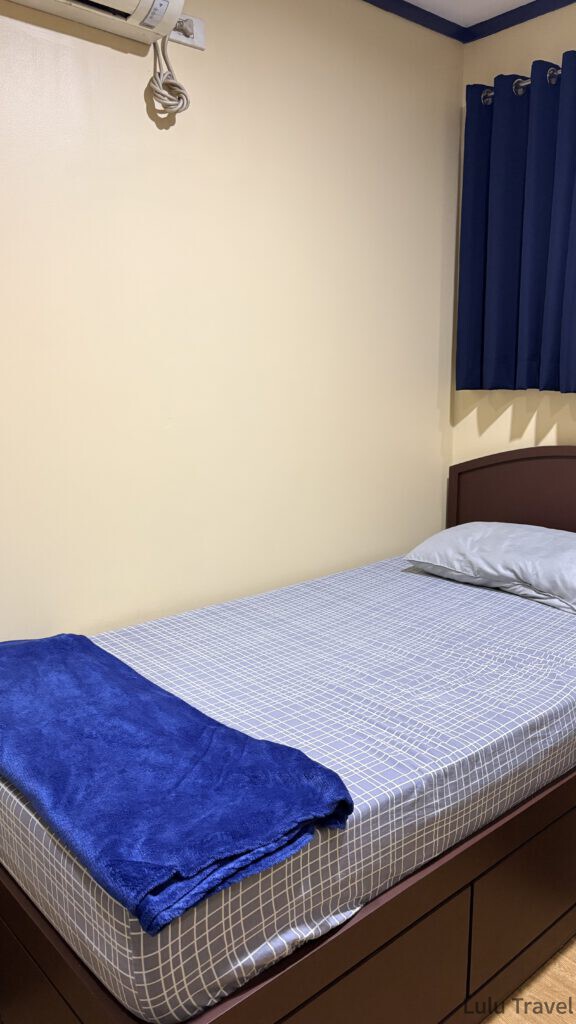
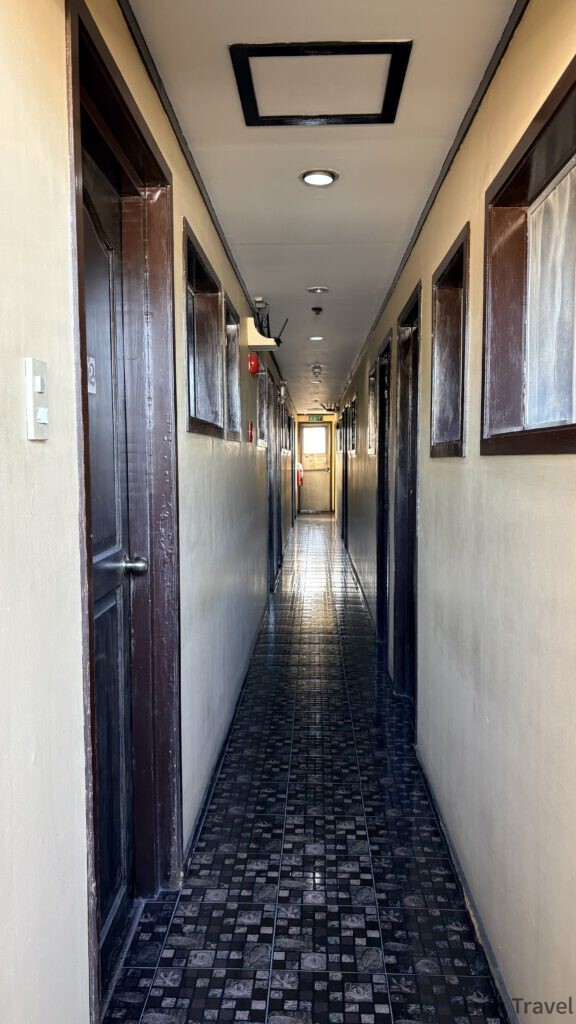
I knew before leaving that Cpils isn’t marketed as a resort-style school with new facilities, so I had prepared myself to live like a monk. It turned out to be reasonably comfortable: the pillow was flat so I propped it up with clothes, the water and hot water cut out occasionally, and the soundproofing isn’t great — but for a student it’s enough. Keep your expectations low and you won’t be disappointed.
Single Room or Shared
People online tend to recommend shared rooms so you can practise English with roommates from other countries. I was there to shut myself away and study rather than to make friends, so I booked a single en-suite without hesitating. In practice, evening study ended at 8:30, I’d grab food at the convenience store before curfew, shower, then head back to the study room with friends until 11:30. There was never really a moment to chat with a roommate anyway — I just went back to my room and slept.
The mixed blessing of a single room: when I had food poisoning I could keep the toilet to myself, but lying on the bed doubled over, I was afraid of dying abroad with nobody noticing.
What the Buffet Serves
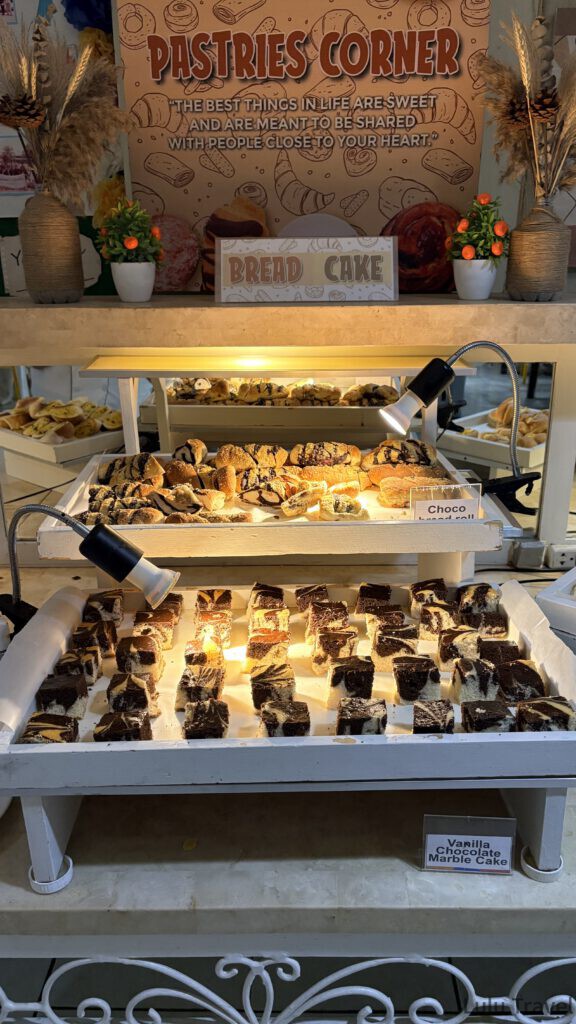
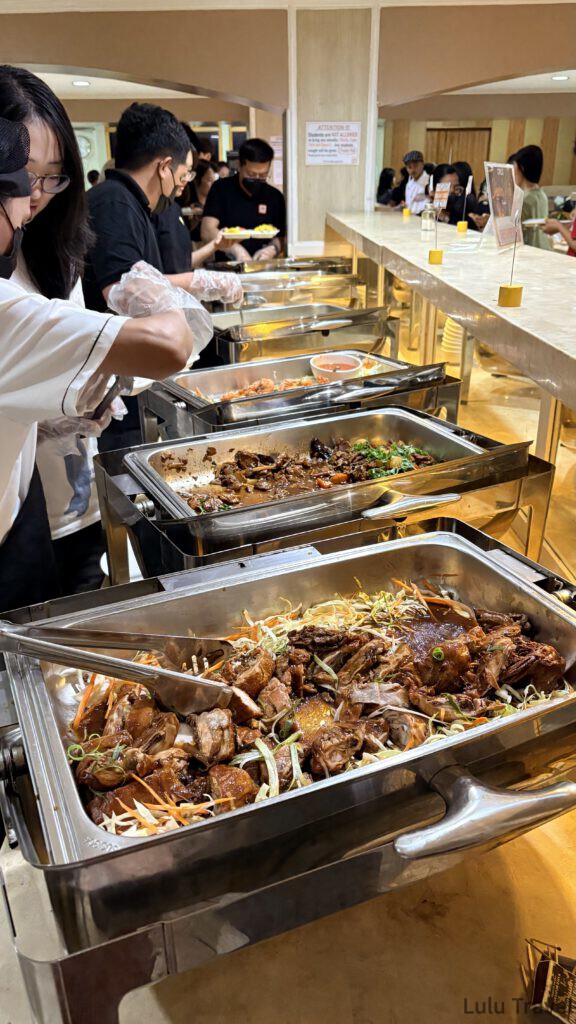
Tuition already covers three buffet meals a day, so you could live perfectly well without ever leaving campus. Breakfast is basic: boiled eggs, scrambled eggs, bread and toast, milk, cereal and processed meat. Lunch and dinner are far more generous, with rice, fried rice, fried noodles, several dishes and meats such as basil pork and grilled meat, plus fruit and desserts. Wednesdays are theme days with things like burgers or bibimbap. For the first few weeks I ate my fill every day and had no complaints.
07The Campus Wi-Fi Is Terrible, and That Turned Out Fine
Since I was on campus most of the time and only went out at weekends, I didn’t turn on roaming or buy a six-week data plan. I just bought two days of data whenever I was heading out.
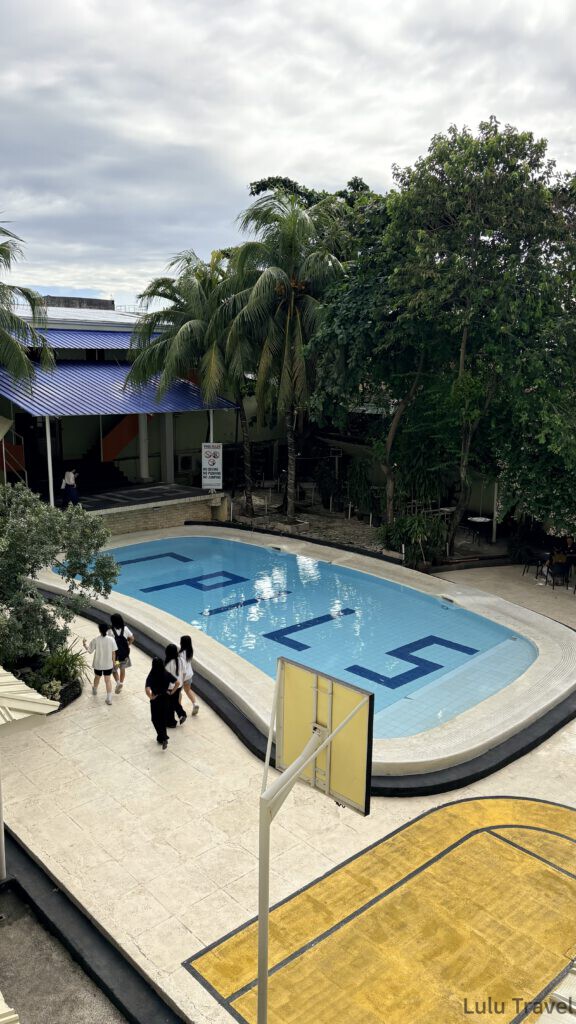
The problem is that the campus Wi-Fi is bad. The best signal is probably in your room (the routers sit out in the corridor), and looking things up or messaging anyone between classes was painful. So every break I’d stand in the weak-signal corner by the pool, getting some sun and some internet at the same time. The upside is that my screen time dropped a lot — my phone was either an offline dictionary or a notes app full of sentence patterns.
I only went out at weekends, so I bought short-term eSIMs
08Where My Classmates Were From
I knew going in that this is a Korean-owned school, but I didn’t expect so many Korean students to arrive for a winter camp. For the first month the school was almost entirely Korean, and I’d guess summer looks much the same.
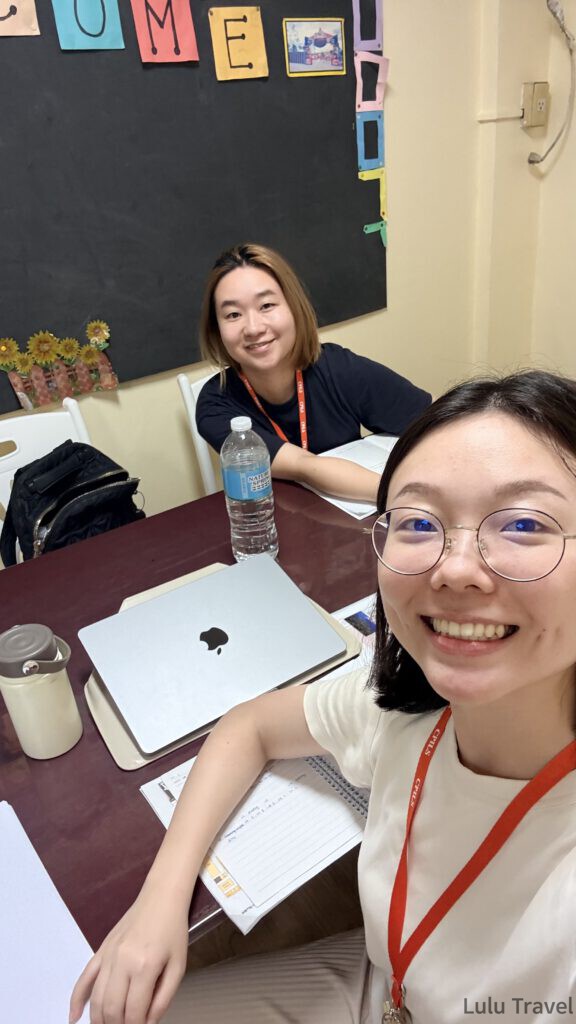
My own class was quite mixed, though, with students from Mongolia, Vietnam, China and Japan. If you want to meet people from a lot of different countries, it’s a good opportunity.

09Weekends Off Campus and Food Safety
The school is close to the city centre, but the moment you step outside, the sheer density of everyday life reminds you that this is a developing country. We got around by ride-hailing most of the time.
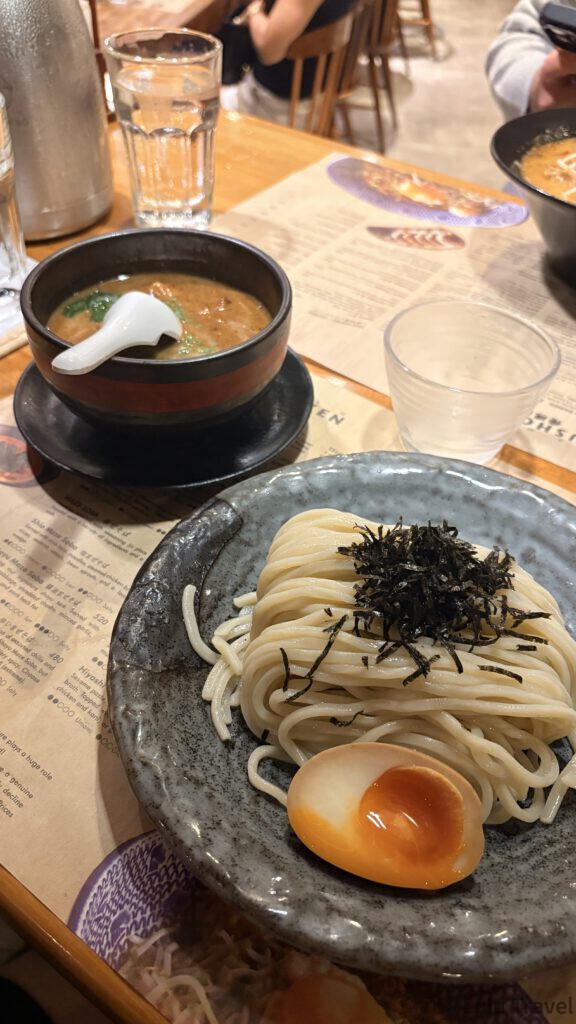
My weekends revolved around malls, restaurants and bars, and my favourite was the Oakridge Business Park complex. It has the Japanese matcha brand The Matcha Tokyo, the ramen shop Ramen Yushoken where I had the best tsukemen of my life, and Japanese grilled eel at Kurofune. It’s a comfortable upmarket complex with plenty to eat and browse.
Be careful with food hygiene. I spent almost a full week vomiting and with diarrhoea the week before my exam (not from any of the places above), so bring your usual medicines.

10Cebu Study Abroad Cost Breakdown
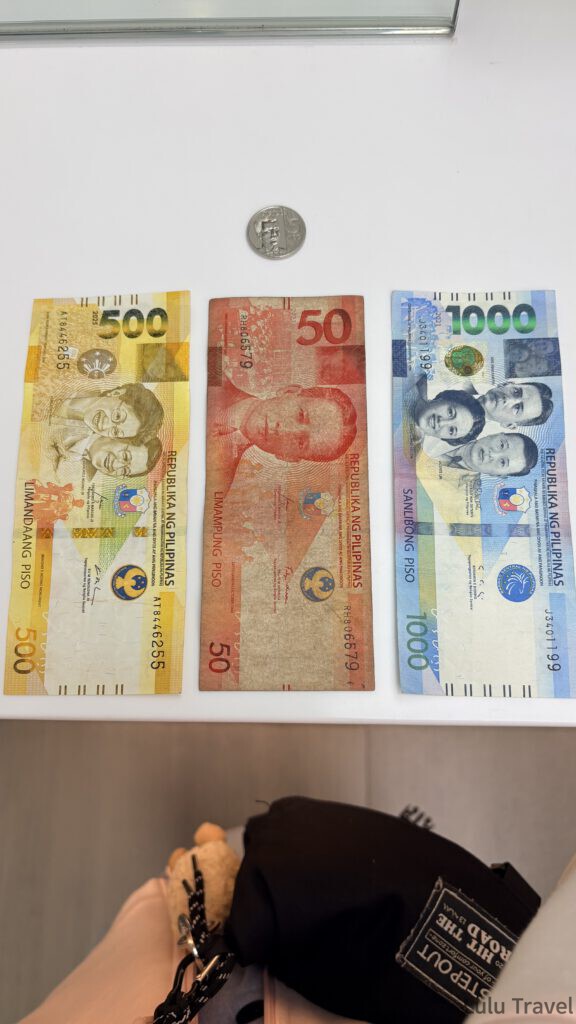
A winter-term enrolment — six weeks of IELTS classes plus a single room — came to just over NT$90,000. The visa, flights and insurance were a little over NT$20,000, and textbooks, utilities, living costs and exam fees came to nearly NT$30,000, for a total of about NT$140,000.
| Tuition + accommodation (6 weeks, single room) | 91,694 |
| Paper visa | 1,200 |
| China Airlines return flight (Taoyuan–Cebu) | 16,816 |
| Insurance | 3,354 |
| Textbooks, utilities, living costs and exam fees | 26,756 |
| Total | 139,820 |

ENDWhat I’d Tell Someone Still on the Fence
Looking back, the biggest thing I took from studying in Cebu wasn’t the score. It was turning exam prep from something I was grinding through alone into something a whole group of people with the same goal were grinding through together. I left with an avoidance mindset and came back having both passed and enjoyed myself.
If you’re still hesitating, my advice is specific: score as high as you can on the placement test, pick the room type that fits how you actually live, and don’t expect much from the facilities. The rest is less painful than you think.