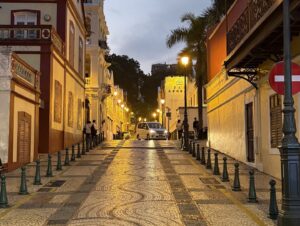
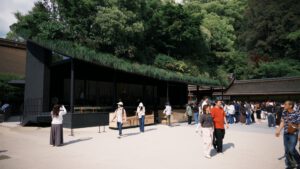
This Hanoi trip was planned as a five-day, four-night itinerary. Looking back, Hanoi isn’t the kind of city you fall in love with at first sight — it’s raw, bustling with everyday life, and incredibly dense, which kept me alert for pretty much the whole trip. This post covers pre-trip prep, food and sights in Hanoi’s Old Quarter, and a number of things nobody told me before I left. I’ve written up the itinerary and the mistakes honestly, for anyone else considering a trip to Hanoi.

01Before You Go
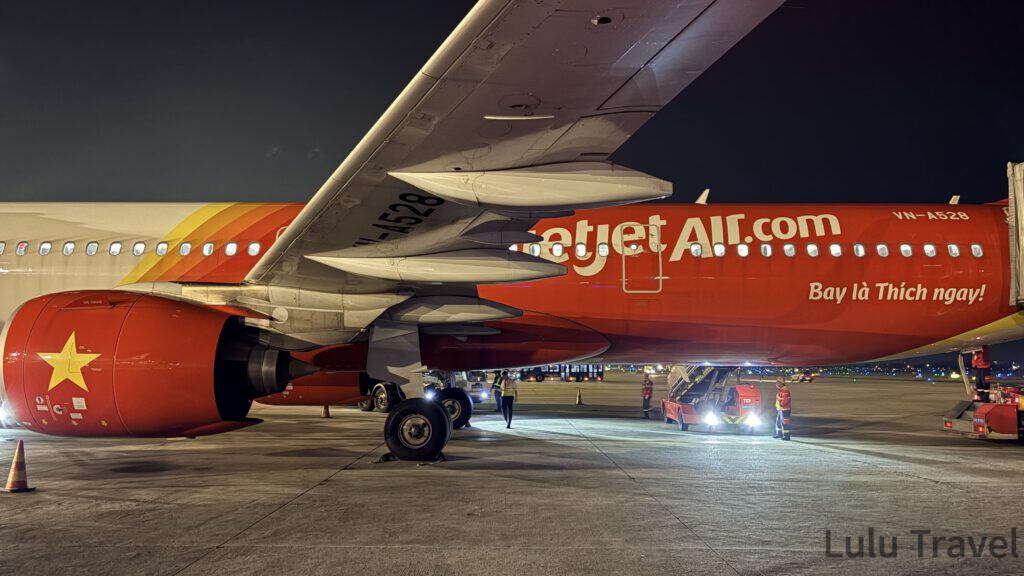
You can apply for Vietnam’s e-visa online — a single-entry visa costs USD 25. The process isn’t complicated, but leave yourself plenty of buffer time. We flew with VietJet Air; their carry-on allowance is one personal item plus one cabin bag per person, with maximum dimensions of 56×36×23 cm and a 7 kg limit, while checked baggage is limited to 119×119×81 cm and 20 kg.
VietJet’s online check-in is only available for certain countries, and Taiwan isn’t one of them, so budget extra time to check in at the airport counter.
Meals aren’t included on the outbound flight, and since the plane lands in the evening and immigration without fast-track can take around two hours, I’d recommend having dinner in Taiwan before boarding. Also, link a credit card to Grab before you leave Taiwan — you’ll rely on it for rides and payment once you land. Travel insurance is worth getting too; it isn’t expensive and it helps if there’s a flight delay or something unexpected comes up.
02Hanoi Weather in December
Most people assume Vietnam is hot year-round, but late December in Hanoi is actually quite cool — daytime highs of around 19–23°C, dropping to about 15°C at night. A thin long-sleeve top plus a heavier jacket handles the day-to-night swing and the strong wind on the Halong Bay cruise deck. Sunscreen is still worth packing, but the real priorities this season are staying warm and wearing clothes that are easy to move.
03Day 1 — Arrival in Hanoi
VietJet flight VJ947 departed Kaohsiung at 16:15 and landed in Hanoi at 18:05 (Vietnam is one hour behind Taiwan). Based on what I’d read before the trip, I had budgeted an hour for entry formalities; in reality it took nearly two, with almost no staff directing the queue and everyone guessing where the line went — chaotic and disorganized. Once we were through, it took another hour or so to get from the airport to our Old Quarter accommodation, so don’t overpack the first evening’s schedule.
One thing worth knowing before you call a Grab at Noi Bai Airport: drivers don’t stop directly in front of the arrivals hall. You’ll be swarmed by taxi touts as soon as you walk out, but the Grab pickup point is further away — you need to leave the terminal, cross the crosswalk, and meet your driver in the parking area ahead.
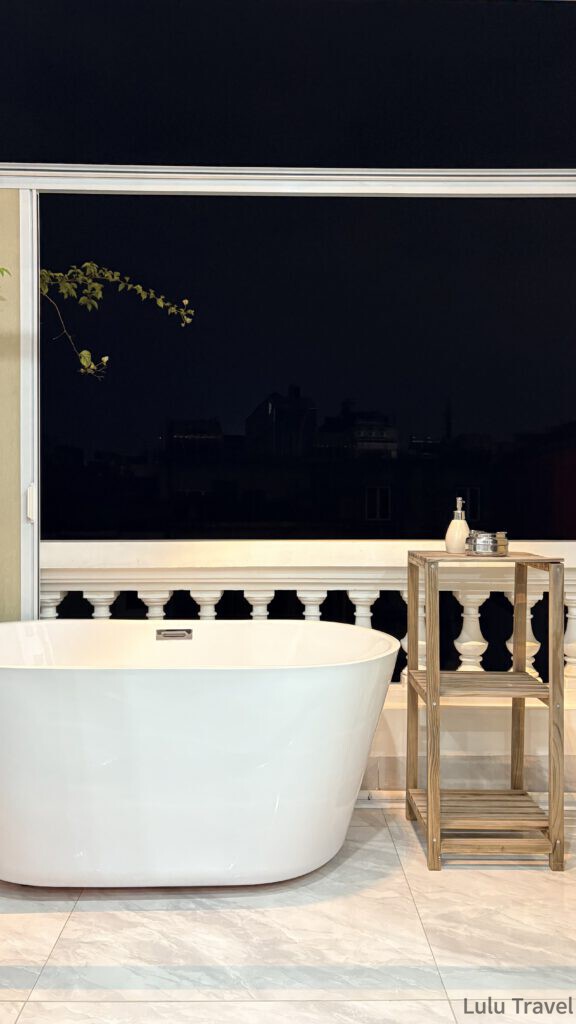
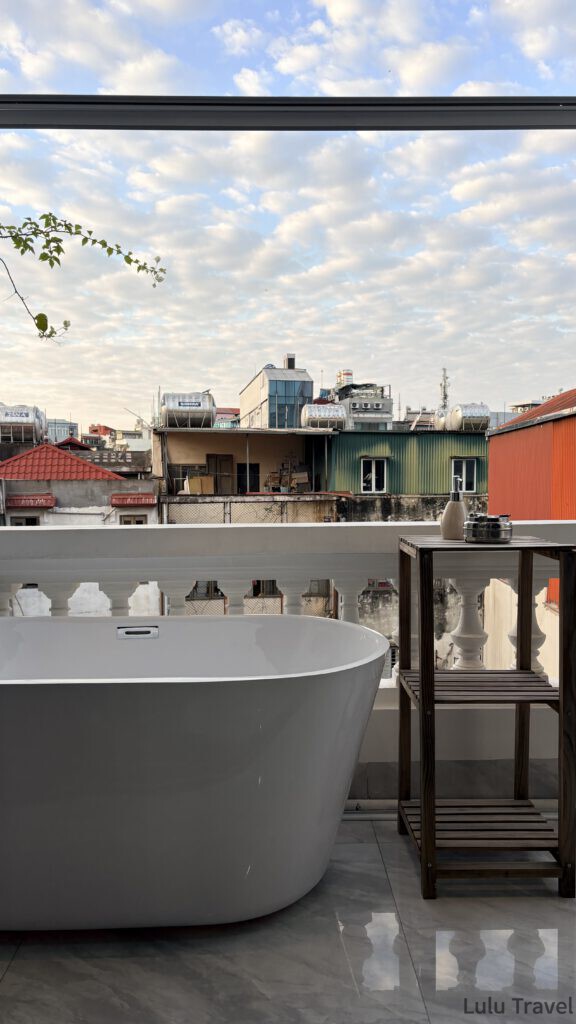
We stayed at Tamundi Homestay (Train Street View), right in the Old Quarter of Hoan Kiem, within walking distance of Train Street and the 36 Old Streets. We tried three different room types over the stay, all with warm wood-toned interiors — but the real surprise was the room with an open-air bathtub on the first night. After dropping our bags, hungry from the trip, we grabbed a quick bowl at the 24-hour Phở Thìn Bờ Hồ (Lê Văn Hưu branch), which unexpectedly turned out to be the best bowl of phở of the whole trip.
04Day 2 — Halong Bay Cruise
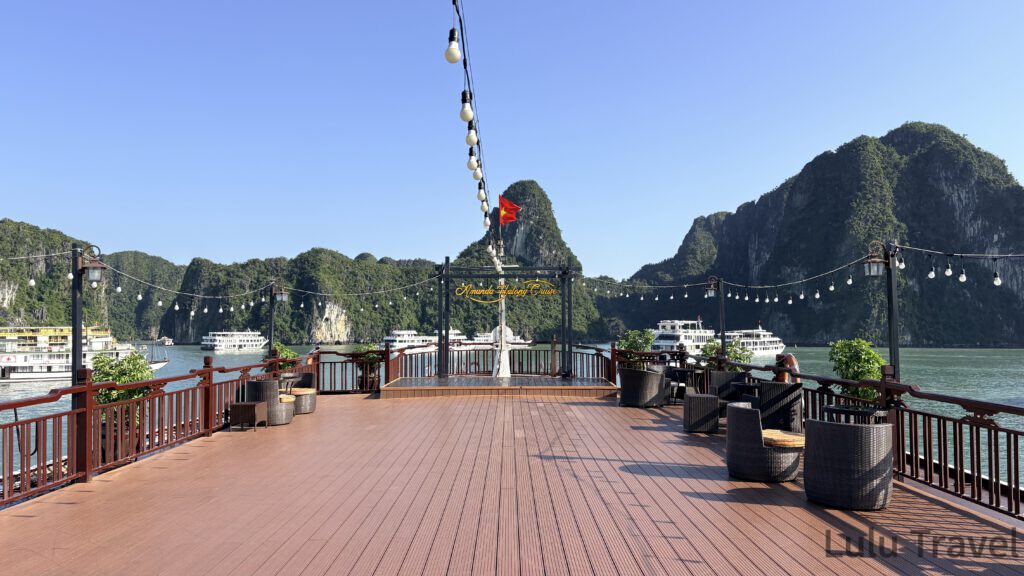
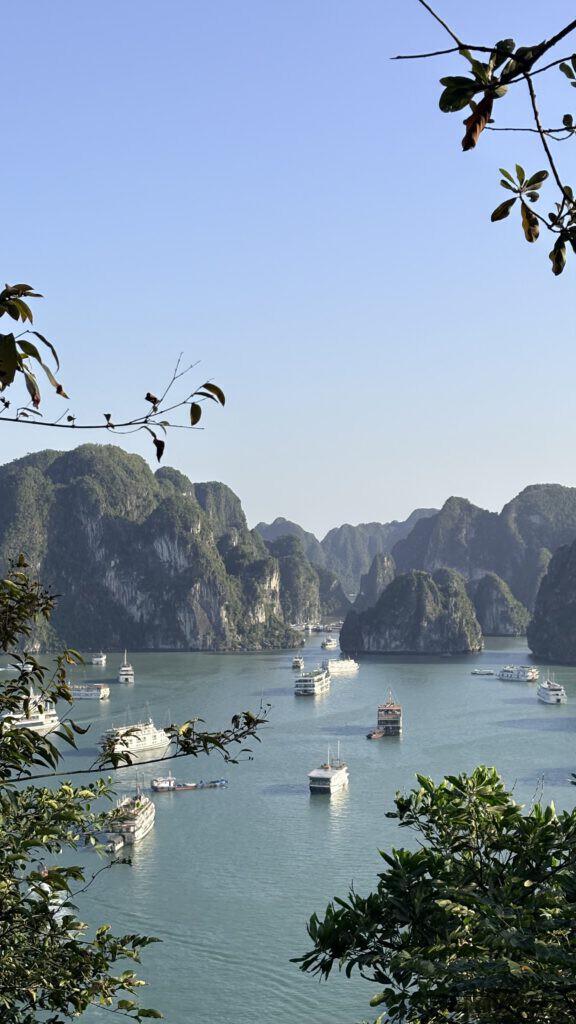
Day two brought us to the highlight of the trip: Halong Bay. There’s an interesting land/sea split to how it’s organized — a bit like Tokyo Disneyland’s two parks — and we went with the sea side.
For the full two-day cruise write-up, see: Halong Bay Cruise | Amanda 2D1N Review, 4 Cruises Compared

05Day 3 — Old Quarter
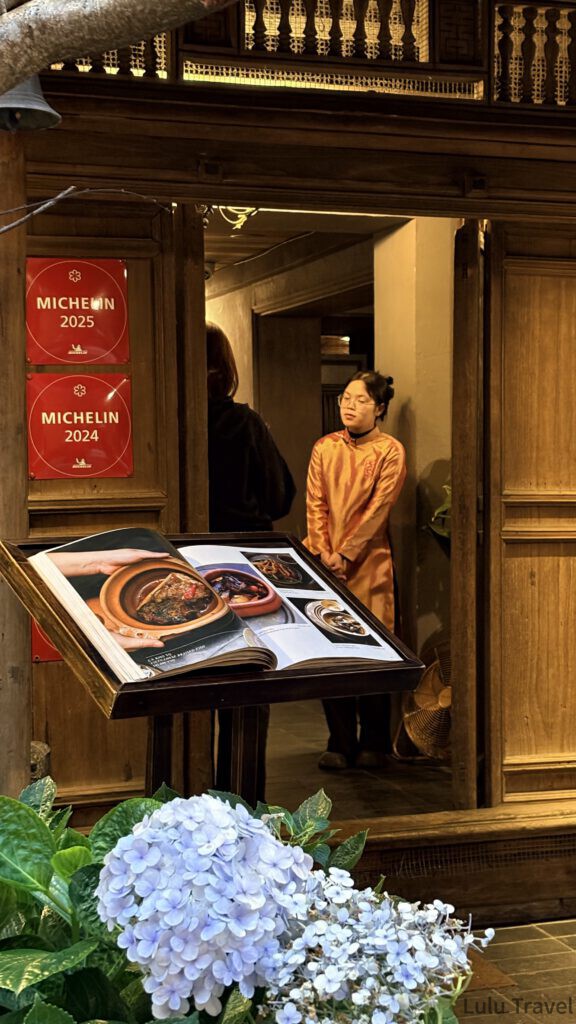
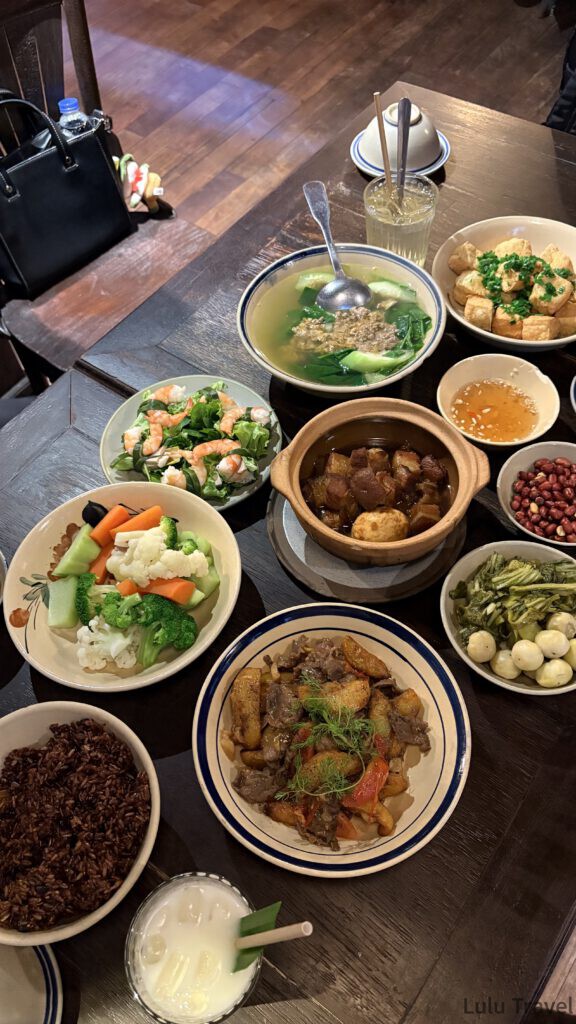
We got back to Hanoi around 3 p.m., rested briefly at the homestay, and then headed to Tầm Vị, a Vietnamese home-style restaurant that has held a Michelin star for several years. It wasn’t dramatically impressive overall, but for a Michelin star at such affordable prices, it’s still worth trying. I booked ahead via Facebook — if you mention a birthday in your booking note, they’ll bring out a small cake.
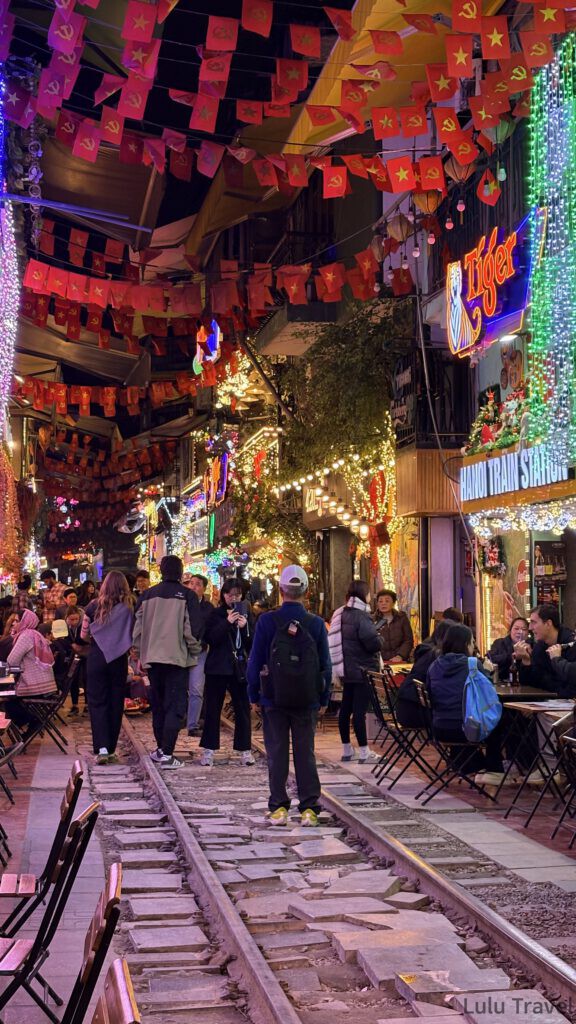
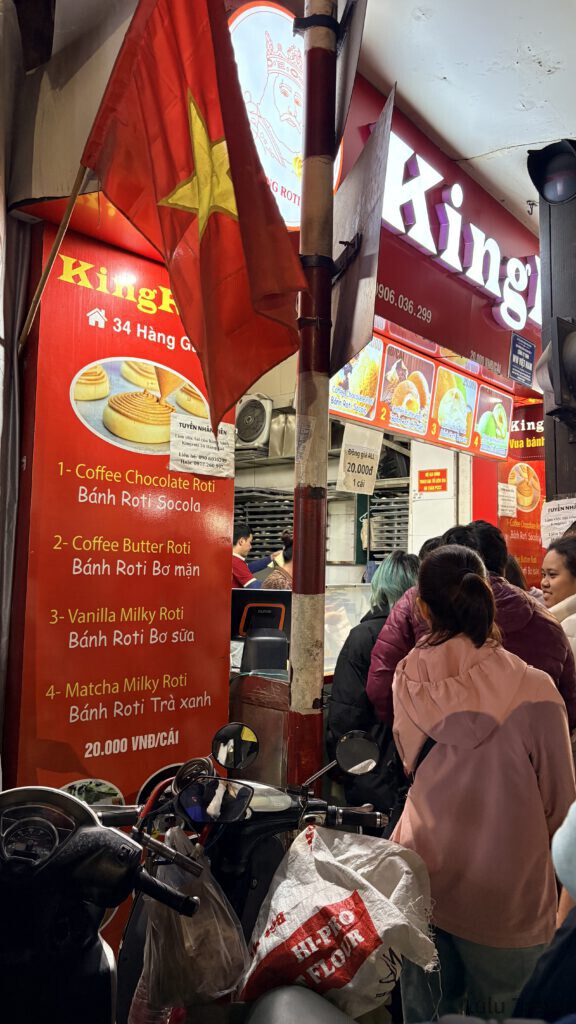
Full and happy, we headed to Hanoi Train Street. Since we’d already been to Thailand’s famous Maeklong Railway Market, we didn’t specifically time our visit around a train passing, and we didn’t run into the police turning people away that you sometimes read about online. We wrapped up day three at King Roti Hàng Gai, known for its freshly baked coffee butter rolls.
Hanoi Train Street runs through the old city, lined with homes and cafés where visitors sit trackside sipping coffee and watch the trains pass close by. Maeklong Railway Market, by contrast, is a traditional market on the outskirts, where vendors scramble to pull back their awnings and goods each time a train comes through. The two experiences are actually quite different.
Bonus mention: a lot of people ask whether we tried a Vietnamese-style hair wash — we did. Our homestay gave us a voucher for a partner shop, so we went without doing any research at all. We couldn’t get a walk-in slot on night three, so we booked for the next day instead. The result was incredible — my hair felt unbelievably light and smooth, unlike anything I’d experienced before. If you’re curious, feel free to DM me on Instagram, or check my highlights, where I’ve shared the shop name and raved about how such a no-frills place delivers such great results.
06Day 4 — Hanoi Old Quarter
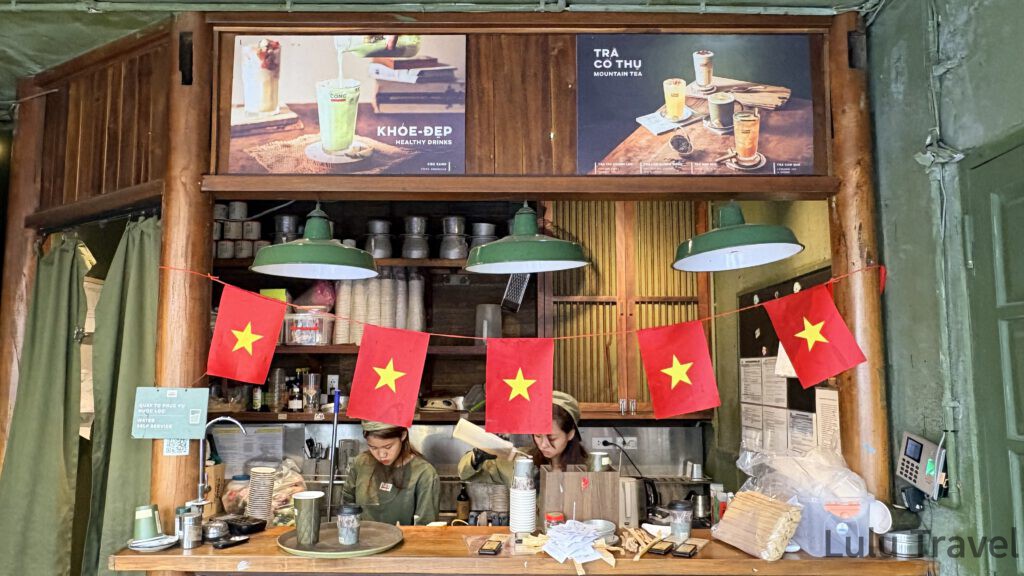
Back in Hanoi proper, day four was basically about eating and wandering. Breakfast started at Bánh Mì 25, a well-known Vietnamese-style baguette spot an eight-minute walk from our homestay, then on to Cong Cafe – Cau Go — the chain that built its name on a retro Vietnamese-communist aesthetic and opened branches in Taiwan in 2024 — for their signature coconut coffee smoothie.
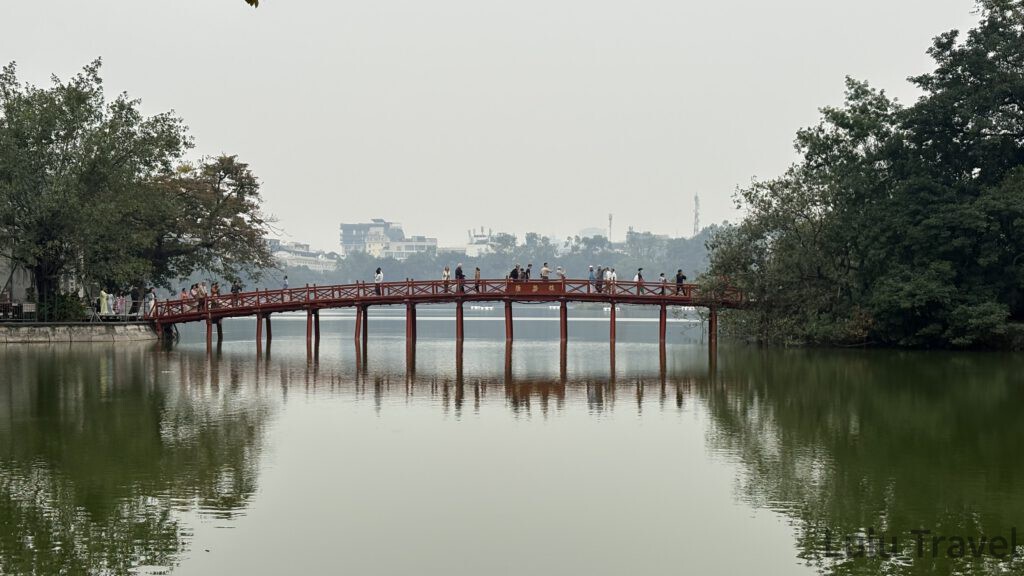
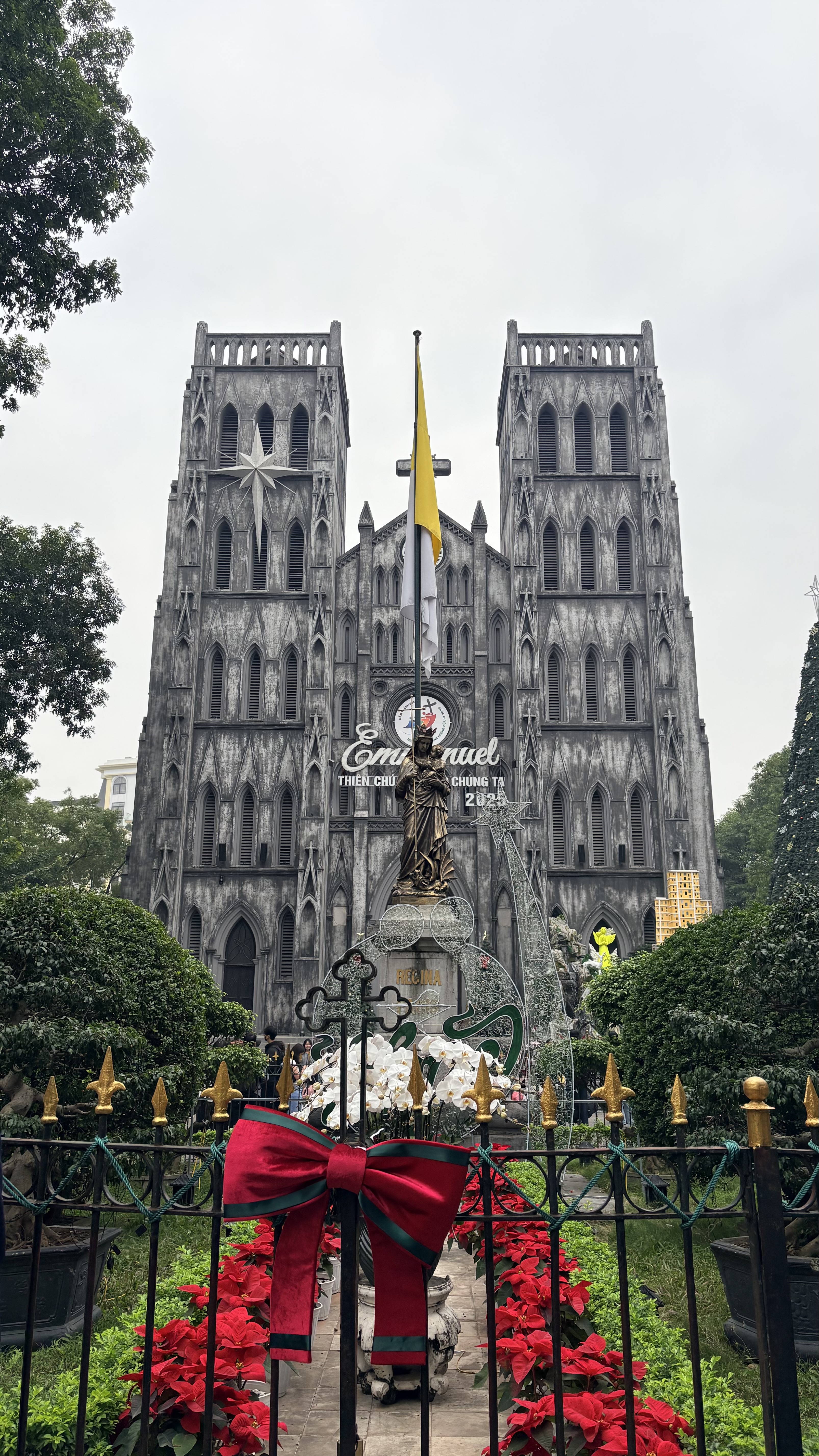
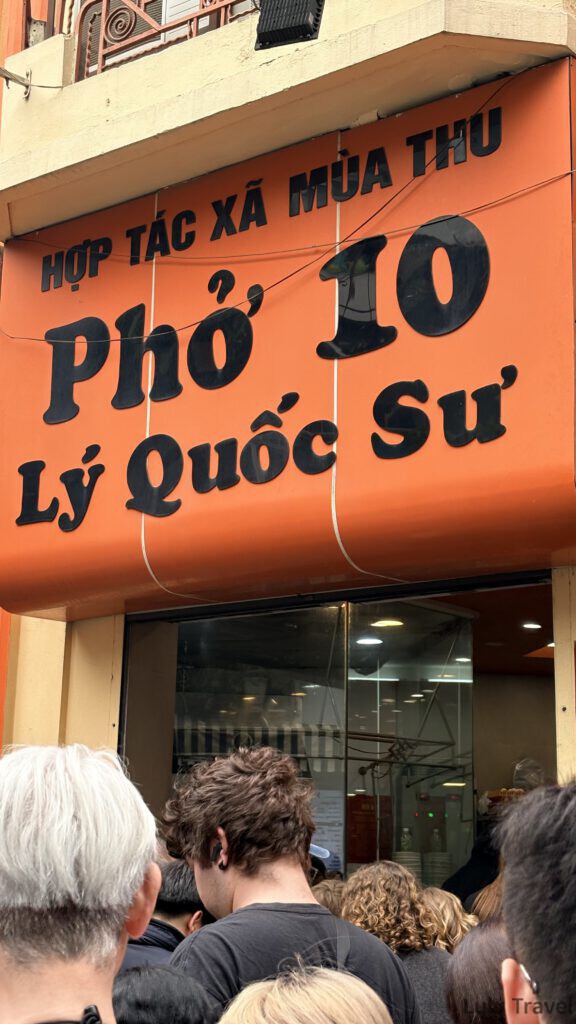
Once full, we walked about halfway around Hoan Kiem Lake to St. Joseph’s Cathedral. Motorbikes are banned from the lakeside footpath, making it one of the few genuinely walkable stretches in the Old Quarter. Michelin Bib Gourmand pick Pho 10 Lý Quốc Sư is nearby, so it’s worth joining the queue right after visiting the cathedral — by the time you reach the front, you’ll probably be hungry again anyway.
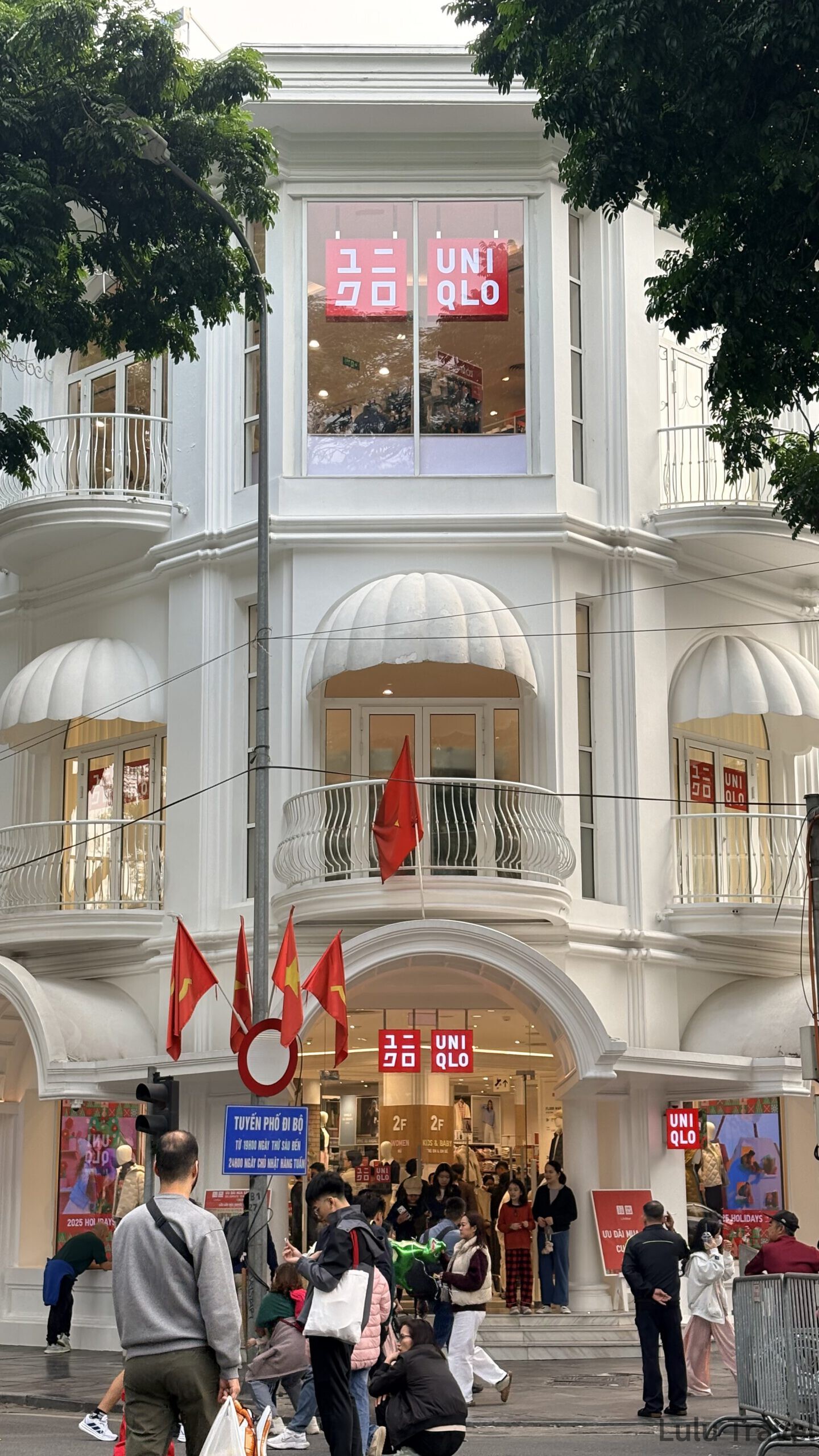
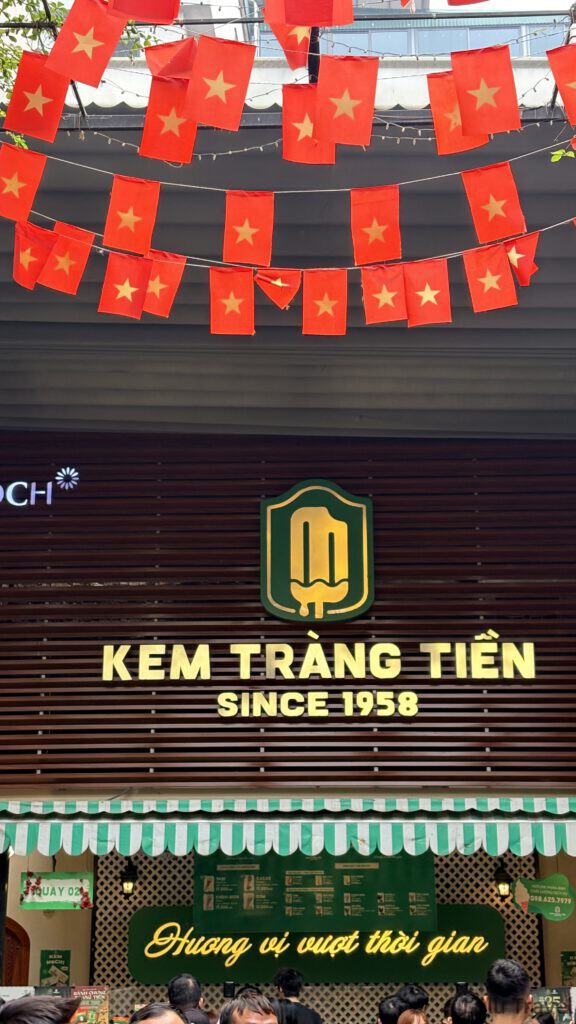
Full again, we made a stop at UNIQLO Hoan Kiem, which is worth a look — the all-white, ornately detailed building is very photogenic, and inside there are Vietnam-exclusive graphic tees, plus a third-floor restroom open to visitors. Wandering on, we happened across Trang Tien Ice Cream, a Hanoi institution, and were startled by how large it was, laid out almost like a courtyard house. Different service windows sell different budget-friendly flavors, and on a weekend afternoon the long queues and the crowds sitting or standing around eating ice cream carry on a tradition Hanoi locals have kept alive for half a century.
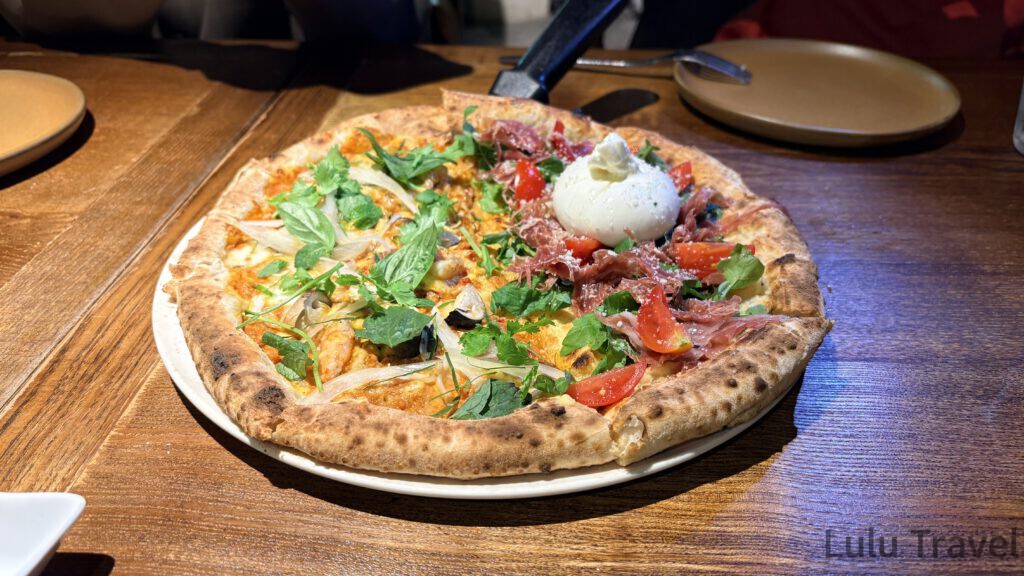
We finally made it to Cafe Giảng, said to be the birthplace of egg coffee. Sitting on wooden stools sipping the rich, creamy egg coffee was a memorable experience, though personally I still preferred Cong Cafe’s coconut coffee smoothie. Dinner was at the hard-to-book Pizza 4P’s (Bao Khanh branch), which serves pasta and salads alongside its pizzas. The Burrata Parma Ham pizza is the must-order signature, and you can go Half & Half to get two flavors in one pizza — a nice touch.
One thing did make the pasta taste better than the pizza to me: our pizza at Pizza 4P’s arrived cold — possibly because it had been left standing at room temperature while the second flavor finished baking.
07Day 5 — Departure
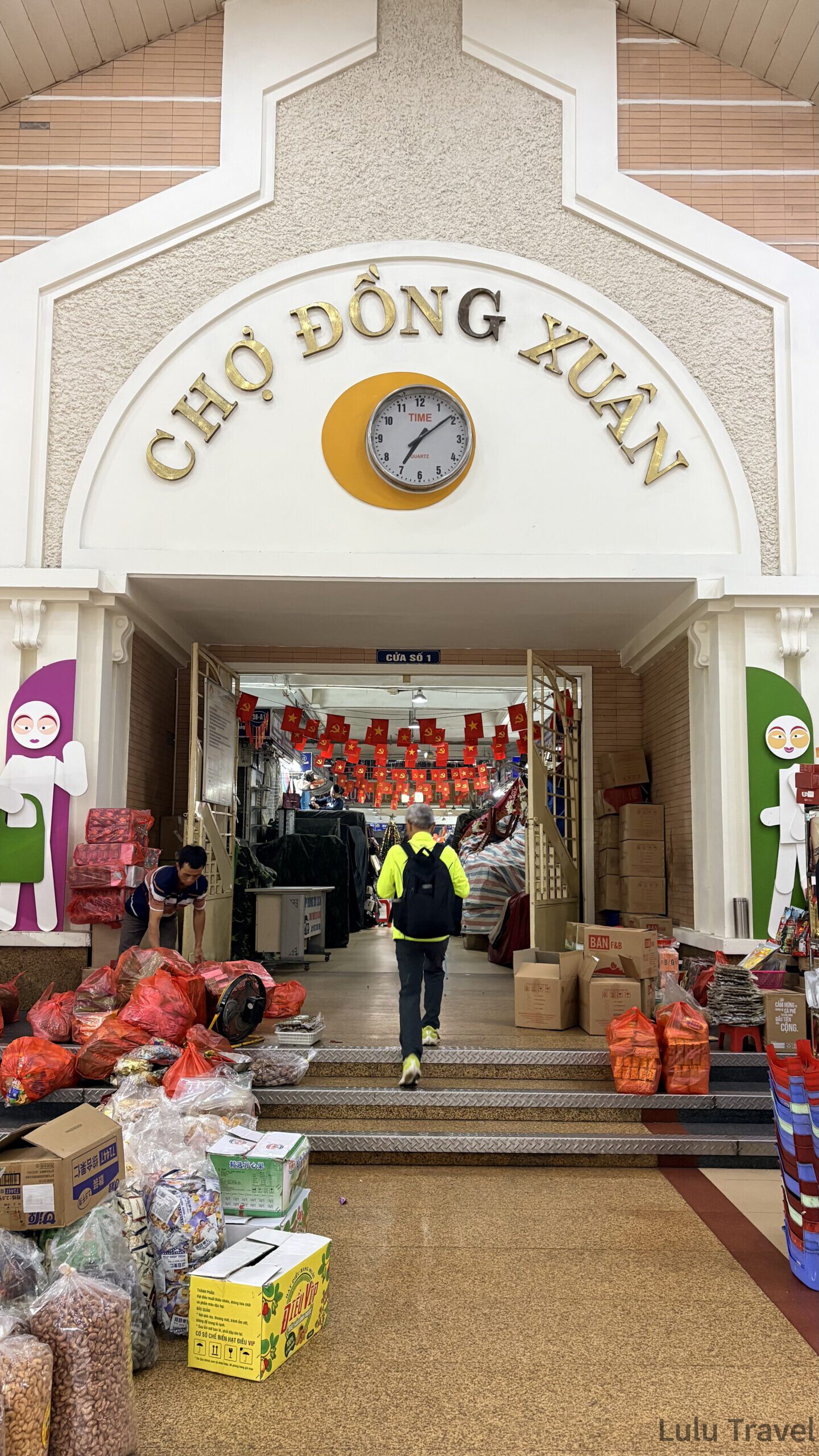
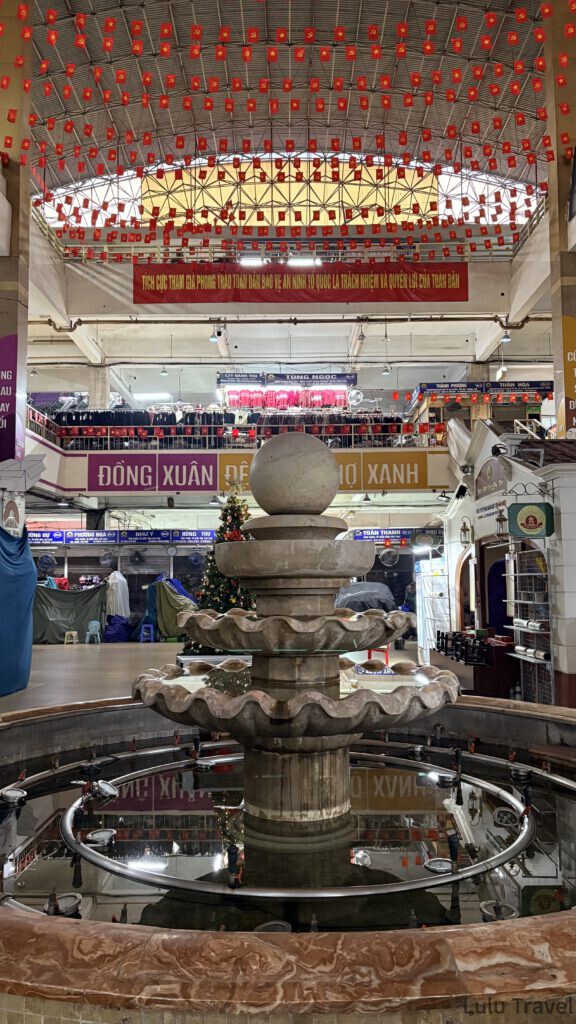
On the last morning, we wandered around Dong Xuan Market to take in the local market scene and pick up a few souvenirs. A Grab or taxi from the Old Quarter to Noi Bai Airport in the early morning usually takes 30–40 minutes — smoother than expected, since you avoid the daytime traffic. VietJet flight VJ946 departed at 11:45 and landed at 15:15.
Dong Xuan Market (Chợ Đồng Xuân) is the largest indoor wholesale and retail market in Hanoi’s Hoan Kiem district. Originally built in 1804, the current building dates from the French colonial period and spans three floors selling clothing, household goods, fresh produce, and all kinds of Vietnamese souvenirs — a good place to see everyday local life and pick up gifts.
08What I Actually Learned in Hanoi
Watch Your Change
Vietnamese dong bills have a lot of trailing zeros, so it’s easy to misread one at checkout. Always double-check your change on the spot before walking away — it’s the safest habit.
Packing & Daily Life Tips
- Vietnam uses a mix of Type A outlets (Taiwan’s flat two-pin plug) and Type C (European round two-pin). Most of the time, a Taiwanese plug will fit directly.
- Our homestay’s toiletries were well stocked overall, but the toothpaste tube was about half the size of a usual travel one — barely enough for two days, so bring your own if that matters to you.
- Toilet paper is generally quite thick (except at the airport) and it can’t be flushed — dispose of it in the bin next to the toilet instead.
- Restaurants don’t always provide tissues or water, so carry your own — bottled water is the safer choice.
City Observations & Safety Notes
A small, obscure detail: Vietnamese license plates have a decimal point on them, which struck me as odd the first time I noticed it. It turns out it’s just a separator that splits the five-digit serial number into a group of three and a group of two (like 123.45) to make it easier to read and remember, and to cut down on misreads.
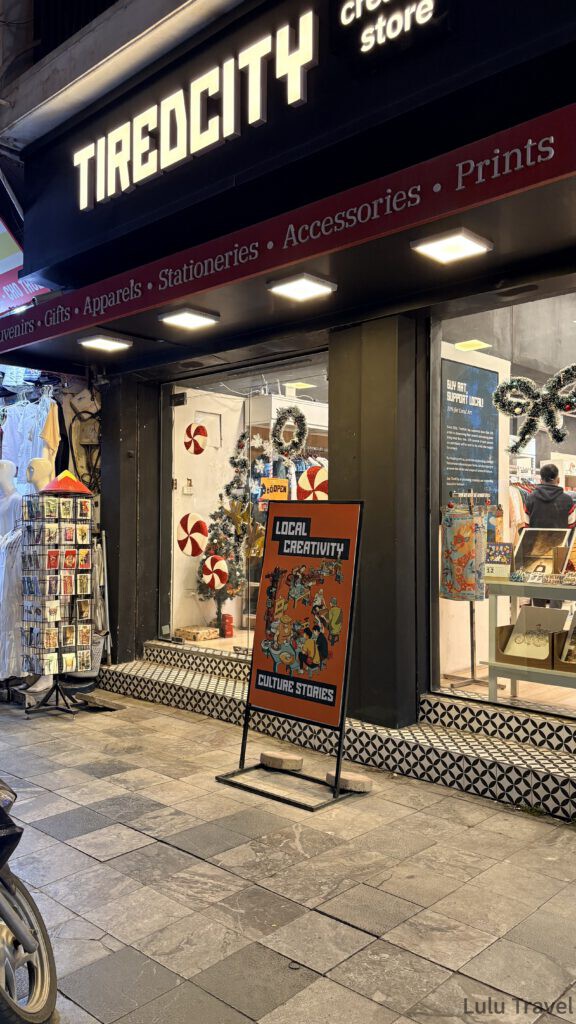
Tired City, a small shop selling Vietnamese street-culture and local-artist merchandise, pops up every few steps in the Old Quarter and is worth a browse.
Two safety notes as well: when crossing the street, don’t wait for the motorbikes to stop completely — walking at a steady, confident pace when there’s a gap is actually safer. And it’s worth using a phone strap and keeping your phone tucked away in crowded areas to reduce the chance of it being snatched.
ENDSo, Is Hanoi Worth It?
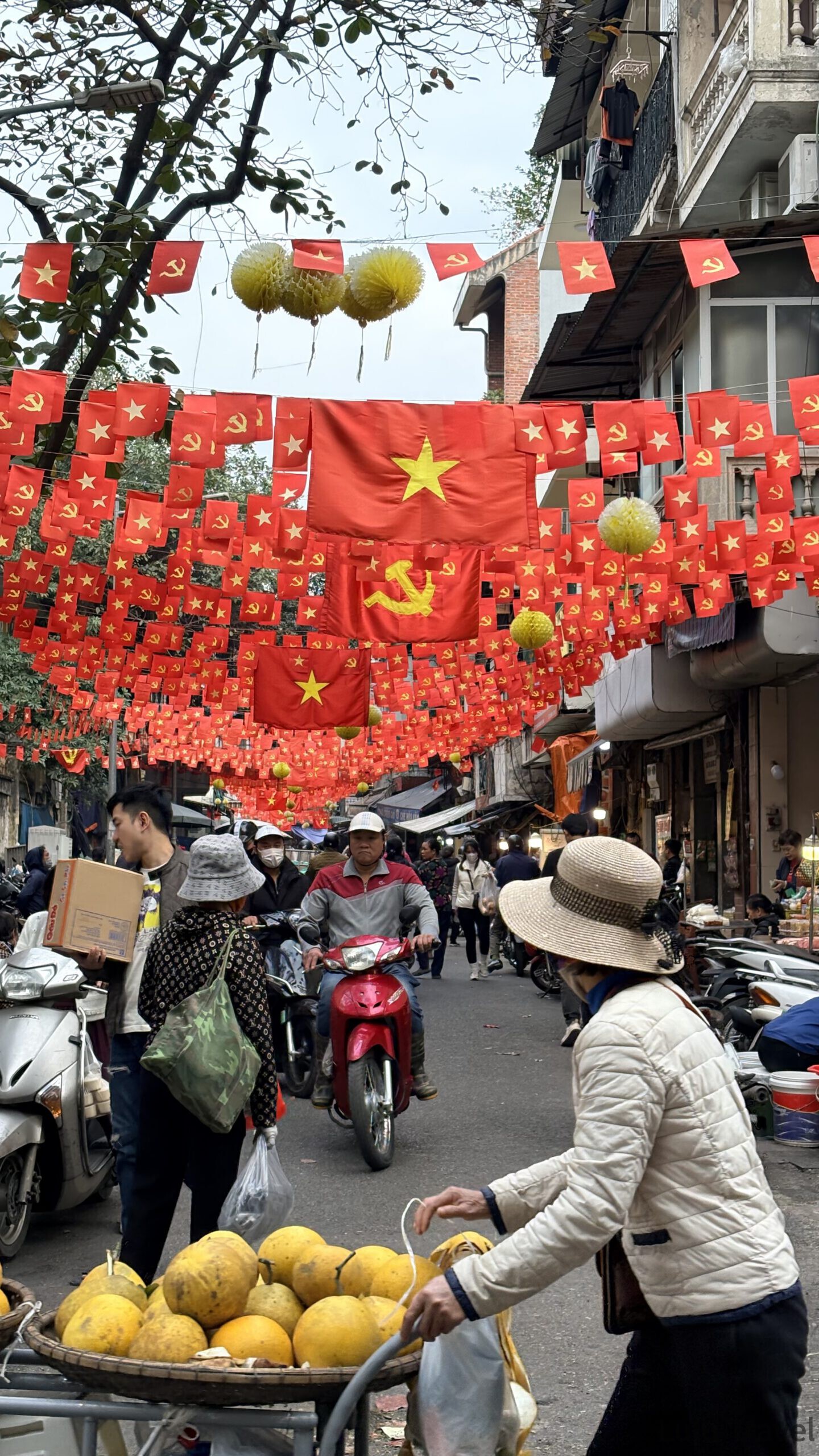
I didn’t fall in love with Hanoi, but I don’t regret going. It’s not the kind of city that hands you a curated, relaxed experience — it keeps nudging you to stay alert and think for yourself the whole time. The streets are dense and loud, but the contrast with the Old Quarter’s old-house cafés, the quiet of Hoan Kiem Lake at dawn, and the openness of Halong Bay leaves a real impression. If you enjoy the process of finding order in chaos, Hanoi has plenty to offer; if you’re after a mindless, relaxing getaway, you might want to adjust your expectations first.
FAQFrequently Asked Questions
Is five days and four nights enough for Hanoi?
Once you take out travel time at both ends, you’re realistically left with about two days in the city plus one overnight in Halong Bay — just enough to cover the Old Quarter and the bay properly. Don’t schedule anything for the first evening: without fast-track, immigration alone takes close to two hours, and it’s another hour from the airport into the Old Quarter. Add a day if you want to take the Old Quarter cafés and markets at a slower pace.
How do I get a Vietnam e-visa, and how much is it?
Vietnam’s e-visa can be applied for online and costs USD 25 for single entry. The process itself isn’t complicated, but processing times vary, so apply early and leave yourself plenty of buffer rather than submitting a few days before you fly.
What should I know about arriving at Noi Bai Airport and calling a Grab?
Without fast-track, expect around two hours in the immigration queue, with almost nobody directing the line. Grab drivers don’t stop in front of the arrivals hall either — you’ll be swarmed by taxi touts as soon as you walk out, and the correct move is to leave the terminal, cross the crosswalk, and meet your driver in the parking area ahead. From the airport to the Old Quarter is about an hour.
What should I wear in Hanoi in December?
Late December in Hanoi is cooler than most people expect: daytime highs of around 19–23°C, dropping to about 15°C at night. Layer up — a thin long-sleeve top plus a heavier jacket handles both the day-to-night swing and the strong wind on the Halong Bay cruise deck. Sunscreen is still worth packing, but the priority this season is staying warm in clothes that are easy to move in.