This is a full, practical guide put together after joining Dong-Nan Travel’s Mystical Blue Turkey — Istanbul, Cappadocia Cave Stay, Safranbolu, Cotton Castle Pamukkale, 10 Days group tour.
First, the base tour fee was NT$57,900, covering flights, accommodation, and most meals — but not the special add-ons (hot air balloon, off-road vehicle, Turkish bath) or personal spending during free time. Ten days total, travelling counterclockwise around Anatolia entirely by coach, passing through Istanbul, Cappadocia, Pamukkale, Ephesus and other classic sites.
If you’re considering a Turkey group tour too, this post covers what was actually spent, what the food was like, what situations came up, and the details worth watching out for.
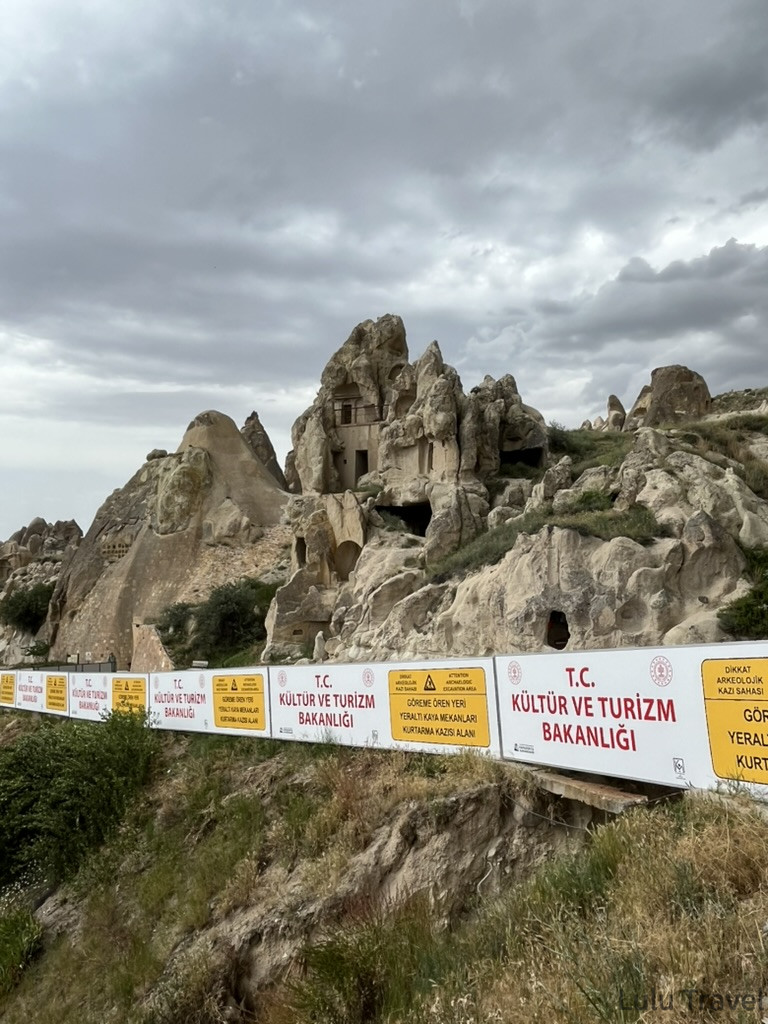
01About This Tour
Ours was a large coach group of 30-odd people, with one guide and one tour leader. The longest driving day was close to 8 hours — with rest stops, of course, but do prepare yourself mentally. The logic is the classic counterclockwise loop: south from Istanbul through the ancient city of Troy, Gallipoli, and Ephesus, down to Pamukkale, up to Cappadocia, and finally back to Istanbul. The pacing isn’t too tight — there’s time to actually take in each place.
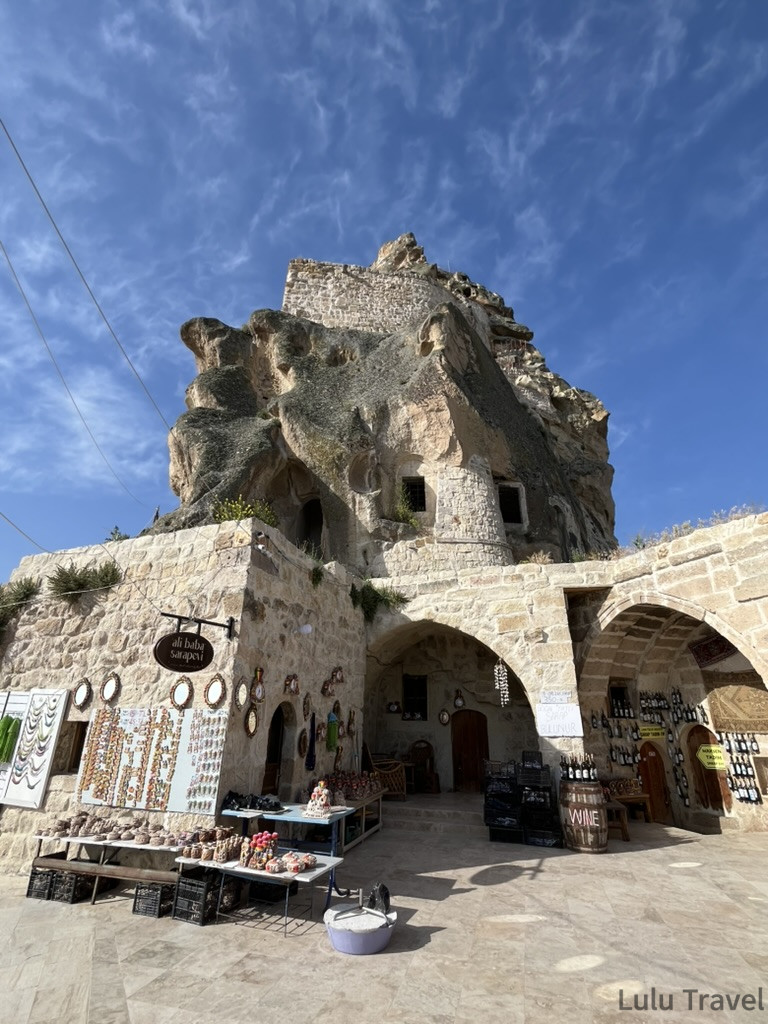
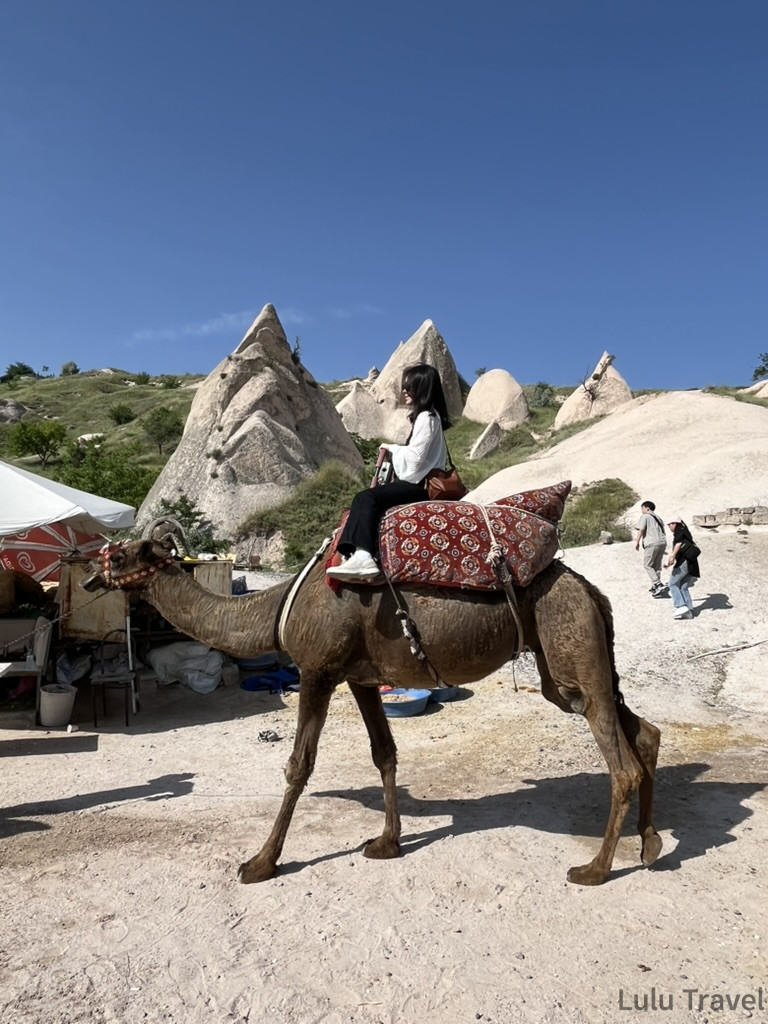
02Turkey Group Tour: Full Expense Breakdown
How much cash to bring beyond the tour fee
For the actual trip I exchanged only US$500 in cash. Of that, US$150 was changed into lira at the airport on arrival for small purchases with vendors; everything else was handled by card or US-dollar cash.
Turkish lira exchange
Lira can’t be obtained at Taiwanese banks, so before departure bring US dollars, or set up international ATM withdrawal to take out lira locally. Istanbul Airport rates are reasonable (about 1 USD = 33 lira at the time).
Lira can’t be exchanged back in Taiwan
Some people on our tour brought back a pile of unspent lira thinking they’d change it home — but Taiwanese banks simply don’t accept it, so the lira ended up as souvenirs. Work out your spending, bring enough, and don’t carry excess lira cash home.
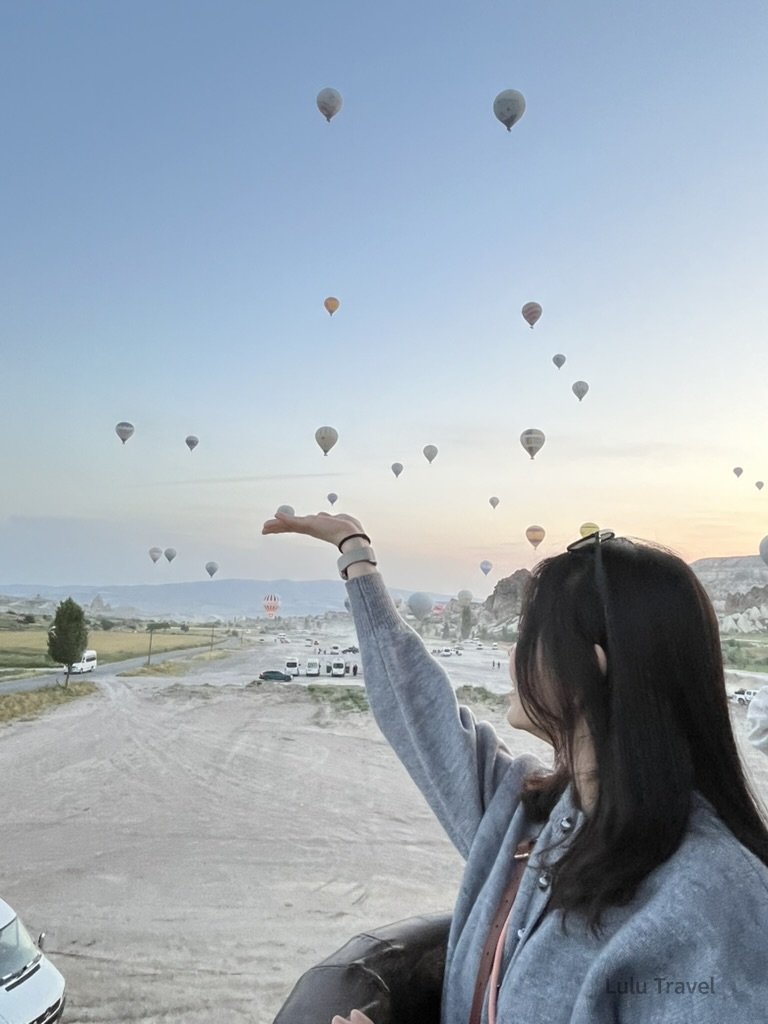
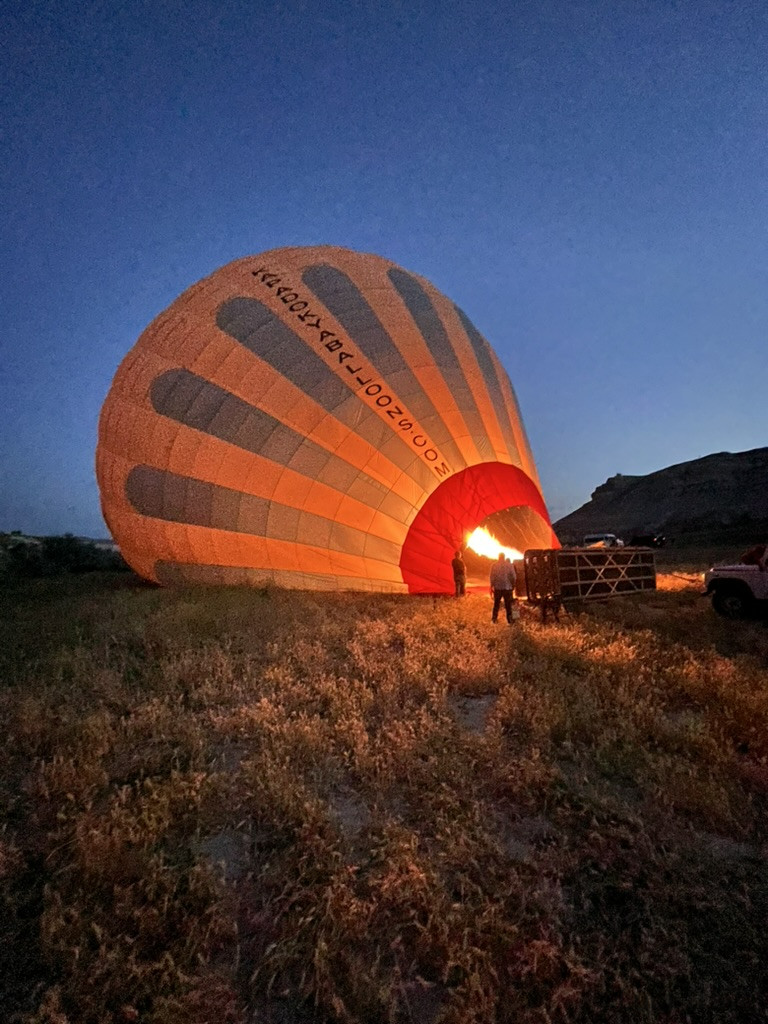
The easiest place to overspend is the hot air balloon. Cappadocia’s balloon ride isn’t included in the tour fee — the on-site add-on is US$280 per person, roughly NT$8,800. If bad weather grounds the flight, you get a full refund.
The balloon experience runs like this: 3:45 am meet at the hotel entrance, minibus from the hotel to the launch site, then watching the balloons inflate into shape — sleepy, but the process is genuinely soothing. The flight lasts about an hour, watching Cappadocia wake up from altitude and waving to people in the balloon alongside you — the whole thing is dreamlike. After landing there’s a champagne toast and a flight certificate; the sense of ceremony is complete.
Base fee NT$57,900 (flights, accommodation, most meals). Below is a record of spending beyond the fee, for budgeting reference:
| SIM card | NT$656 |
| Travel insurance | NT$776 |
| Tipping kitty | US$120 |
| Hot air balloon | US$280 |
| Off-road vehicle | US$100 |
| Handmade carpet | US$300 |
| Turkish delight (coach vendor) | US$8 |
| Walnut-fig mix (coach vendor) | US$15 |
| Rose oil (coach vendor) | US$30 |
| Floral set (Safranbolu) | ₺450 |
| Scarf (Safranbolu) | ₺90 |
| Silk scarf | US$100 |
| Estimated extra spending | approx. NT$30,000–40,000 |
03Turkish Food: Eating Well Even Without Beef or Lamb
A cuisine that keeps surprising you
Turkish cuisine is considered one of the world’s three great culinary traditions, fusing Middle Eastern, Mediterranean, and Balkan techniques and ingredients with an abundance of spices and seasonings.
Because Turkey is a Muslim country, pork is absent and the proteins are mostly beef and lamb. The meal order is generally bread, soup, and salad first, then the main course, and finally a fruit or dessert.
Turkish salads are fresh and varied — every table is loaded with lettuce, tomato, cucumber, red cabbage, and shredded carrot, sometimes with lemon or orange slices, and the colours are vivid. But I’d strongly suggest anyone not used to food this plainly dressed to bring their own salad dressing.
The soups are unlike any thick soups I’d had before: some lean acidic, similar to borscht, with particular spices that hit your nose before the spoon does; others are lentil-based, with a slightly grainy, sandy texture from the broken beans.
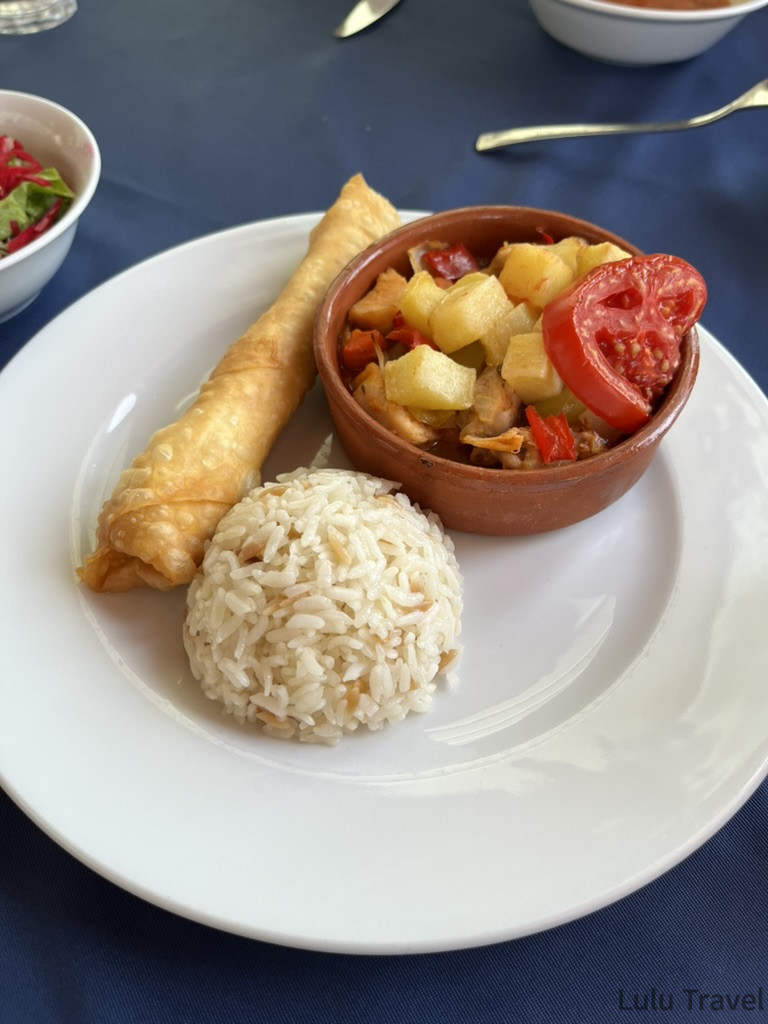
Because I don’t eat beef or lamb, my main course was usually grilled chicken — the cooking varied, sometimes tender, sometimes a bit dry, but overall acceptable. The real surprise was the root vegetables: potato, onion, mushroom, aubergine — each cooked with real care, carrying a slight char or oil richness, never a token side. On several meals I ate more of the potato curry and mushroom stew than the chicken.
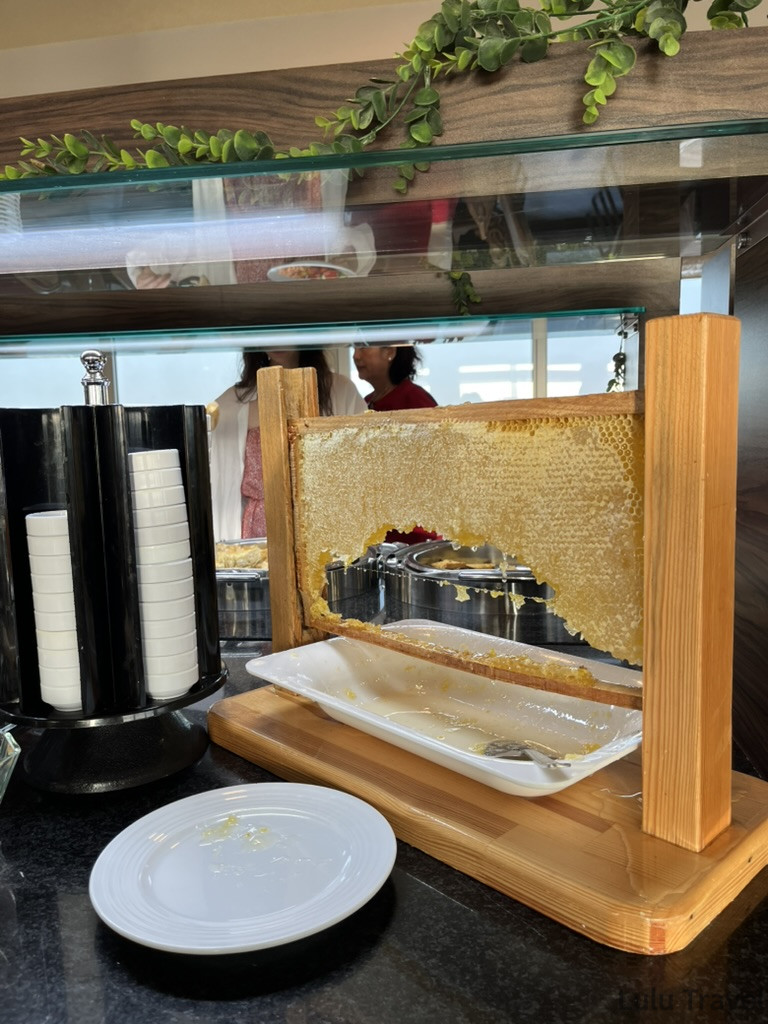
Finally, the Turkish desserts that will make you redefine “sweet.” Honey pie, almond tart, strawberry cake — every one saturated in syrup or honey. The first time it’s novel, the second a bit “wow,” and by the third you start assessing whether the sweetness has crossed a line. But I have to say, if you love sweets, Turkish desserts are paradise.
04Itinerary Overview: 10 Days Counterclockwise
Why counterclockwise
This route circles the western half of Turkey counterclockwise — departing Istanbul, heading south to Pamukkale, then east up to Cappadocia, and finally looping back to Istanbul. The logic is clear: ease into the time zone first, work gradually toward the denser sites, and keep the final day in Istanbul for free exploration.
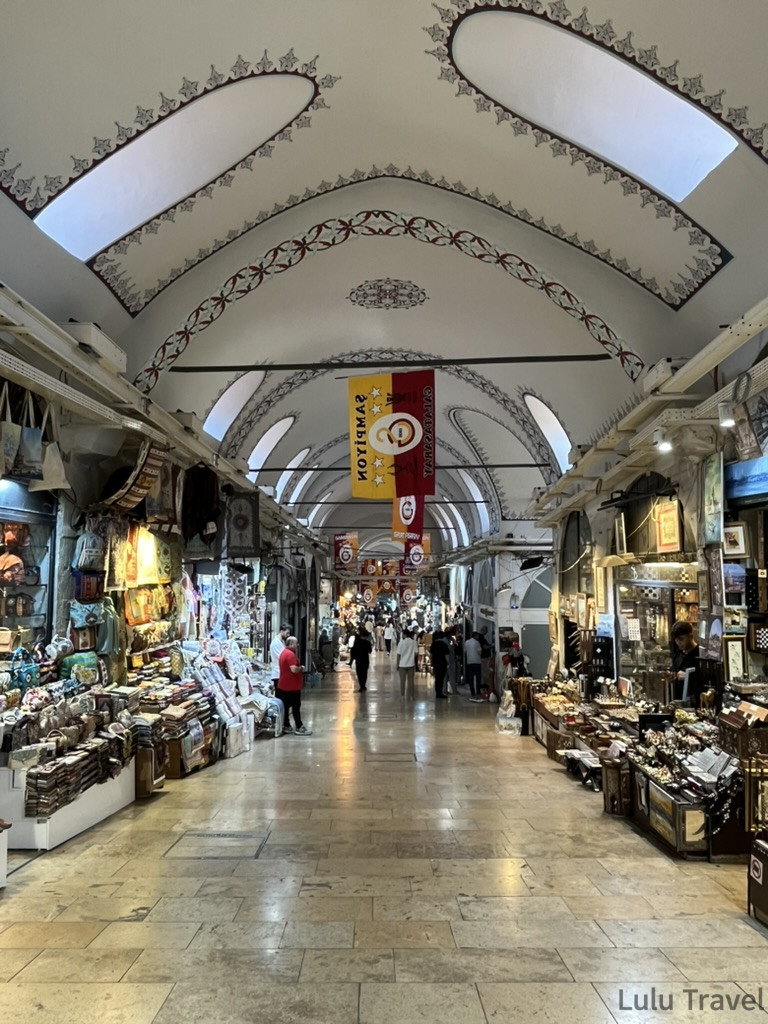
The Grand Bazaar (Istanbul) is scheduled for the last day — some say deliberately, so you don’t blow your budget early in the trip. But precisely because it’s last, by then you already have a feel for Turkish prices and won’t impulse-buy as easily.
The longest coach day
The hardest day is the drive to Cappadocia, roughly 8 hours of coach time. There are stops for bathrooms and water, and the guide narrates the passing scenery, but frankly it’s still tiring. Pack a neck pillow and water bottle, and wear loose clothing. The destination makes it worth it — Cappadocia’s undulating terrain and cave architecture stay with you after a single glance.
Main sites on the itinerary
- Troy:wooden horse sculpture, ancient city ruins
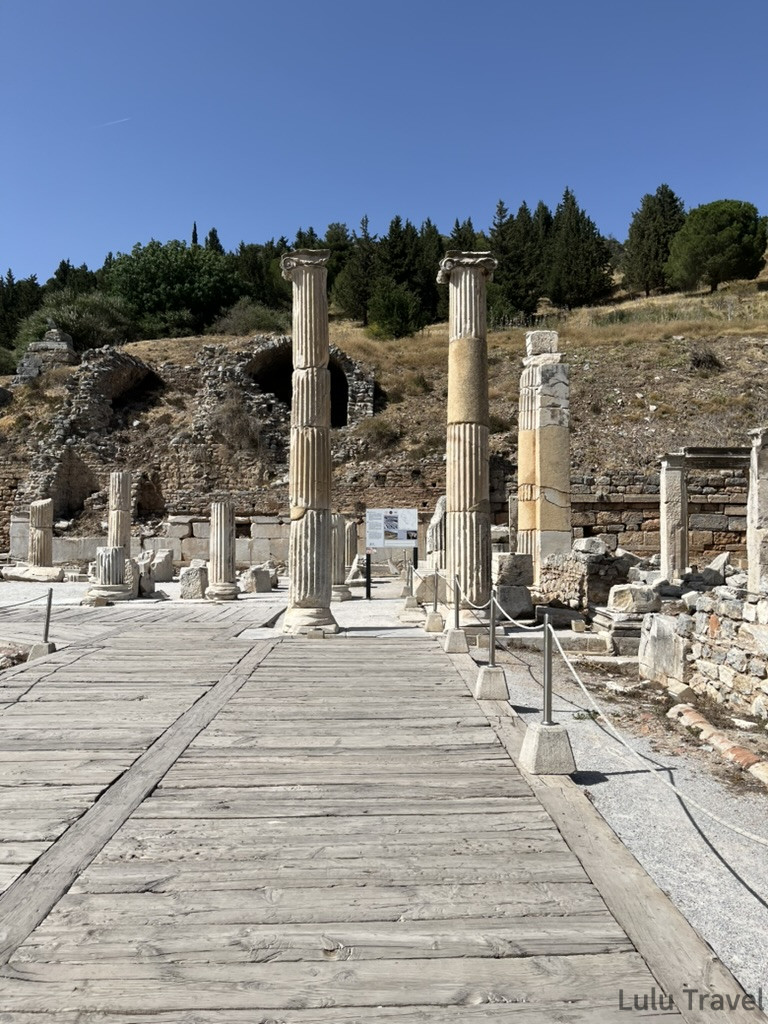
- Ephesus:Library of Celsus, temple ruins, Roman-era architecture
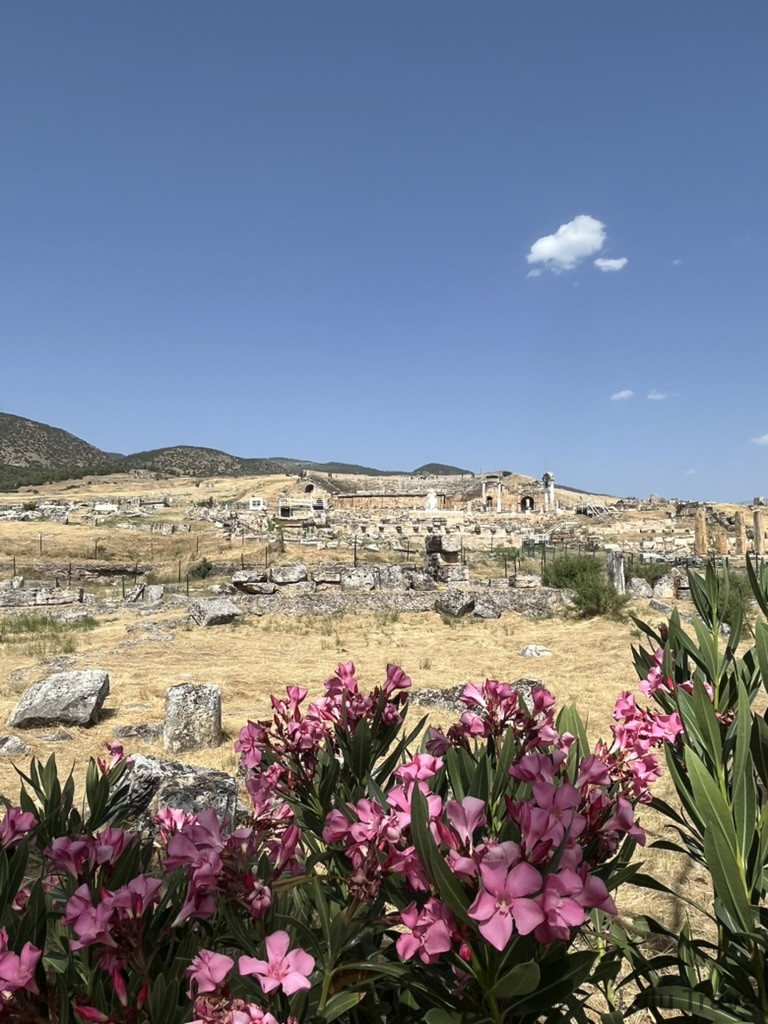
- Pamukkale (Cotton Castle):white calcium-carbonate terraces, thermal springs, valley panorama
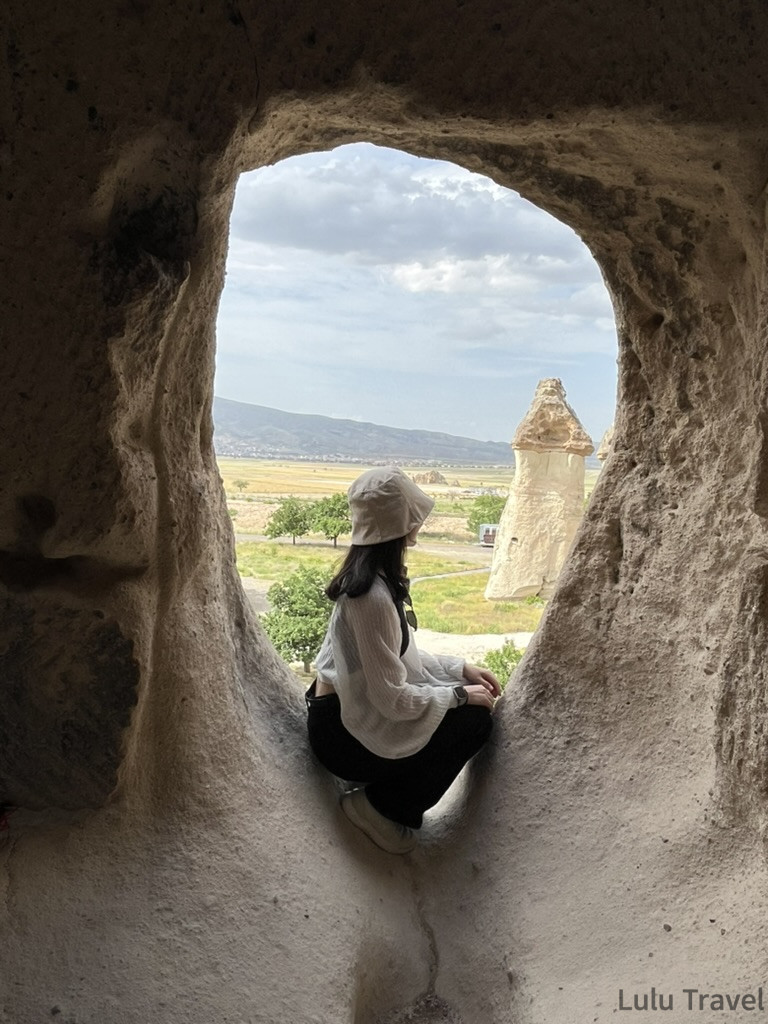
- Cappadocia:fairy chimneys, cave accommodation, hot air balloon, camel riding, underground cities
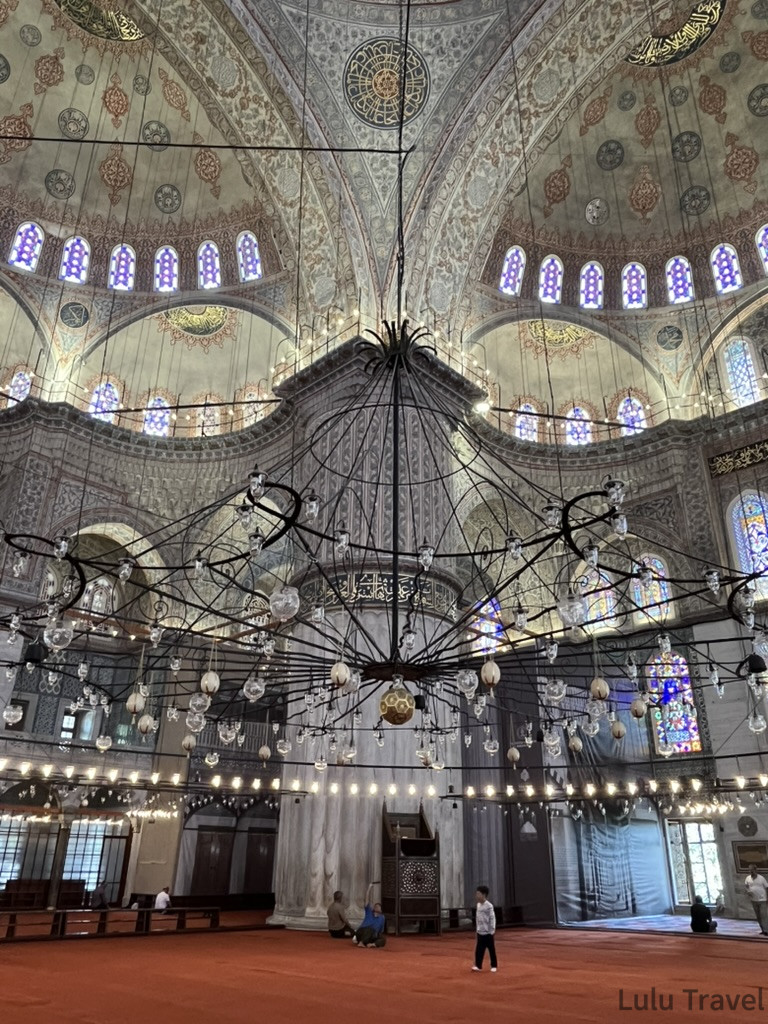
- Istanbul:Blue Mosque, Suleiman Mosque, Grand Bazaar, Galata Tower, Bosphorus ferry views
05Things to Know Before You Go
Bring more sunscreen than you think
Turkey’s sun is genuinely fierce. Coach time is long, but most sites are open-air or semi-open, and you’ll walk in full sun for 2–3 hours at a stretch. Bring SPF 50+++ sunscreen — and more than one tube! Pamukkale in particular is brutal, with reflected sun doubling the exposure, so no amount feels like enough. A sun hat, sunglasses, and light long sleeves are your friends too.
Phones overheat — use a wired power bank
In Turkey you’ll often be photographing on the move under a blazing sun, which quickly overheats a phone into a thermal shutdown. Bring a wired power bank (wireless charging is too slow and runs too hot).
Locals are warm, but check your change
Anyone who’s been to Turkey will notice it: as an East Asian face, people often approach to chat, invite you for tea, or take photos — mostly genuinely friendly. But at supermarkets and markets, double-check the change you get. I was short-changed once — not a large amount, but it’s the kind of thing that’s hard to guard against and you only notice later. Paying cash, watch the register screen to confirm the amount, or pay by card where you can.
06Final Thoughts
This 10-day, 8-night Turkey group tour was well arranged — the coach days are tiring, but everything worth seeing got covered. If you’re planning a Turkey group tour too, I hope this helps. For more on the experience itself: Turkey Group Tour: A Deep Dive into Culture and Itinerary Management.
FAQFrequently Asked
On top of the tour fee, how much extra should I budget for a Turkey group tour?
Based on this trip, an additional NT$30,000 to 40,000 is a reasonable estimate, depending on your experience choices and how much you shop. The more certain necessary costs are: the tipping kitty (~US$120), a SIM card, and travel insurance. Optional but significant ones include the hot air balloon (US$280) and the off-road vehicle (US$100). Shopping is the most variable — handmade carpets and silk scarves are the two priciest items and can easily run into several hundred dollars, so be prepared before you buy.
Are tips mandatory on a Turkey group tour? How do you pay them?
They’re a necessary cost and should be budgeted before the tour. Turkey group-tour tips are usually collected together in the last day or two, covering the guide, tour leader, and driver — plan on about US$100 to 150 per person for the whole trip.
How should I prepare sun protection for Pamukkale?
Bring SPF 50+ sunscreen, and more than one bottle. Pamukkale is a white limestone landscape, so sunlight reflects off the ground and the felt UV intensity is noticeably higher than at other sites. A sun hat, sunglasses, and light long sleeves are all essential — even fully covered and heavily applied, you’ll tan faster than you expect. This is the highest-sun-protection day of the whole trip, so don’t leave it until you arrive.
Which sites on a Turkey group tour are most underrated but genuinely worth it?
The small shops in Safranbolu (the saffron town) are a great place for unusual souvenirs — the shopping pressure is far lower than at Istanbul’s Grand Bazaar, and with a careful look you can dig out plenty of unique pieces. I bought a handmade daisy-print cotton set there; since the shop had no style I liked, the owner let me pick the fabric on the spot and sewed it in her workshop right then — a memory that gave Safranbolu real weight on this Turkey trip.