01When Business Travel Becomes Routine, the Unexpected Is Just a Matter of Time
Business travel itineraries are usually calculated to the minute. You book the earliest flight out and the latest flight back, fitting every connection perfectly, with almost zero buffer time. For the most part this works — until it doesn’t. And when it goes wrong, it inevitably happens at the most inconvenient moment possible.
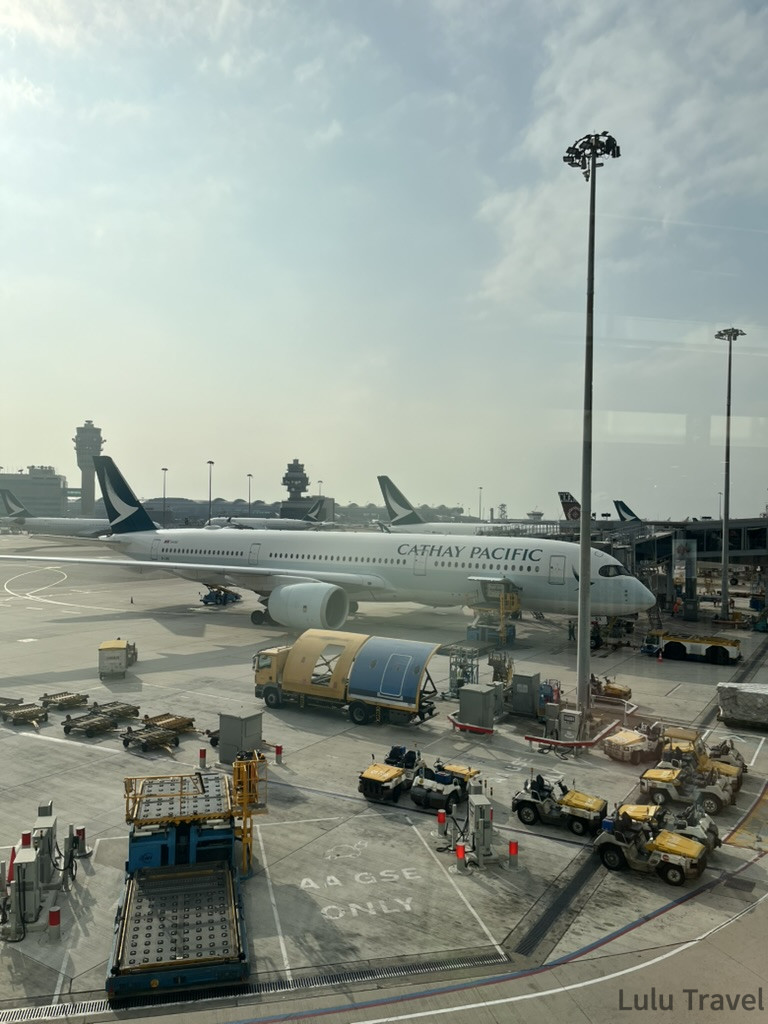
Hong Kong International Airport is one of my most frequent transit points. The two incidents that follow weren’t planned — they were high-stress disruptions that forced me to learn several hard lessons about airport regulations and transit logistics the hard way.
02Detained by Security for an Hour Over a Prohibited Item
This happened during a business trip to the US, transiting through Hong Kong. More on the US trip itself: First Time in the US West Coast — Business Trip That Became a Road Trip.
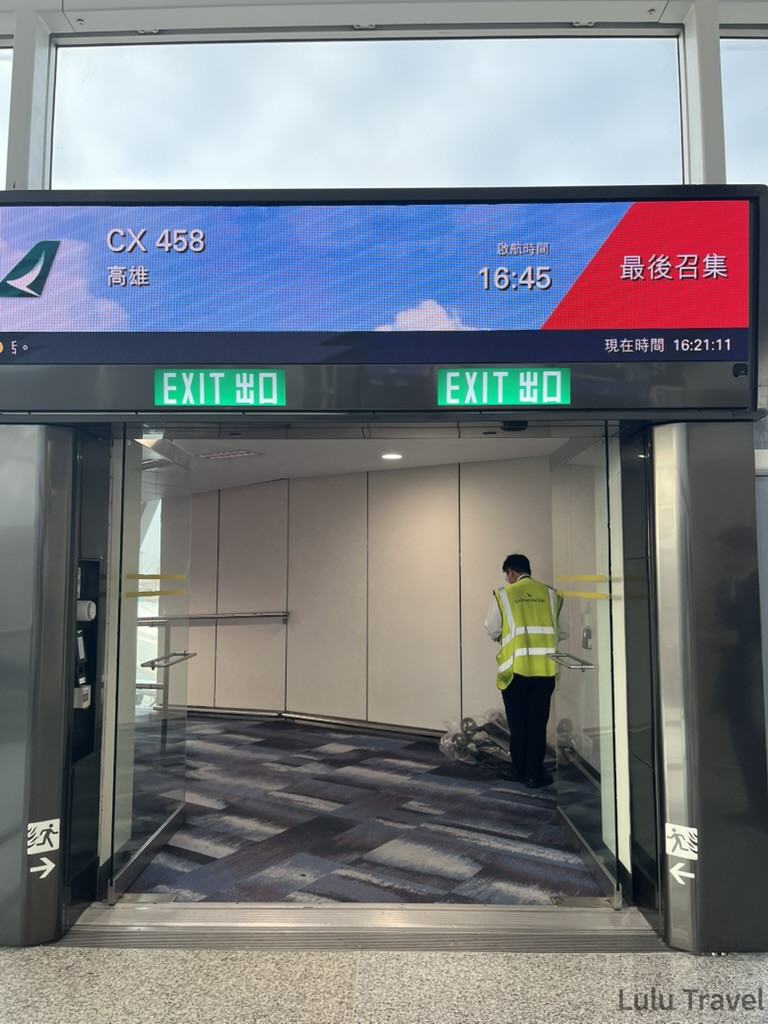
Before leaving, thinking about safety in the US, I casually packed a small pepper spray I normally keep on my keychain. At Taiwan departure nothing happened — no flag, no questions, I just walked onto the plane. Arriving in Hong Kong for the transit, before sending my bag through the security conveyor, I noticed a warning sign listing items prohibited from entry — and pepper spray was on it.
I quickly pulled my bag back and told the security officer I had a pepper spray keychain to remove. Before I finished speaking, the officer had already reached in and taken it off — and I was asked to step aside and sit down, with two officers stationed beside me. In Mandarin they said “wait here,” then began asking detailed questions about where I bought the spray, when, and how much it cost.
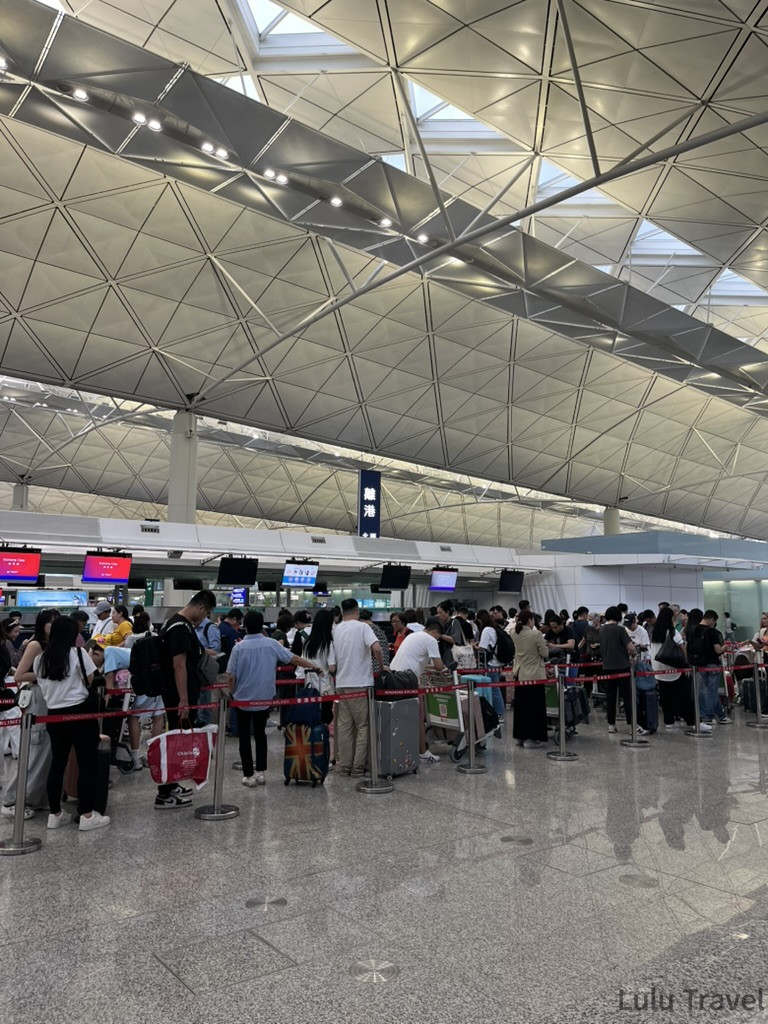
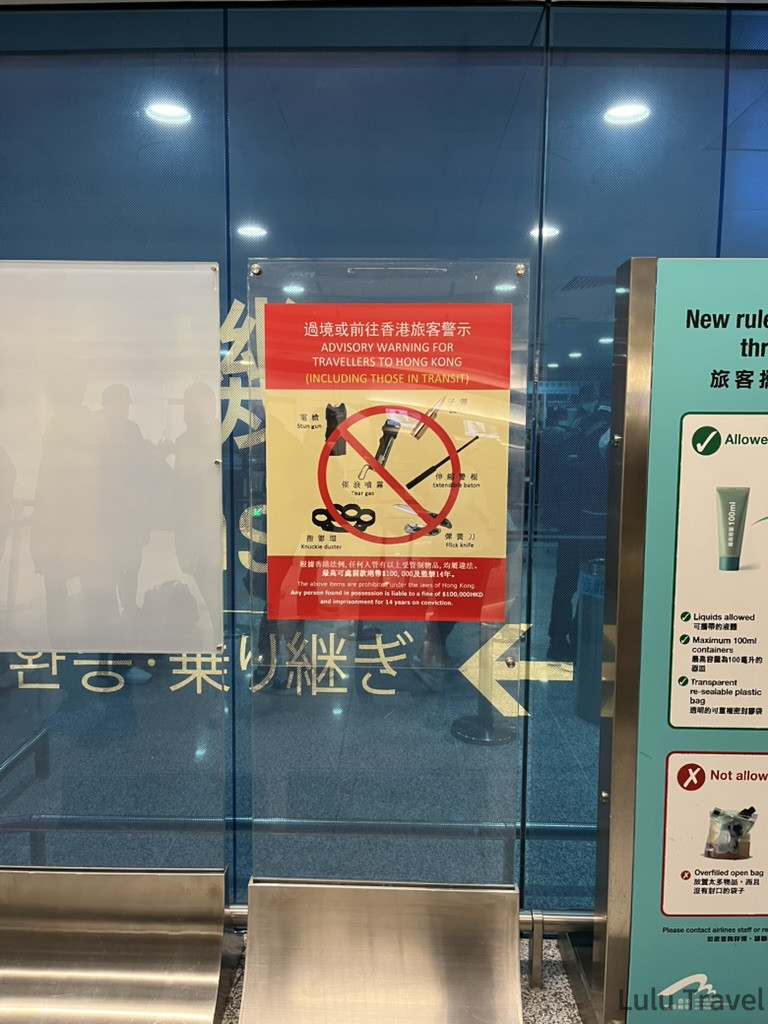
The next hour or so was the period in my life I most wished I understood Cantonese — though I didn’t dare pick up my phone to translate or look up what might happen. Other passengers cleared out gradually; officers from adjacent lanes kept glancing over. The people handling my case cycled through four or five individuals, each taking turns examining the pepper spray — measuring it, photographing it, discussing in Cantonese. I understood nothing, and simply kept my expression calm while mentally calculating which flight I’d take if I missed my connection.
Finally, a fully uniformed aviation police officer brought a form for me to complete and sign, and told me clearly: no fine this time, but if another violation was recorded I’d be barred from entering Hong Kong. The pepper spray was confiscated on the spot. I signed, got my passport back, and walked briskly to the gate.
The lesson I did the homework on afterward: it isn’t just Hong Kong — any spray containing compressed gas or chemical agents (pepper spray, defensive spray) has carry restrictions at most airports, even in carry-on. Taiwan departure not flagging it doesn’t mean other airports won’t. Checking customs rules for both your destination and transit points before leaving became a habit after this.
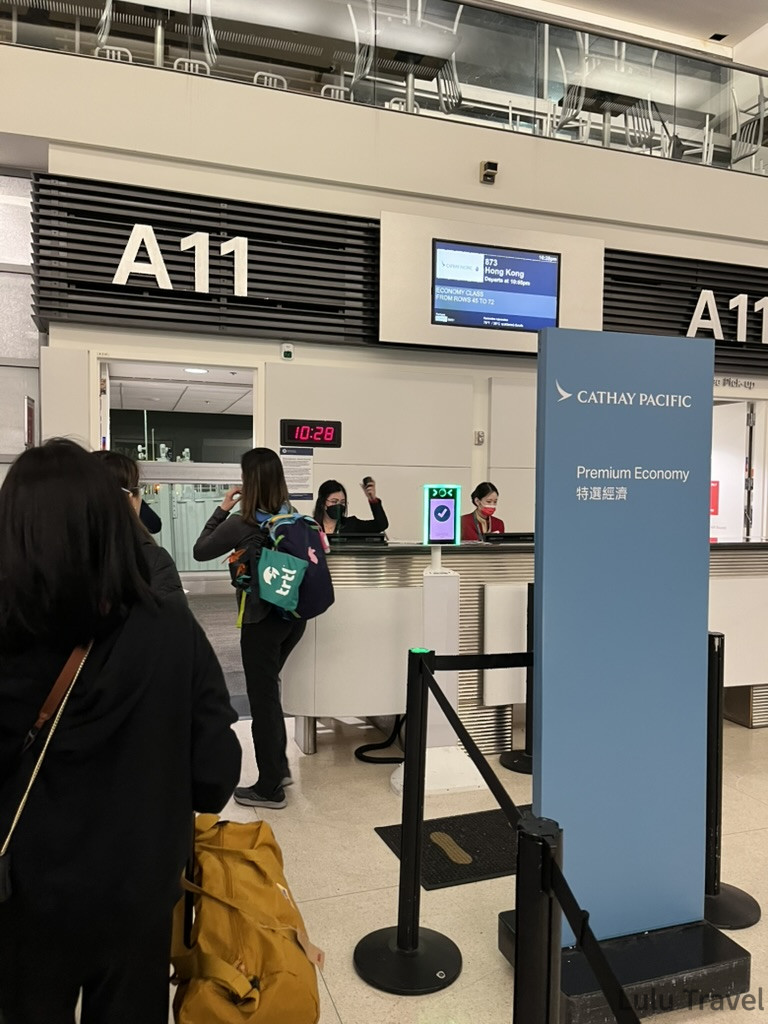
03Missed the Last Flight, Stranded Overnight at Hong Kong Airport
This was a completely different kind of Hong Kong incident. On the return leg of that business trip, the schedule was very tight. By the time I boarded the Airport Express I already sensed we might not make it — but we ran the whole way to the check-in counter on belief alone, and got a negative answer. We checked the airline’s same-day schedule on our phones: the flight we’d been trying for was, unfortunately, the last one of the day. We decided on the spot to switch to the earliest departure the next morning and booked an impossibly expensive room near the airport.
After crossing the entire terminal to drop luggage at the hotel, it was past ten at night. My companion suggested a proper meal to calm our nerves, so we flagged a taxi, held up a map on a phone screen, and half-gestured our way into asking the driver for a nearby restaurant.
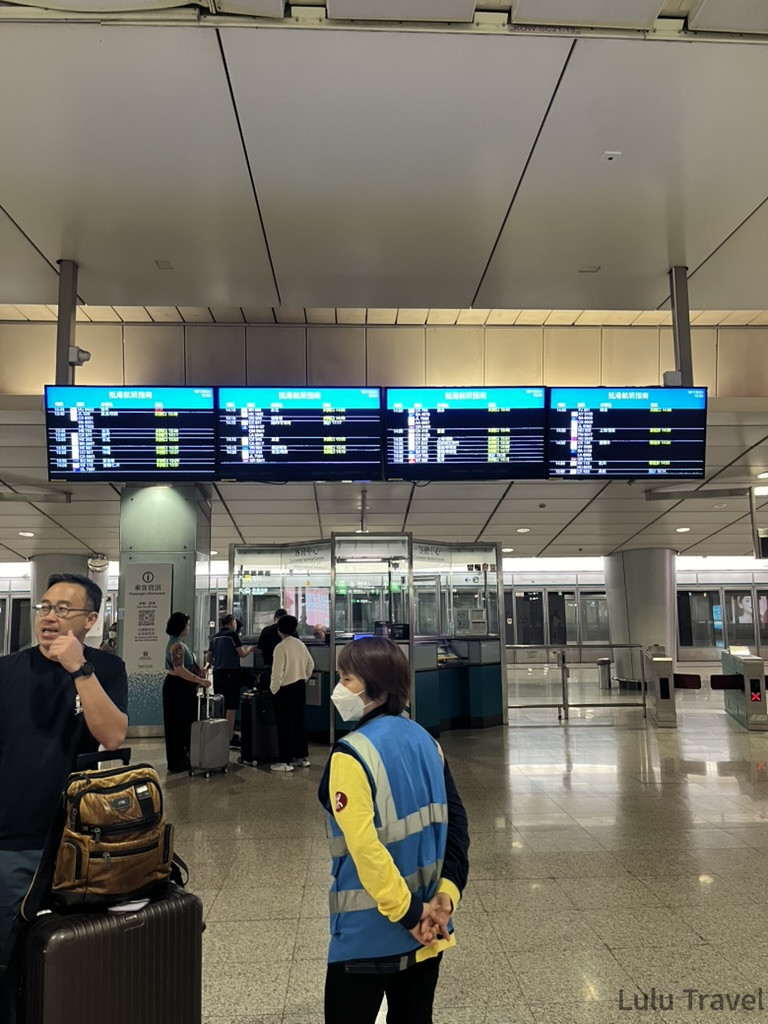
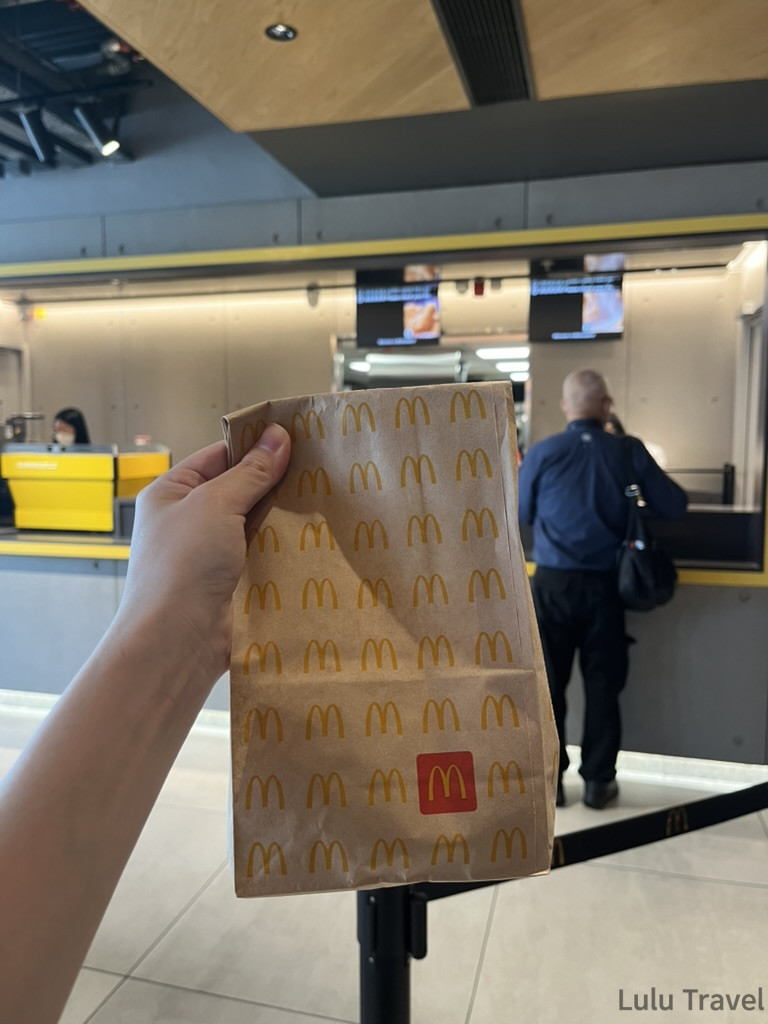
Language was the first barrier. The driver spoke Cantonese only; we spoke Mandarin only — communication success rate about twenty percent. In the end he dropped us near a residential complex and said there were restaurants there. We walked around; there were restaurants, but nearly all took Hong Kong dollars in cash only, and we had only credit cards and Taiwan dollars. Eventually, in a corner of the complex, we found a McDonald’s that accepted Octopus card — so a whole group of us, late at night in an unfamiliar area, ended up eating the McDonald’s we could have gotten inside the airport.
After eating, we tried to call a car back to the hotel and discovered there was simply no pick-up point anywhere in the complex. Calling the driver by phone was useless — we couldn’t understand the pick-up spot they described. We even asked the building’s security guard to help, to no avail. Just as I began to wonder if we’d booked a hotel but would still sleep on the street, I looked around and spotted a bus terminus right across from us. We loaded the whole group onto a bus with Octopus cards and finally made it back to the airport hotel in the early hours, closing out this eventful night.
The lesson that stuck: wherever you are, however close to the end of a trip, keep some local cash in your pocket — even just a little as emergency backup.
04Hong Kong Airport: The Place That Made Me Learn My Lessons
Hong Kong airport, Asia’s core transit hub connecting over 200 destinations worldwide, is a place where even experienced frequent business travelers should be prepared for anything. These two episodes are probably the most memorable of my business-travel experience to date. If you also travel frequently between Taiwan and Hong Kong for work, this post has no itinerary recommendations — but I hope these two stories help you avoid a few pitfalls. For leisure travel in Hong Kong, see: Hong Kong Trip Beyond the Surface: A Strategic 4-Day Itinerary.
FAQFrequently Asked Questions
Can you bring pepper spray on a plane?
Most airports prohibit pepper spray and defensive spray in both carry-on and checked baggage, as they contain compressed gas and chemical agents.
If you miss a flight at Hong Kong airport, can you be rebooked the same day?
It depends on the airline and that day’s schedule — a same-day alternative isn’t guaranteed. Hong Kong–Taiwan frequency is fairly high, but the last service usually departs in the evening; miss it and you’re waiting until the next day. Go straight to the airline’s service desk to confirm the earliest rebooking, and check accommodation near the airport at the same time — the sooner the better, as those hotels can sell out quickly in peak season.
Looking for a restaurant near Hong Kong airport late at night — what to watch out for?
The lesson from this trip: always carry some Hong Kong dollars in cash. Restaurants in residential areas near the airport typically take cash or local payment only — credit cards aren’t always accepted. For late-night rides in unfamiliar areas, the Cantonese barrier is a real problem; using Uber (you can set the destination in English) is easier than phoning a taxi — though even Uber may not reach pickup points inside residential compounds, if you’re as unlucky as we were.
How much connection time is safe for a Hong Kong transit?
The official minimum connection time varies by flight but is typically 45 minutes to an hour — the bare minimum, with no buffer at all. In practice, allow at least two to three hours, especially if you need to enter and re-exit or are carrying large bags. This trip taught me that enough buffer is exactly what gives you the chance to say “thank goodness” afterward.