My habit of taking one long-haul trip a year has quietly rolled into its fourth. After Turkey, the American West, and Central Europe, I’ve finally reached the city that had sat at the top of my list for so long: New York.
What I want to lay out here are the things I most wished I’d known before a New York solo trip: how to book flights more cheaply, the most cost-effective way from the airport into the city, how to choose accommodation, and a full cost breakdown for setting your budget.
01Before You Fly — Flights, ESTA and Insurance
How I booked the flights
I booked the flights through TRIP.COM, flying Delta Airlines outbound — Taipei to Seattle, then connecting to New York JFK. The total fare came to around NT$37,167. One genuinely useful TRIP.COM feature is the option to add airport transfer at the time of booking — cheaper than hailing an Uber on arrival, and especially handy with large luggage or a late-night landing.
What I actually used
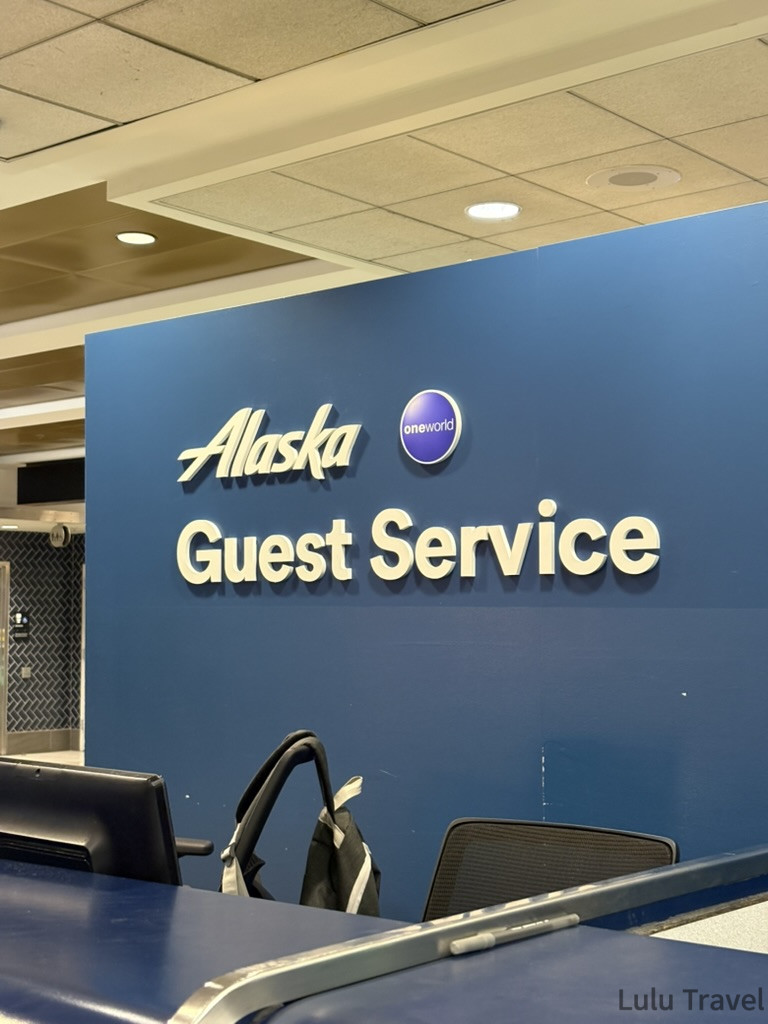
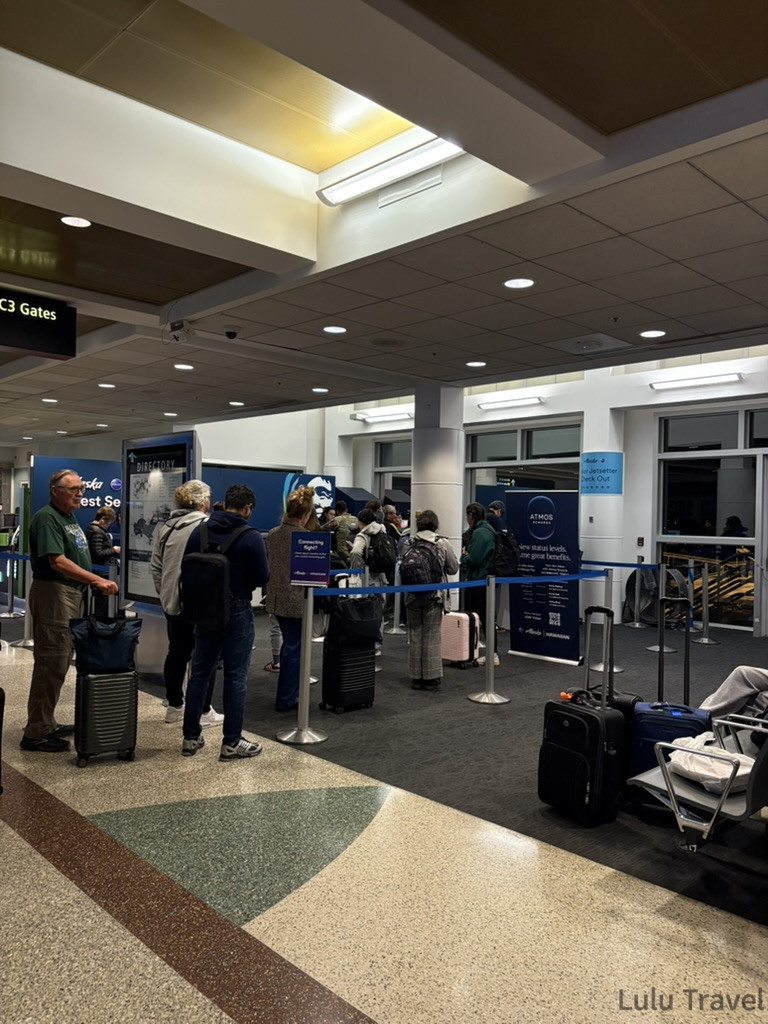
One small note: Delta’s in-flight Wi-Fi wasn’t completely stable and occasionally couldn’t open large files, but it handled messages and light work smoothly enough — a plus for anyone who can’t leave loose ends before departure. For the return I had Alaska Airlines from New York to Seattle connecting to EVA Air home, and ran into a serious flight delay plus a baggage delay on top of it.
My experience with Alaska Airlines this time has put me off booking them again for now; if your return itinerary is set up the same way, I’d suggest checking their delay history and compensation policy first.
ESTA and travel insurance
ESTA is a mandatory step for visa-free travel to the US — without it you can’t board. The fee has since gone up, but I managed to apply before the increase and paid NT$647. Travel insurance cost NT$1,492, and I’d strongly recommend not skipping it — especially somewhere like the US where medical costs are notoriously high, the fallout from being uninsured when something goes wrong is very hard to recover from.
ESTA application requirements and conditions
Required document: an R.O.C. e-passport showing your national ID number.
Validity: ideally your passport should be valid for more than 6 months beyond your planned departure from the US.
Stay rules: tourism, business or transit only, up to 90 days per entry.
Authorisation validity: normally 2 years once approved (or until the passport expires, if sooner).
Luggage delivery from Taiwan
Luggage delivery for this trip cost NT$280, using the Da Zui Niao airport delivery service (see their website for details). I’ve used it several times and it’s perfect for the J-type traveller: pack in advance, have the bags sent straight from home to the airport, and on departure day just show up for check-in — no wrestling big bags onto the MRT.

02Getting from JFK to the City
From JFK to Manhattan
JFK isn’t especially close to central Manhattan. This time I pre-booked airport pickup through TRIP.COM for NT$1,692, with the driver waiting at the exit — a real relief arriving late at night with heavy luggage.
What I actually used
Alternative option
If you’d rather not pre-book pickup, another option is Uber Express — like a shared shuttle, costing roughly half a regular Uber. I took it from the city to the airport on the way back and paid NT$819; great value when you’re not in a hurry.
Getting around the city
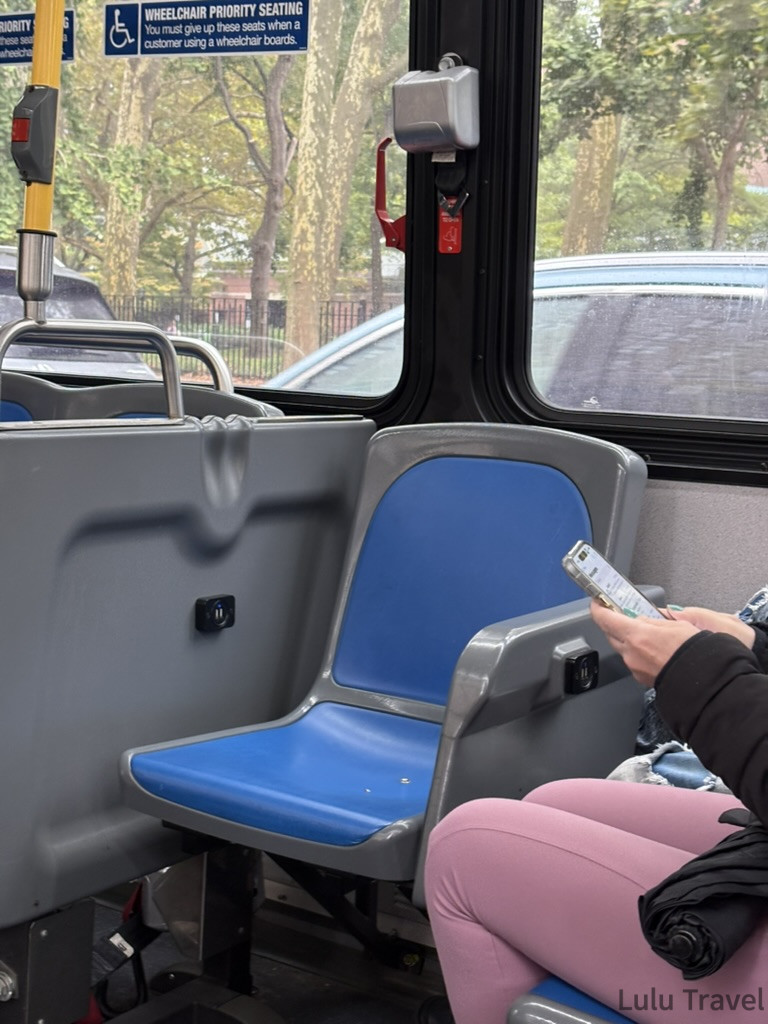
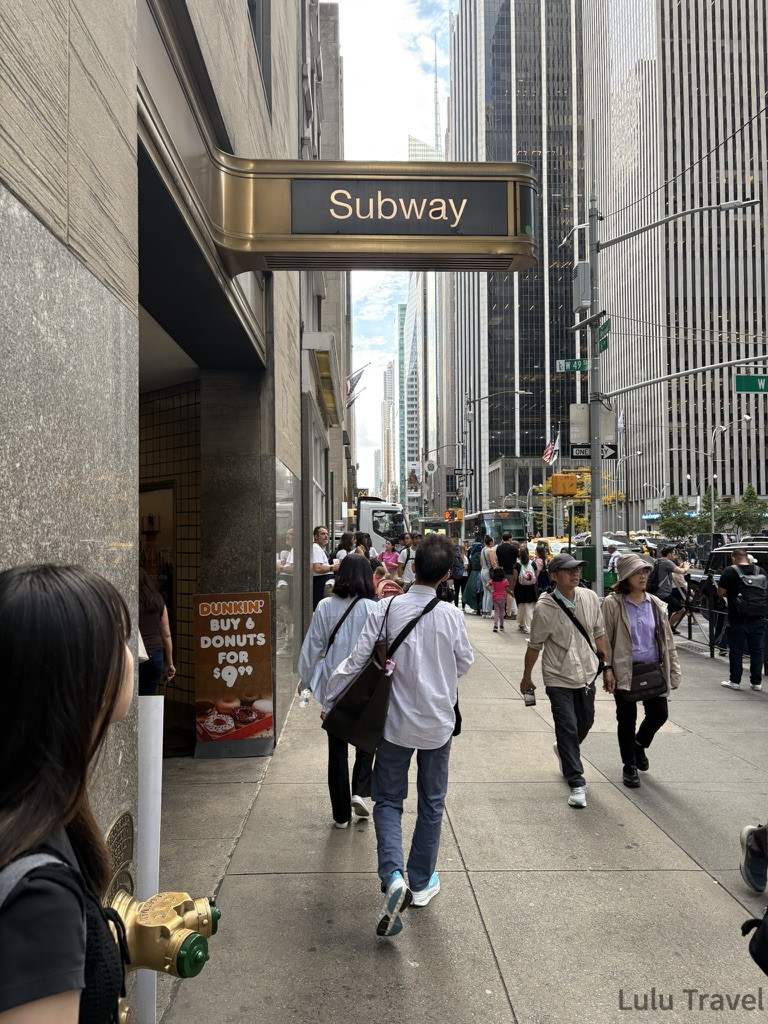
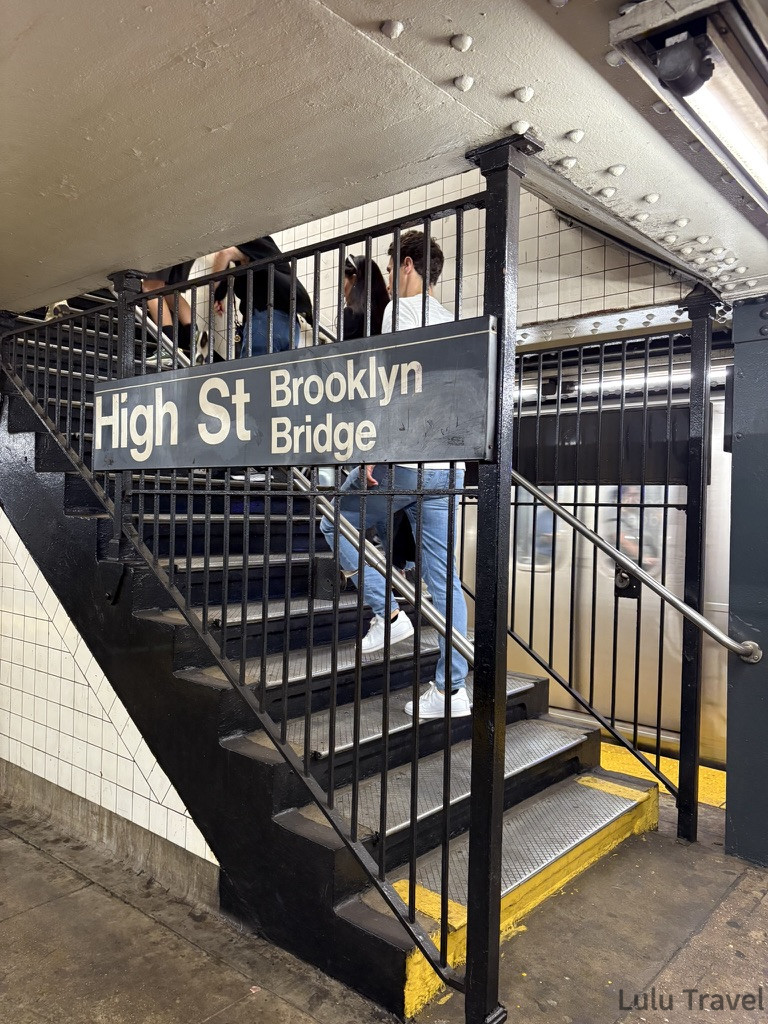
New York’s subway is old, but the route coverage is wide, and most attractions are reachable by subway. Buses are an option too — and New York buses use a pull-cord stop signal, a detail that really stuck with me. Very old-school, in a good way.
New York buses keep the pull cord as a stop signal — mainly for tradition, full-length coverage, and easy reach for window-seat riders. This yellow cord running along the top of the windows, coexisting with modern buttons, has become a classic feature of the MTA’s buses.
03Where I Stayed: Nap York Sleep Station
When planning I assumed October was off-season — it’s actually peak season, and central-Manhattan hotel rates are quite shocking. If you’d rather not spend big on accommodation, looking for a Taiwanese-run guesthouse is worth considering, or going with a hostel as I did.
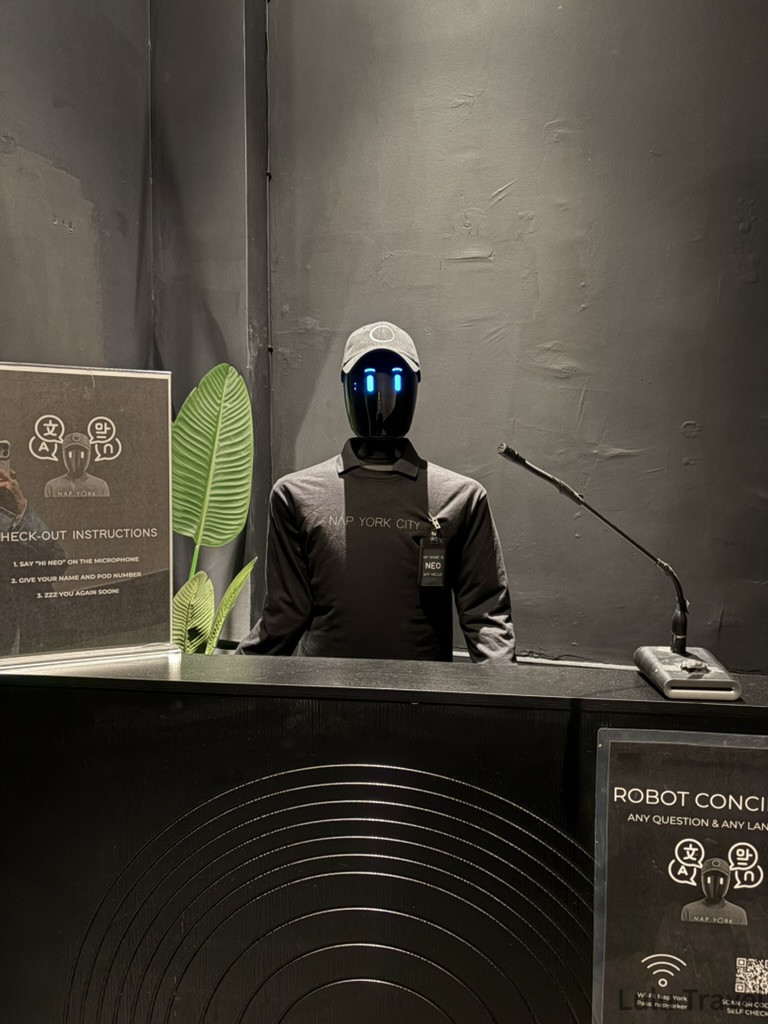
Nap York Central Park Sleep Station
Business Pod · 2 Bed Mixed Dorm
NT$3,594 /night (per bed)
- One-week totalNT$25,159
- Room type2-bed dorm
- LocationCentral Park branch
For price comparison
Two people booking together effectively turns the hostel into a private double in terms of sleep quality — a decent standard, and solid value. A heads-up: I originally booked the LIC branch through their website, then noticed Google Maps listed it as permanently closed. After I emailed to ask, they moved us to the Central Park branch. I’d strongly recommend emailing to reconfirm after booking — otherwise there’s no telling where you’ll end up.
04Six Hostel Incidents — The Complete Heads-Up List
The overall value was decent, but over a week’s stay I did run into several situations that were equal parts frustrating and farcical. Logging them here for reference:
- The air-con remote was locked inside a transparent acrylic box fixed to the wall — you could see it, but couldn’t use it.
- It was supposed to be a private two-person room, yet a stranger walked in to use the bathroom.
- The hair dryer was only usable between 9am and 9pm — worth noting for anyone out late in New York, since it effectively means washing and drying your hair before 9pm each night.
- At check-in the room was somewhere between “cleaned” and “not cleaned”: a piece of clothing left on the floor and someone else’s bath towel in the bathroom, yet fresh towels and new sheets on the beds — a strange hybrid that was genuinely hard to rate.
- The room code was changed mid-stay without notice, locking us out and forcing a trip to the front desk to get the new one.
- One day we came back to find the room door left open — likely by housekeeping — for a whole day. The laptop was locked in the locker so nothing was lost, but it wasn’t a comfortable feeling.
05Full Trip Cost Breakdown
| Flights | 37,167 |
| Accommodation (approx. 1 week) | 25,159 |
| ESTA | 647 |
| Travel insurance | 1,492 |
| SIM card | 456 |
| Luggage delivery (Da Zui Niao) | 280 |
| Uber, Taichung to HSR (outbound) | 584 |
| Uber, Seattle (outbound) | 1,706 |
| Uber, Seattle (return) | 2,364 |
| Boston day trip | 4,582 |
| JFK airport pickup | 1,692 |
| New York Uber Express | 819 |
| Uber, Taichung to HSR (return) | 340 |
| Total | approx. 77,288 |
This total excludes food and shopping — it’s a reference for fixed costs only. For a US East Coast trip, flights and accommodation are the two areas with the most room to compress if you plan ahead.
06A Few Final Thoughts
New York is expensive and fast-paced, but there are plenty of ways to save that travellers departing from Taiwan may not know about — from luggage delivery and airport transfers to Uber Express, there’s a little breathing room at every step. If you’re planning a New York solo trip too, I hope this cost breakdown and accommodation record helps you sidestep a few pitfalls before you go. Read more: More articles on travelling in the US.
FAQFrequently Asked
How much should I budget for a week of solo travel in New York?
Using this trip’s fixed costs as a baseline, flights, accommodation, ESTA, insurance and transport came to around NT$77,000, before food and shopping. New York prices are high — a reasonable daily food budget is NT$1,000 to 2,000, while shopping varies hugely from person to person. If you can book accommodation early, that’s where you have the most room to compress.
Do I have to apply for ESTA to visit the US? Where do I do it?
Taiwan passport holders enter the US visa-free, but must apply for ESTA in advance — without it the airline won’t let you board. It can only be done through the official US ESTA website; the fee has recently gone up, and it’s worth applying at least a week before departure rather than leaving it to the last day. Plenty of third-party agents will do it for an added handling fee, but applying yourself on the official site really isn’t complicated.
Is it safe to stay in a New York hostel? What should I watch out for?
Safety varies a lot between hostels — before booking, read recent reviews carefully, focusing on specific descriptions rather than just the score. Nap York was decent value overall, but there were a few unsettling moments — a stranger entering the room, and the door left open all day — so even in a private space, always lock valuables in the locker and leave nothing on the bed or desk. It’s also worth emailing to reconfirm after booking; this trip I nearly ended up at a branch that had already closed.
What’s the most cost-effective way from JFK to central New York?
It depends. For a late-night arrival, heavy luggage, or a first visit, pre-booking an airport transfer is the least stressful — around NT$1,700. If you’re not rushed and travelling light, Uber Express shared mode is roughly half a regular Uber; I used it from the city to the airport for NT$819. The subway is cheapest in theory, but a late-night arrival with luggage isn’t really practical for first-timers.
Is October peak or off-season in New York? Does it affect accommodation much?
October is peak season, not off-season — a lot of people get this wrong. Seasonal events push New York accommodation demand high, and central hotel rates can be shockingly expensive in peak periods. Book at least two to three months ahead, or consider alternatives like hostels or Taiwanese-run guesthouses — either saves considerably more than a last-minute hotel in the same location.