01How to Turn High-Risk Travel into a Controlled Itinerary
Shanghai is often called the “least Chinese” city in China — plane trees, concession-era streets and cafés that look effortlessly relaxed on social media. But this two-day, one-night trip, squeezed into a gap in a business trip, turned out to be my most disastrous travel experience yet. This isn’t a guide; it’s a manual for people short on time who are easily led astray by Little Red Book. For a trip where Little Red Book planning actually worked out: Accidental Macau Travel: A Spontaneous 2-Day Macau Self-Guided Itinerary
02Why City Walk?
If you also like getting to know a city on foot, these notes from Shanghai might give you something to think about. The business trip had ended, leaving two free days with no real plan — I figured I’d wander and see what happened. The whole itinerary was built from social media: I searched “Shanghai City Walk,” “photogenic neighbourhoods” and “must-see spots,” then set off. That’s where the problems started.
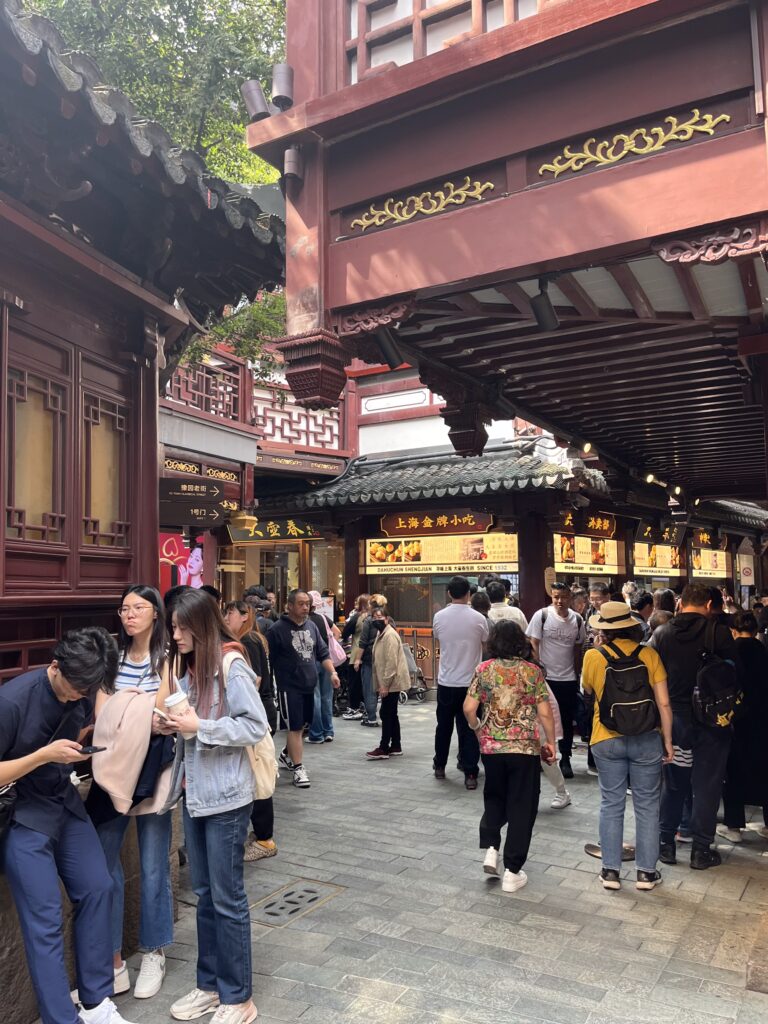
03The Routes I Actually Walked and What They Felt Like
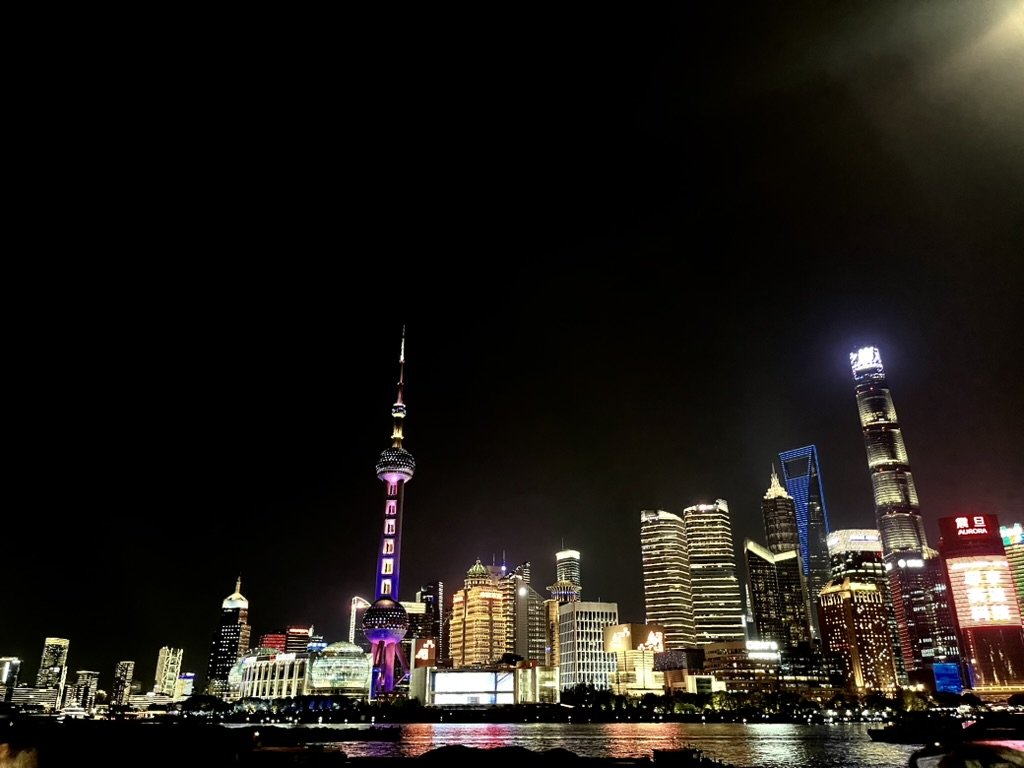
- Nanjing Road Pedestrian Street, The Bund: Dense crowds and a very fast pace — you don’t stay long, it feels more like passing through, a quick photo to prove you were there.
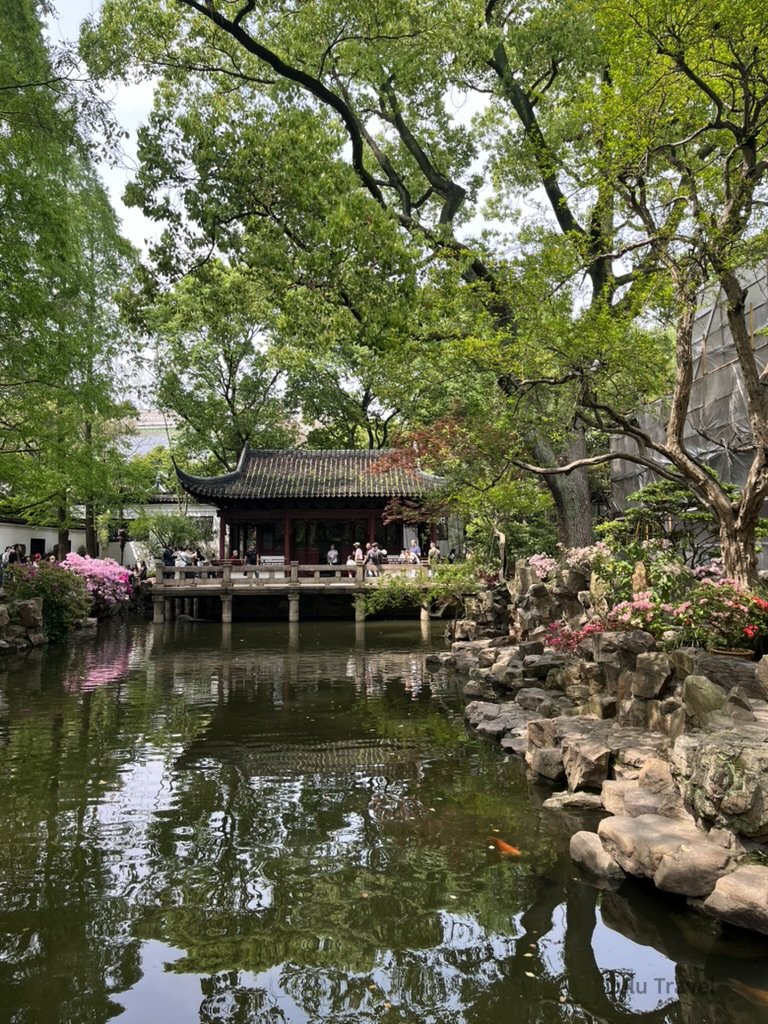
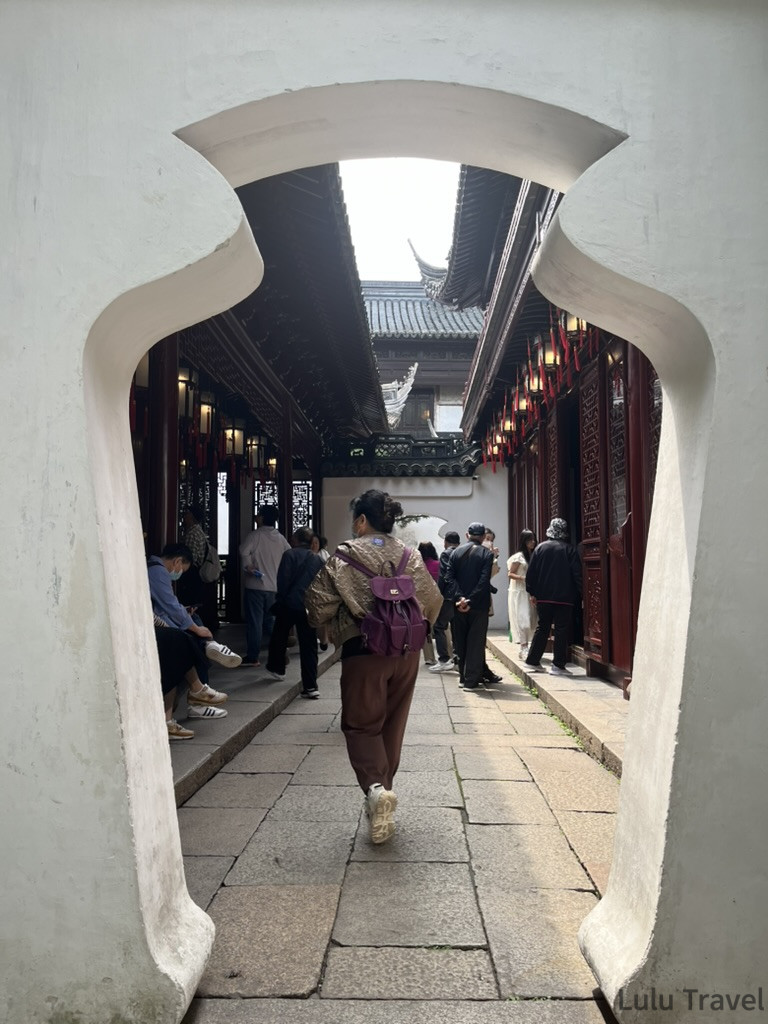
- Yu Garden: A classic Ming-style Jiangnan garden, known for its zigzag bridge, Yuyuan Bazaar and the old City God Temple. Tickets are bought on-site (RMB 30 off-season, RMB 40 peak); when I visited the crowds were huge and the flow chaotic, hard to settle into the design of the space — though with more time you’ll see plenty of people doing traditional hanfu and qipao photoshoots inside.
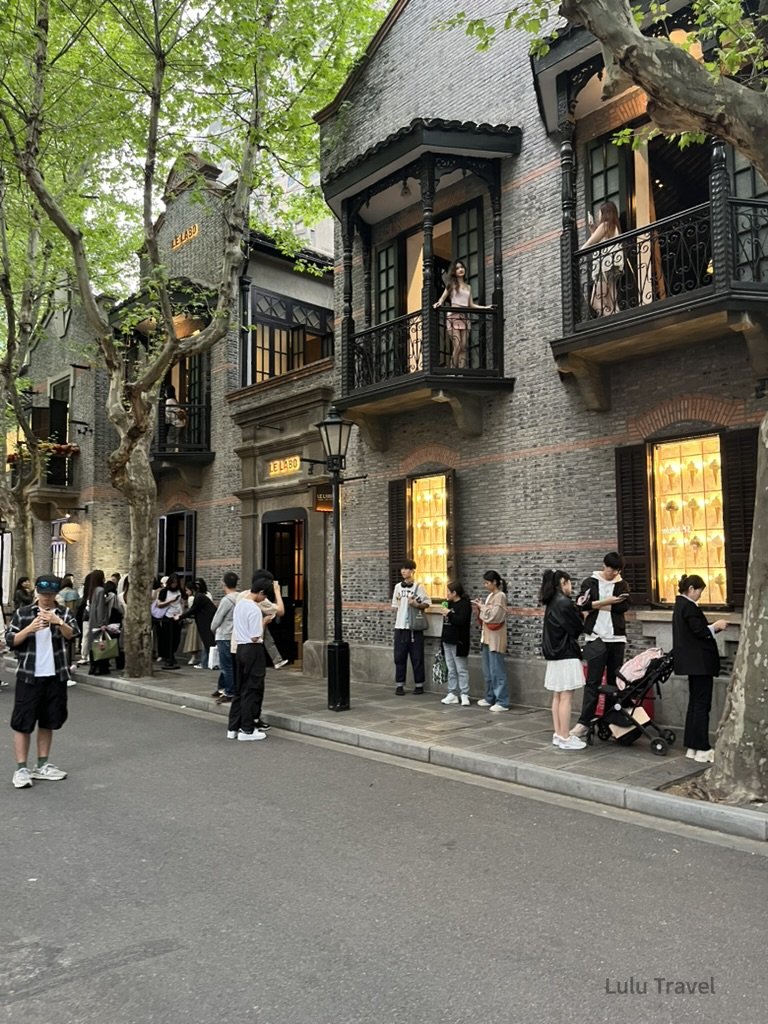
- Sinan Mansions, Xintiandi: Sinan Mansions is the only intact protected cluster of garden villas in central Shanghai, combining historic architecture, boutique retail, luxury hotels and an arts quarter. The block has 51 century-old villas blending British and French styles, free and open for walking.
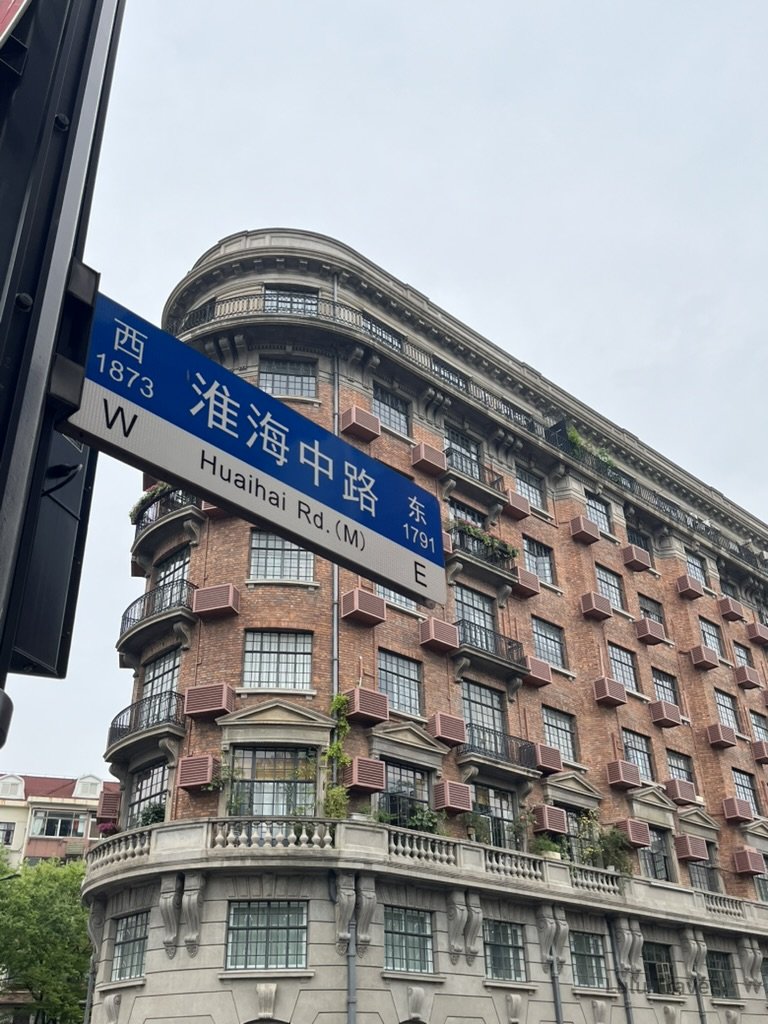
- Yuyuan Road: one of Shanghai’s “roads that will never be widened,” lined with plane trees, preserving many historic villas and characterful longtang lanes, now home to modern cafés and art spaces.
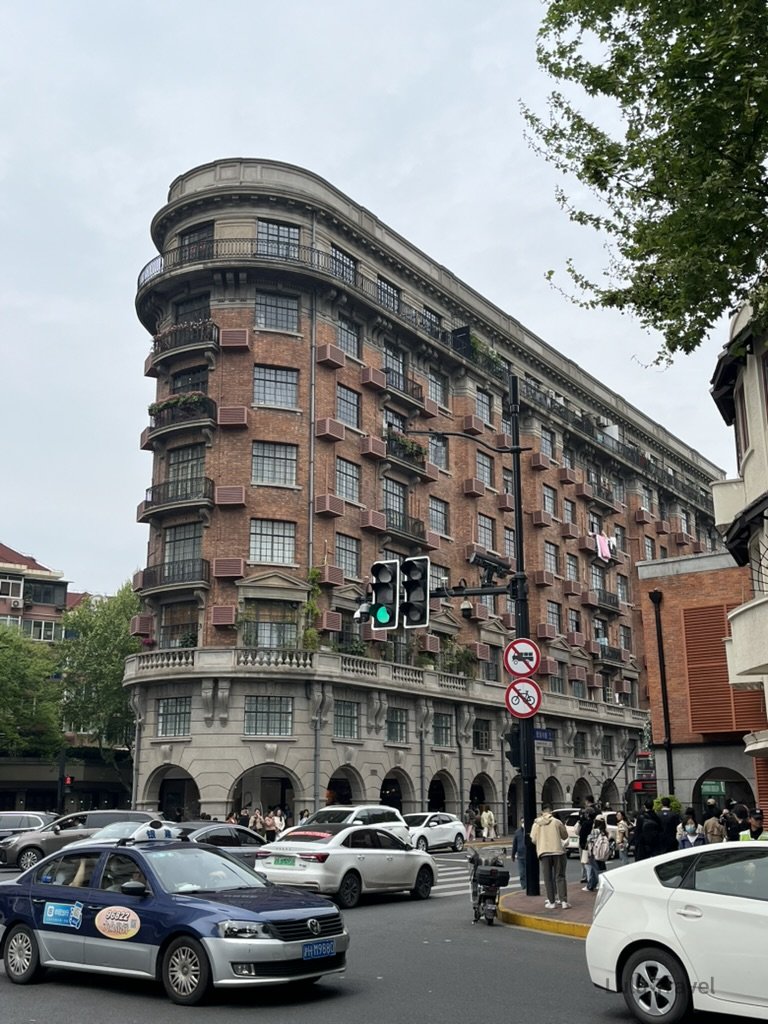
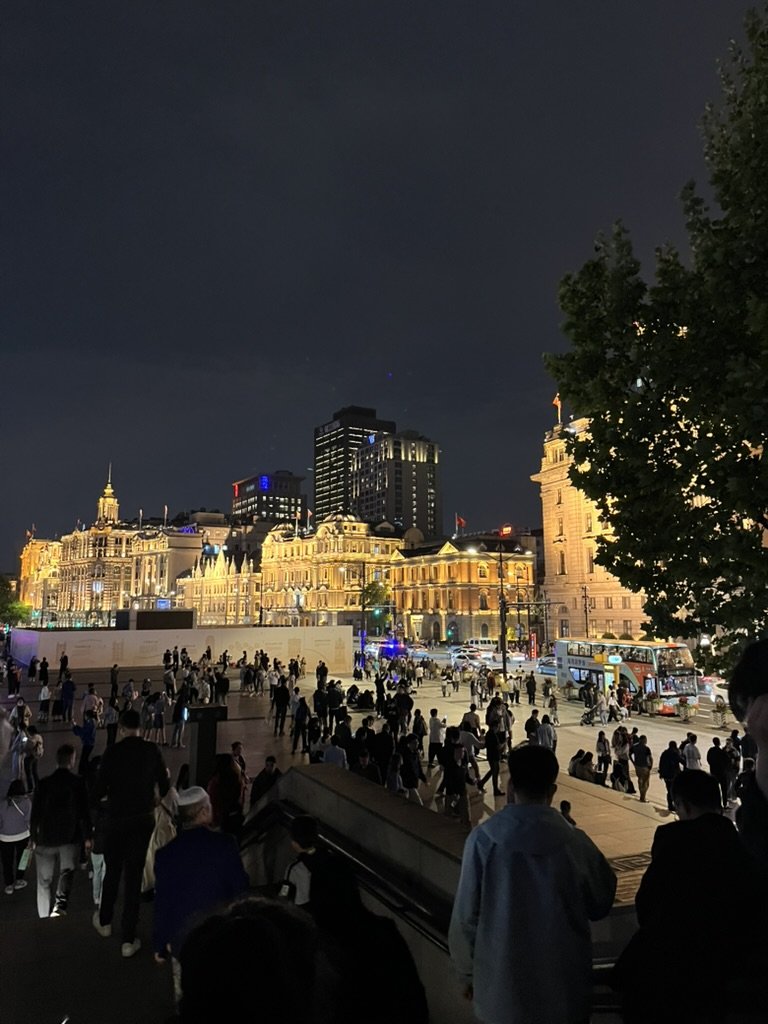
04The Real Problem with City Walk: It Requires Shanghai concession history Knowledge
I realised only after finishing that a Shanghai city walk is not the kind of itinerary where “just walking” is enough. Without knowing the concession history, the neighbourhood context and the story behind the architecture, you’re left with nothing but footsteps and photos — and it all starts to feel repetitive.
Shanghai’s foreign concessions ran for nearly a century — from the establishment of the British Concession in 1845 to the return of rights by Britain, the US and others in 1943 — mainly comprising zones set up by Britain, the US and France. That history reshaped the city’s development, turning it into a modern metropolis of blended cultures.
05Why Did I Feel Like I’d Made a Mistake?
It wasn’t that Shanghai was the problem — I just didn’t design the itinerary well. Too many places with a similar character, too much walking, a high physical toll, and very little to actually hold onto at the end.
06If You’re Also Planning to Go to Shanghai, Here’s What I’d Suggest
With limited time, don’t make city walk your entire plan. Pair it with at least one “purpose-driven” activity — a museum, an exhibition or a theme park. Shanghai Disney, for instance, is many people’s first choice.
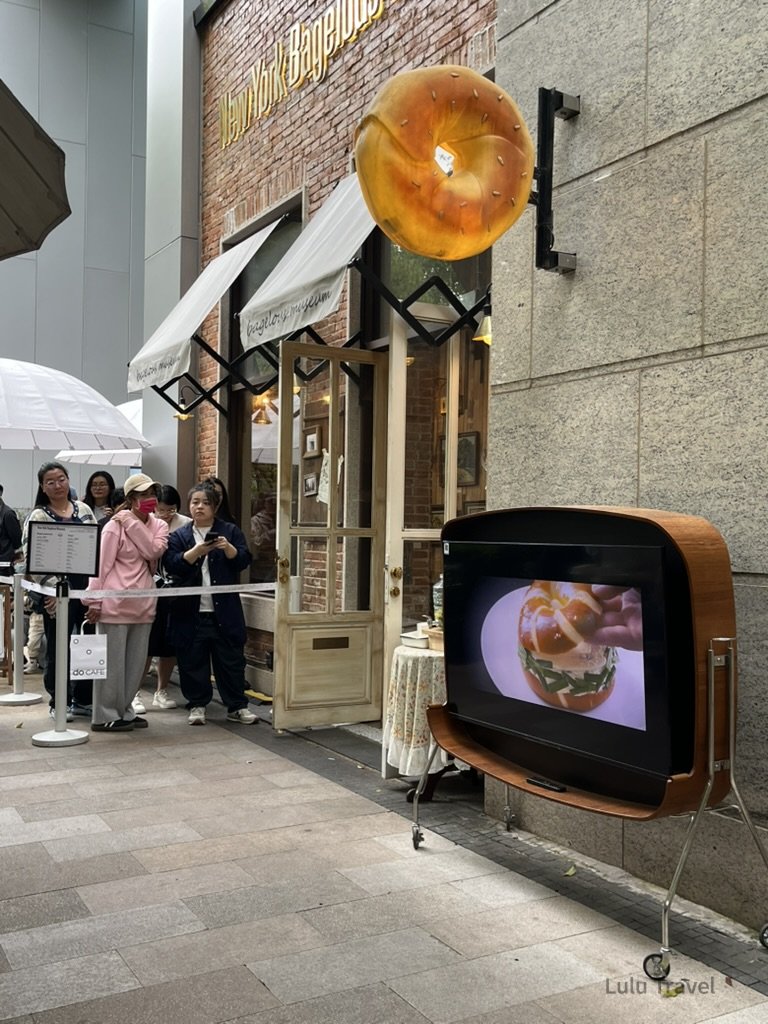
And build “stopping points” into the itinerary — a café, an indoor space. It’s not just for rest; it lets the experience settle. I only realised later that pre-marking a few cafés and restaurants to duck into makes a big difference to the whole day.
07What Kind of Traveller Does Shanghai Actually Suit?
Good for
- A first trip to China
- An interest in urban texture and history
- Being willing to do some preparation
Not so well suited
- Expecting to just wander and have it work
- Looking for a strong sense of novelty
- Being very tight on time
ENDMaking a Mistake Once Is How You Learn to Walk It Better
This trip confirmed one thing for me: a popular way of travelling isn’t necessarily right for every state of mind. If I did it again, I’d use city walk as a supporting element, not the main event. Shanghai itself isn’t the problem — I just used the wrong approach to understand it. And honestly, making a mistake once is how you learn to walk it better next time.
Read more: more articles about China.
FAQFrequently Asked Questions
Is Shanghai City Walk suitable for first-time visitors to Shanghai?
Yes, but not as the main structure of your trip. If you’re visiting for the first time without background on the concession history or neighbourhood context, walking tends to produce only footsteps and photos — nothing that stays with you. Pair it with at least one purpose-driven activity — a museum, Disney, or a specific themed exhibition — and let city walk play a supporting role rather than the lead.
Can you walk Wukang Road, Anfu Road and Yuyuan Road all in one day?
The routes themselves are walkable in a day, but the physical toll is higher than expected. All three streets plus café stops and rest breaks take roughly half a day to a full day. Mark a few sit-down cafés as waypoints beforehand — otherwise it’s just continuous movement and the experience suffers.
What visa do you need to visit Shanghai? Can Taiwanese travel without one?
Currently, entering China requires a Taiwan Compatriot Permit, so allow time and budget for the application. Entry regulations change with policy — check the latest requirements through the Ministry of Foreign Affairs or the National Immigration Agency before your trip.
Do you need Chinese internet access for Shanghai City Walk?
Google Maps doesn’t work in China; navigation and ride-hailing require Baidu Maps or Gaode Maps. If you’d rather not switch SIM cards, download offline maps beforehand or buy an eSIM that supports China, so you can still look up routes and venue information on the ground.
Does Shanghai’s neighbourhood atmosphere feel very different from Taipei?
This was the most unexpected feeling of the whole trip: Sinan Mansions, Xintiandi and Anfu Road felt almost identical in atmosphere to design districts in Taipei or Taichung. If you’re hoping for a strong sense of being somewhere foreign, those particular areas might leave you feeling like you never quite left Taiwan. The real historical depth only comes through once you understand the concession background.
How does knowing Shanghai’s concession history change the experience of walking those streets?
From the late 19th to mid-20th century, Britain, France and others established concession zones in Shanghai, introducing European architectural forms, street planning and living culture. The plane trees, Western-style facades and street proportions of Wukang Road, Anfu Road and Sinan Mansions today are all traces of that period. Once you know that, walking those streets shifts from “this feels very modern” to “this is what Europe left behind in Shanghai” — and the weight of those two understandings is entirely different.