01Turning High-Risk Variables into Managed Plans
Traveling with elderly family isn’t something you can just wing — when you’re responsible for others, a single slip can set off a chain reaction.
Before I started planning this trip, I was clear on one thing: the more a trip relies on improvising, the more stress it creates on the ground. So I handled as much as possible back in Taiwan. It’s not that I love doing homework — I just know that being prepared is what lets everyone, me included, actually relax once we arrive.

02Why Traveling with Elderly Parents Needs a Different Planning Logic
With friends, a flexible itinerary is a plus; with elderly parents, stability is what gives everyone a sense of safety. The questions aren’t whether something is fun — they’re whether the transit is too long, whether there are lots of stairs, whether the luggage moves smoothly with you, and what to do if a connection is delayed. Leave all that to the ground and the pressure lands entirely on you.

03My Approach: Break the Trip into Segments and Confirm Each One
Before booking anything, I split the whole journey into a few key checkpoints:
- Long-distance legs (flights, cross-border trains)
- City-level transfers
- Accommodation locations and luggage flow
- Daily activity density
For each leg, I worked out in advance what the next step would be if something went wrong.
That’s why I chose transport with fewer transfers and generous time buffers. The Taiwan–Vienna and Budapest–Berlin flights were all booked through trip.com — when you’re handling several long-haul legs at once, keeping everything on one platform is much easier to manage.
New-customer offer
Grab a flight promo code — up to NT$450 off your first order
Code: TRIPFLIGHT26TW
https://afflink.one/s/KEVYL

Location took priority over views when choosing accommodation — easier whether you’re with elderly parents or hauling luggage. I again used trip.com to book the a&o Salzburg Hauptbahnhof near the central station and K&S Apartments in Berlin.
And anything that could be done in advance, I didn’t leave to the last minute. City cards and cruises I pre-booked or researched in Taiwan, so on the ground we just turned up on time — no queueing, no language barriers.
The benefit: when something does go wrong, you don’t have to rethink the whole plan on the spot.

04Our 12-Day Europe Itinerary
Day 1–2|Taiwan → Vienna: Departed Taoyuan on EVA Air, arrived in Vienna in the early morning, then connected by train the same day to Salzburg.
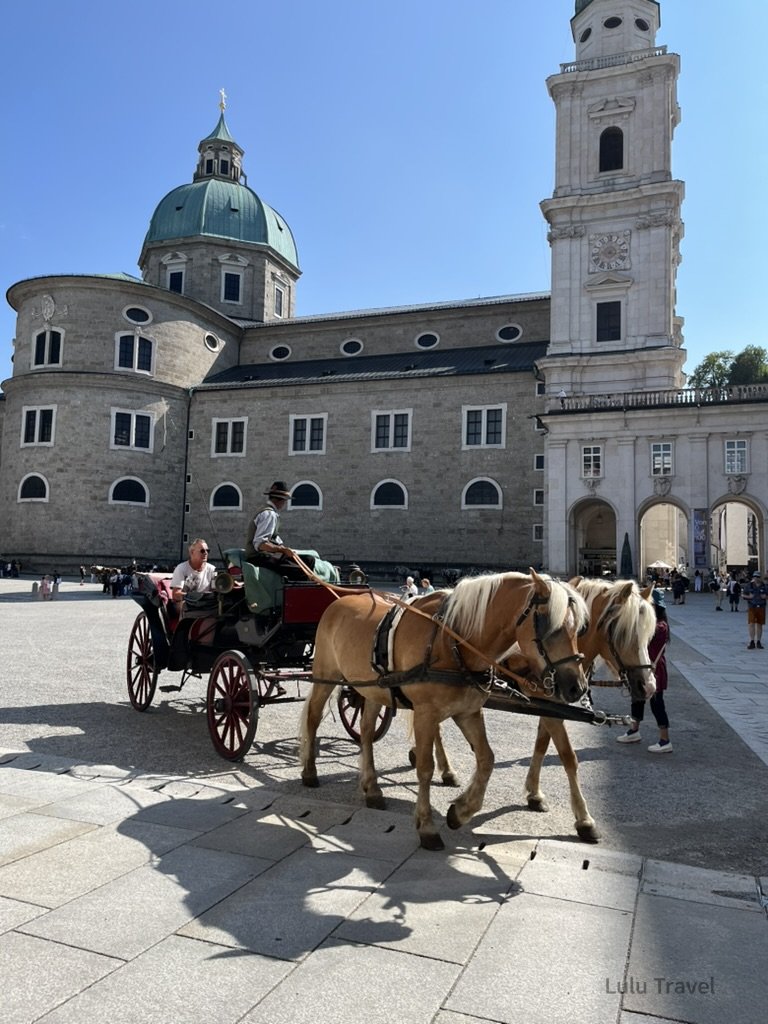
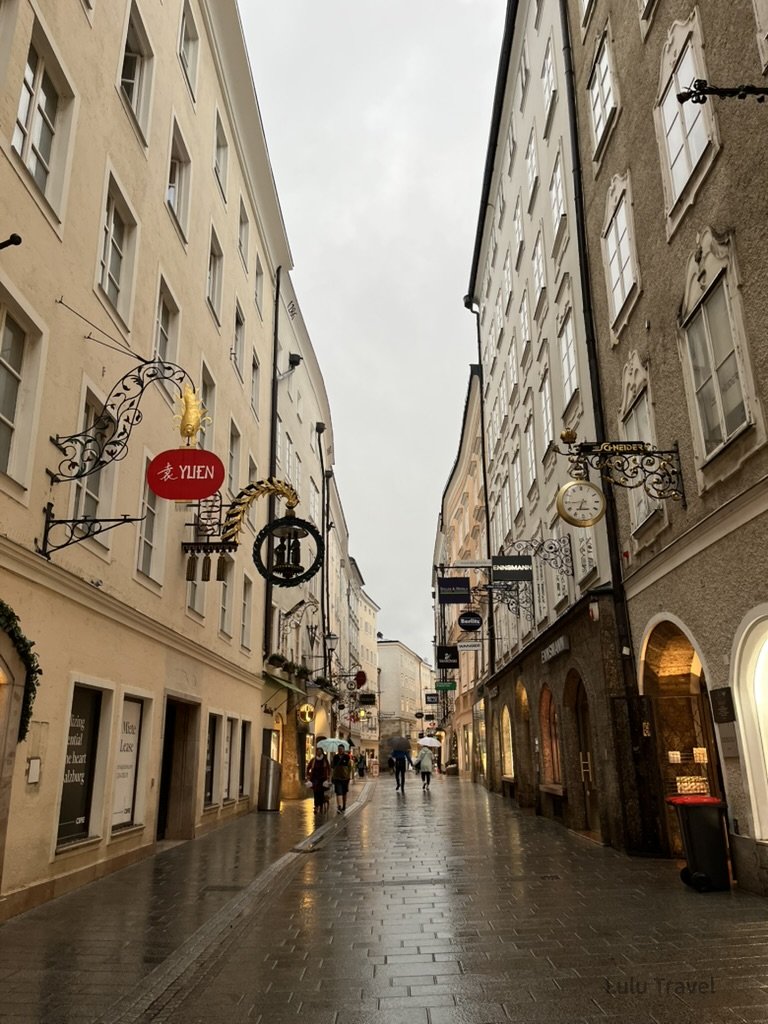
Day 2–4|Salzburg: Stayed near the station, used a 48-hour transport pass, with city activities and a half-day trip to Hallstatt.
Day 5|Salzburg → Budapest: A long-distance cross-border train, arriving in Budapest in the afternoon, into a city-centre apartment.
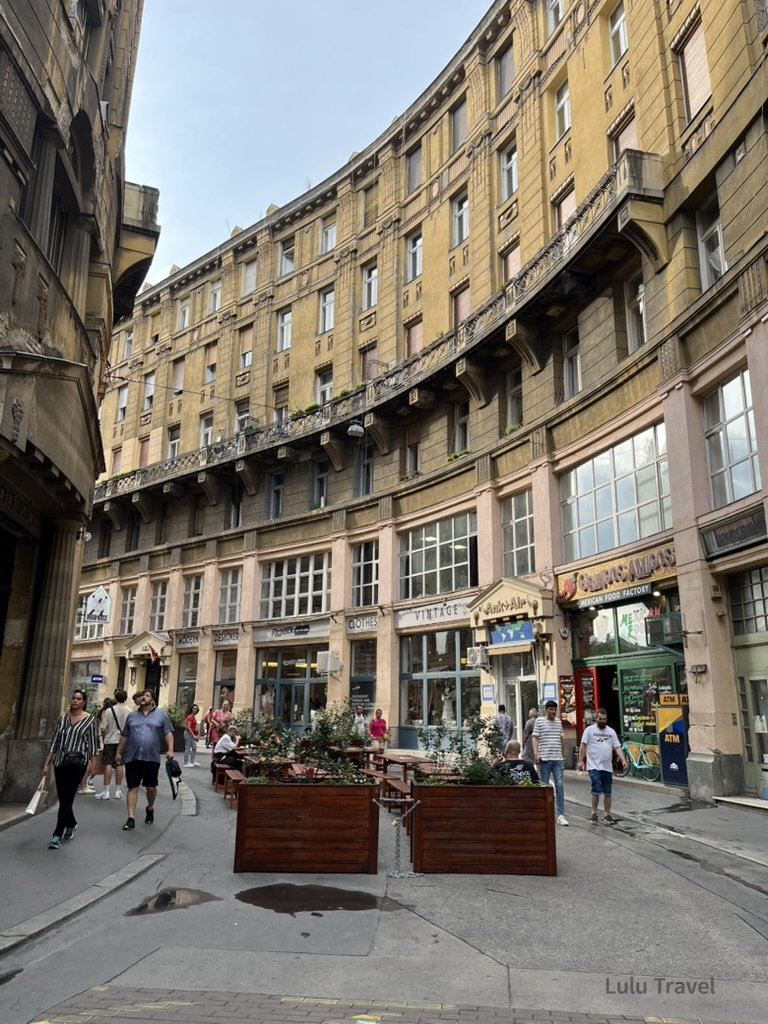
Day 6–7|Budapest: City-focused days, with a thermal bath and a Danube night cruise.
Day 8|Budapest → Berlin: An early-morning flight to Berlin, then Deutsche Bahn and city transit to the apartment.
Day 9|Berlin: A city and rest day for my parents, while I went to IFA Berlin, the international consumer-electronics show.
Day 10|Berlin → Frankfurt: The ICE high-speed train to Frankfurt, into a hotel near the airport.
Day 11–12|Frankfurt → Taiwan: A midday flight home, arriving at Taoyuan the next morning.
A side note: to save money, I booked the final airport hotel through KLOOK — but at the front desk they said they had no record of our reservation, and we nearly ended up stranded on the last night. Thankfully the hotel gave us a room anyway and I took it up with KLOOK back in Taiwan. Since then I don’t dare book hotels on KLOOK, especially with elderly parents in tow.

05What the Preparation Actually Helped With on the Ground
There were still delays and last-minute changes, and stamina wasn’t always reliable — but because the critical pieces were locked in beforehand, any hiccup was just a minor tweak, never a full rebuild. My parents didn’t carry itinerary stress, and I didn’t have to look things up while managing emotions at the same time. A trip goes smoothly not because nothing goes wrong, but because when it does, there’s still room to respond.
06The Most Important Thing Isn’t the Sights
After this trip I’m more certain of one thing: with elderly parents, what matters most isn’t how impressive the itinerary is — it’s whether everyone gets through each day without breaking down. Getting back to the hotel on time, sitting down for a proper meal, not always rushing — they sound basic, but on a long trip they’re the heart of it.

ENDAn Honest Record from a Chronic Over-Planner
This isn’t a “perfect Europe itinerary” — it’s an honest record from someone who habitually sorts everything out in advance, taking their parents abroad. If you’re planning something similar, or if “what if something goes wrong” weighs on you, I hope this gives you something to work from.
Read more: more Europe travel articles.
FAQFrequently Asked Questions
Is a 12-day Europe trip with elderly parents too tiring?
This 12-day trip covered three cities — Salzburg, Budapest and Berlin — spending 2 to 3 days in each, a pace slower than most group tours. In practice, the most taxing moments for my parents were the cross-city travel days; I’d suggest keeping arrival days activity-free and giving half a day to settle in.
Any special considerations for accommodation when traveling independently with elderly parents?
I’d prioritise proximity to the station or city centre — luggage doesn’t have far to go and transit is more straightforward. Great-view but out-of-the-way hotels usually aren’t worth it with elderly parents, unless you have the budget for taxis or a private vehicle. Also confirm elevator availability and which floor your room is on — worth emailing about before booking.
For cross-border travel in Europe, is train or plane better for elderly travelers?
It depends on the distance. Trains are great because you skip the airport and security and go city centre to city centre — but if the journey is over five hours, I’d consider flying. The main rule: avoid long distances, overnight trains, and more than one transfer.
What travel-insurance items should I watch when bringing elderly parents abroad?
Beyond standard flight-delay and lost-luggage cover, whether I travel solo or with parents I always check whether the policy includes “statutory infectious diseases.” Medical costs in Europe are very high, and this is the item most often discovered missing only after a claim is filed.
Can someone with no knowledge of European transport copy this itinerary exactly?
The planning logic can be borrowed, but specific train schedules and prices change fast, so I wouldn’t copy it directly. Treat it as a “planning mindset”: first confirm the duration and transfer count of each leg, then adjust to current prices. European train tickets work differently from Taiwan — the earlier you book, the cheaper — so planning ahead is the most effective way to control your budget.