01The Beauty of the Unplanned: When Booking Errors Lead to the Best Trips
The starting point for this Macau trip was a booking error — an accidental 24-hour extension to my schedule. I rationalised it easily: “It’s Macau, everyone speaks Chinese, I won’t get lost even without a plan.” And with that logic I stepped into an unplanned Macau adventure.
This isn’t a comprehensive guide; it’s a record of a spontaneous 2-day, 1-night trip. By finding spots in real time on Xiaohongshu, taking taxis over buses to save time, and using the free hotel shuttle network, I ended up having a far more fulfilling time than expected. If you’re a first-time visitor who doesn’t want to spend hours researching, the logic here may be more useful than a rigid guide. For a structured, “J-type” version, see my other Macau trip: 10+ Must-Eat Stalls in Macau: A No-Backtrack Food Route for 2 Days 1 Night.
02Getting from Shenzhen to Macau
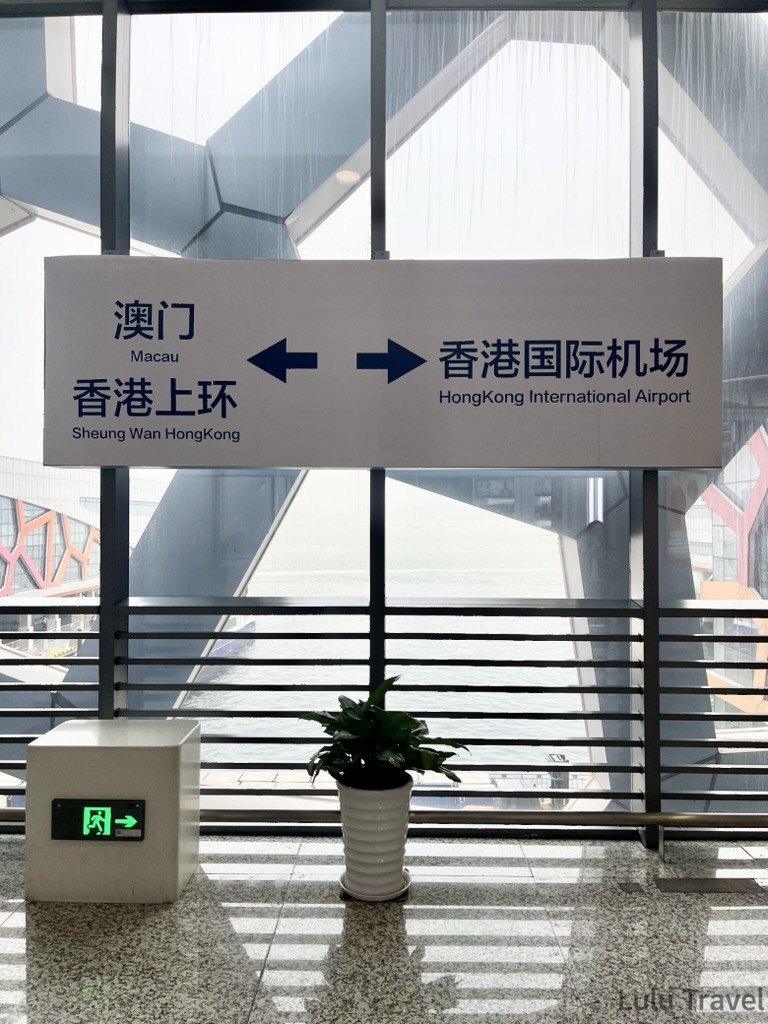
This trip started right after a work assignment in Shenzhen. At Shenzhen Bay Port you’ll see signs pointing simultaneously toward “Macau / Hong Kong Sheung Wan” and “Hong Kong International Airport” — taking the ferry toward Macau is a route many travellers coming from the Pearl River Delta already know.
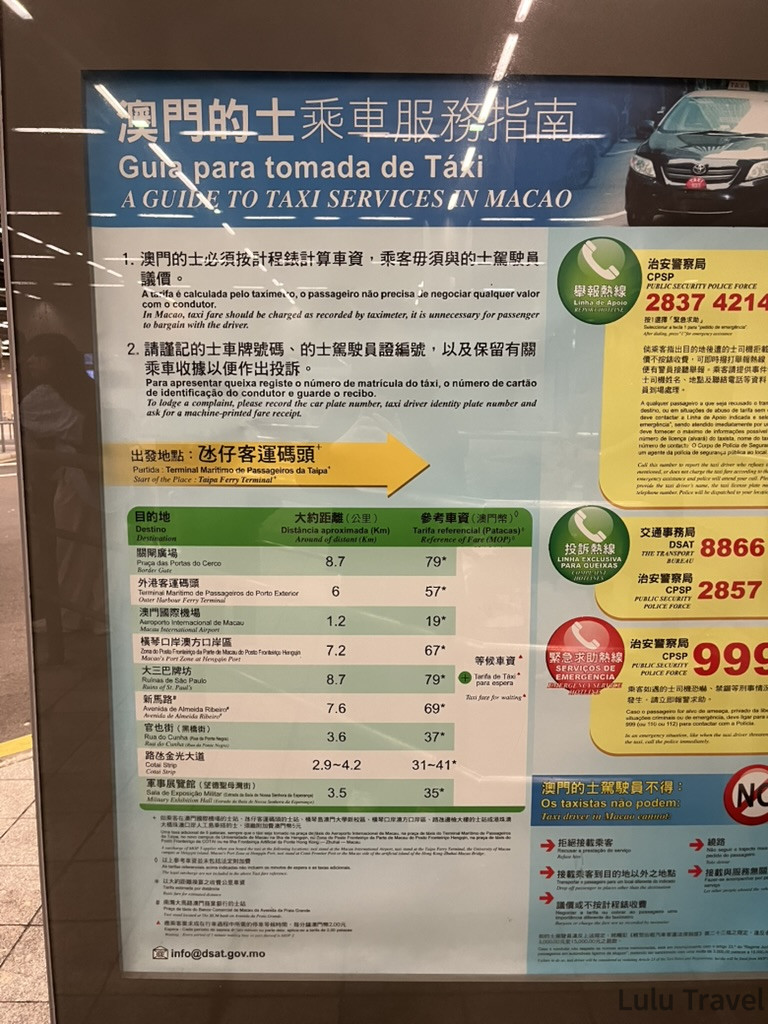
After arriving in Macau, the first thing I did was find a taxi-fare reference chart in the arrivals hall. It clearly listed distances and estimated fares from the Taipa Ferry Terminal to major destinations, which gave me a rough sense of how taxi pricing works here.
Uber returned to Macau in 2026 after a 9-year absence, launching a “metered taxi” option — once you arrive, you can book licensed local taxis directly through the Uber app.
03Day 1|Portuguese Food and the Ruins of St. Paul’s at Night
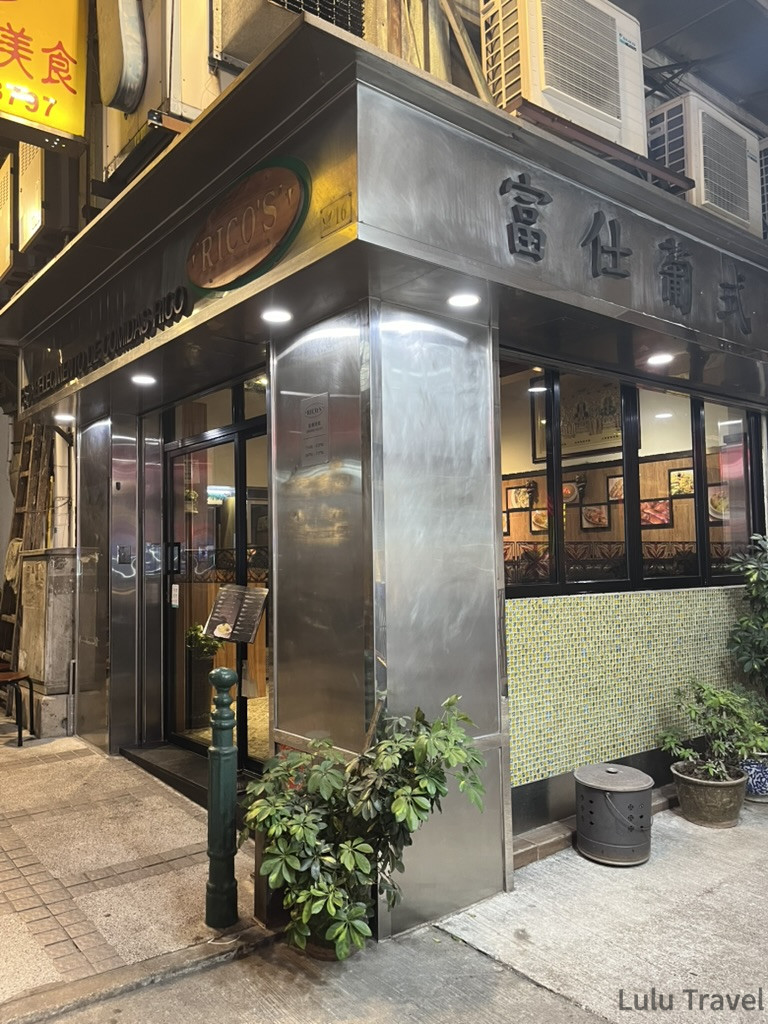
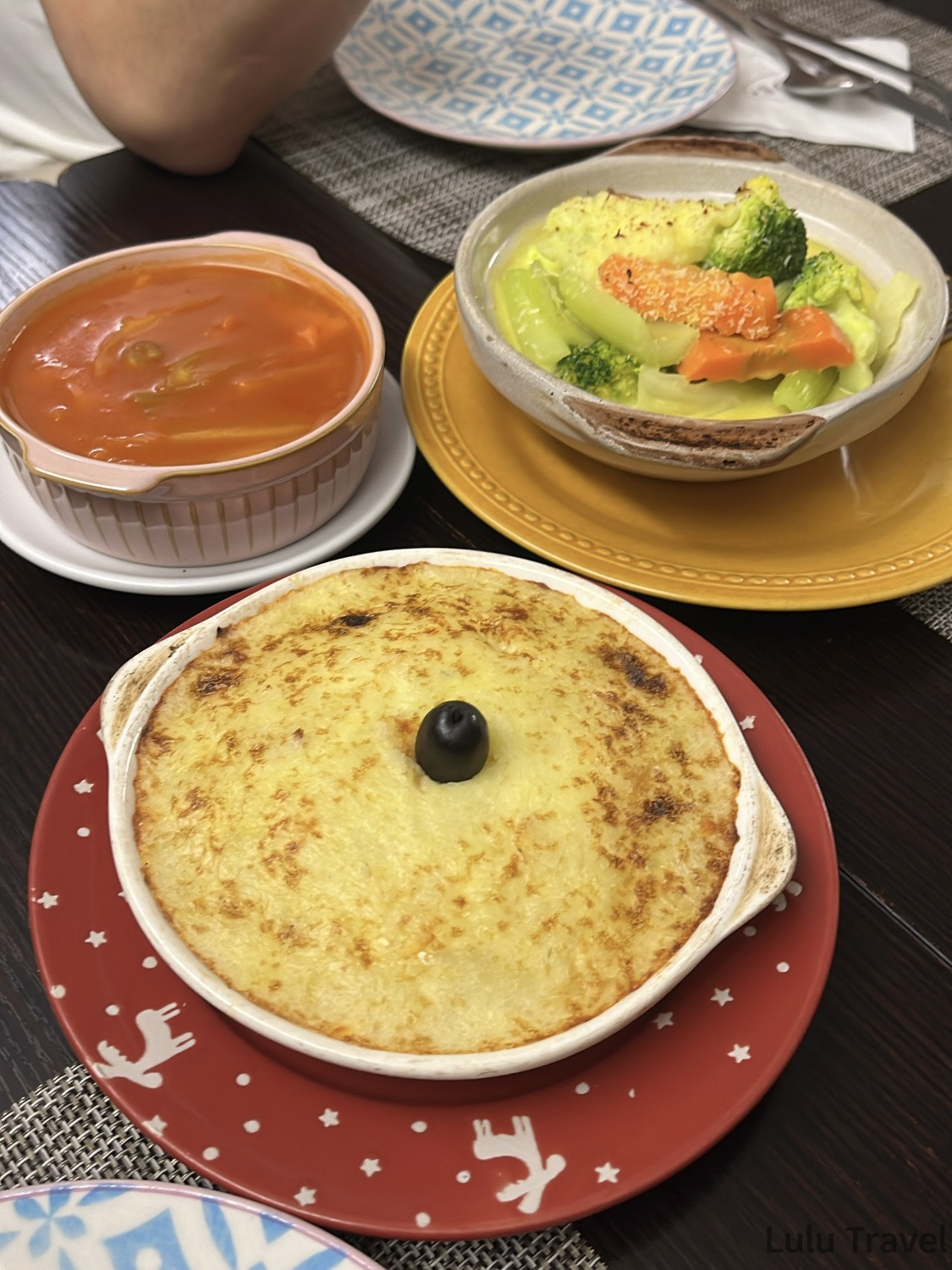
That first evening I checked into the Holiday Inn Express Macau New Port on the Peninsula side, so the next morning I could walk straight into the itinerary. For dinner I chose Rico’s, a Portuguese restaurant near the Ruins of St. Paul’s; since I hadn’t booked, I wandered the area a while before getting a table. I ordered baked mashed potato, tomato soup and vegetables — hearty and lighter than expected. Macanese Portuguese food is quite different from Western food in Taiwan: heavy on olive oil and seafood, not particularly salty, and on the pricier side.
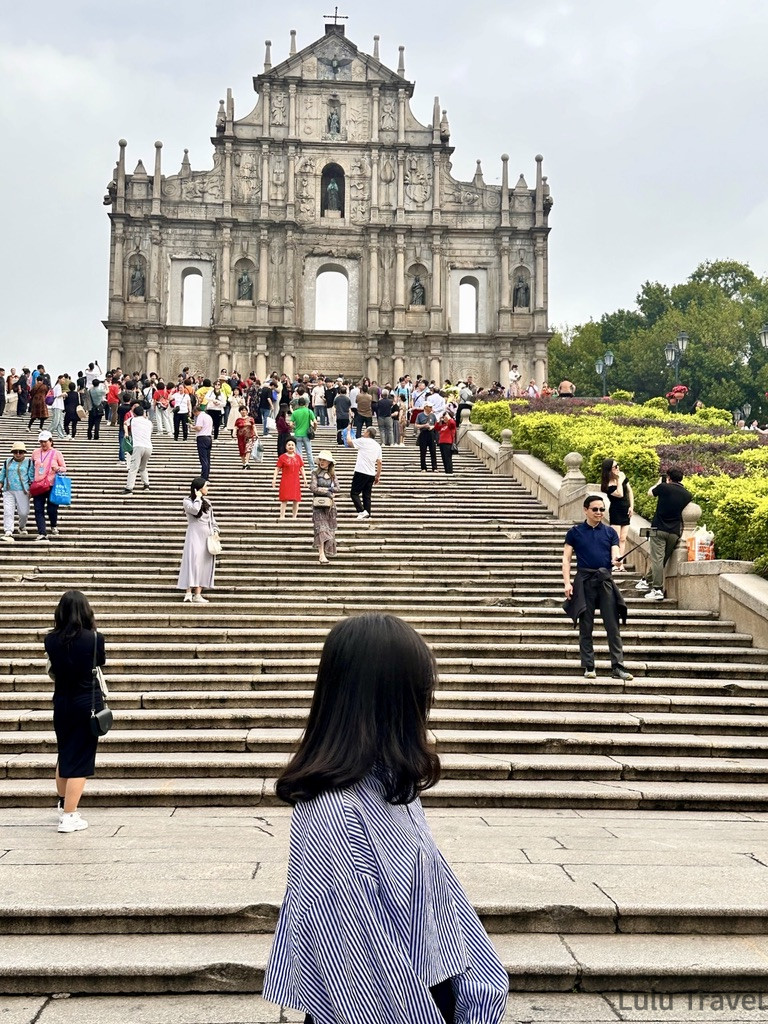
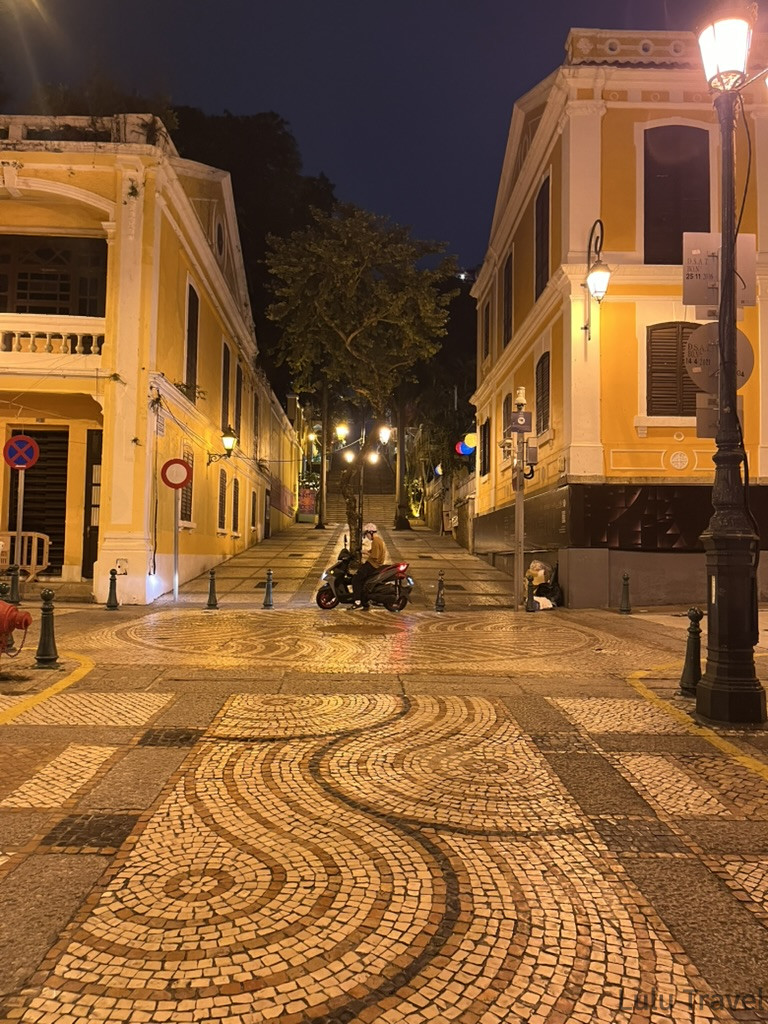
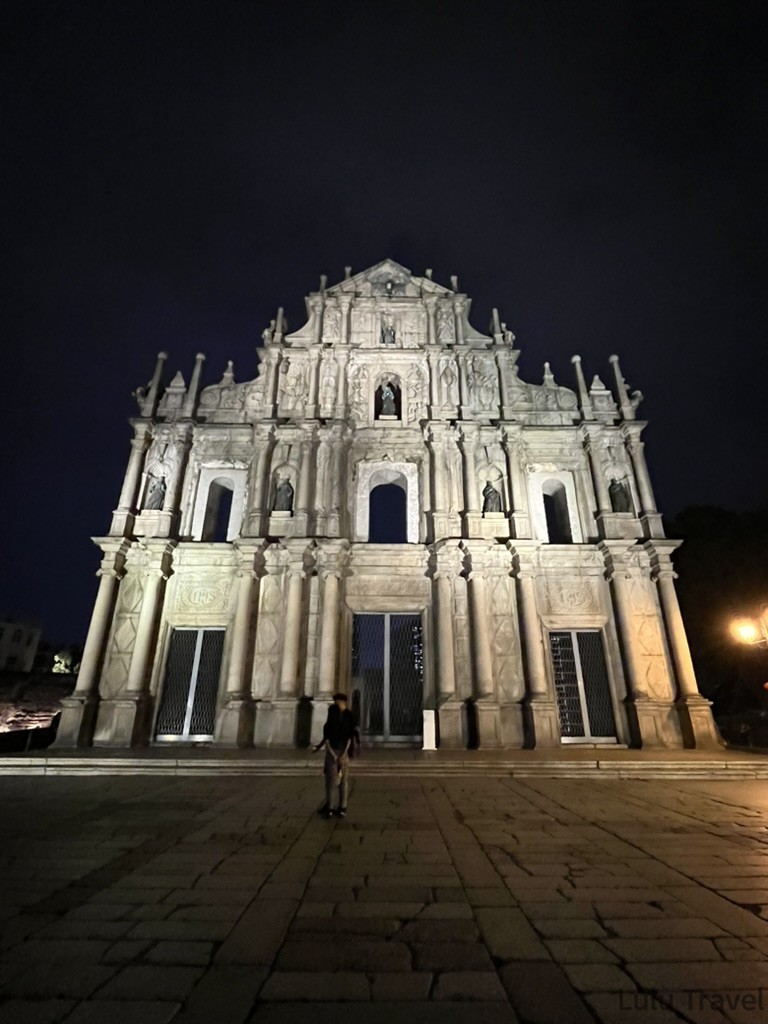
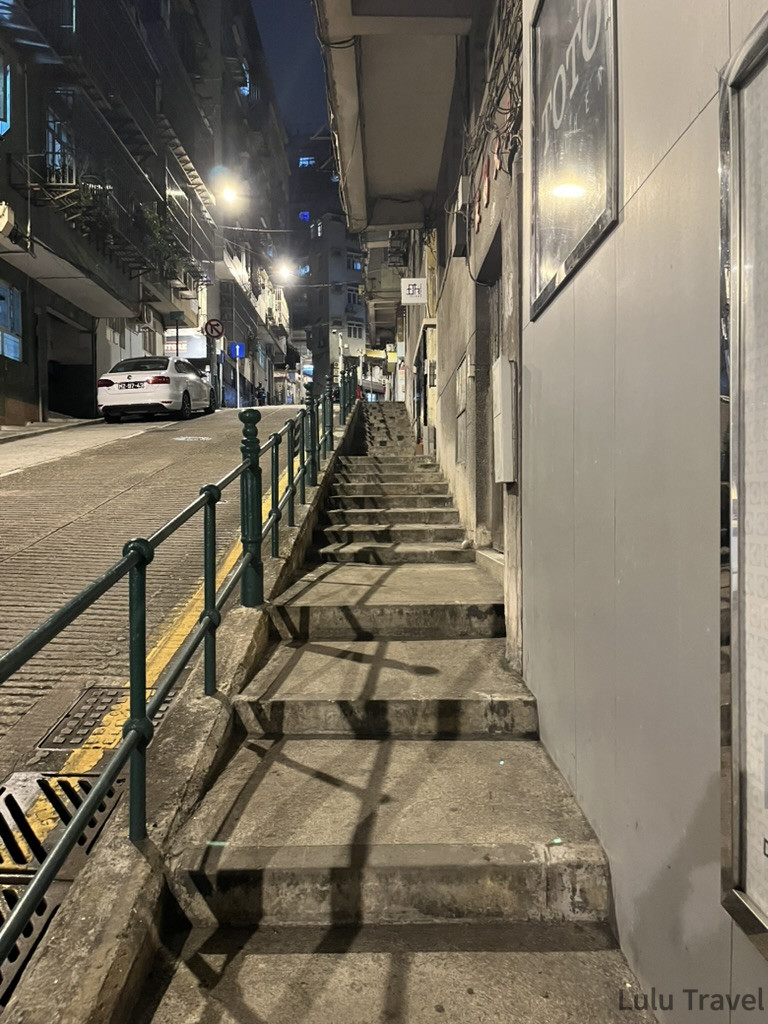
After dinner I walked the old-town streets lined with staircases. The Peninsula has plenty of stone-stepped alleys following the hillside, almost empty of tourists at night — just the occasional motorbike and the lit windows of homes, a completely different side of Macau from the daytime tourist zones. The Ruins of St. Paul’s, Macau’s most iconic landmark, reads very differently by time of day: packed by day with tourists on the steps, but at night the lit facade turns sharply three-dimensional, the crowd noise drops away, and it’s far easier to photograph.
The interior ruins of St. Paul’s are open until 6pm (last entry 5:30pm), but the square and steps are open 24 hours — coming at night lets you enjoy the quiet, empty scene and the romantic lighting.
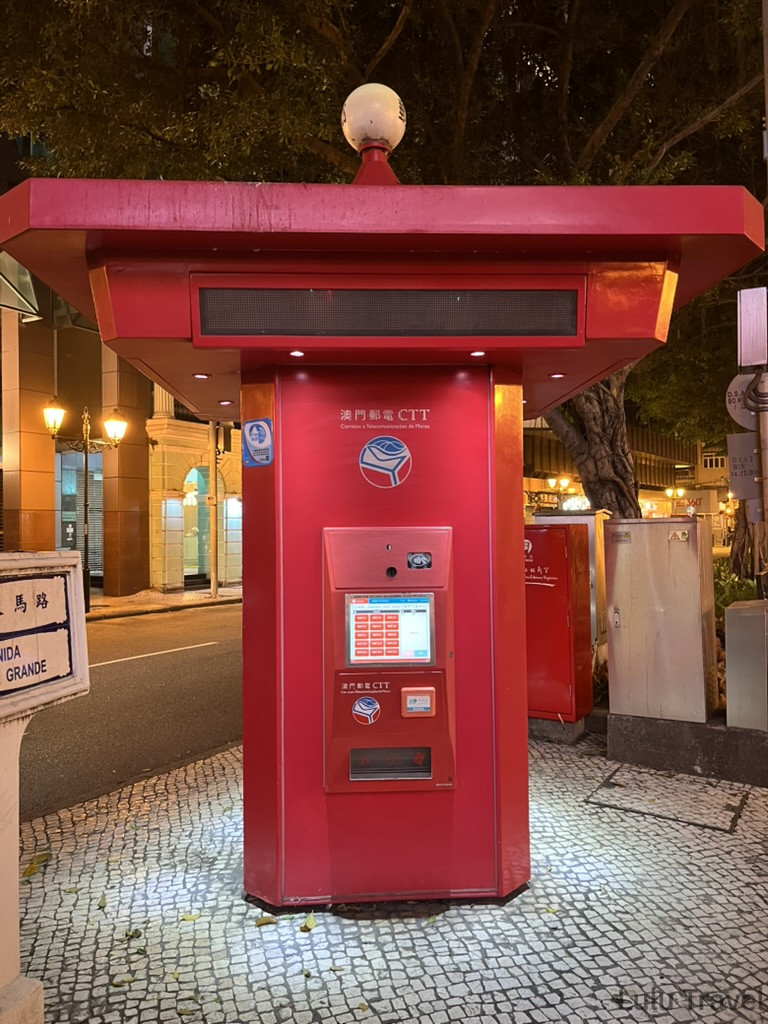
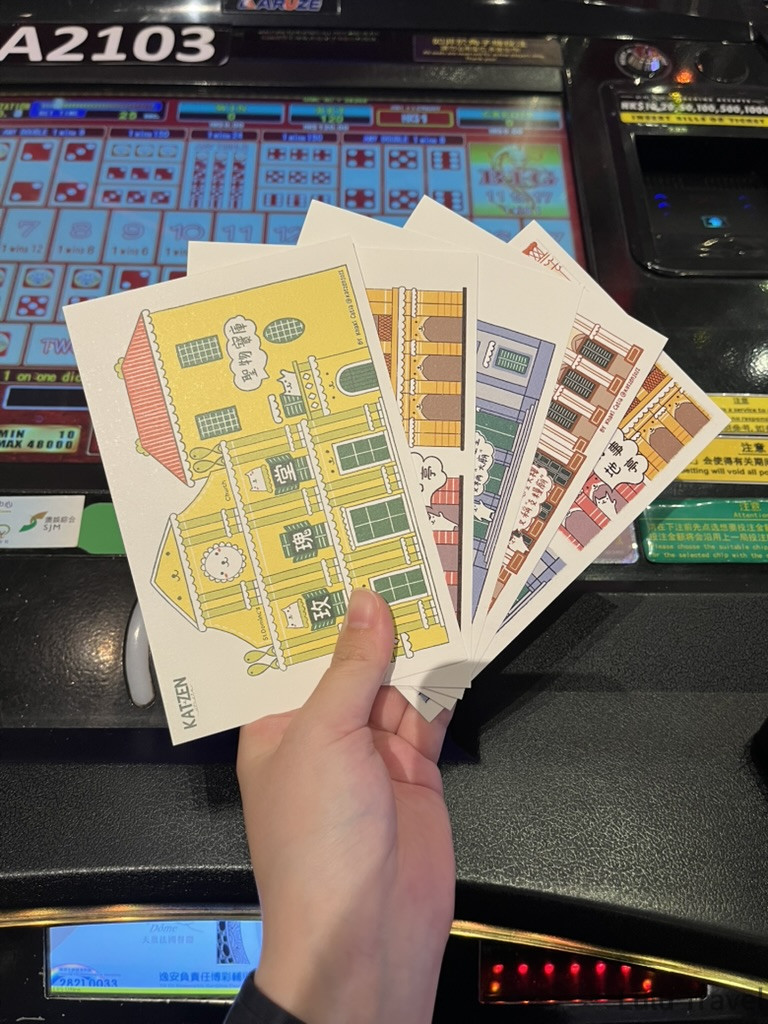
On the way back to the hotel, while my colleagues were at the casino, I used time I’d grabbed earlier — wandering before dinner — to write postcards on Macau-landmark cards I’d bought at a small design shop. What surprised me was how complete Macau’s postal system is: the red pavilion-like self-service kiosks you pass on the street let you buy stamps and mail items, very handy if you arrive on a weekend, and intuitive enough to figure out without prior knowledge. Kiosk locations here.
04Day 2|From Macau Peninsula to Taipa
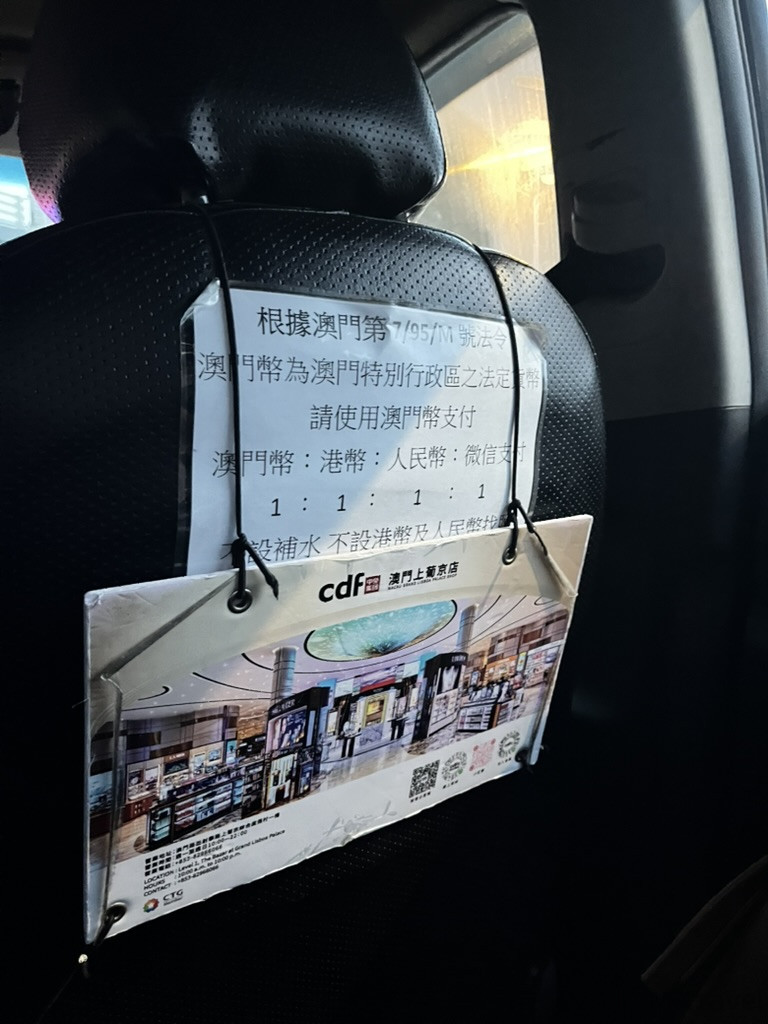
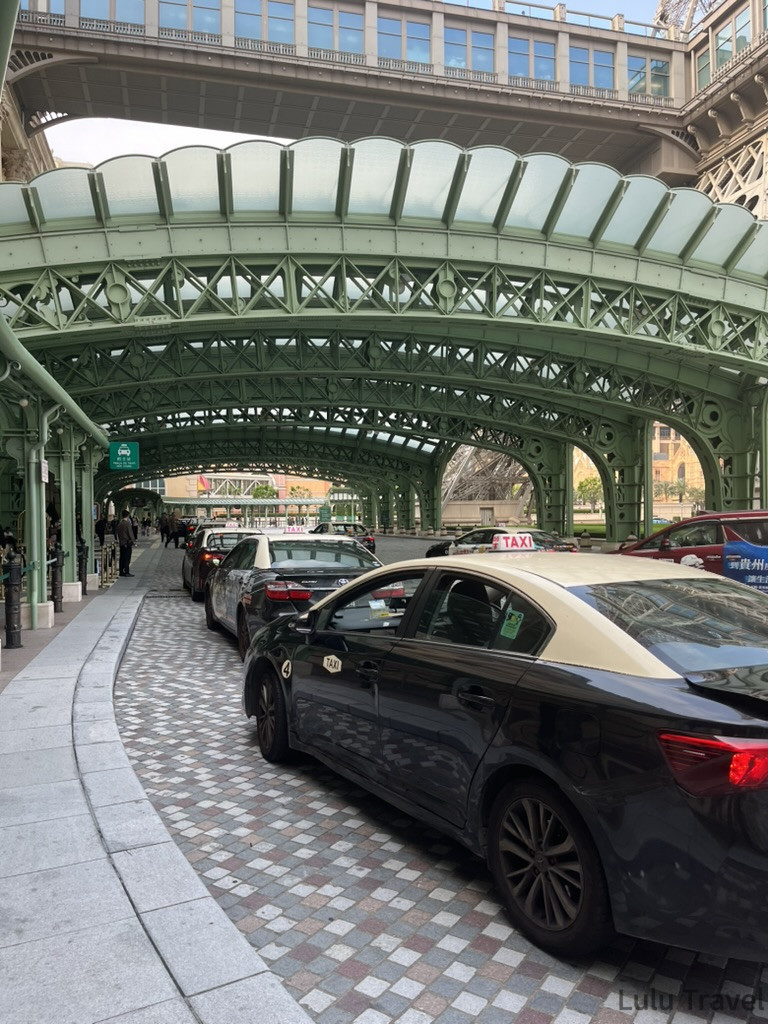
The next morning the four of us decided to taxi to the Ruins of St. Paul’s. Macau’s taxi culture is different from Hong Kong’s — the back seat has a currency chart showing rates for Macanese pataca, Hong Kong dollars and Chinese yuan. Splitting the fare four ways came out cheaper than the 6 HKD-per-person bus, which makes taxis a genuinely practical choice in a group.
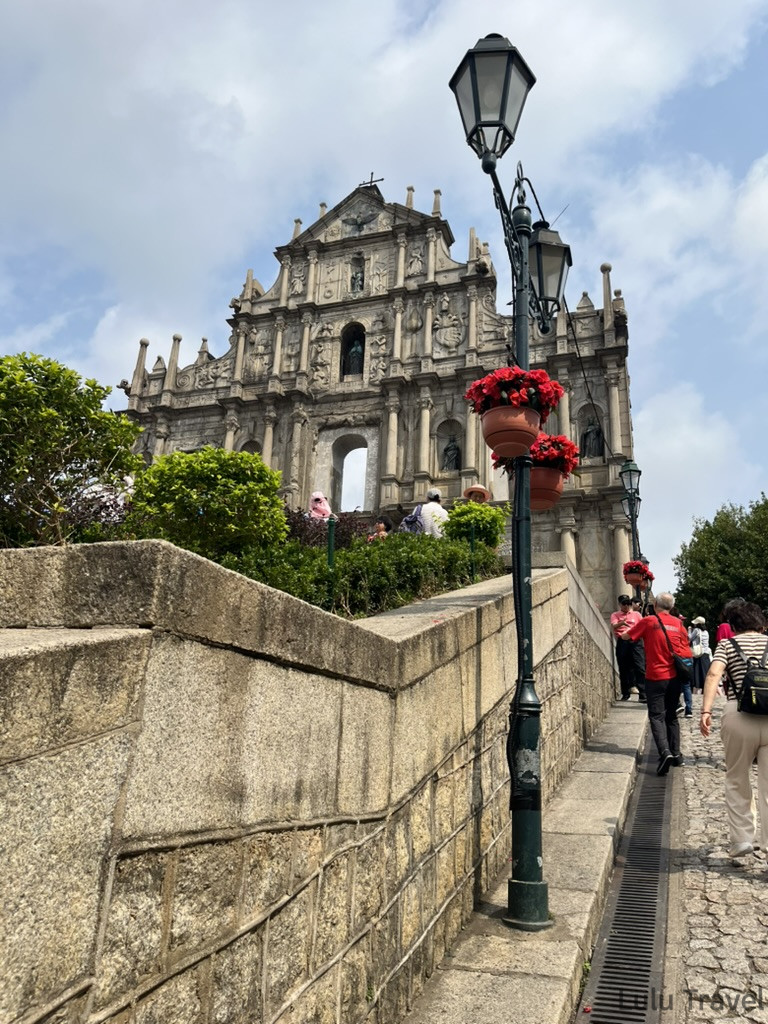
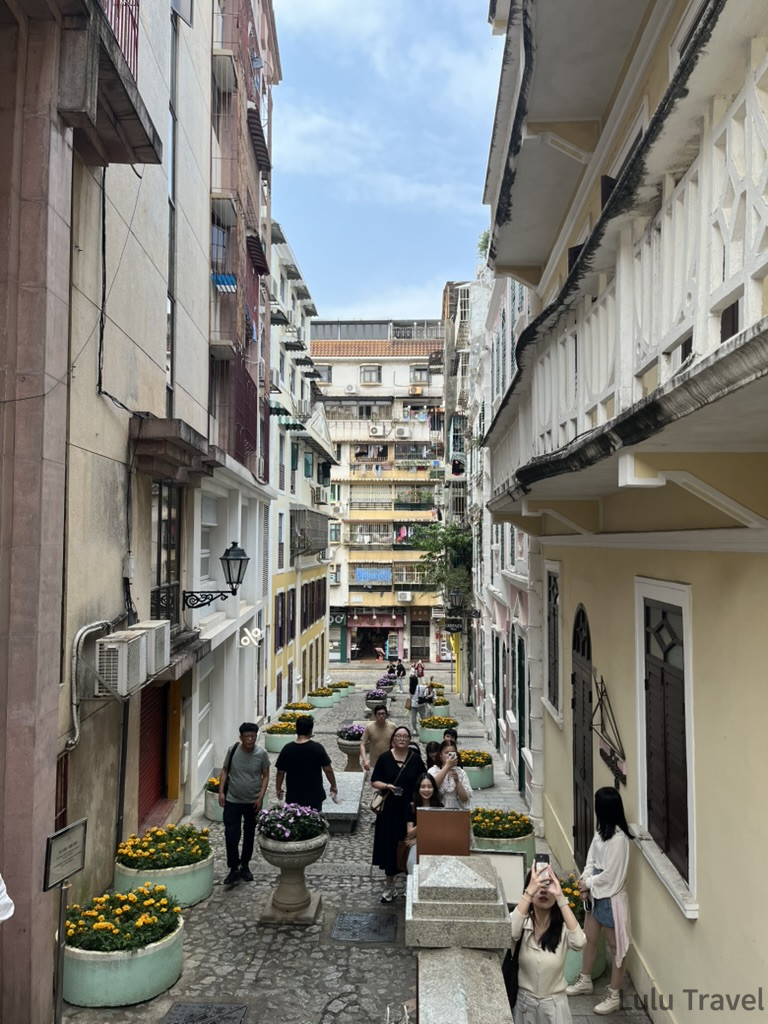
The Ruins of St. Paul’s draws huge crowds by day, every step claimed by someone taking a photo — shooting from the side stone-wall angle gives more depth than a straight-on shot. Nearby, Travessa da Paixão (Love Lane), Senado Square and the Chapel of Our Lady of the Rosary are all within walking distance. Love Lane is only about fifty metres long, flanked by Portuguese-style buildings; afternoon light hits the walls at a high-contrast angle, making it a popular photo spot — and one that almost always has a queue waiting for their turn.
The Portuguese name of Macau’s Love Lane actually refers to religious devotion; a translation quirk turned it into a street name full of romance.
After the classic sights, scrolling Xiaohongshu at the hotel, I came across Livraria Portuguesa. It opens at 11:00, so we arrived at 10:40 to wait. I’d gone for the egg-tart-shaped ceramic tableware but ended up circling the whole space, drawn to the postcards, Portuguese tile-pattern stationery and Macau-themed books too. Its exterior wall is a mosaic of orange, yellow and blue tiles — photogenic in itself — and inside, the wooden shelves and stone floor echo the old city’s textures. This was the most recommended off-the-beaten-path spot of the trip, the kind you’d easily miss without any research.
Livraria Portuguesa
- AddressEdf. Comercial Hin Loi, Rua de S. Domingos, Macau
- Hours 11:00 – 19:00 (closed Sunday)
- WebsiteLivraria Portuguesa
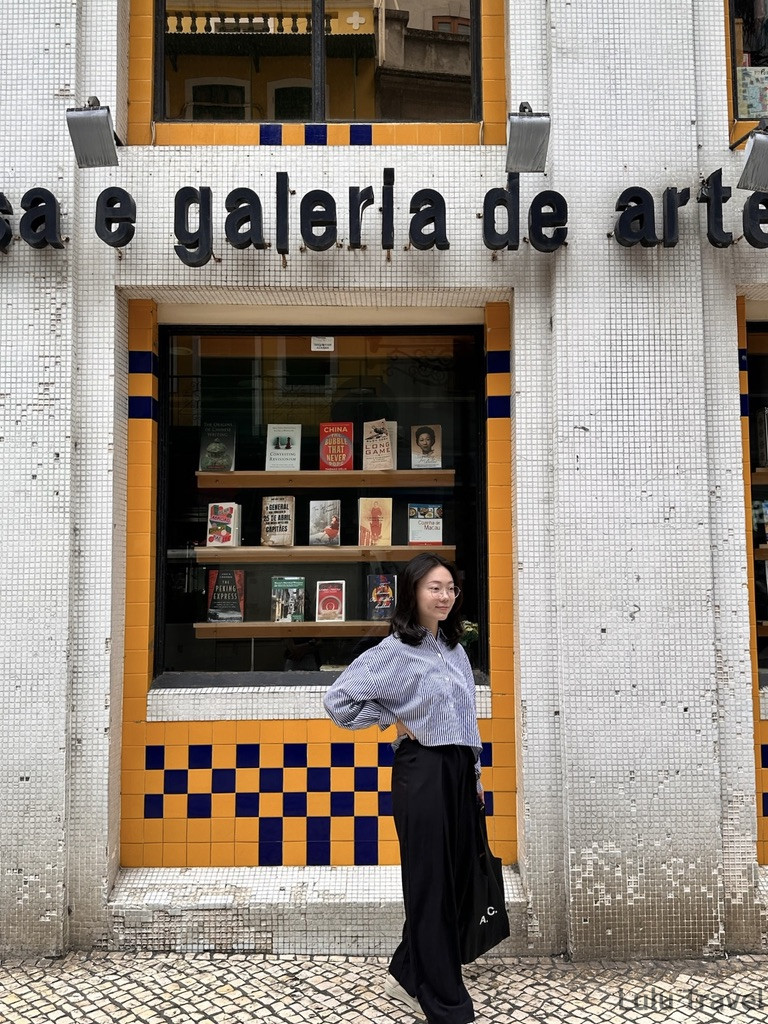
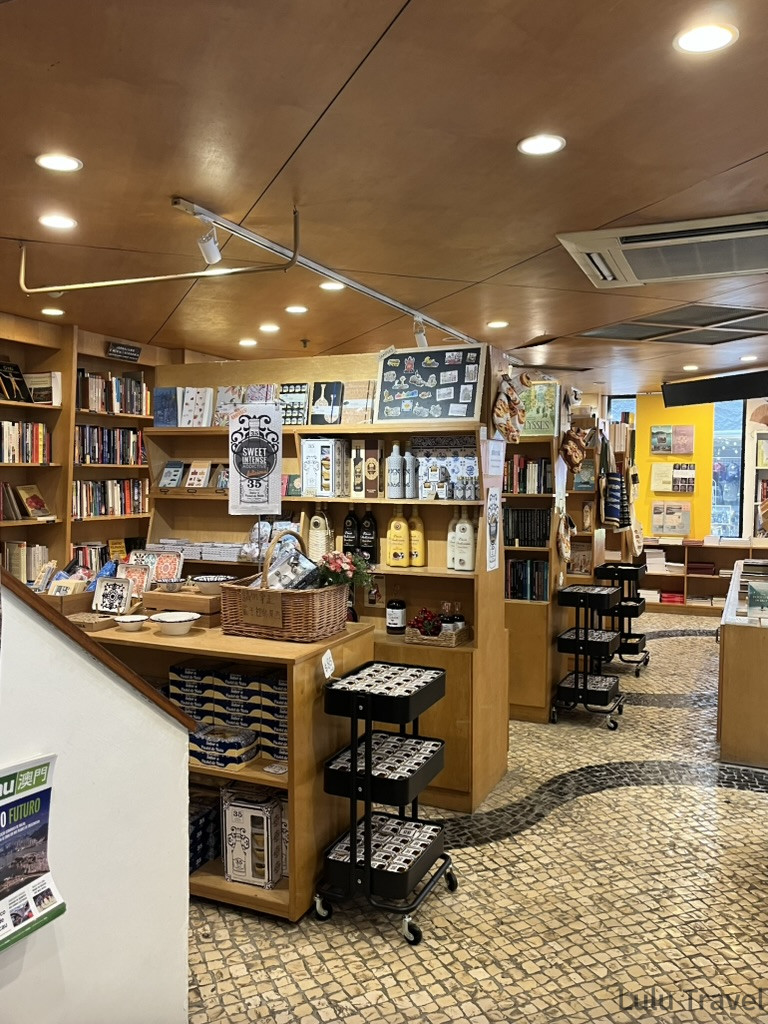
After the Peninsula, we checked out and moved to Taipa. I found a low-effort route: walk about 8 minutes from the Holiday Inn Express New Port to StarWorld Hotel, then take its free shuttle straight to Galaxy Macau — no fare at all. Having done it, though, there’s a stretch of cobblestone along the way that’s manageable with a small bag but a hassle with heavy luggage; in that case, take a taxi.
StarWorld and Galaxy are both well-known Macau properties of Galaxy Entertainment Group — StarWorld on the Macau Peninsula, Galaxy in Cotai.
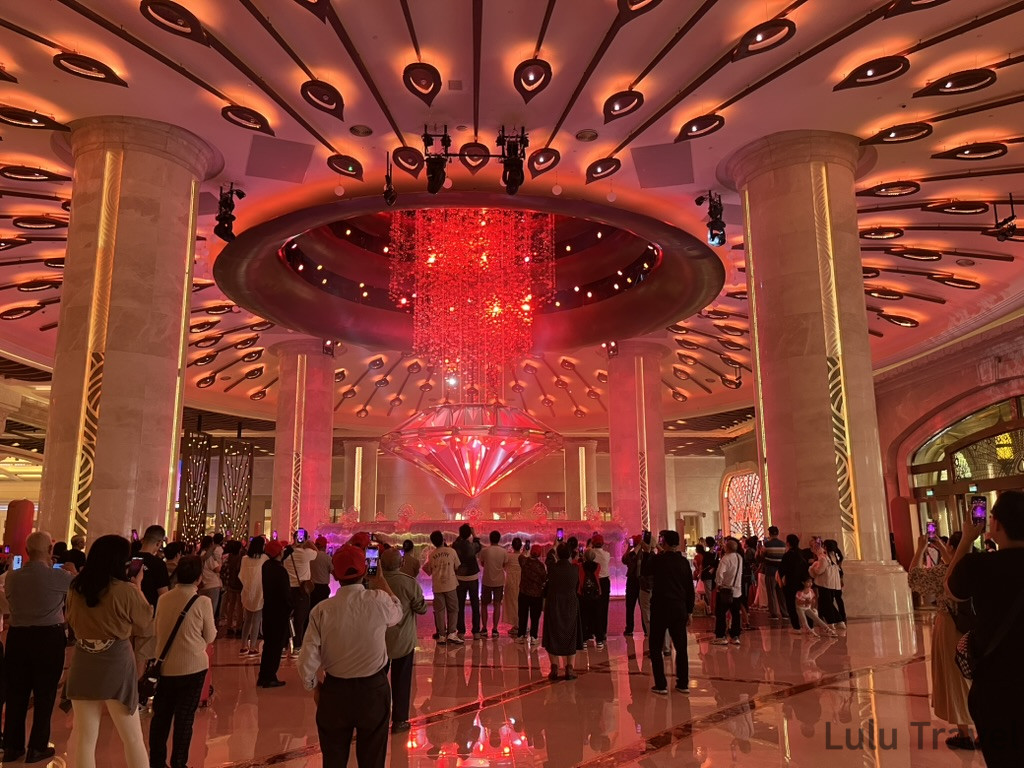
Arriving at Galaxy Macau, you enter through the Crystal Lobby, then walk straight through the opulent interior to the Diamond Lobby, where you can drop luggage for 30 MOP per piece and free your hands for Taipa. If you catch a performance, the tall atrium holds a nearly 3-metre glittering diamond that slowly descends through a water curtain at set times amid coloured lights — hard to ignore even if you try.
Diamond Lobby show times: noon to 10pm, every 30 minutes (Mon–Thu); 10am to midnight, every 30 minutes (Fri–Sun and public holidays).
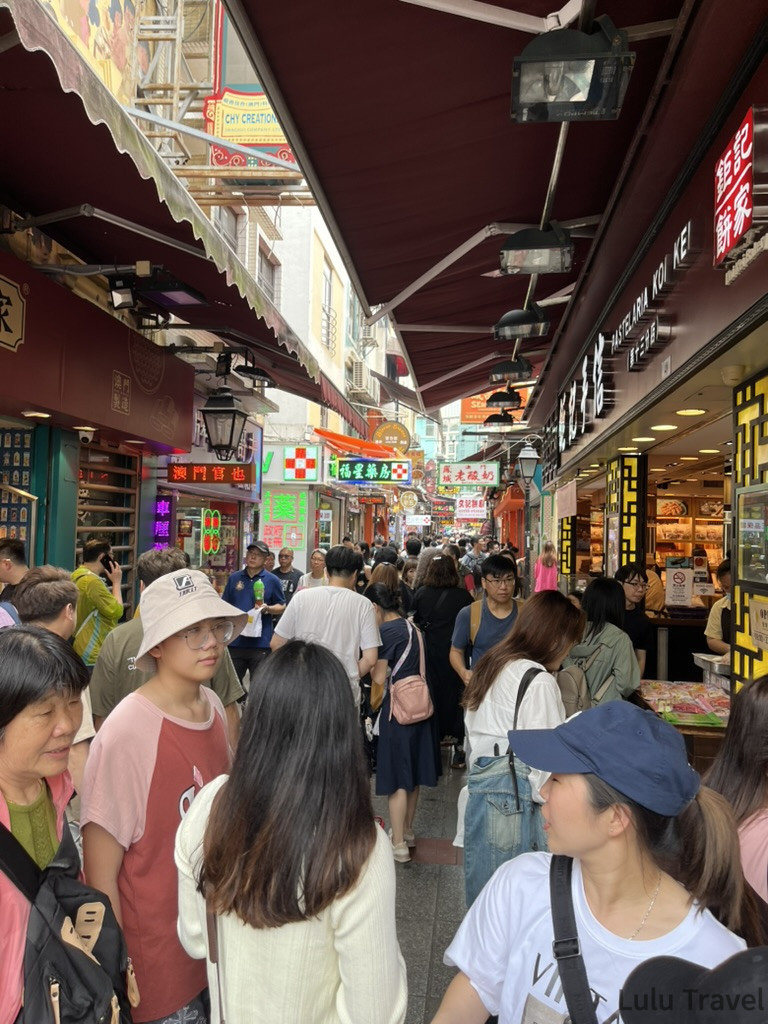
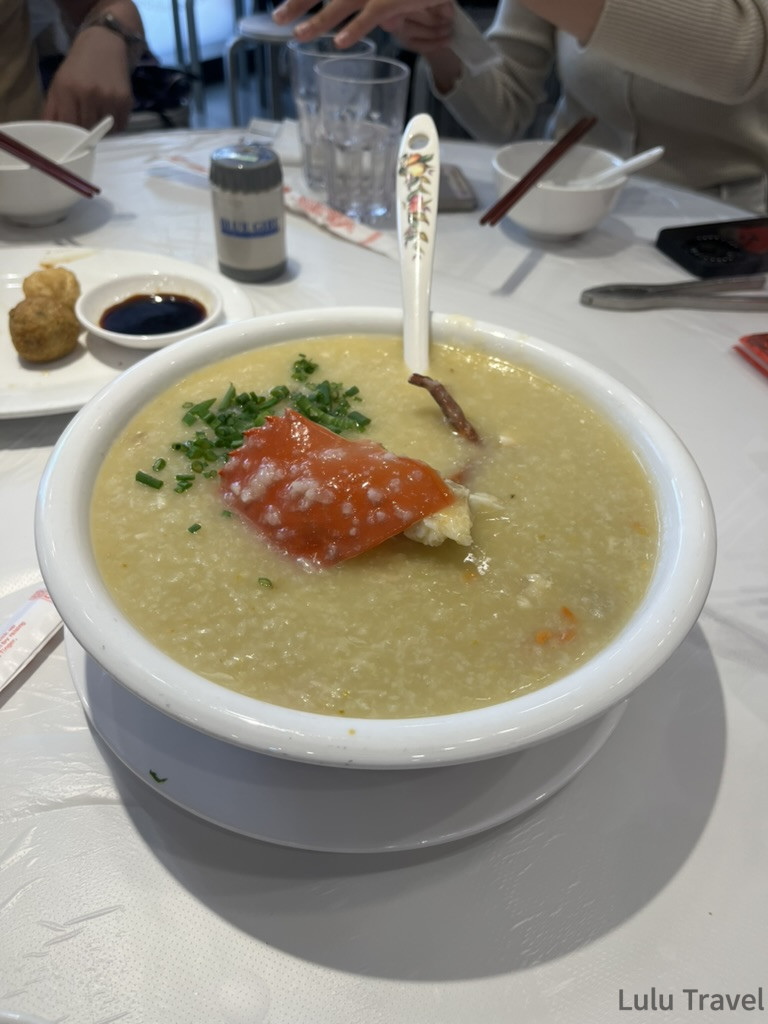
Rua do Cunha isn’t far from Galaxy — it’s Taipa’s liveliest snack street and one of the most tourist-dense spots in all of Macau. Both sides are packed with stalls selling pork-chop buns, egg tarts, almond cookies and jerky, the smells all mixing into one, foot traffic so heavy you basically move at the crowd’s speed. I ducked into Seng Cheong and ordered a crab congee — smooth base, intact crab claws — a happy accident from a randomly chosen place.
Rua do Cunha was Macau’s first pedestrian-only zone, established on 1 June 1983.
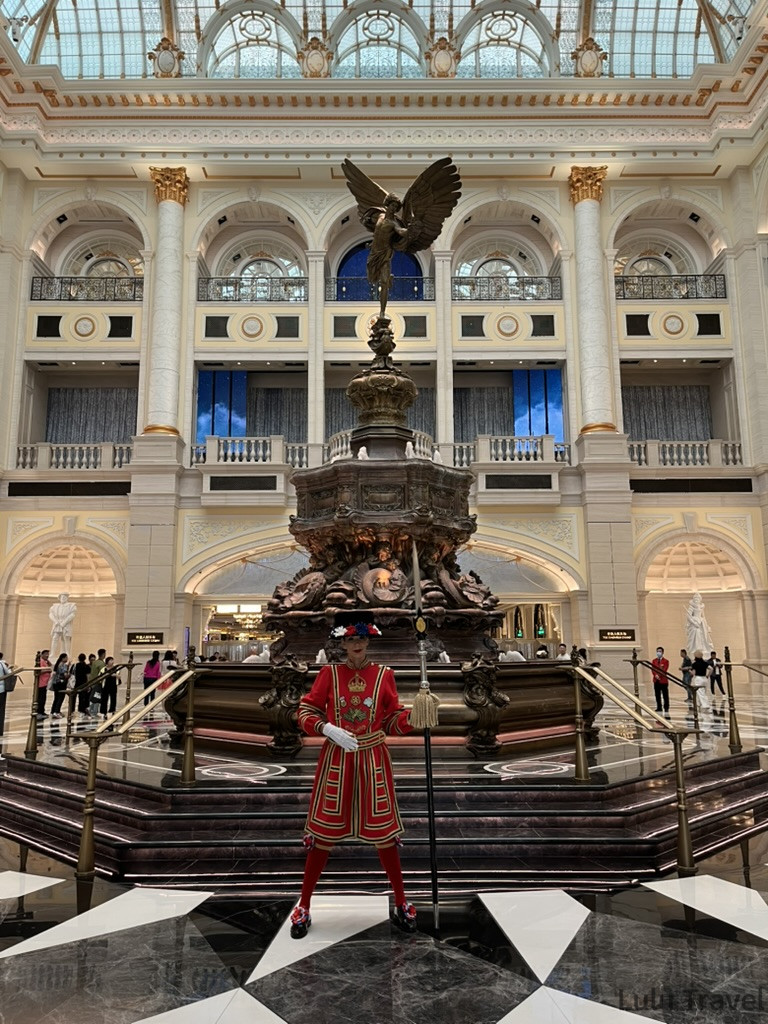
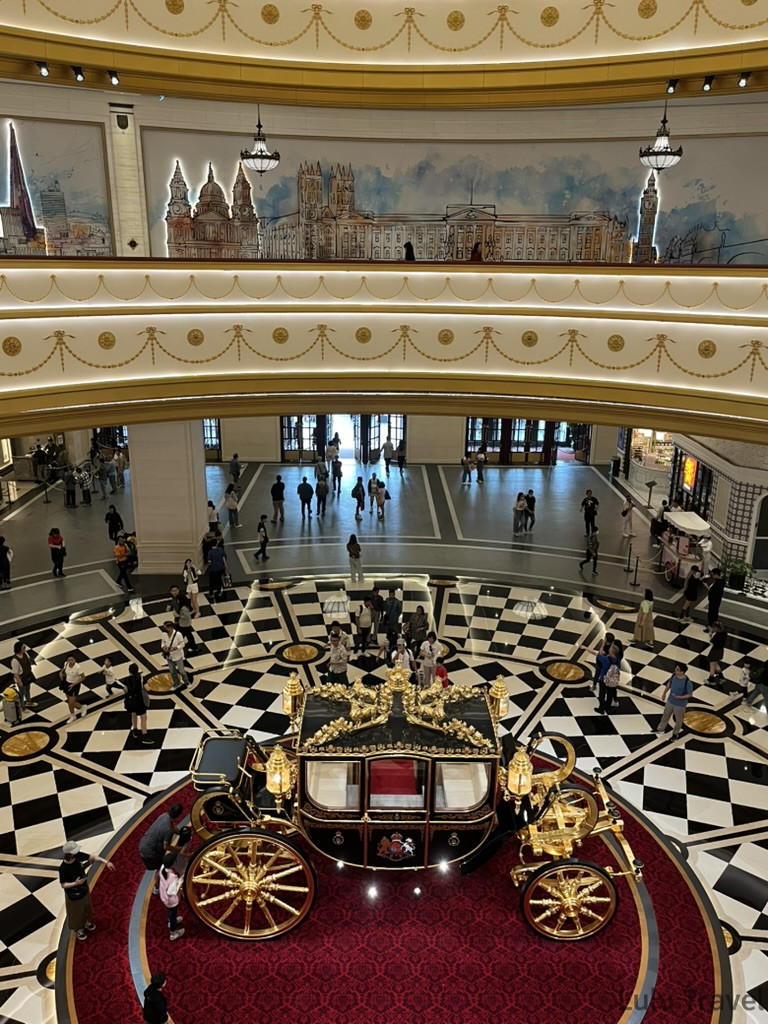
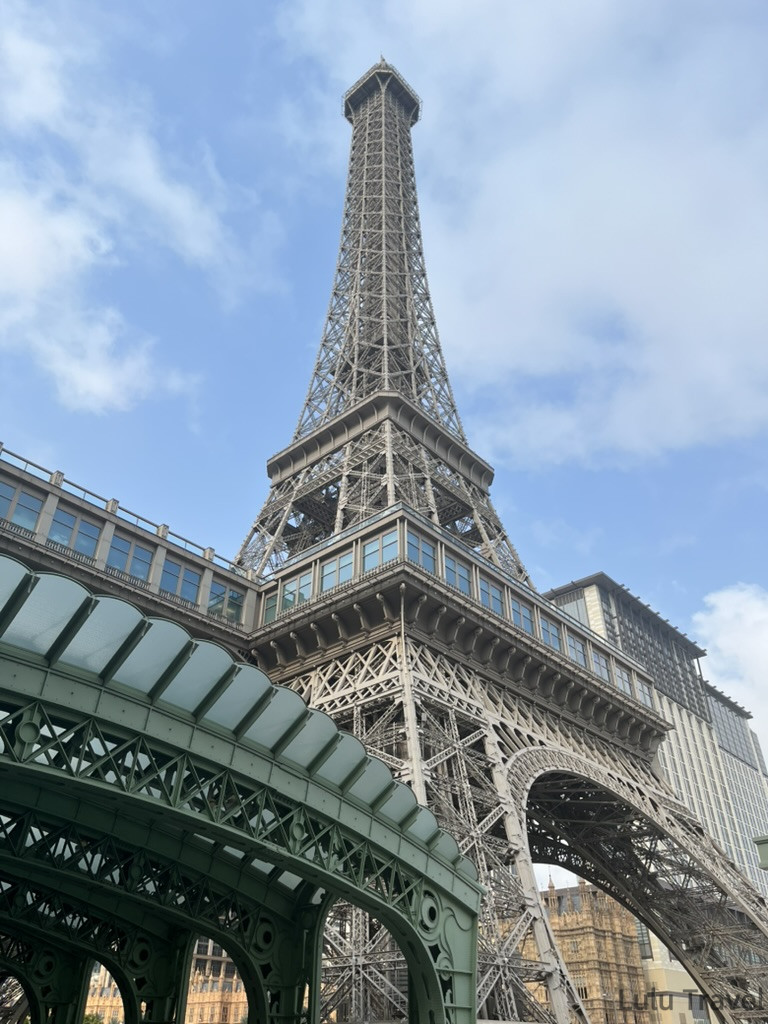
After Rua do Cunha, with time to spare, we quickly toured the British-themed The Londoner and the Paris-inspired The Parisian. The Londoner’s exterior is a scaled-down composite of Big Ben, Westminster Abbey and the Houses of Parliament — looking up from across the street gives a strange sense of seeing several London landmarks at once. Inside, the lobby has an “Eros” sculpture and a guard standing at attention, and on another side of the corridor a British royal carriage in gold sits on a black-and-white chessboard floor.
The Londoner Macao and The Parisian Macao are two adjacent British- and French-themed integrated resorts on the Cotai Strip, both operated by Sands China and connected by an outdoor footbridge.
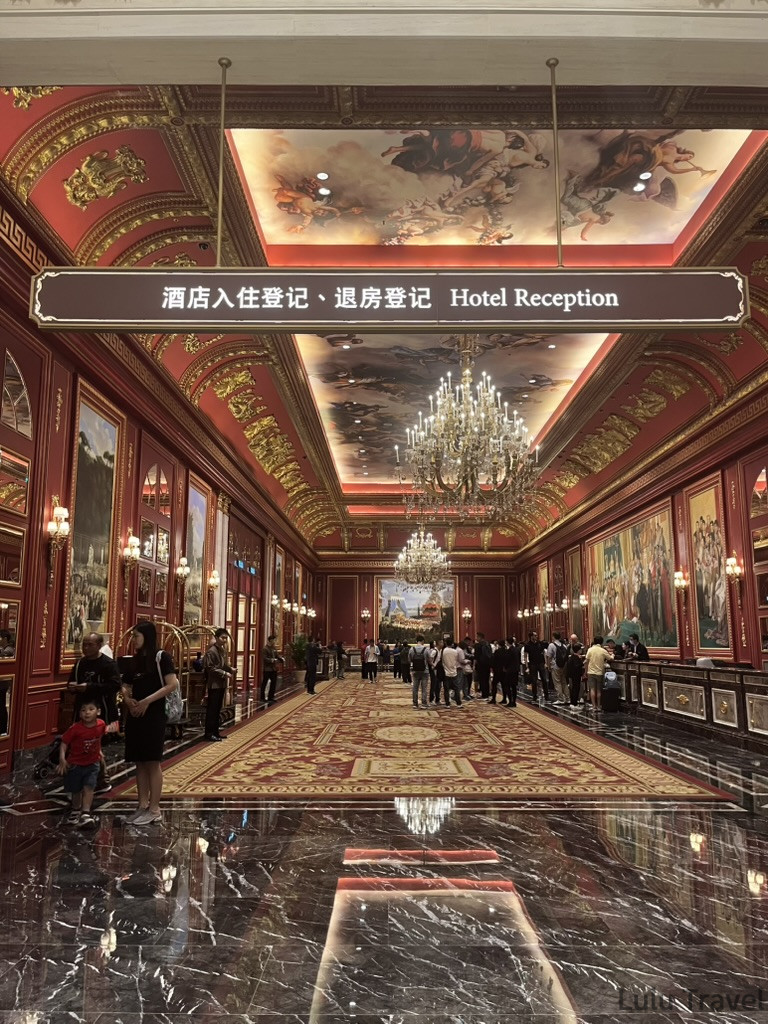
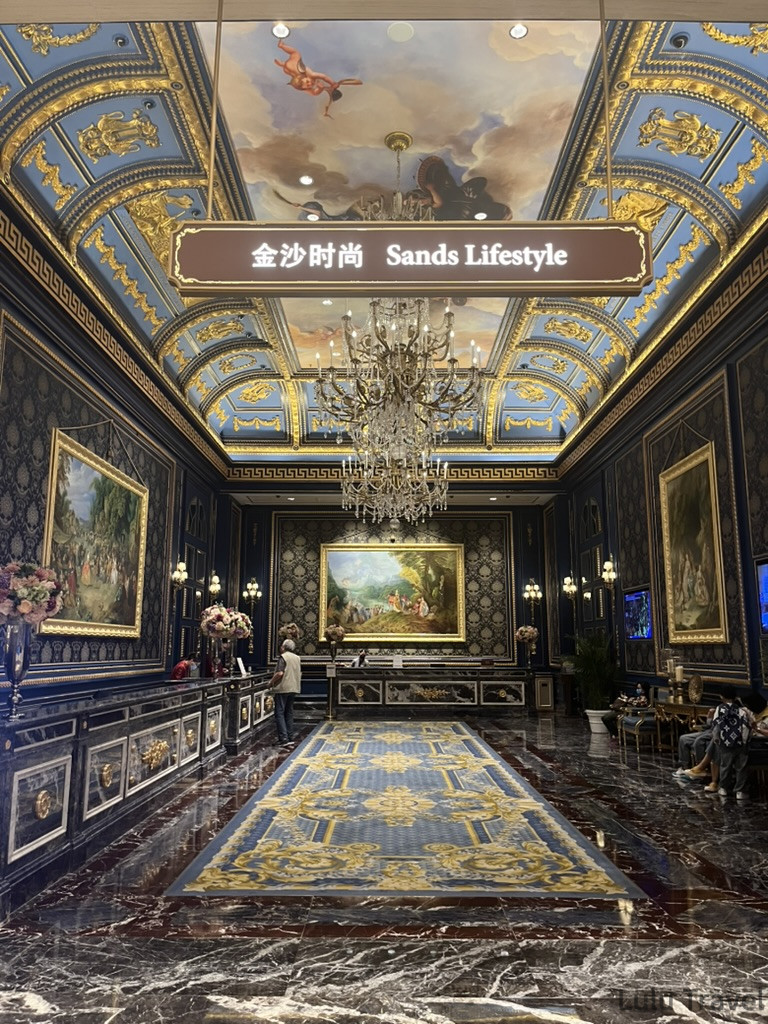
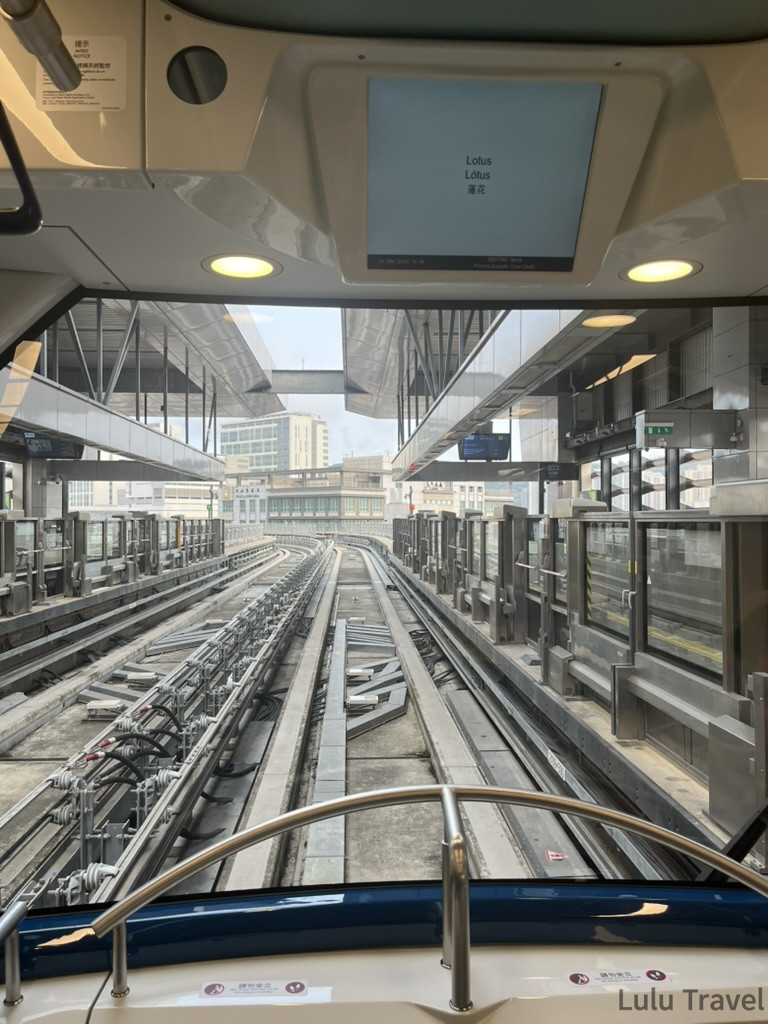
The check-in wing uses a deep crimson-and-gold European palette with crystal chandeliers and ceiling murals — like someone squeezed Versailles into a hotel corridor, absurd but very photogenic. If you’re pressed for time, a quick walk through both takes about an hour, no ticket needed — just enter the public lobbies. For the final leg we took the Macau Light Rail (LRT) to the airport; a relatively recent addition, it connects several major Taipa hotels and the airport, a convenient alternative if you’re not relying on the free casino shuttles.
You can buy single-journey LRT tickets at the customer-service centre or station vending machines, priced by number of stops — from MOP 6 to 12.
05You Can Visit Macau Without Research — But a Few Things Are Worth Knowing First
A few observations from the trip, for anyone heading to Macau for the first time:
- With several people, a short taxi ride can come out cheaper than the bus while also saving the wait — worth using.
- The free casino-hotel shuttles are the most economical way to move between the Peninsula and Taipa, but check the pickup points and routes in advance.
- Macau is more walkable than you’d expect. Mandarin works everywhere, and transport and sights are more compact than most cities — even without planning, as long as you know where a few core sights are, there’s plenty of room to improvise.
FAQFrequently Asked Questions
Can you visit Macau without any research? Do first-timers need to plan ahead?
Macau is one of the few cities I think you can visit without much prep and still have a solid trip. Attractions are densely clustered, Mandarin works everywhere, and the casino-hotel shuttle network is well developed — even finding spots in real time on Xiaohongshu, you can cover the main food and landmark highlights in a day. That said, popular restaurants often require queuing, so if there’s somewhere specific you want to eat, check ahead whether you need to queue or take a number.
What are the free ways to get around Macau?
All major casino hotels run free shuttles covering the airport, ferry terminals and key hotels on both the Peninsula and Taipa — the most cost-effective way to get around. Galaxy Macau, The Venetian, Wynn and others all have shuttles; you don’t need to be a guest, just join the queue and board. The Macau Light Rail (LRT) is a newer option connecting Taipa’s airport and several major hotels at a low fare — good for when you don’t want to wait for a shuttle schedule.
What is Livraria Portuguesa? Is it worth going out of your way for?
Livraria Portuguesa is a bookshop in the old town that rarely appears in mainstream guides, with an exterior wall tiled in orange, yellow and blue mosaic — visually distinctive. Inside it sells egg-tart-related ceramics, Macau-themed postcards, Portuguese tile-pattern stationery and more across two small but well-curated floors. It opens at 11am, not all day. For anyone into stationery, design objects or less common souvenirs, I’d actually recommend it over Rua do Cunha.
Can you use Didi or Uber in Macau?
Uber returned to Macau in 2026 after a 9-year absence, now offering a “metered taxi” option — once you arrive, you can book licensed local taxis directly through the Uber app. Didi doesn’t operate legally in Macau, so the app won’t find you a ride. For most visitors on a quick trip, the standard options remain flagging a cab on the street or joining the taxi queue at a hotel; with several people, short-distance fares split between the group can come out cheaper than the bus — and you get to experience the local taxi culture too.