If You’re Expecting Pure Relaxation, Think Twice About Cruising
I recently took a cruise from Kaohsiung to Japan, with port calls in Okinawa and Miyako-jima. I’d initially envisioned it as a “zero-planning, total-relaxation” getaway — but the reality turned out quite different from what I’d imagined. This isn’t a travel guide, nor is it meant to put you off cruising; it’s a breakdown of ten honest observations that only become apparent once you’re actually onboard. If you’re considering a cruise, take these as part of your mental preparation.
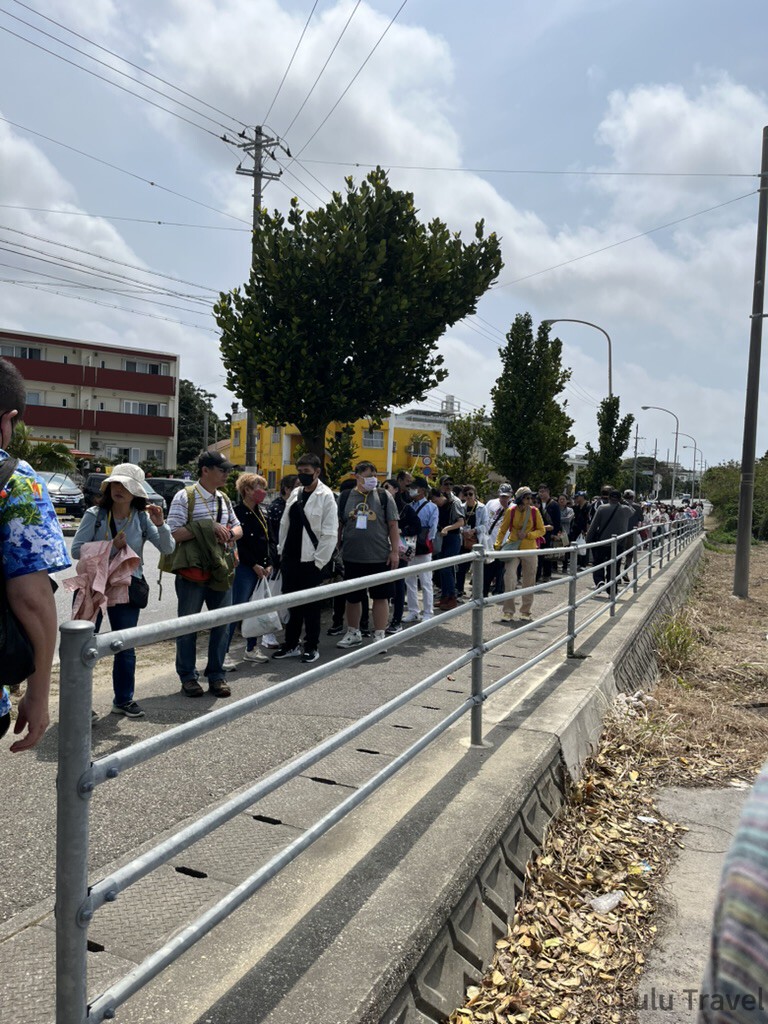
TIP 1Boarding a Cruise Is Not Elegant — It’s a Queue Marathon
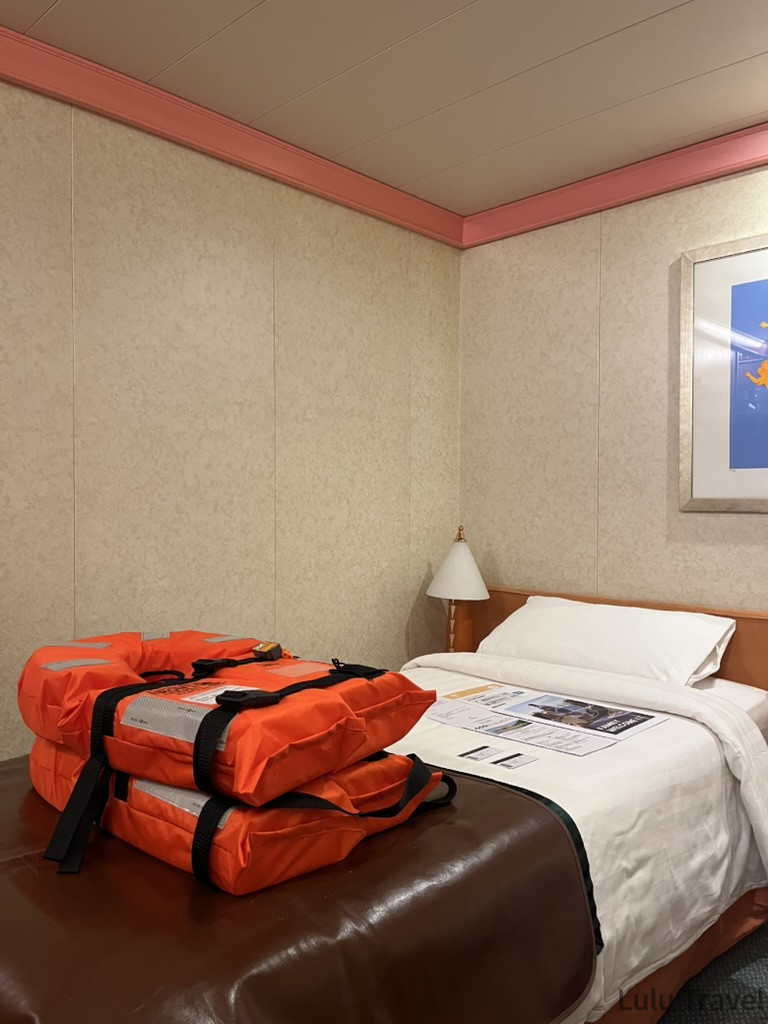
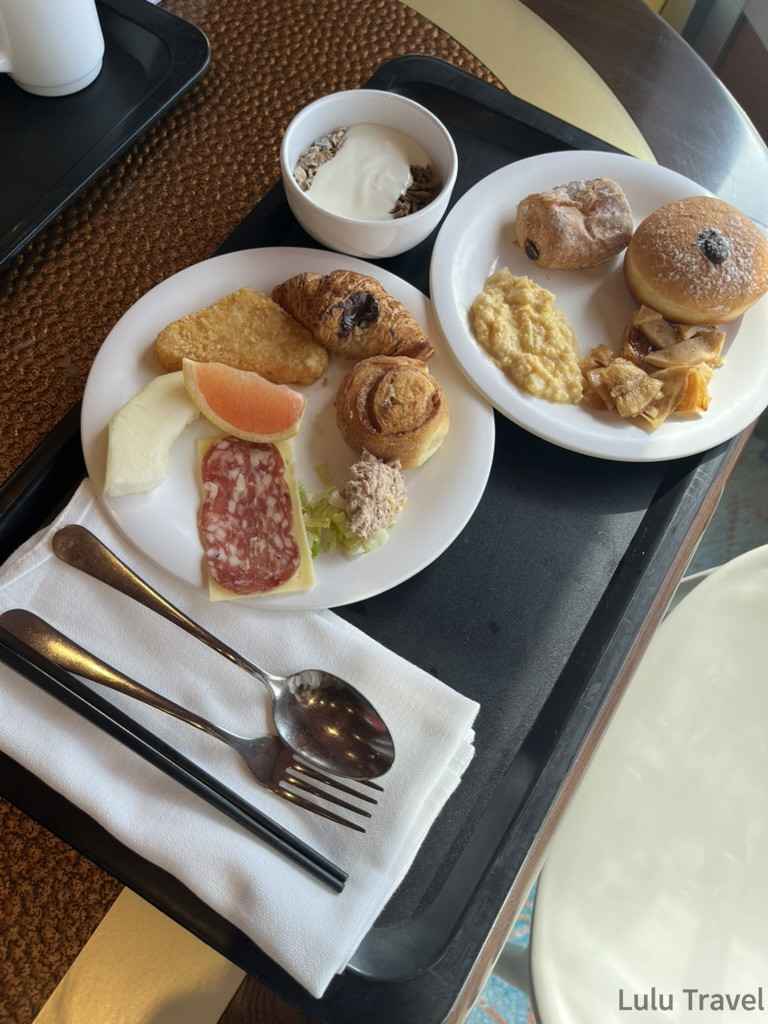
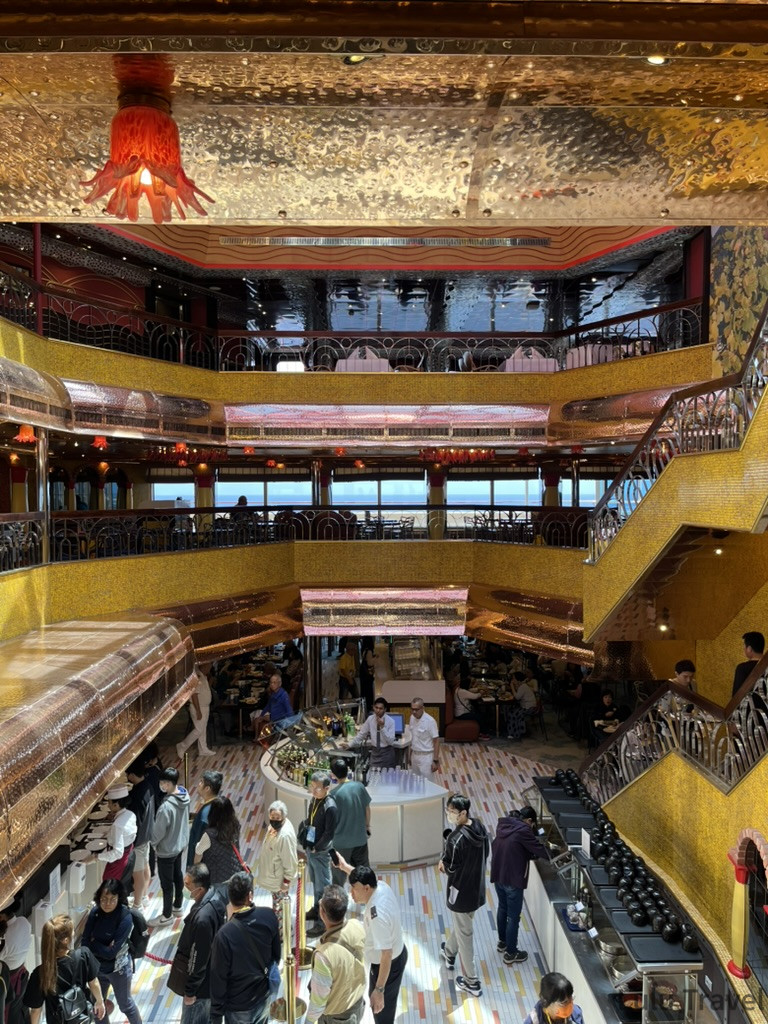
Because cruise ships carry an enormous number of passengers, everything involves queuing, even with staggered boarding times. We were assigned the latest slot and didn’t eat until nine at night. We’d barely taken two bites when the emergency-drill announcement came on, and suddenly everyone was packed into stairwells in oversized life jackets — my only thought was: did I come here to relax, or to suffer? Meals are just as unavoidable a queue: the buffet runs longer hours and takes walk-ins, but the main dining room assigns specific seatings, and miss your window and you’re locked out — so every mealtime the door is crowded before it even opens.
The muster drill is a safety procedure mandated by international maritime law; all passengers must take part before departure or within 24 hours of leaving port. The key steps: find your assembly point (printed on your room card), watch the safety video, and follow the crew’s instructions to check in.
TIP 2The Elevators Exist, but So Does Luck
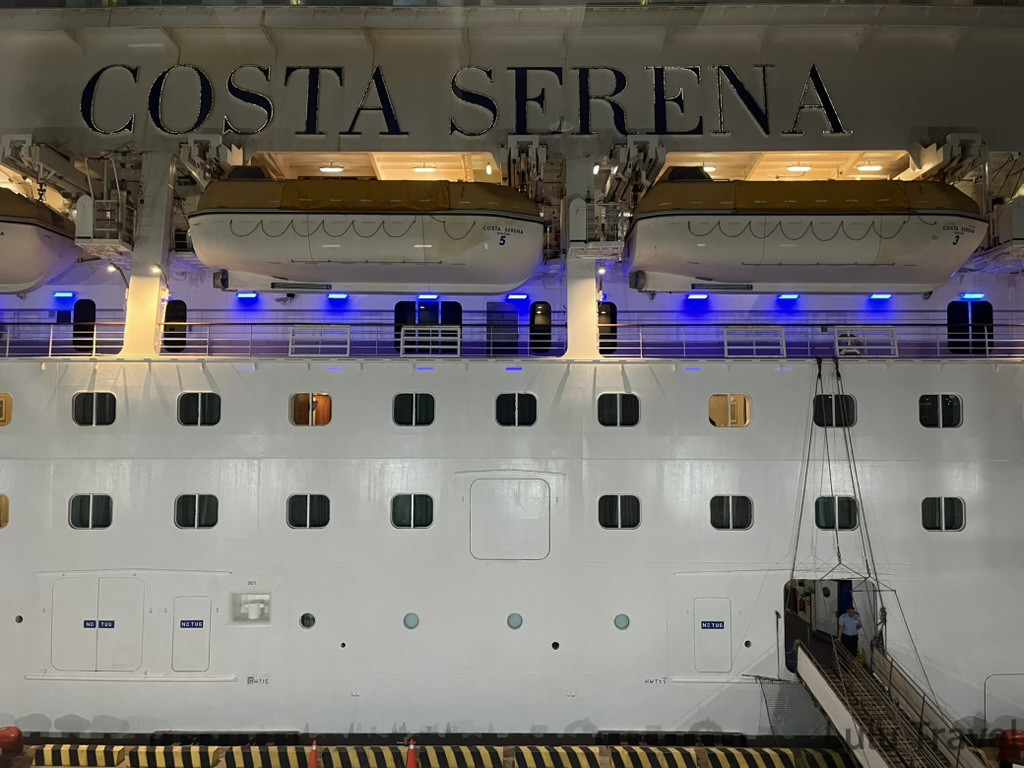
The ship has plenty of elevators, but far more passengers; you regularly see elderly travellers gripping the handrails and climbing floor by floor because the wait isn’t worth it. The ship is also split into forward and aft sections, and some decks don’t connect — so you often go up, walk a long corridor, then come back down. First-time cruisers get lost in the cabin zones constantly. A cruise is more physically demanding than people expect.
Some decks or areas of a cruise ship don’t connect, mainly due to space layout (central kitchens and dining rooms interwoven, crew-only and back-of-house zones), fire-safety compartmentalisation, and operational management.
TIP 3Shore Excursions Can’t Be Bought in Advance — and They Sell Out Fast
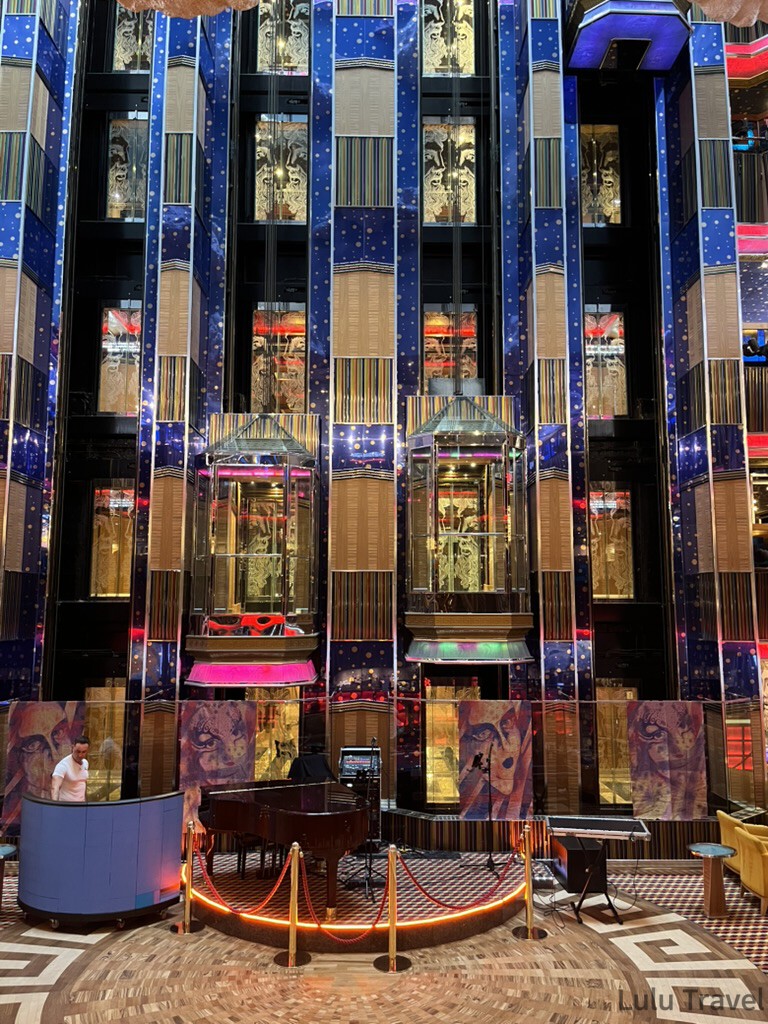
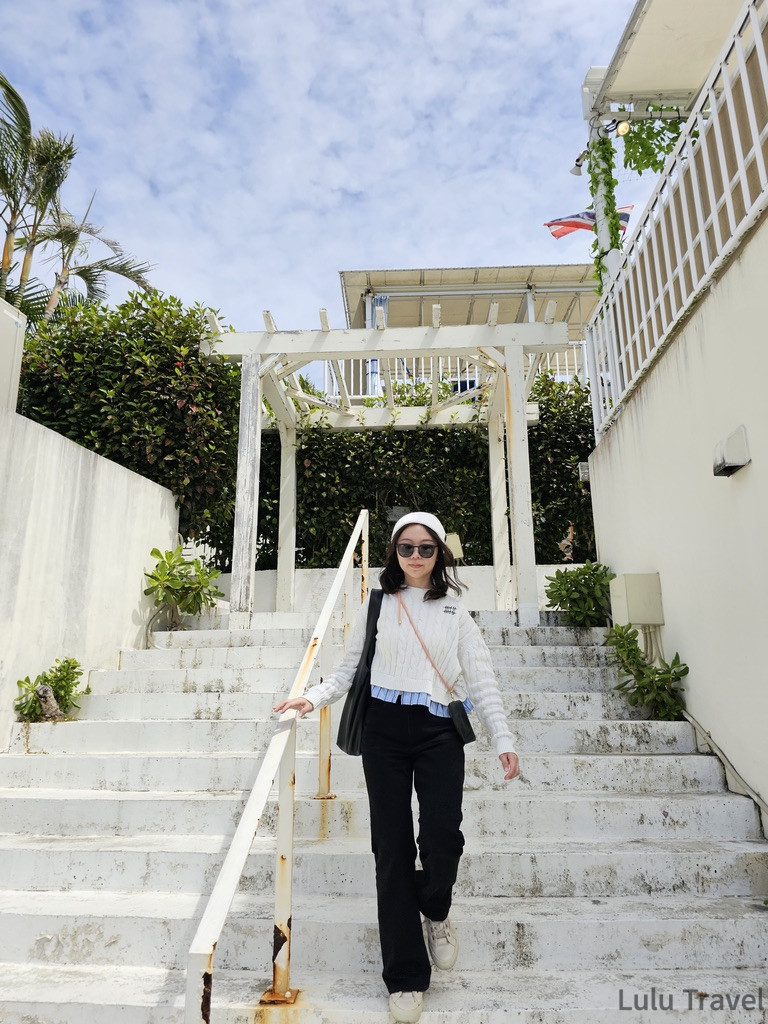
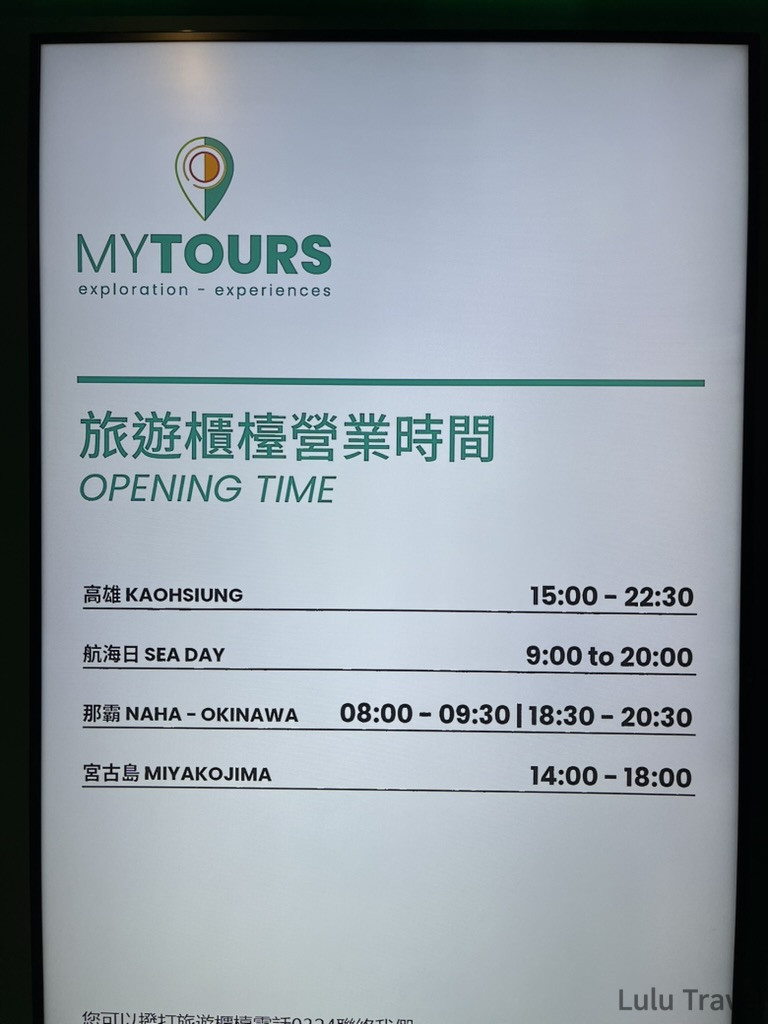
Shore excursions can’t be booked ahead — you queue at the onboard desk after boarding, and by the time we got there nearly everything was sold out. If you’re the type who needs a plan, research alternatives before you leave, such as private car hire or local tours booked in advance. Okinawa has decent public transit to major sights, but Miyako-jima is genuinely hard to get around without a group tour, a taxi, or a pre-arranged driver — no wonder the Miyako-jima excursions disappear within hours.
TIP 4The Wi-Fi Plans Are More Complicated Than You Think
Internet at sea runs on satellite, so it’s expensive and split into many tiers: a social-media package (FB, IG, LinkedIn, TikTok, WeChat and more), a WhatsApp package, a pay-per-minute plan, a full-access plan, and so on. To save money I skipped Wi-Fi entirely — I stayed offline on the ship and only used a Japan eSIM once we docked ashore.
Onboard internet is pricey mainly because it relies on costly satellite links with very limited bandwidth and high equipment-maintenance costs — so consider a few days of digital detox and focus on the cruise experience instead.
TIP 5Don’t Skip Seasickness Meds — Big Ships Still Move
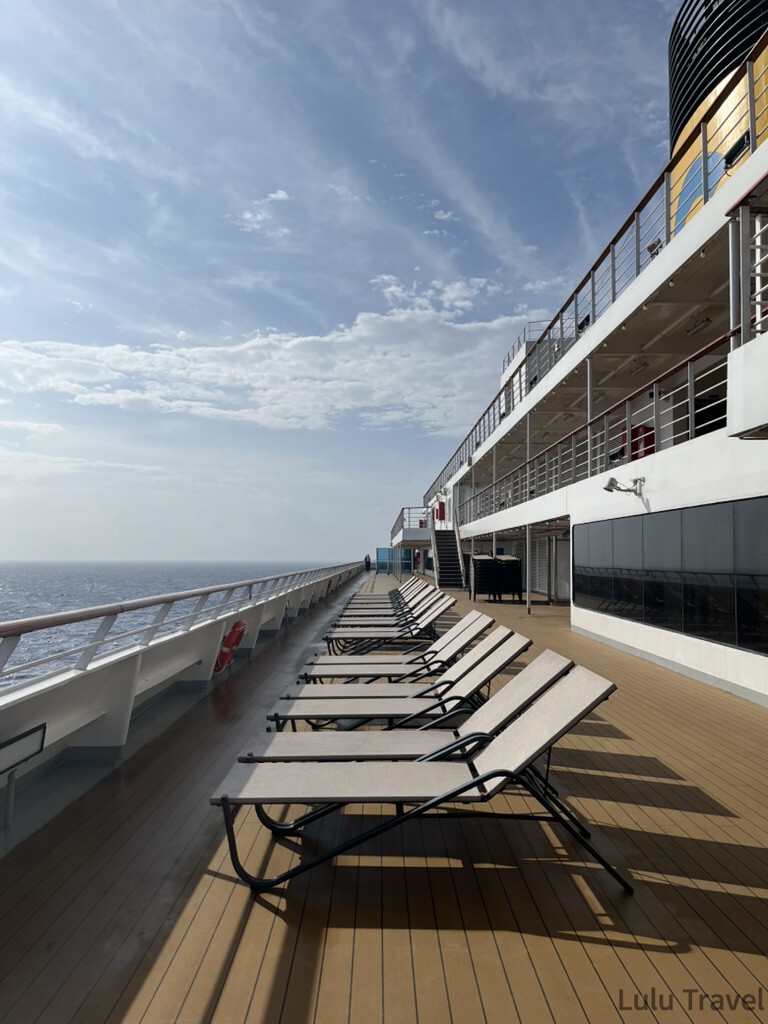
People say large ships are more stable, but if you’re prone to motion sickness you’ll still feel it — a constant, low-level sway, 24 hours a day, that takes time to adapt to. If you get seasick easily: pack motion-sickness medication, avoid cabins right at the front or back, and aim for a mid-ship cabin on a lower deck.
Other ways to prevent seasickness
Look into the distance: on deck, fix your eyes on the far horizon so your eyes and inner ear agree.
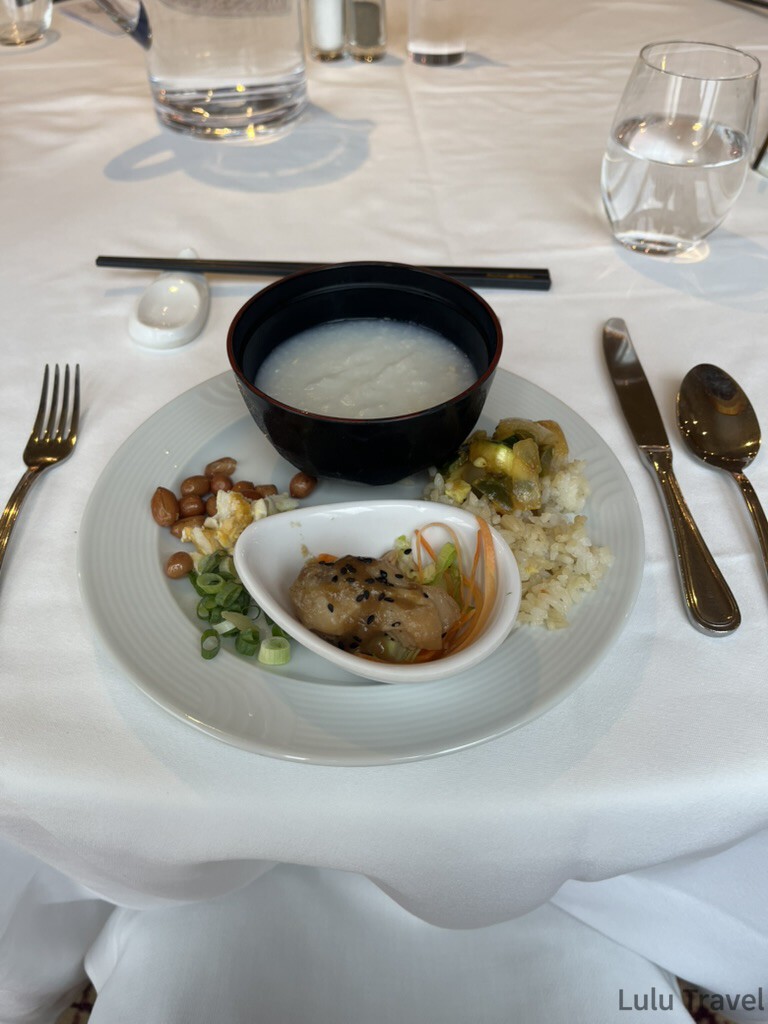
Eat light: small, frequent meals, nothing too oily or too full, and a little ginger tea can help.
TIP 6Your Room Card Is Your Passport and Your Wallet
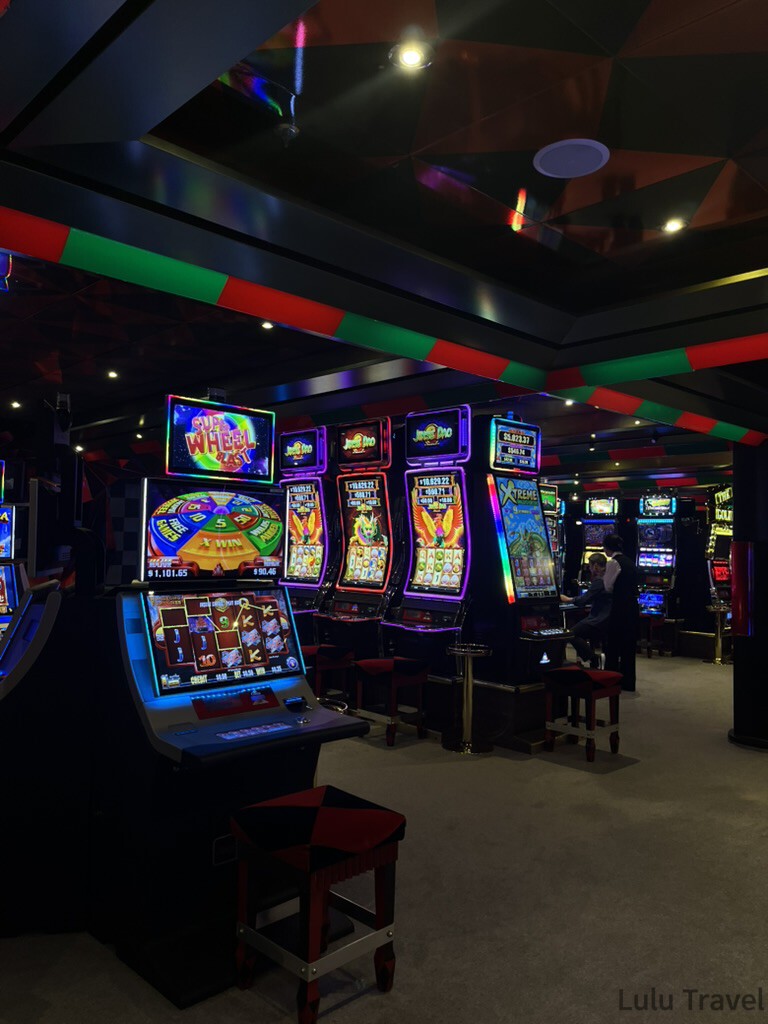
Your passport is collected at check-in, and everything onboard — casino, duty-free, spa, ice cream — goes on your room card, which has your name, cabin number and dining time printed on it, settled on the final day. The cashless setup makes it dangerously easy to lose track of spending.
Cruise lines collect passengers’ original passports mainly to speed up port clearance, manage documents centrally, and comply with international customs regulations.
TIP 7No Internet? There’s Still Plenty to Do
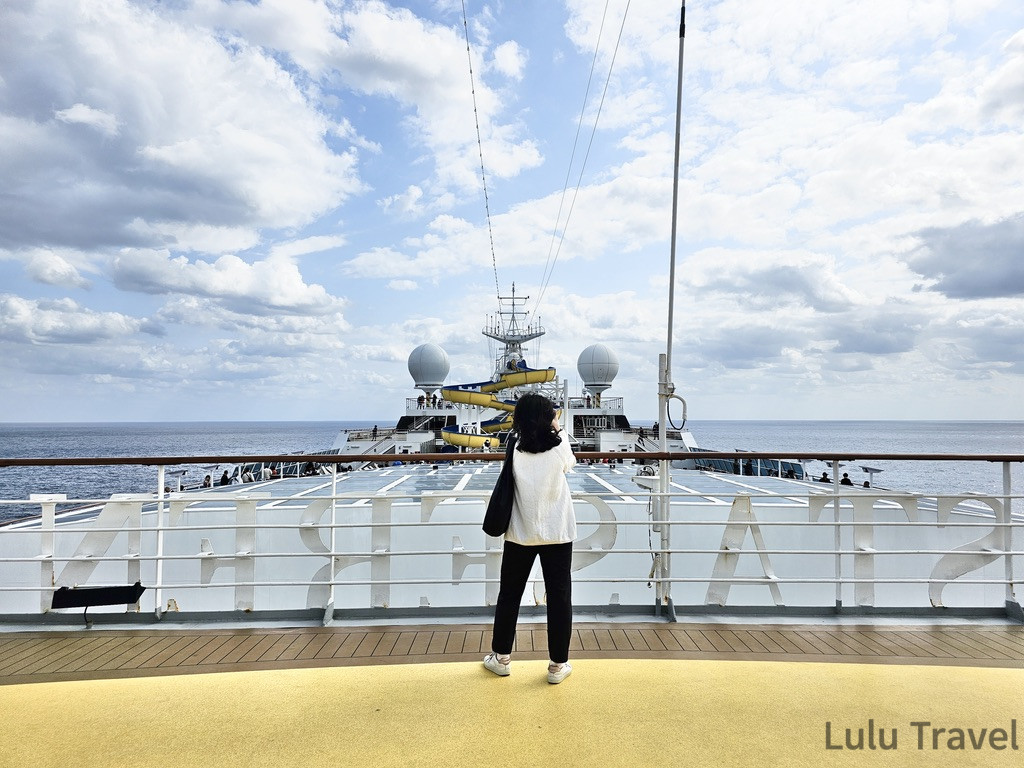
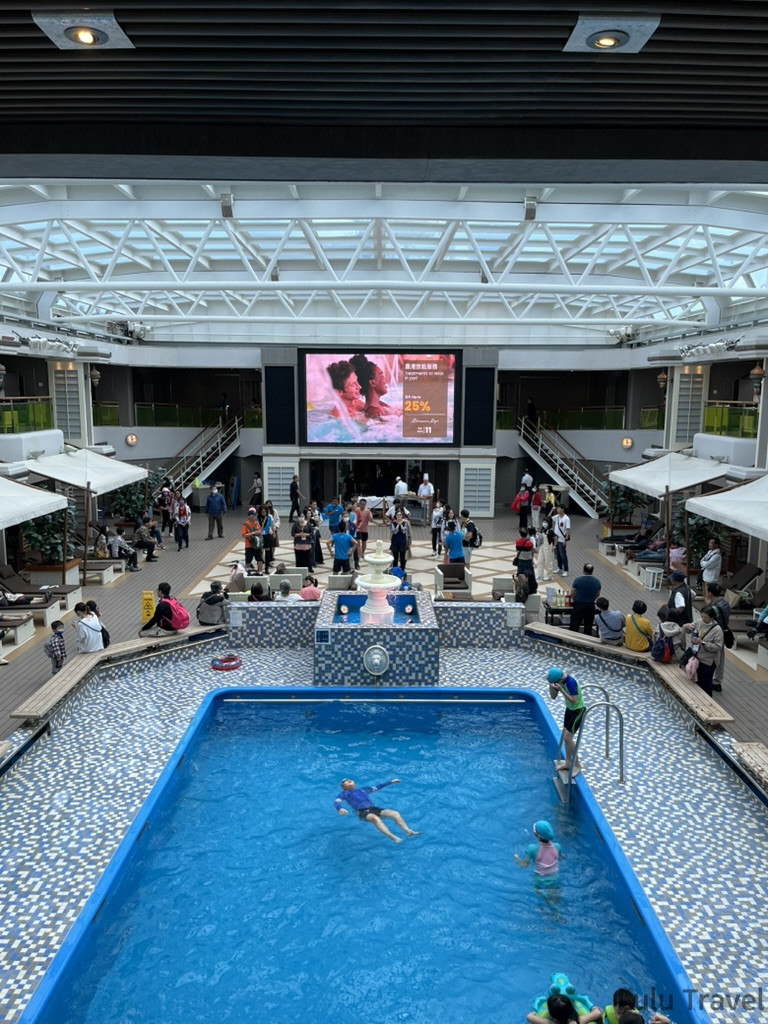
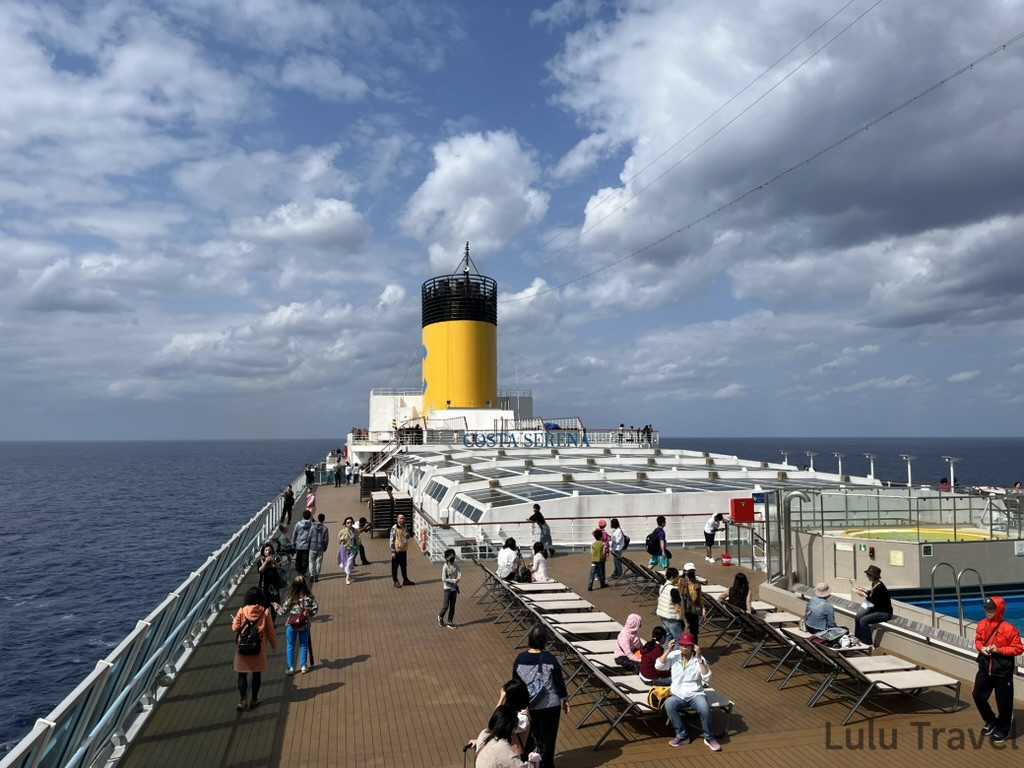
The ship slips a daily activity sheet under your cabin door each morning: theatre shows, language classes, dance nights and bingo at set times, plus free-to-use facilities like table tennis (balls $1, paddles free) and the pool. The schedule is genuinely full. If you prefer unstructured time, bring a book and find a deck chair in the sun.
Besides the activity schedule, the daily sheet also lists the disembarkation order at each port (usually shore-excursion passengers first, then suite guests, then other independent travellers), and the opening times and locations of the different restaurants.
TIP 8The Drinks Package Makes Sense for the Right Person
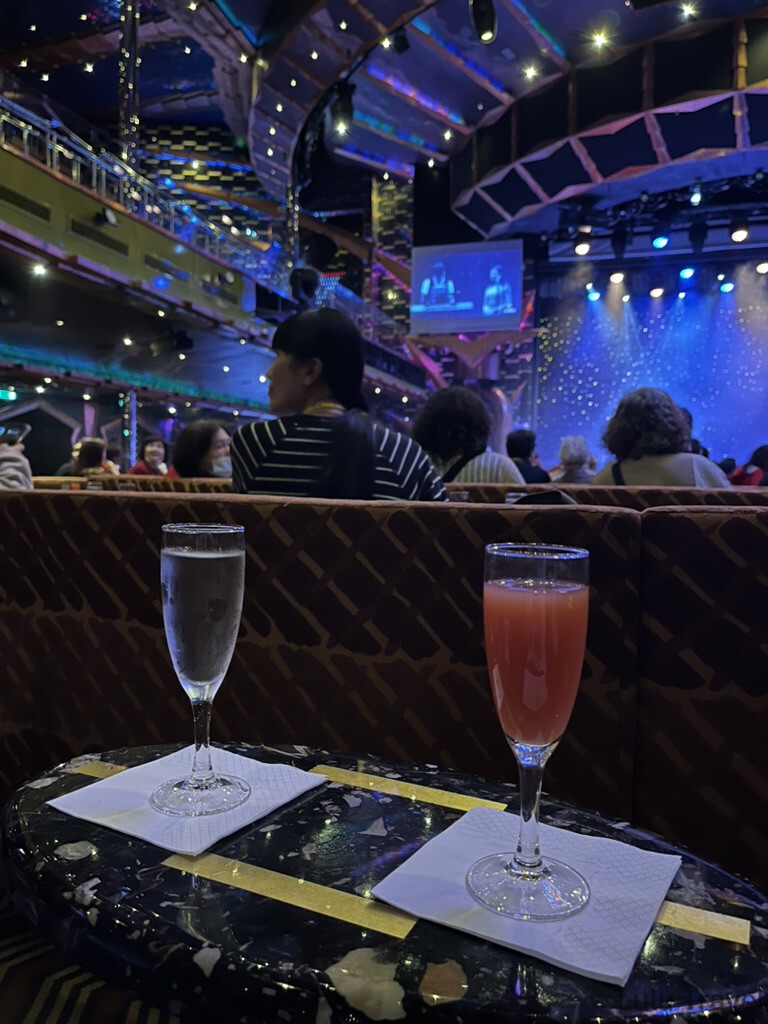
The ship provides basic water and tea bags. If you drink a lot or enjoy alcohol, the beverages package is worth the price — but everyone in your cabin has to buy it together; one person can’t opt in alone. If you only want a drink occasionally, ordering individually is the smarter call.
For drinking water, two bottles of mineral water are provided in the cabin on day one; for more, you can buy bottled water at the shops or drink the desalinated water at the free restaurants.
TIP 9Luggage Handling Is Surprisingly Smooth
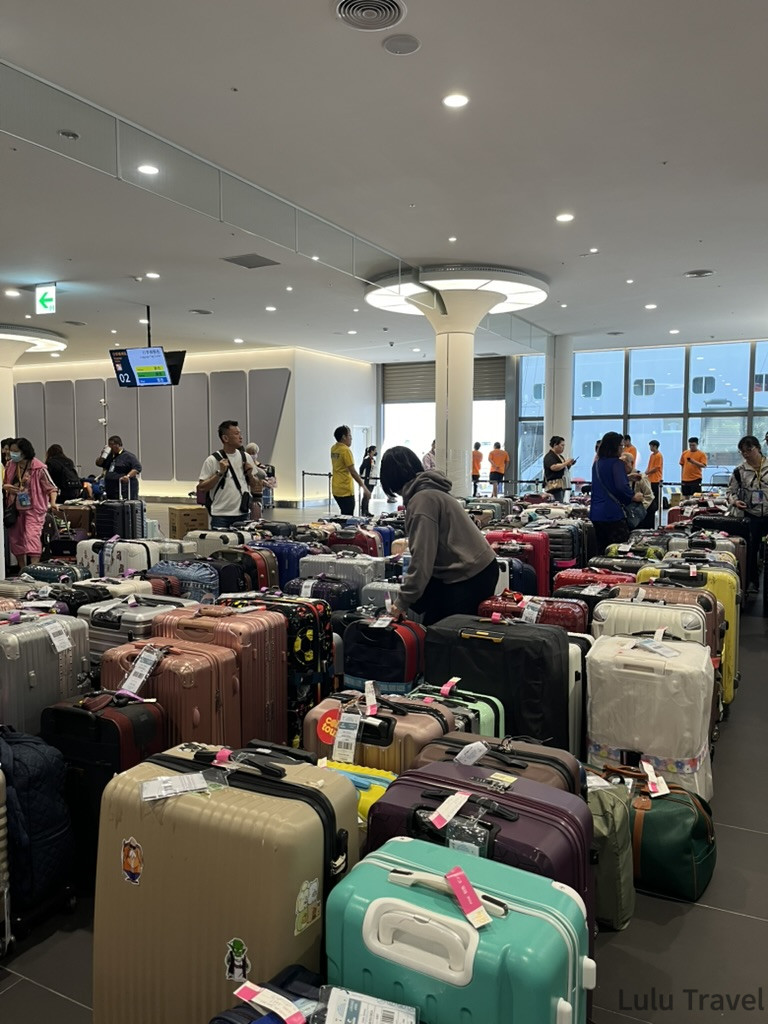
Large bags are checked in at boarding and delivered straight to your cabin door by staff. The one catch: security screening can delay delivery by up to two hours after departure, so keep essentials in your carry-on. On the last night, leave your bags outside the door and they’ll be collected; you pick them up at the terminal. The whole system means you never drag luggage through the ship.
Keep your passport, documents, valuables, medication and fragile items in your carry-on — don’t put them in checked luggage.
TIP 10The Best Way to Bring a TV Home from Japan
There are no airline luggage limits on a cruise — fellow passengers actually boarded with televisions and rice cookers. If you’re doing a Japan shopping trip and dreading excess-baggage fees, a cruise genuinely solves that problem.
For the relevant restrictions, check each cruise line’s latest announcements.
So, Is Cruise Travel Worth It?
If you want to switch off, stop planning, and wake up in a different country — yes, some cruises deliver exactly that. But if you love exploring cities freely, going deep on sights, or eating well, the ship can feel like a cage. If budget allows, upgrading to a balcony cabin, buying priority boarding, booking specialty restaurants and getting a proper Wi-Fi plan makes the whole experience noticeably better. I don’t regret this trip — but it dismantled everything I thought I knew about cruising. Maybe that’s the point of travel: not every holiday is effortless, but each one teaches you something about yourself. Read more: more Japan travel articles.
FAQFrequently Asked Questions
Is the Kaohsiung-to-Japan island-hopping cruise good for first-timers?
Good as an introduction, but adjust your expectations first. Departing from Kaohsiung requires no flights, which lowers the barrier a lot, and the Okinawa–Miyako-jima combination offers a decent variety of sights. That said, the core of a cruise is life on the ship, not in-depth sightseeing; shore time is limited, and if your goal is freely exploring a city, a cruise may feel restrictive.
Will I get seasick? Is a large cruise ship more stable?
A big ship is more stable than a small one, but if you’re prone to motion sickness you’ll still feel a continuous low-level sway even in calm conditions — and it’s 24 hours, not just while moving. Pack motion-sickness medication and take it in advance, and choose a mid-ship cabin; front and rear sections rock noticeably more.
Do shore excursions have to be bought on the ship? Can I arrange my own?
You can arrange your own, but you need to plan ahead. Onboard excursions can’t be booked before departure — only after boarding — and popular ones sell out fast. Miyako-jima has almost no public transport, so without a pre-arranged car or group tour you’re essentially stuck. Book local activities yourself before you leave home rather than relying on the ship’s desk.
How do you handle internet on a cruise? How much does it cost?
Onboard internet runs on satellite and is expensive, with multiple tiers — social-media package, WhatsApp package, full access and more — with daily rates from a few dollars to over ten USD depending on the plan. If you only need internet ashore, consider a destination eSIM for port days and accept the offline time on the ship.
How does luggage work on a cruise? Do I have to carry it to my cabin?
No carrying required. Large bags are checked in at boarding and delivered straight to your cabin door by staff. The one thing to know: security screening can delay delivery by up to two hours, so keep essentials in your carry-on after boarding. On the last night, leave bags outside your door and they’ll be collected for you to pick up at the terminal.