01Why Choose Public Transport for Your Mount Fuji Trip?
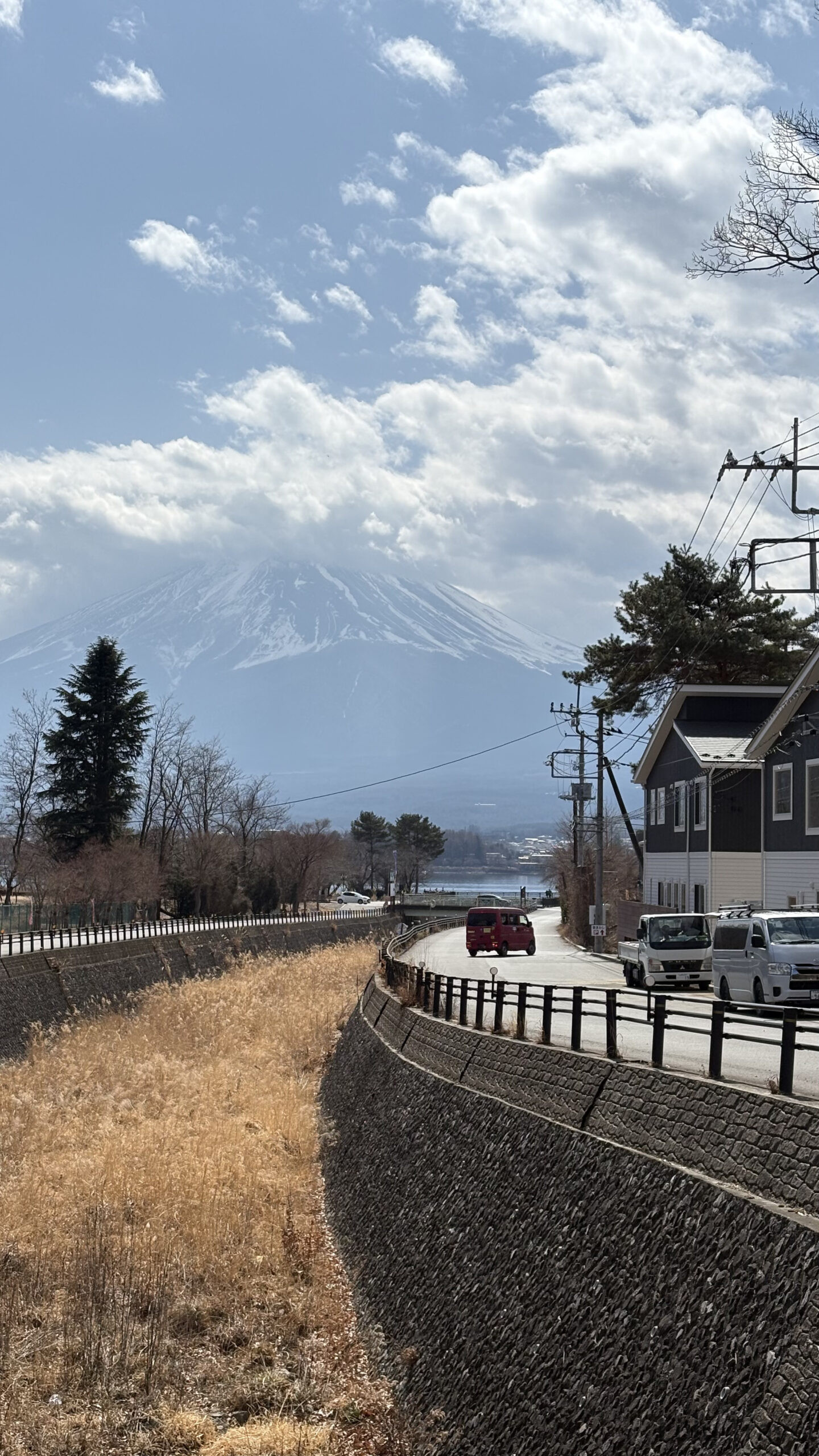
Before we left, my travel companion and I reached a simple consensus: we had to see Mount Fuji. So, minus the two travel days, we spent all three remaining days at the foot of the mountain. Because our goal was focused and we weren’t trying to cover too much ground, relying entirely on public transport was not just enough — it was genuinely stress-free. As for luck: over those three days Fuji showed us three completely different moods — a crystal-clear summit under cloudless skies, a shy peak playing peek-a-boo behind the clouds, and finally disappearing from sight entirely.
02Day 1|Taiwan → Tokyo → Shinjuku: A Buffer Day
The only goal on day one was to arrive smoothly and rest up. After clearing immigration, we took the pre-booked Narita Express (N’EX) from Narita Airport to Shinjuku.
One lesson learned: buy food before you board — the N’EX has no dining car, and sitting there hungry through dinnertime without a proper ekiben was one of our biggest regrets of the trip.
That night we stayed at Via Inn Shinjuku, and were pleasantly surprised to find a small living-room area in the room — perfect for eating convenience-store finds, a real plus after a long travel day.
03Day 2|Shinjuku → Kawaguchiko: First Sight of Fuji
The next morning we took the pre-booked Fujikyu Railway straight to Kawaguchiko.
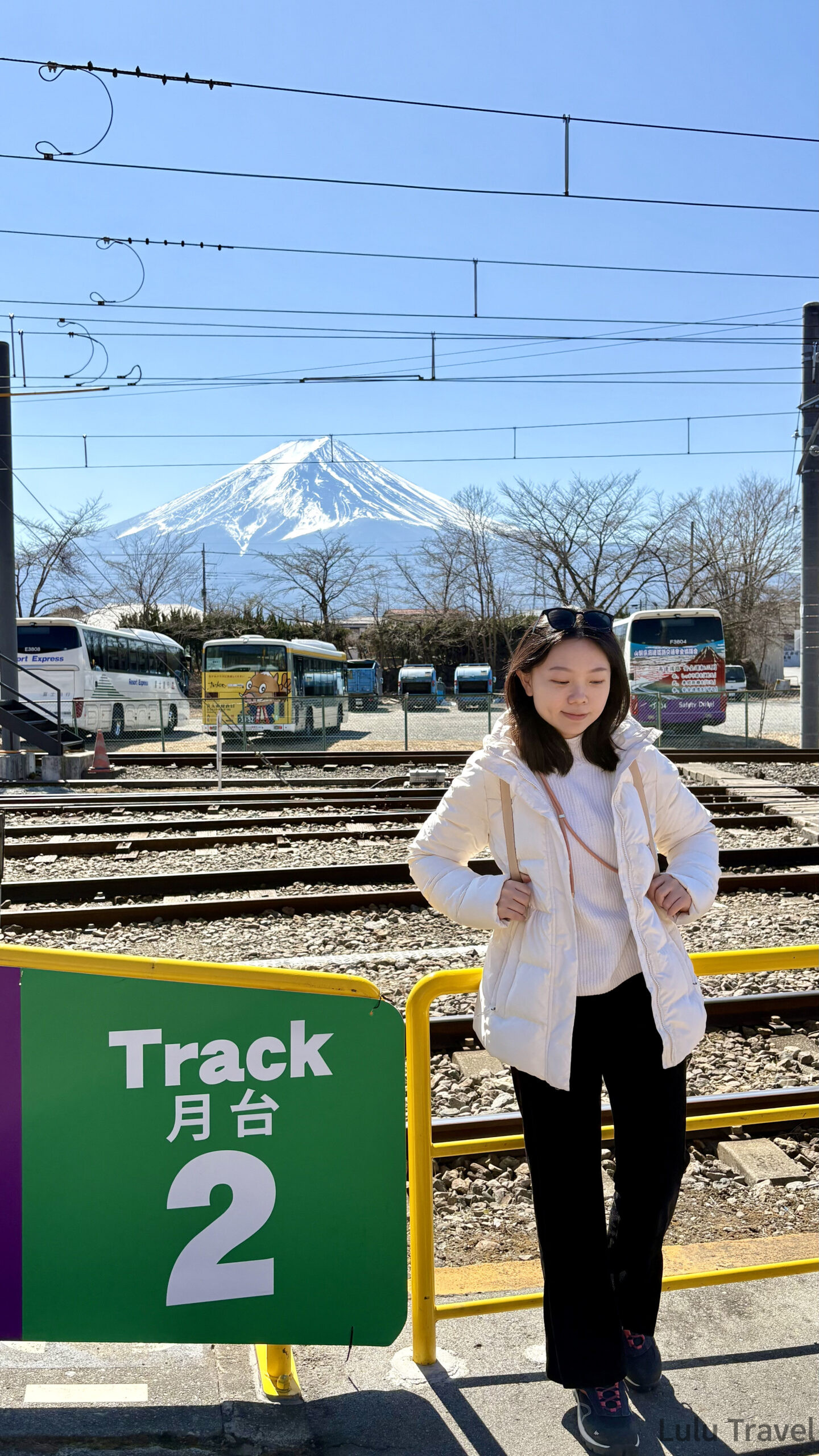
A seating tip: sit on the left and Mount Fuji fills the window for most of the journey, though after Fujikyu Highland Station the right side gets a brief view too.
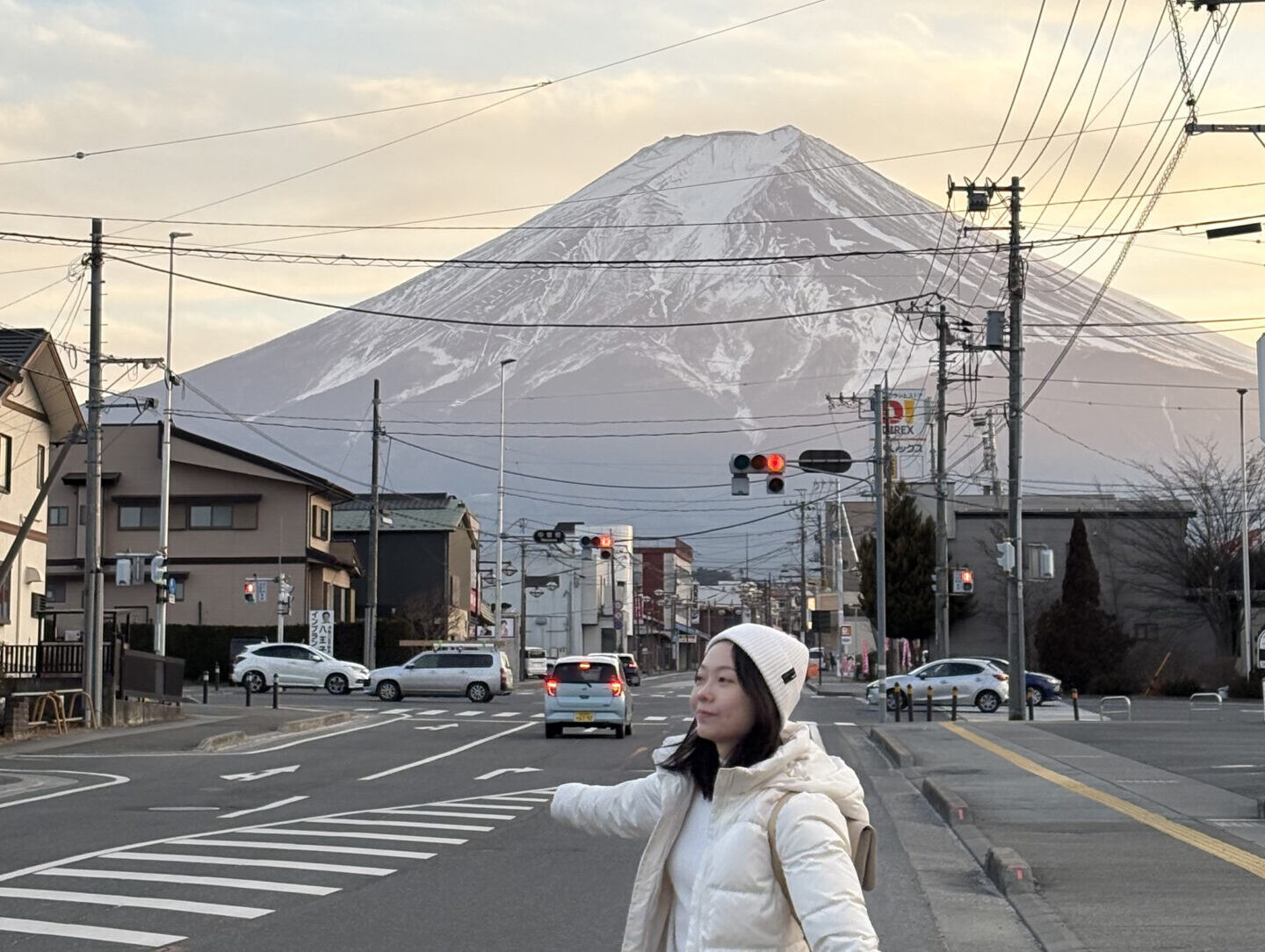
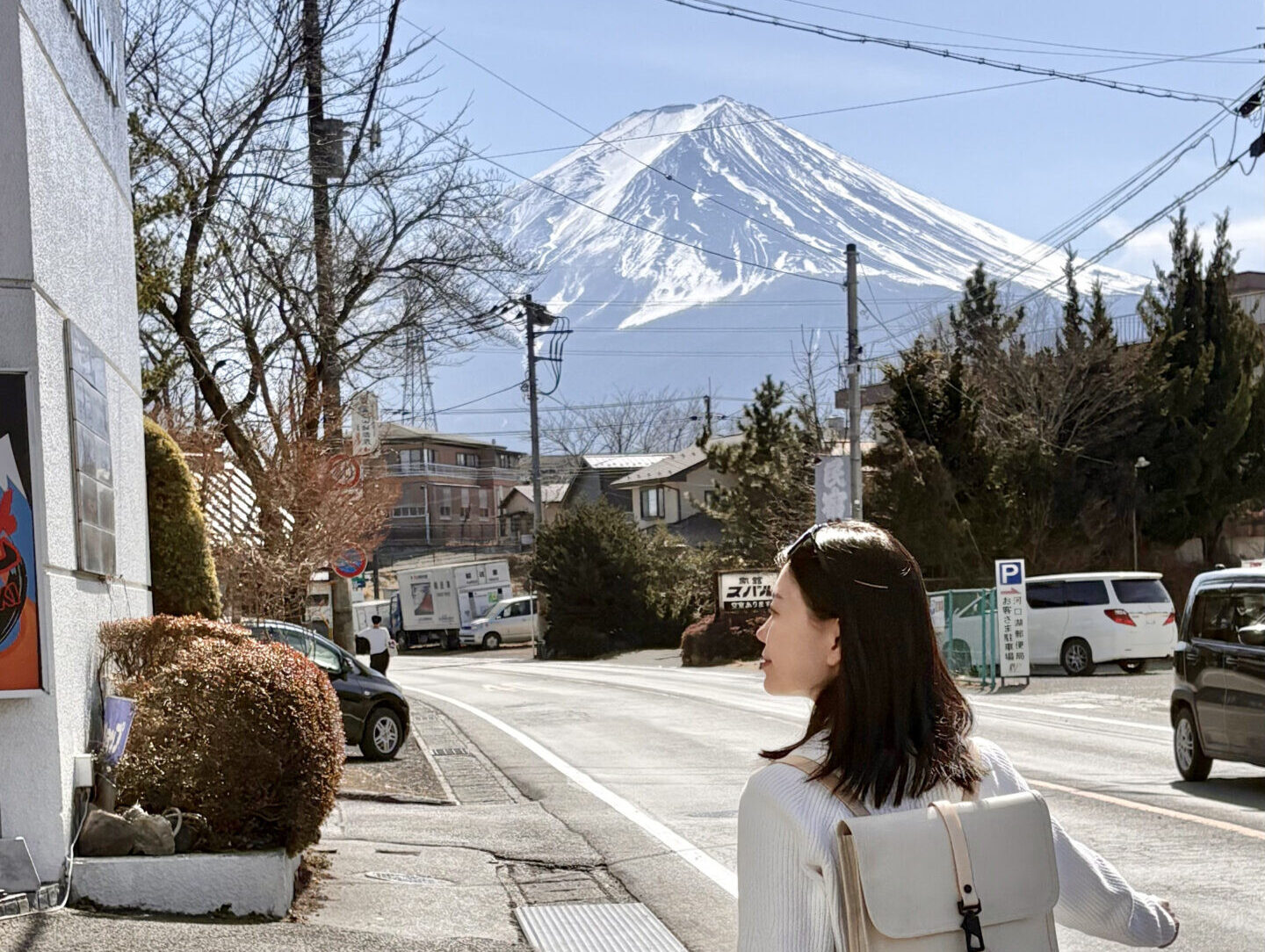
Mount Fuji was completely clear on arrival day — a big view on day one, very lucky. Drop your bags at the hotel first; we were the first group to check in that day and were given a room with a Fuji-facing view.
Our afternoon itinerary:
- Arakurayama Sengen Park viewing platform: morning light is better here; afternoons can be backlit
- Fujiyoshida retro shopping street: the classic crosswalk shot — fewer people queuing as the sun starts to set
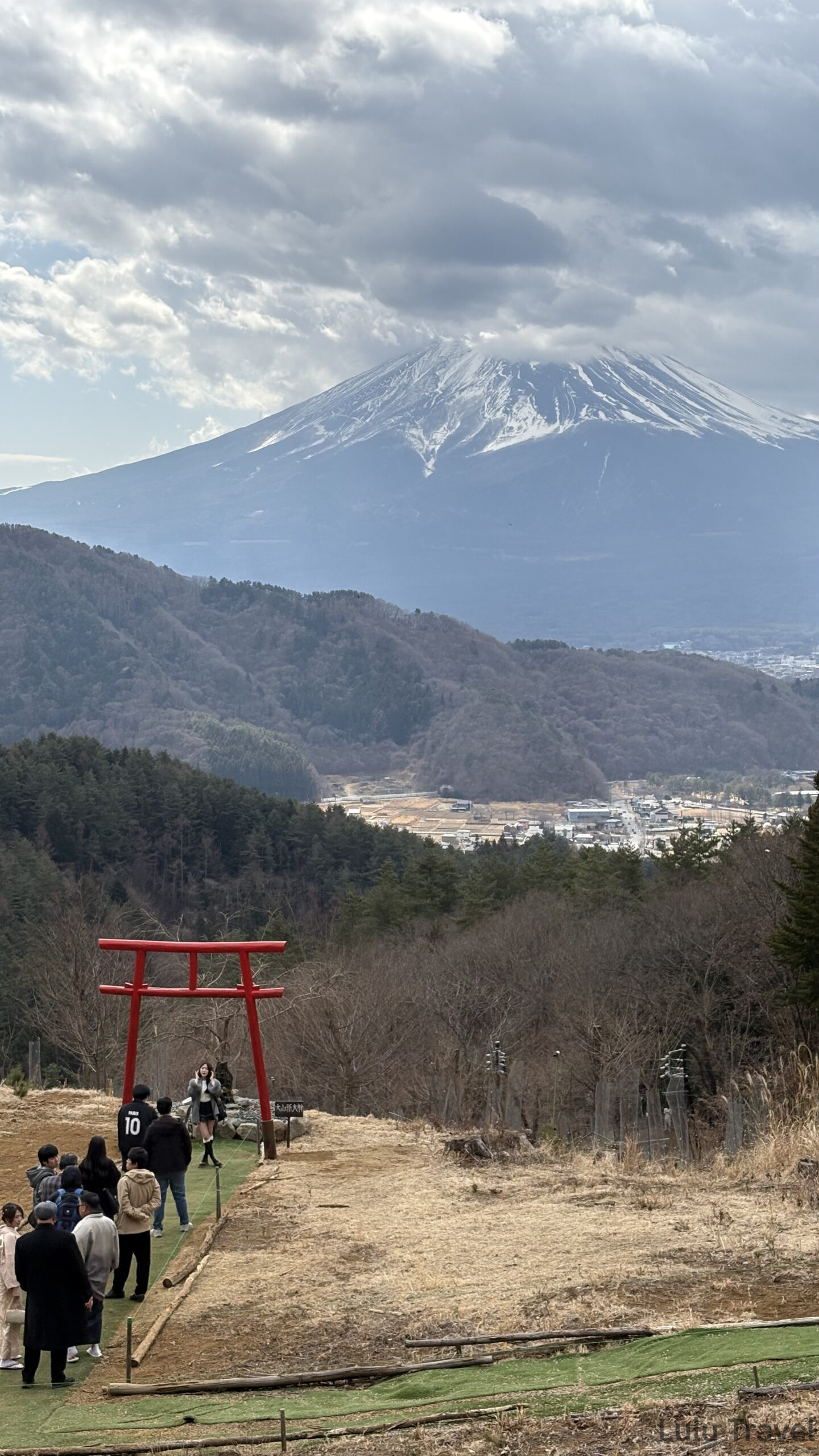
- Kanadorii (Golden Torii): a fair walk from the shopping street; skip it if you’re short on time
04Day 3|Staying in Kawaguchiko: The Flexible Backup Day
Having already seen the big view on day two, day three felt much more relaxed — the main mission was done. After breakfast we walked from Kawaguchi Sengen Shrine up to another well-known photo spot, the Kawaguchi Sengen Shrine Yohaisho (worship platform), and were lucky to nearly have it to ourselves on early arrival; crowds only began pouring in as we finished (see photo, left) — probably guests arriving after check-out — so come early to enjoy this different face of Fuji in peace.
A heads-up: entering the core photo area requires dropping a ¥100 coin on-site as an environmental-maintenance contribution.
In the afternoon we took the Kawaguchiko ropeway up to Tenjoyama Park. After queuing to go up, Fuji was still hiding in the clouds; the mood was calmer than the day before — more of a “let’s just take a walk” visit than a photo mission. On a cloudless day it would surely be stunning.
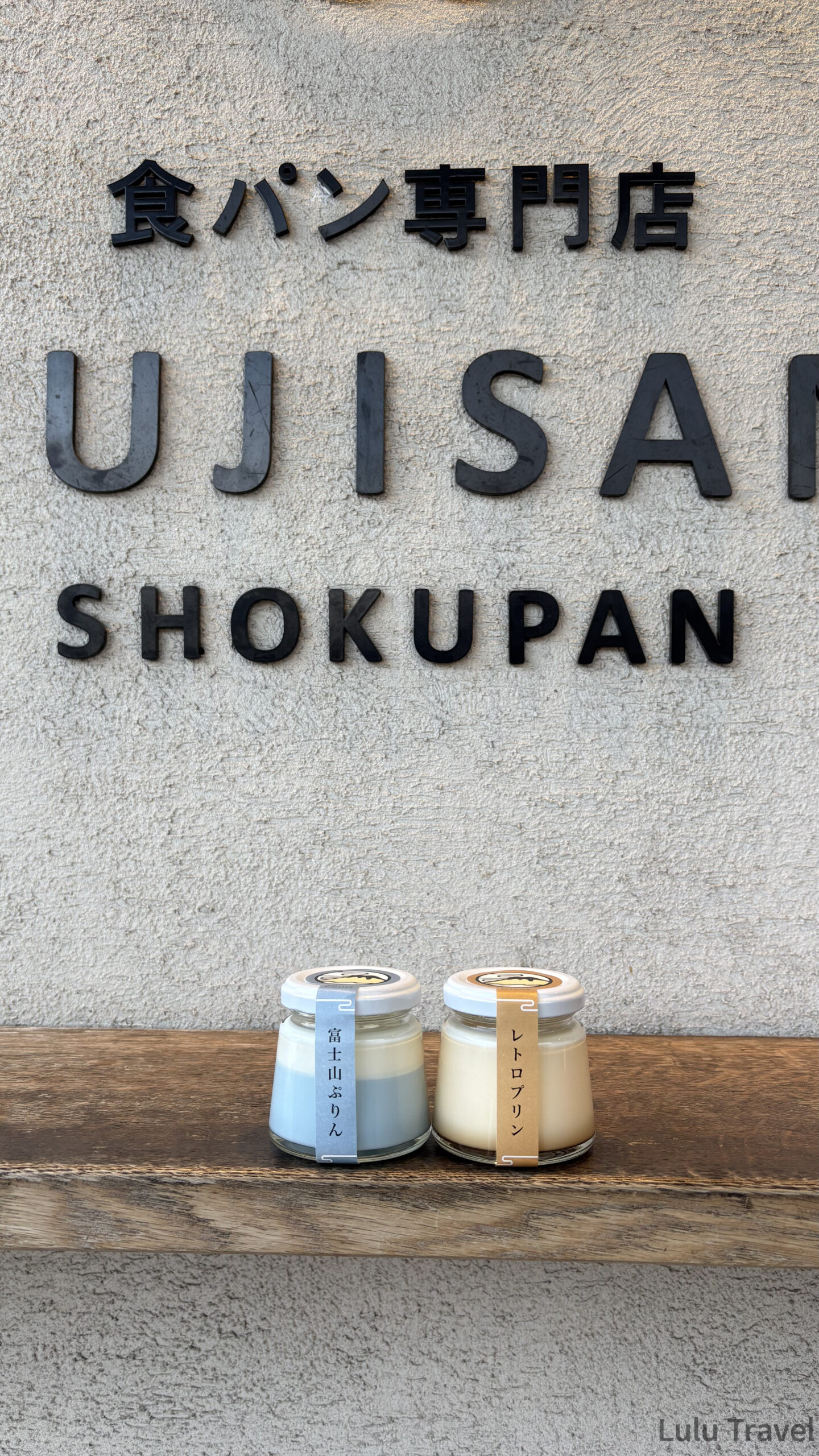
Back in Kawaguchiko, we finally had time to browse souvenirs properly — FUJIYAMA COOKIE and Fujisan Pudding are two of the most recommended Fuji-themed sweets. Don’t leave it too late in the day, or eager visitors will have bought them out.
05Day 4|Kawaguchiko → Shinjuku: Leaving Early as the Weather Turned
We’d originally planned to leave in the afternoon, but the night before, hotel staff warned of an incoming snowstorm; waking to find Fuji completely buried in cloud and rain setting in, we decisively switched to the highway bus back to Tokyo.
The afternoon turned into a city day — we went to Odaiba to visit IMMERSIVE FORT TOKYO, billed as the world’s first fully immersive experience-themed facility. If you understand Japanese it’s a genuinely worthwhile indoor programme — though it has since closed.
06Day 5|Shinjuku → Tokyo → Taiwan: Heading Home
For the return stay in Shinjuku we switched to an APA Hotel — no living room, but better onsen facilities than the first place; each has its strengths, so choose by what matters most to you.
For the way home we again took the Narita Express, closing out a trip built entirely around Mount Fuji. Looking back, I still feel lucky — no regrets at all. Read more: more Japan travel articles.
FAQFrequently Asked Questions
Can public transport replace a rental car for a Mount Fuji trip?
Yes — this entire trip was done by public transport. We took the Fujikyu Railway from Shinjuku to Kawaguchiko, got around mainly by local bus and on foot, with just a brief ropeway ride for the view. Not a single leg required a car.
How many days is enough for Mount Fuji? Do you have to stay near Kawaguchiko?
If your goal is actually seeing Mount Fuji, budget at least two full days in the Kawaguchiko area and build in a backup day for weather. Visibility changes dramatically — the mountain can look completely different between morning and afternoon on the same day — and staying lakeside lets you check the window and adjust on the fly. A day trip from Tokyo means bad weather wastes the whole journey.
Which side of the Fujikyu Railway has the view of Mount Fuji?
Travelling from Shinjuku, the left side has the best Fuji view before Fujikyu Highland Station — but after that stop, the right side also gets a brief glimpse. Worth confirming your seat direction before boarding, especially on a clear day.
What souvenirs should I buy in Kawaguchiko? Anything to watch out for?
FUJIYAMA COOKIE and Fujisan Pudding are the two most recommended Fuji-themed sweets — the cookies have a cute shape and travel well back to Taiwan, while the pudding is better eaten on-site. Both sell out quickly, often gone by mid-afternoon, so work them into your morning or lunchtime plans rather than leaving them as an afterthought.