01Hong Kong Itinerary Design: Optimizing Your Route
Hong Kong moves fast, and if the itinerary slips even slightly, the fatigue amplifies immediately. So when planning this self-guided trip, the first question wasn’t where to go, but which movements could be cut out entirely.
In Hong Kong we relied almost entirely on the Octopus card. On an iPhone you can add it straight to your wallet, and if you also have an Apple Watch you can load a second transit card onto it — very convenient. For the story of how the Octopus card once saved me, see this post: Hong Kong Airport Ordeal|Contraband Held, Missed Check-in, One Extra Night
02Why Hong Kong Rewards Planning Ahead
Hong Kong’s attractions are densely packed — if you get the sequence right you almost never need to double back, but only if you don’t leave it to on-the-spot decisions. Thinking through the purpose of each leg of movement in advance saves a remarkable amount of energy and time.
Hong Kong’s attractions cluster mainly in the prime urban areas of Central, Tsim Sha Tsui, and Mong Kok. Within a total area of about 1,111 square kilometres (the built-up core is far smaller), turning a single corner can take you from skyscrapers and historic monuments to a shopping mall or a local street market.
DAY 1After Arrival, Do One Thing: Get a Feel for the City
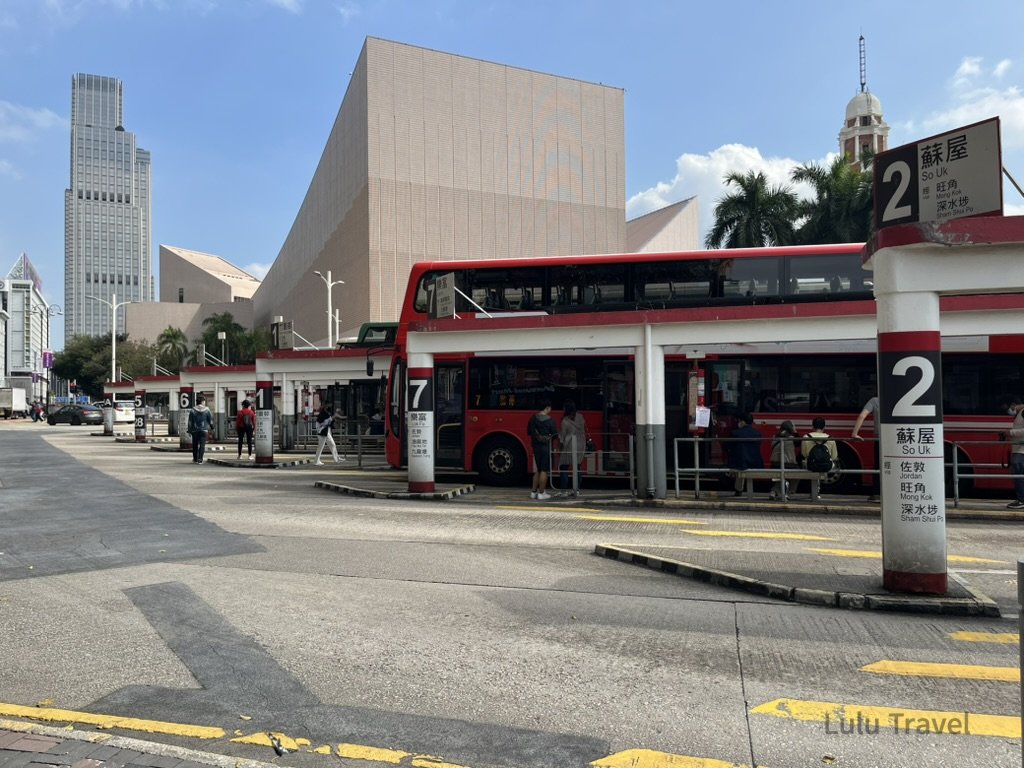
Up at 7:00am, out the door by 8:00am, departing Kaohsiung at 11:20am, landing in Hong Kong at 12:55pm. After clearing immigration, took the Airport Express to Kowloon, then switched to a bus to Jordan to drop off luggage at the accommodation.
The Airport Express from the airport into the city is a must — 24 minutes direct, with trains running every ~10 minutes. I’ve taken it many times for work trips and the experience is consistently good.
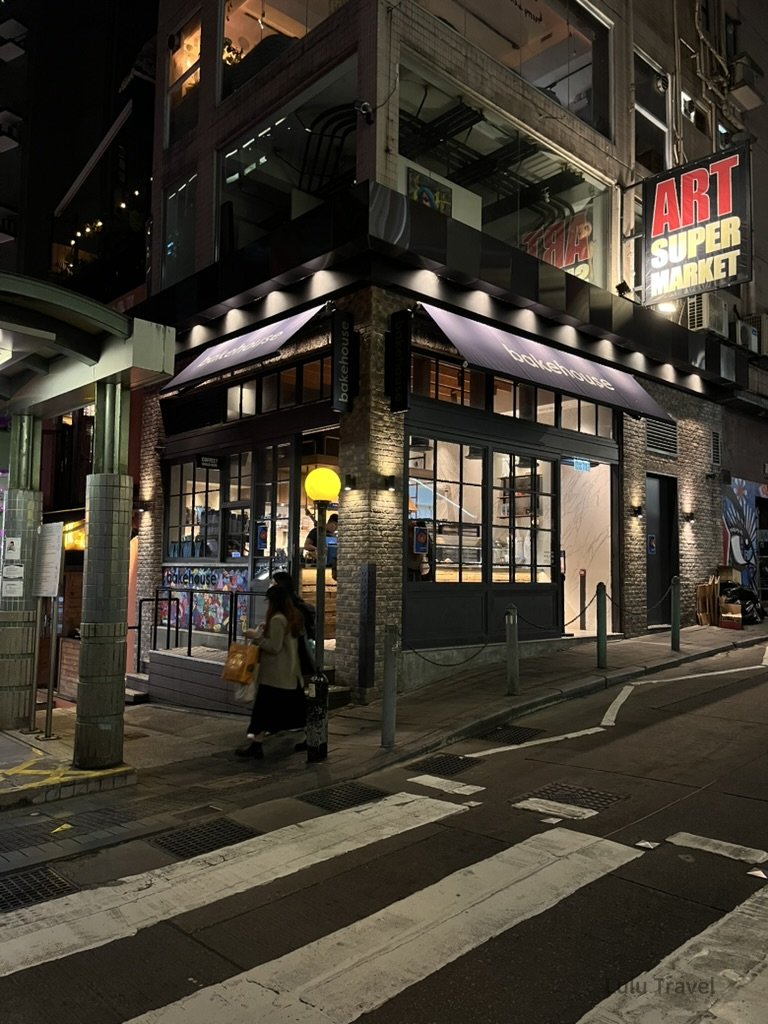
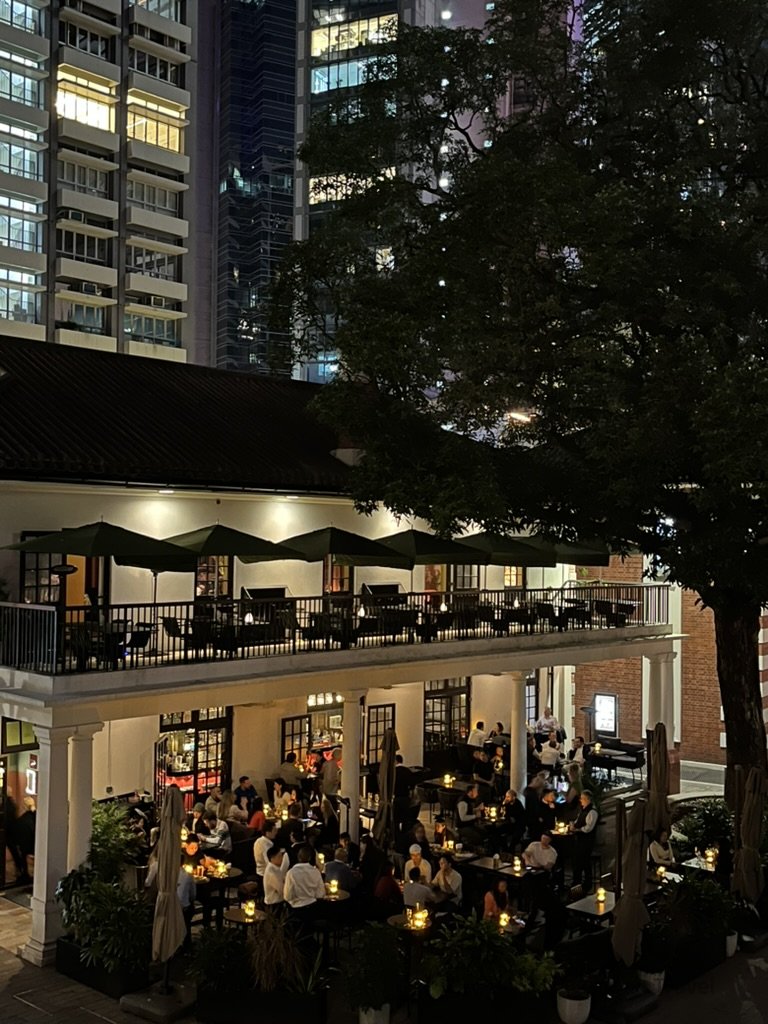
Luggage dropped, straight to the MTR for Tsim Sha Tsui. First stopped at the recently very popular Bakehouse and Hashtag B for a bite, and pre-ordered egg tarts to bring back to Taiwan.
Egg tarts can be carried on board by hand and legally brought back to Taiwan, as long as they contain absolutely no meat (no dried-pork or pork-floss flavours). Arrange pickup for the last day of your trip to keep them at their freshest and crispiest. They must be hand-carried and kept flat the whole way — never put them in checked luggage, or the delicate layered pastry will get crushed and crumble.
Then took the MTR from Tsim Sha Tsui to Central for the first stretch of city walking:
- Central Market:a market building completed in 1939, revived with its original terrazzo staircase and red retro decor intact, now housing local creative shops and restaurants — the most authentic old-Hong Kong atmosphere of any indoor space in Central.
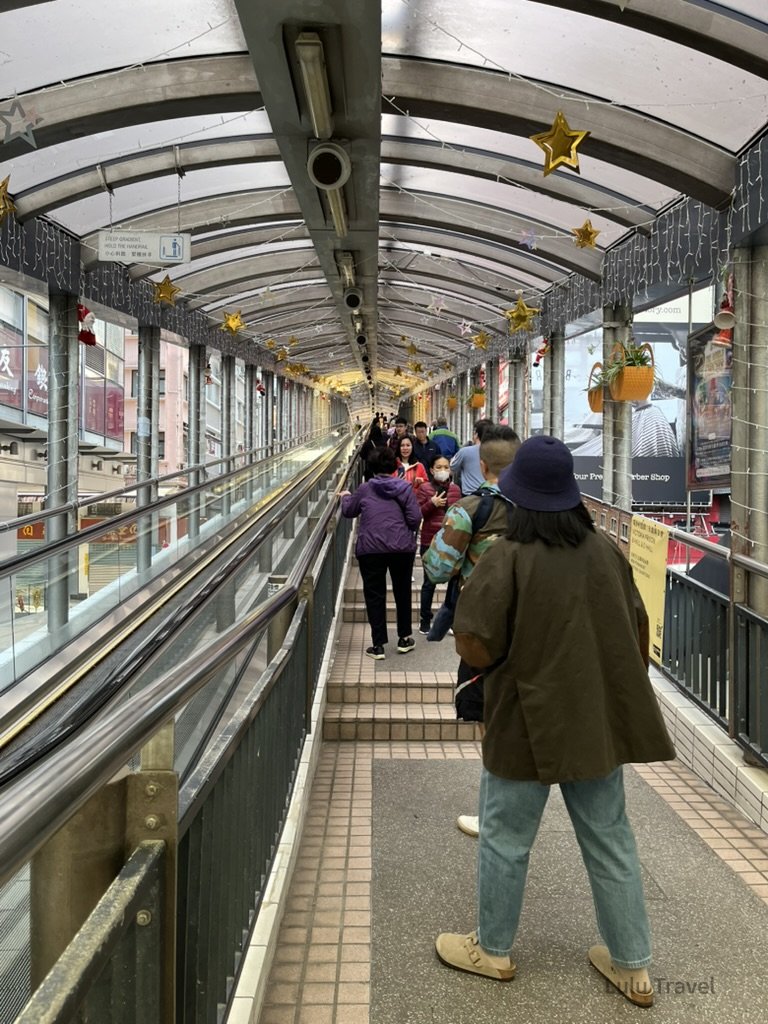
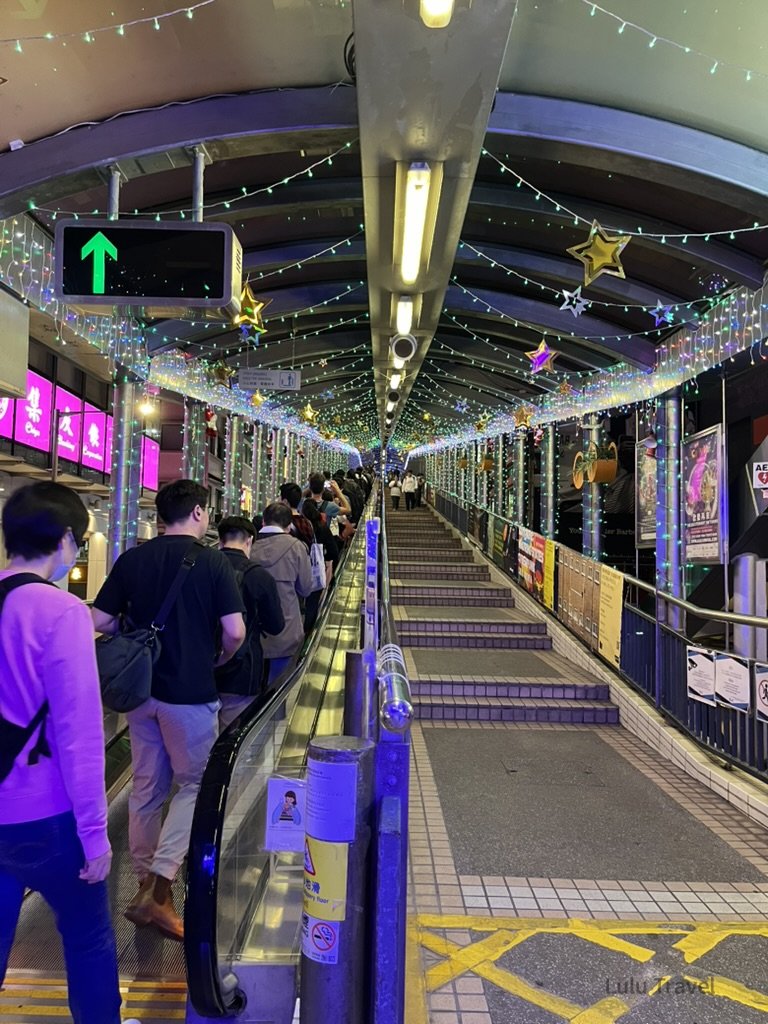
- Mid-Levels Escalator area: the world’s longest outdoor escalator at 800 metres, opened in 1993, linking Central to the Mid-Levels residential area. The route passes through Lan Kwai Fong, SOHO, and Hollywood Road — a filming location for Chungking Express — so a single ride effectively walks you through the most essential streets of Central.
- Tai Kwun (Heritage and Arts): revived from the former Central Police Station compound, retaining Victorian stone buildings and the old prison exercise yard, with contemporary art exhibitions, restaurants, and shops inside. Free entry — one of Hong Kong’s largest heritage revitalisation projects.
- PMQ:formerly married police quarters from the 1950s, now home to over 100 local designer brands selling handmade goods, design apparel, and lifestyle items, with regular creative markets and exhibitions. A must-stop on the Central design-lover’s circuit.
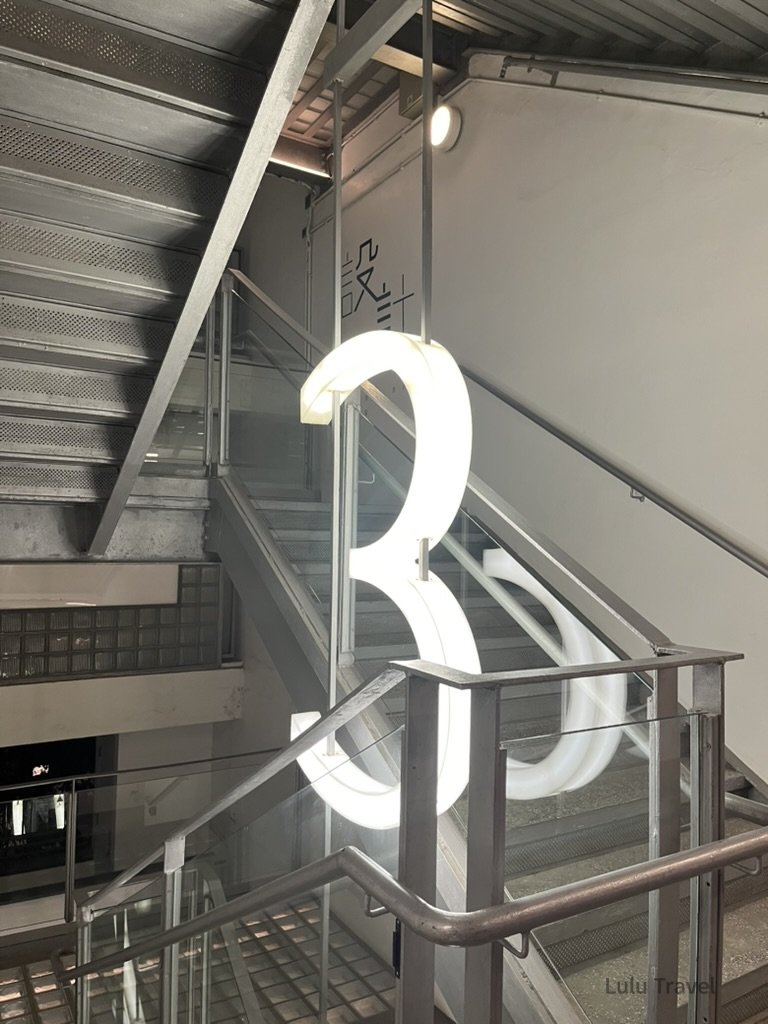
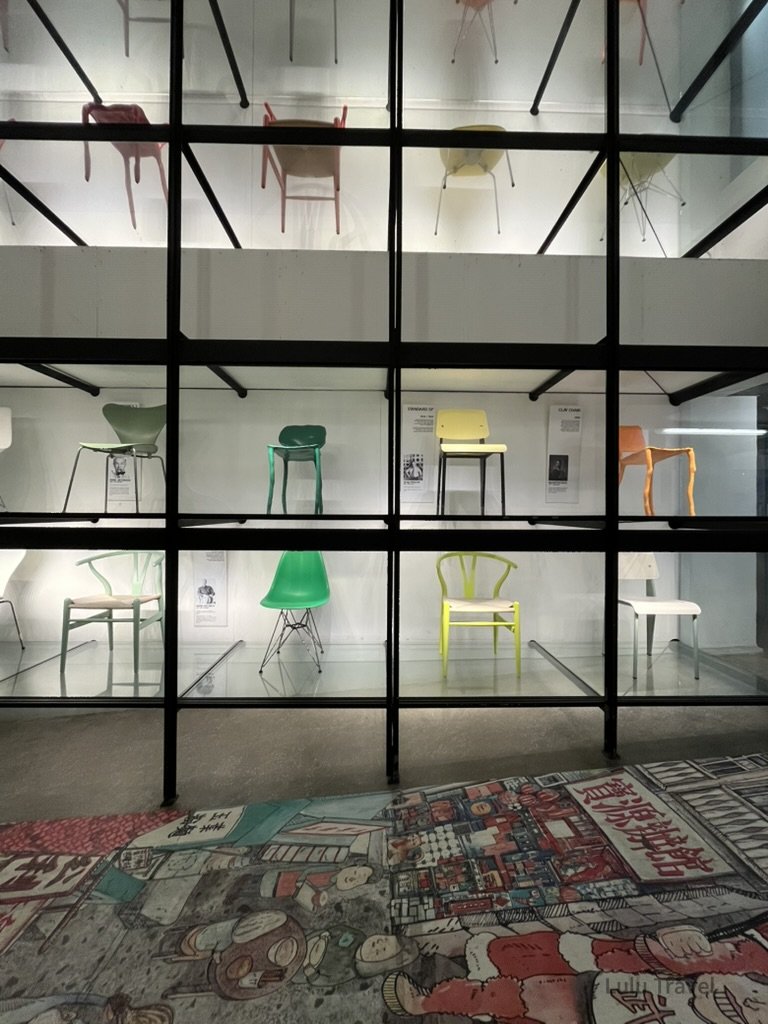
After dinner, exiting from Pacific Place and walking east along Queen’s Road East, made a detour through the Star Street Precinct — a neighbourhood dotted with cafes and design shops, with a lovely atmosphere in the early evening. Then hopped on a tram (ding ding), riding along the tramline from Wan Chai toward the city and taking in the Hong Kong Island streetscape.
Riding the Hong Kong tram (ding ding) is simple: board at the back, exit and pay at the front when you get off. The flat adult single fare is HK$3, and no change is given.
Got off near Arsenal Street and walked through Tonnochy Road toward Wan Chai Ferry Pier — roughly 10 to 15 minutes on foot, or a quick taxi if energy is running low. Took the Star Ferry, Hong Kong’s oldest cross-harbour ferry, across Victoria Harbour — about a 10-minute crossing with views of both shorelines — then, after docking at the Kowloon Public Pier, wandered along the Tsim Sha Tsui waterfront once more.
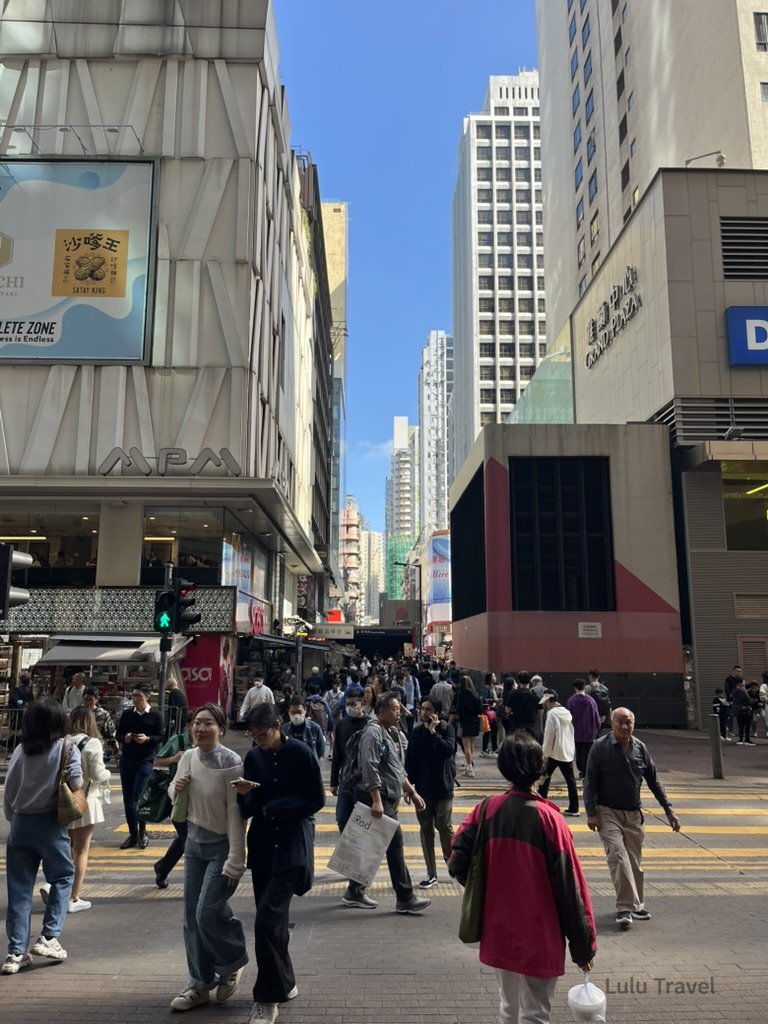
DAY 2Concentrating on Kowloon to Minimise Inter-District Travel
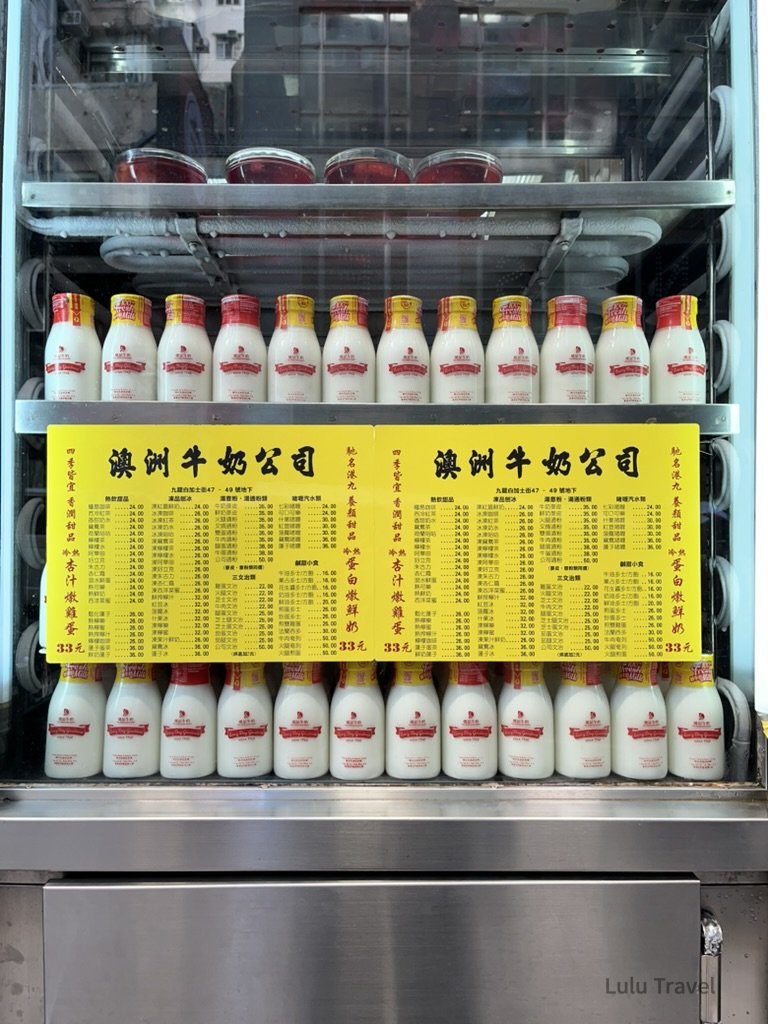
Woke up at 9:00 am and headed to the Australia Dairy Company for breakfast. After the meal, took the MTR from Jordan to Mong Kok for a photo walk around the 618 Shanghai Street and Mong Kok Road area.
The Australia Dairy Company is a legendary cha chaan teng (ice room) in Jordan, Hong Kong, founded in 1970 and famous for its lightning-fast service, silky scrambled eggs, and steamed egg-white milk custard. The name comes from the owner’s early years working on an Australian farm, and it stubbornly remains a single shop with no branches.
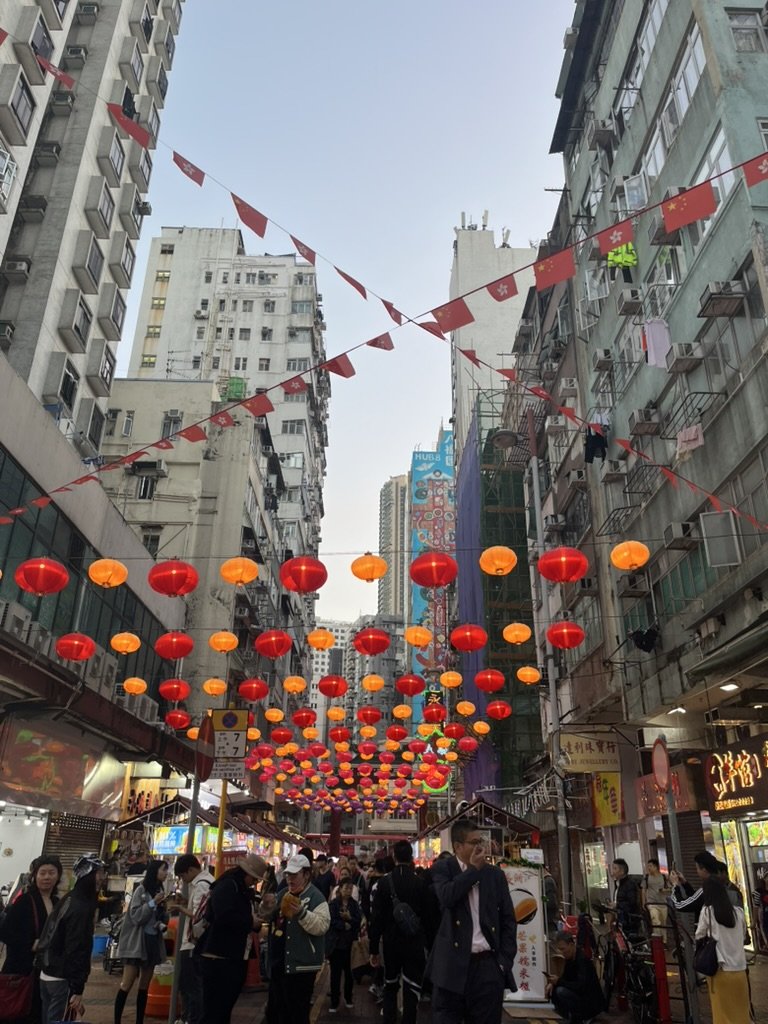
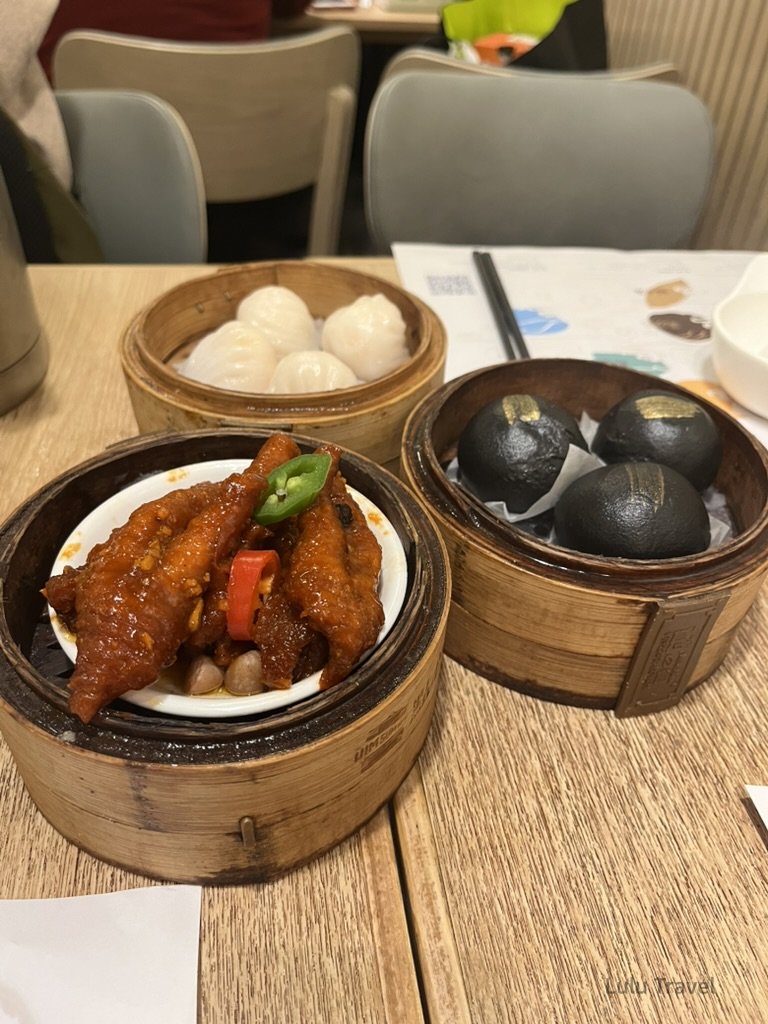
For lunch, consider Jollibee — nicknamed the “Filipino McDonald’s” — or a McDonald’s in Mong Kok for Hong Kong-only menu items. In the early evening, walk back to Jordan for dinner at Dim Sum To, where I also met up with a Hong Kong friend. After dinner, depending on your energy, either head back to rest or make your way to Temple Street Night Market. For dessert, try Mammy Pancake — a Michelin Street Food selection from 2016 to 2021 — or Kai Kai Dessert, a nine-year Michelin pick that has recently opened in Taiwan too; both are worth a short queue.
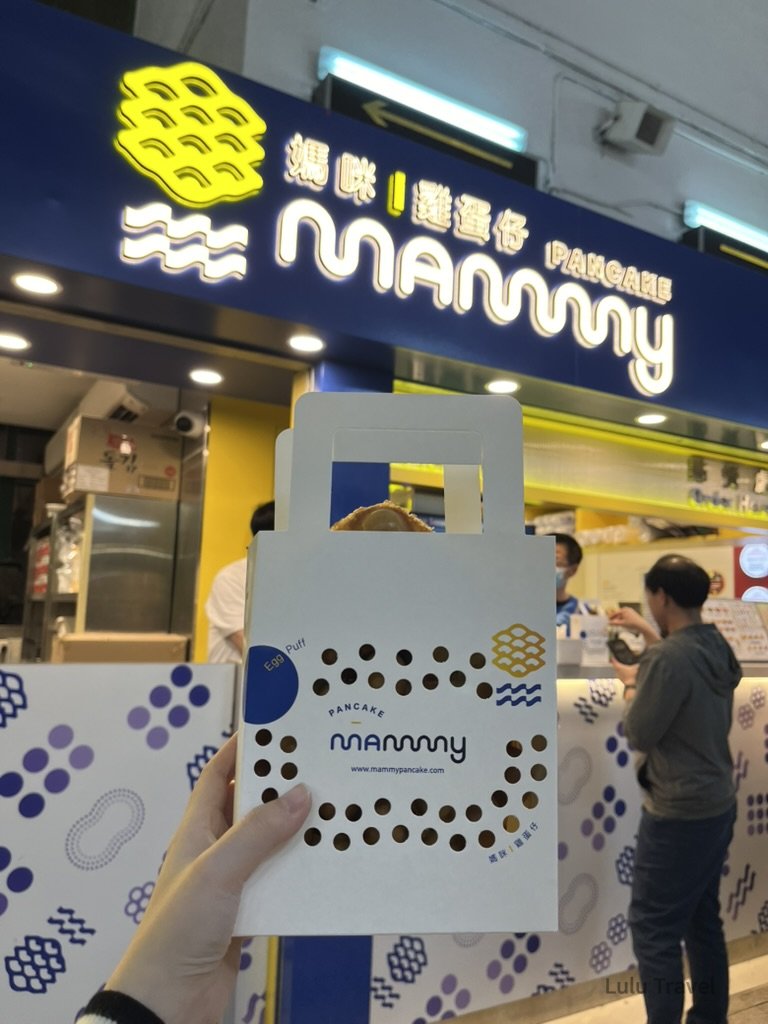
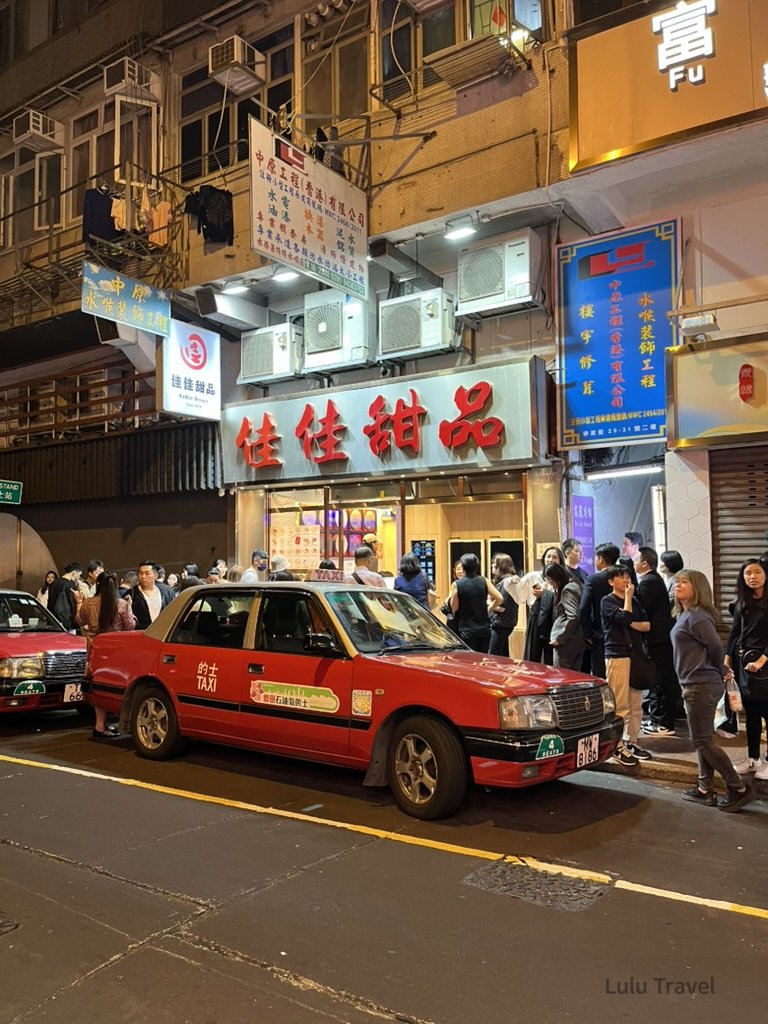
DAY 3Hong Kong Island and Kowloon — Final Integration
Up at 9:00am, took the MTR from Jordan to Mong Kok for breakfast at Wah Sing Ice Room.
Then took a bus or taxi to Tsim Sha Tsui, visiting in sequence:
- Avenue of Stars:the Tsim Sha Tsui waterfront promenade, with handprints of Hong Kong film stars lining the railings. The Bruce Lee and Anita Mui statues are here, and the Symphony of Lights show runs nightly at 8pm — also the most direct spot for Victoria Harbour views.
- K11 Musea:an arts-and-culture shopping mall on the Tsim Sha Tsui waterfront, with large-scale installation art throughout the corridors — browsing feels like moving through an exhibition, with more reasons to pause than your typical mall.
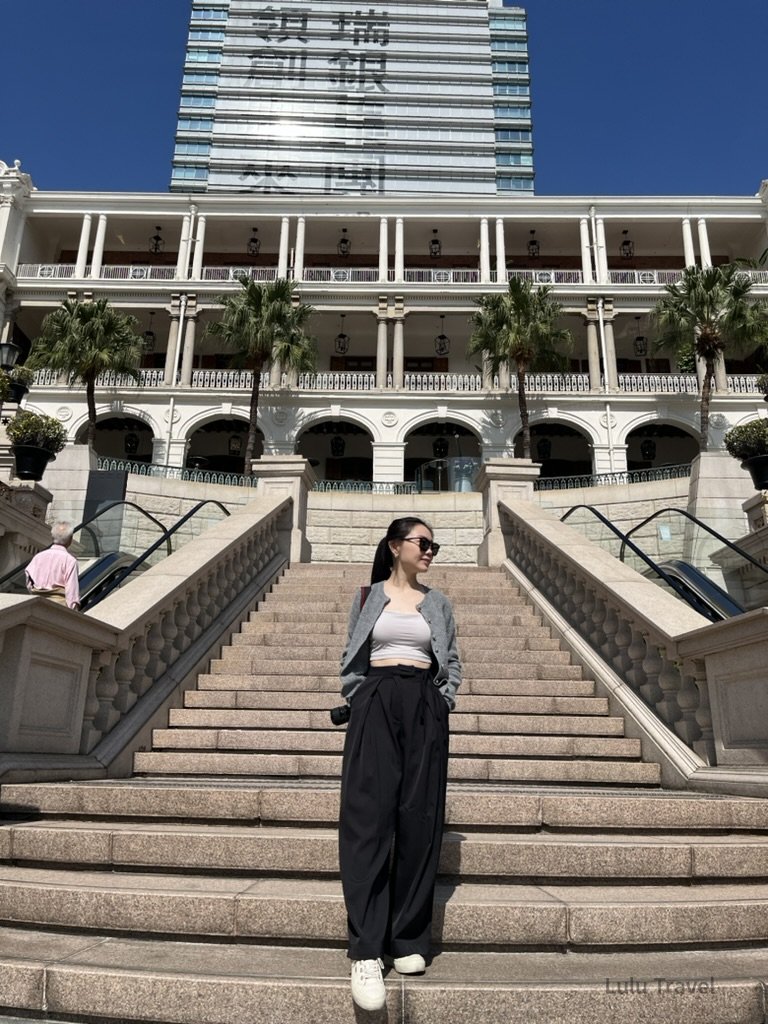
- 1881 Heritage:formerly the Hong Kong Marine Police headquarters built in 1881, now revived as a luxury retail complex. The Victorian stone architecture stands out dramatically against the surrounding modern towers — even without going inside, the facade is worth stopping to photograph.
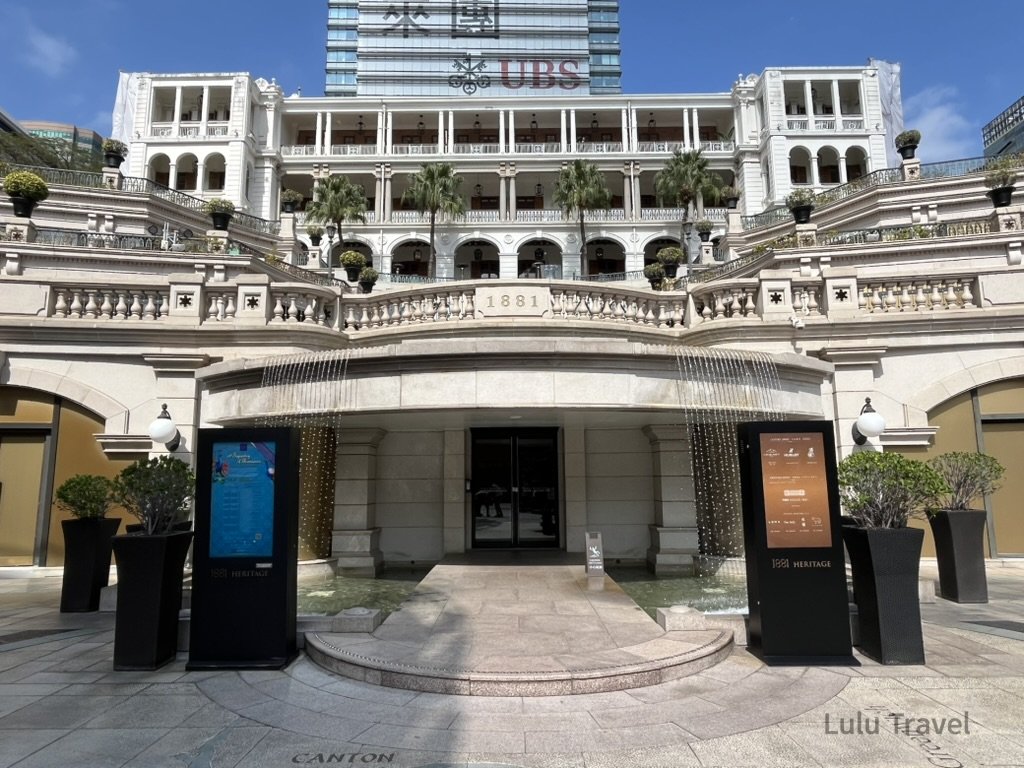
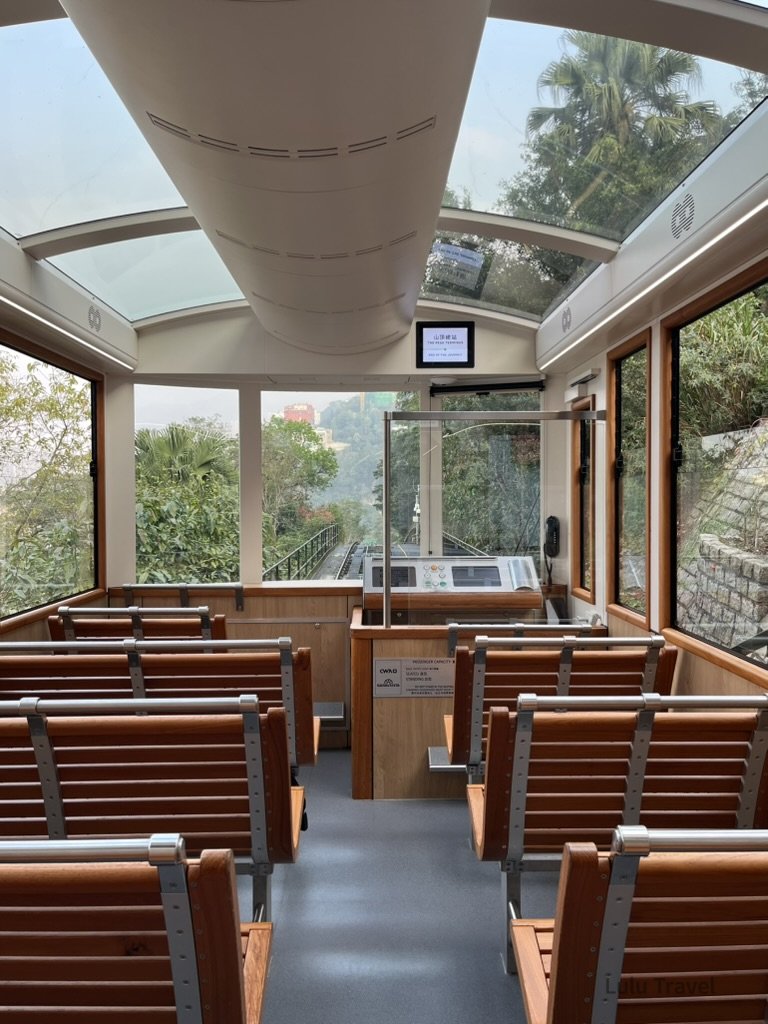
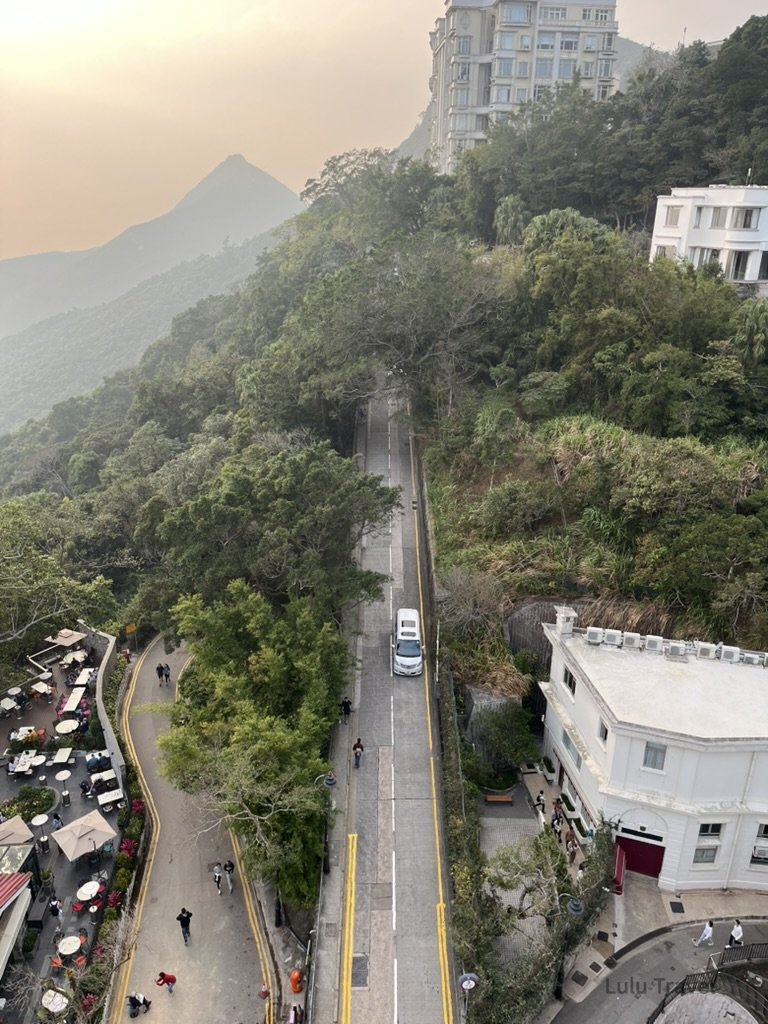
Then took the MTR from Tsim Sha Tsui to Central, re-entered the Central Market area, and walked to the Peak Tram station to ride up for the view. This is a very popular attraction, so be prepared for a long queue.
The Peak Tram is Asia’s oldest funicular railway, running between Garden Road in Central and Victoria Peak, open daily 07:00–22:00.
Coming back down, took the tram from Arsenal Street to Percival Street, stopping at Hashtag B / Bakehouse for a snack.
For lunch, chose Kowloon Restaurant in Causeway Bay, then browsed the Pak Sha Road and Fashion Walk area, continuing to:
- Victoria Park:the largest park in Causeway Bay, where locals do morning exercise and the Mid-Autumn Flower Fair and Lunar New Year Flower Market are held every year. A place to experience Hong Kong’s everyday life, with almost no tourist feel.
- Oil Street Art Space (Oi!): an old building in North Point revived as an arts space, with regular exhibitions and installations. Small in scale but free to enter, and the streets around Oil Street have an old-Hong Kong feel — perfect for a stroll and a drop-in.
- Monster Building (Yick Cheong Building): five 1960s residential towers in Quarry Bay connected into a massive complex. Standing in the central courtyard and looking up is the ultimate visual expression of Hong Kong’s high-density urbanism — it appeared in Transformers and Ghost in the Shell. Real people live here, so please keep the noise down.
Dinner in Wan Chai at Kam’s Roast Goose for roast goose rice, then over to Wellcome supermarket for souvenirs. My personal picks: Calbee Spicy Hot Potato Chips, Garden Chocolate Finger Biscuits, and Horlicks — all classic snacks.
Kam’s Roast Goose in Wan Chai, Hong Kong, is a renowned roast-meat restaurant that has held a Michelin star for several consecutive years. Founded in 2015 by a third-generation heir of the long-established Hong Kong institution Yung Kee Restaurant, it earned its star just four months after opening.
DAY 4Wrap-Up and Departure
Up at 8:00am to wash up, headed to Bakehouse in Tsim Sha Tsui to collect the pre-ordered egg tarts (out of the oven at 10:30), then took a taxi to Kowloon Station and transferred to the Airport Express. Arrived at the airport at 14:45 to check in, browsed the duty-free shops, and had lunch. Departed Hong Kong at 16:45, arrived in Kaohsiung at 18:15.
A small reminder: Hong Kong Airport is large, and Taiwan-bound flights are usually assigned to fairly distant gates, so leave extra time to walk to your gate.
ENDFinal Thoughts
When the route is right, Hong Kong’s density stops being a pressure and becomes an advantage — the sights are close together, every leg of the journey actually gets you somewhere you wanted to go, and there’s no need to push through on willpower alone.
Read more: More Hong Kong travel articles.
FAQFrequently Asked
How many days is enough for a first Hong Kong trip? How does this itinerary fit in?
3 to 4 days is a comfortable length. Hong Kong’s attraction density is high, and if you sequence it well you almost never need to double back — but the daily movement and sensory input are significant, and compressing it too much tends to leave you running on empty by the second half. This itinerary is 4 days, 3 nights, structured around Central, Kowloon, and the rest of Hong Kong Island respectively, with a clear start and end point each day.
Is the Airport Express worth it? Are there cheaper alternatives?
Yes, worth it. The Airport Express reaches the city centre in 24 minutes, runs frequently, and you can wheel luggage trolleys straight onto the platform — the most reliable option available. Buses are cheaper, but journey time stretches significantly in traffic and handling luggage is more awkward. For late-night arrivals or tight schedules, the Express’s reliability is worth far more than the fare difference.
Are the tram (ding ding) and Star Ferry just tourist gimmicks?
Not gimmicks at all — they’re actual transit options locals use. The tram runs along the Hong Kong Island tramline and is the most direct way to experience everyday street life on the island; take it in the early evening for the best light and atmosphere. The Star Ferry crosses Victoria Harbour from Wan Chai or Central to Tsim Sha Tsui in 10 minutes — you get views of both shorelines at once, one of Hong Kong’s best-value (or near-free) experiences. Neither needs special planning — just take them as they fit your route.
What’s worth picking up from Hong Kong supermarkets as souvenirs?
Wellcome and Park N Shop are the main supermarket options, with branches throughout the city. Worth bringing back to Taiwan: Calbee Spicy Hot Potato Chips, Garden Chocolate Finger Biscuits, and Horlicks — hard to find in Taiwan, lightweight, and easy to pick up without going out of your way.