01Why I Was Wrong About German Train Punctuality
The German concept of time was the first stereotype I saw shattered upon arriving in the country. Before visiting, my perception of Germany was one of clockwork precision: trains running on the dot, rigorous discipline, and everything following a strict, predictable schedule. For someone like me who loves to plan every detail in advance, Germany sounded like a dream — that is, until I had to wait for my very first train.
02Traveling Germany Is Mostly Waiting and Delays
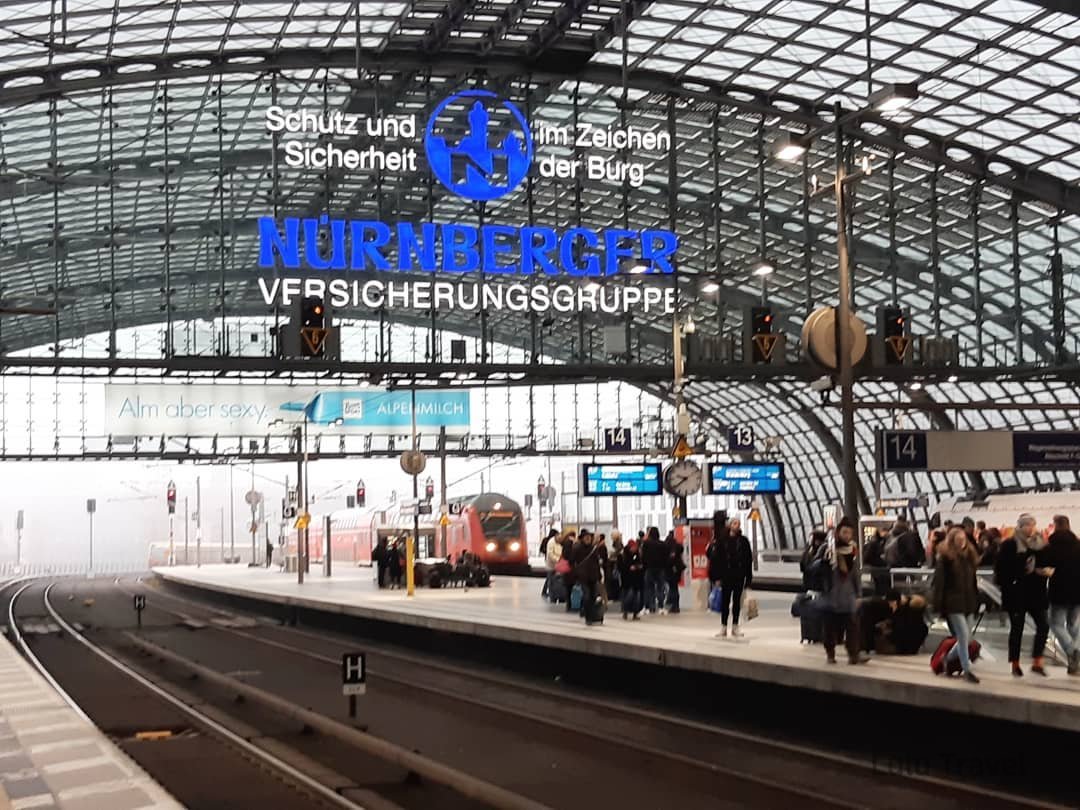
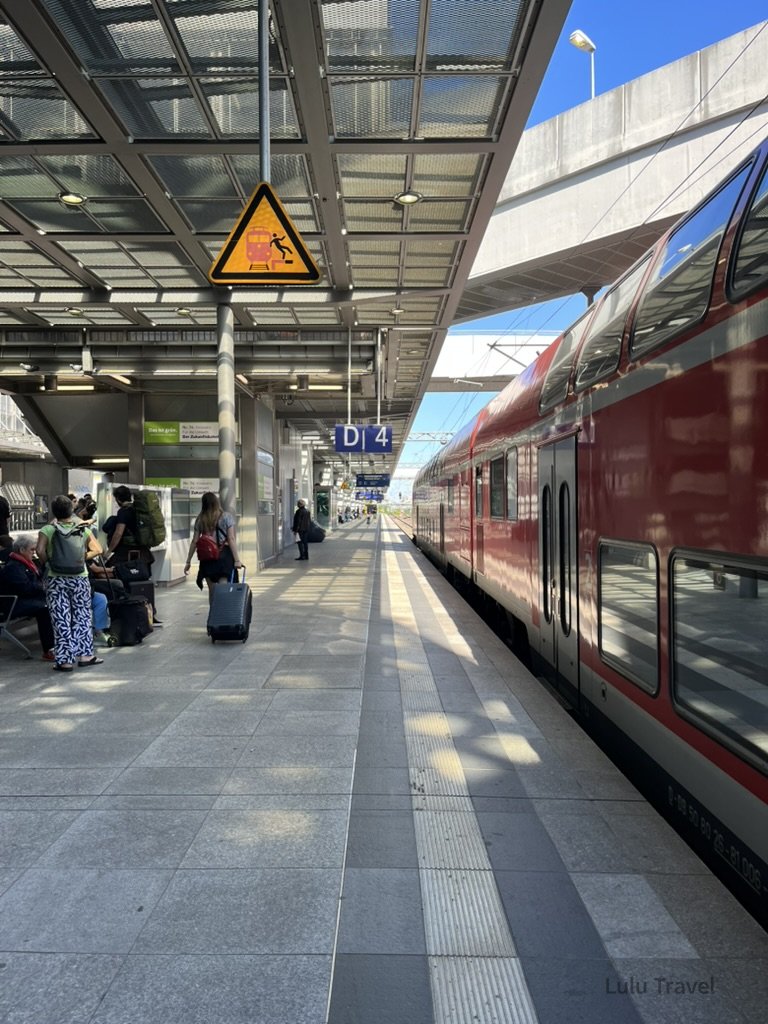
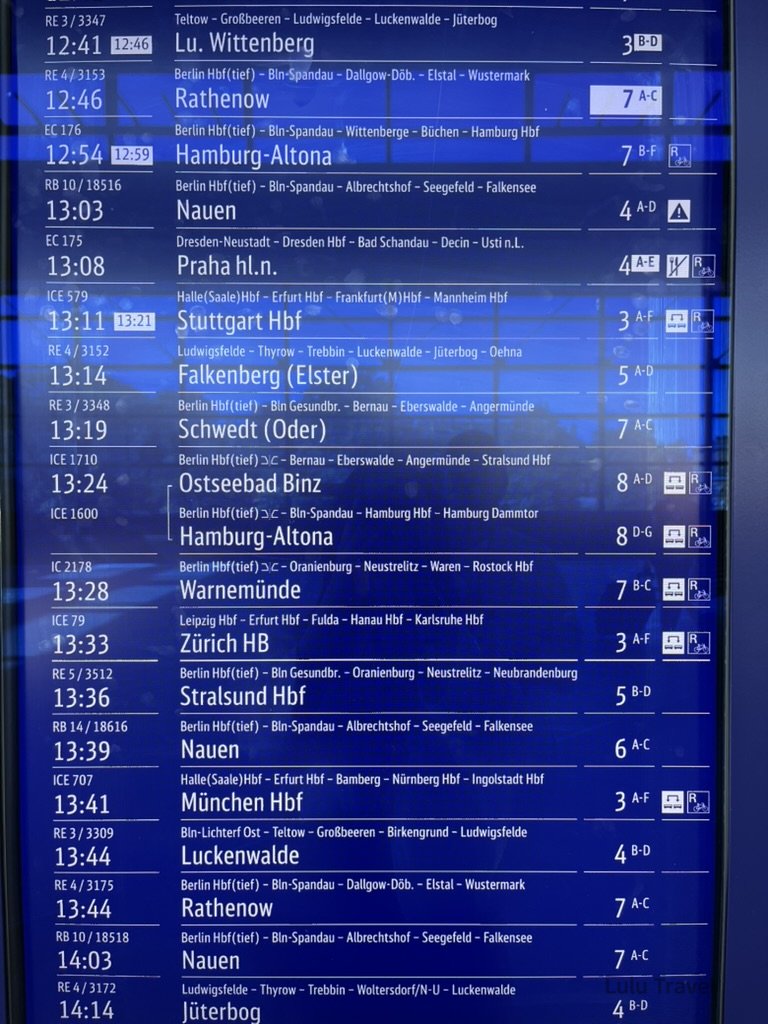
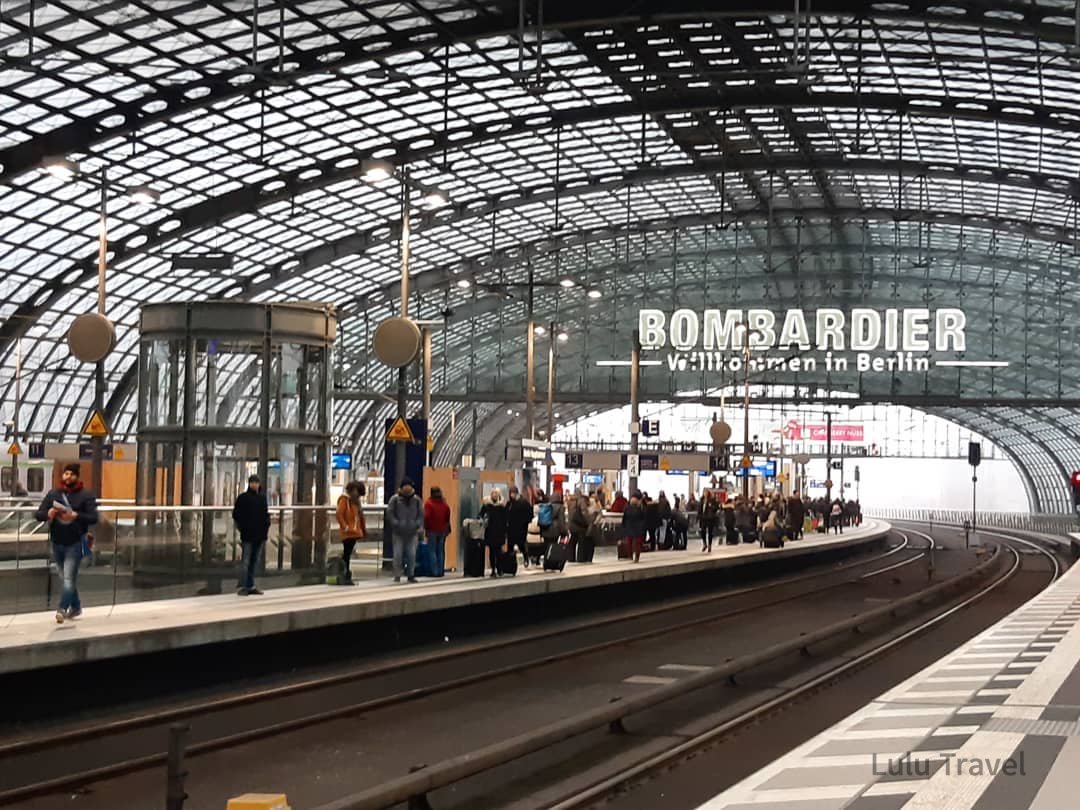
I had barely landed in Berlin off a red-eye flight when I experienced the famous Deutsche Bahn delay firsthand. The moment I reached the platform, an announcement came over the speakers in a completely flat, emotionless voice: delayed. Not once — many times. This trip was full of DB incidents. Before departure, the DB app showed construction on certain sections and warned passengers to assess whether to buy tickets — but since I had bought mine early to save money, I gambled and didn’t cancel. I arrived at the platform to find the train had been cancelled outright, and the app had sent no notification whatsoever.
Main German train types
ICE (Intercity Express): Germany’s fastest express trains, connecting major cities.
IC / EC: intercity trains linking mid-to-large cities at home and abroad.
RE / RB: regional express and local trains, stopping at more small stations.

Fortunately the ticket counter could exchange tickets, but the direct service with a reserved seat became a later departure, requiring transfers, with no seat guarantee. The story wasn’t over: I had bought my ticket to the final destination, but we were offloaded before arriving because the train simply stopped running. Just like that, our whole group hauled our luggage off the platform and found our own way forward. What confused me most wasn’t the delay itself — it was that nobody on the platform seemed particularly alarmed. People just carried on with whatever they were doing.
That was the moment I understood — Germany isn’t bad at punctuality. My understanding of what “German punctuality” means was simply wrong. That’s what a culture gap actually feels like. If you’re anything like me — the kind of person who gets anxious when a plan unravels — traveling Germany requires building in flexibility far more than building a perfect itinerary.
03Deutsche Bahn: Avoid It If You Can
I looked it up afterward. The reasons for DB delays are absurdly varied: maintenance works, vehicle faults, staff shortages, an aging rail network, weather, vandalism… If alternatives exist, seriously consider avoiding the German rail system — there are too many variables, and the tickets aren’t cheap. Once you become aware of the general “uncertainty” of European transport, you’ll be glad you have backup plans. The Eurail Germany pass — unlimited train travel across 15 consecutive or non-consecutive days — means you’re not locked into waiting for one specific cancelled train; you can do what locals do and board the next one without fuss. I wish I had known about this pass before the trip.
A backup plan for handling delays
04Why DB Delays Feel Different from Other Countries
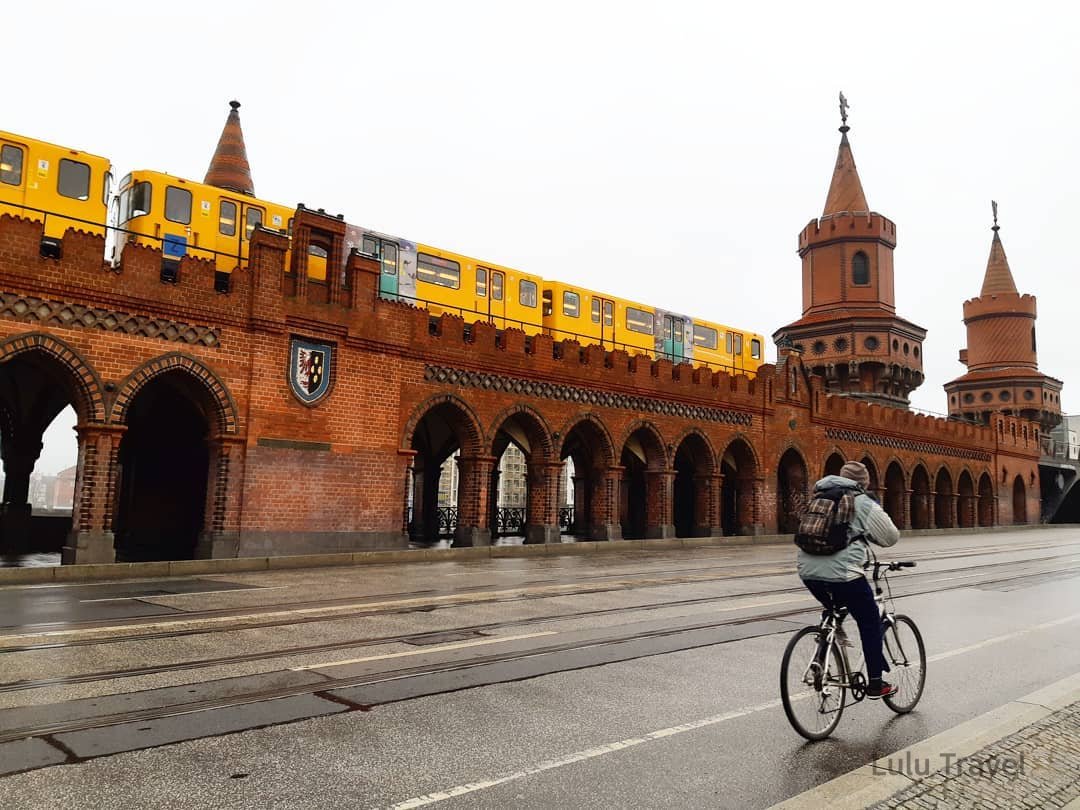
This wasn’t my first encounter with European transport delays. During my exchange in Poland, I had long since gotten used to delayed trains and switching connections, moving between different countries fairly regularly. Uncertainty is simply part of European travel — but Germany still felt noticeably different. Not because it was more punctual than other countries, quite the opposite. In Germany, delays feel like a built-in feature of how the system runs. Nobody explains anything to you; the system just keeps going.
05What Germany Taught Me on Day One
I hadn’t even started visiting any sights yet, and Germany had already delivered a lesson — not about punctuality, but about how not to fall apart when things are uncertain. Back in Taiwan, Taiwan Railways delays genuinely don’t bother me anymore. The full itinerary is in this post: Traveling Europe with Elderly Family — Planning Logic and Honest Reflections.
FAQFrequently Asked Questions
Are Deutsche Bahn delays really that bad? How do you deal with them when traveling Germany?
Independent travelers can rarely avoid them, and the causes — from construction to vehicle faults to staff shortages — make this a chronic issue, not a fluke. Two practical approaches: buy a pass that isn’t tied to a specific service so you can board the next train when yours is cancelled; and always build buffer time between each leg, never scheduling sightseeing or hotel check-in within an hour of arriving.
If my DB ticket gets cancelled or severely delayed, can I get a refund or swap it?
Yes, but the process is essentially manual. When a service is cancelled, head to the ticket counter on the platform, explain the situation, and you can usually be rebooked onto another service — though the original seat class may not be guaranteed. If the app showed a construction notice in advance, refund timing and fees vary; check DB’s official terms directly rather than relying on third-party sites.
Is the Eurail Germany pass worth buying for a trip to Germany?
Depends on your itinerary density. If you have multiple long-distance legs inside Germany, the pass’s flexibility matters far more than the cost savings — when your train is cancelled, you simply board the next one without going to a counter. If you only have one or two fixed point-to-point journeys, like we did, individual tickets are probably cheaper.
Are Germans actually as strict and punctual as people say? What should you know culturally?
In terms of individual behavior and work culture, yes — but the public transport on-time rate falls well short of the reputation. The more practical cultural takeaway: Germans won’t go out of their way to accommodate you as a tourist. When asking for directions or buying tickets, stating your question clearly and directly is far more effective than being polite. When a delay happens, no one will proactively offer help — you have to seek out information yourself.
Is the DB Navigator app useful? What tools should you use for transport in Germany?
DB Navigator works fine for checking schedules and buying tickets, but real-time notifications are unreliable — this trip involved a cancellation the app never pushed an alert for. Keep Google Maps open alongside it to verify routes; cross-referencing both apps is the fastest way to find alternatives when something goes wrong.