01Holding the Travel Permit: The Moment It All Becomes Real
In the world of industrial design, collaborating with manufacturers in China is a daily routine. Most of the time digital communication gets the job done — but there are moments where you simply have to be there, to inspect a prototype, confirm a process, or just put a face to the name. In 2023 I applied for my first Taiwan Compatriot Travel Permit and set off for my first trip to mainland China. Entering a place that speaks the same language but runs on an entirely different logic is a unique experience, and this business trip left an impact far greater than I’d anticipated.
The Taiwan Compatriot Permit (台胞證) is the essential travel and identity document for Taiwanese travelling to mainland China. A five-year permit typically costs around NT$1,500–2,500 in agency fees; those eligible for the first-time “new applicant” offer (July 2025 to end-2027) pay only the agency fee, with the document fee waived.
02Shenzhen: The Real Distance Between Modern and Everyday
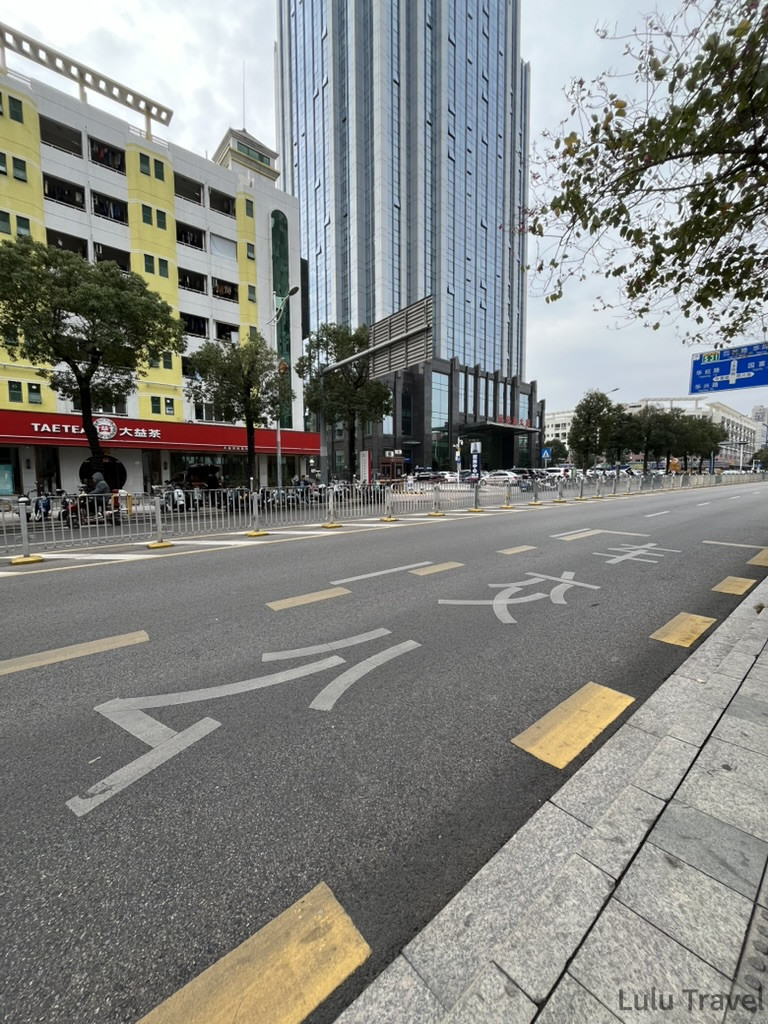
The first stop was Shenzhen. As a Special Economic Zone, it projects an energy that’s hard to ignore — high-rises packed tightly together, tech-company names on every office facade, and an astonishing proportion of EVs on the roads; the cars ferrying us between factories were almost all sleek Chinese-brand EVs, some of which don’t even exist in Taiwan. But the rides were a challenge for me — heavy traffic plus varied driving styles plus sleep deprivation made motion sickness the norm, and a few times I arrived pale-faced.
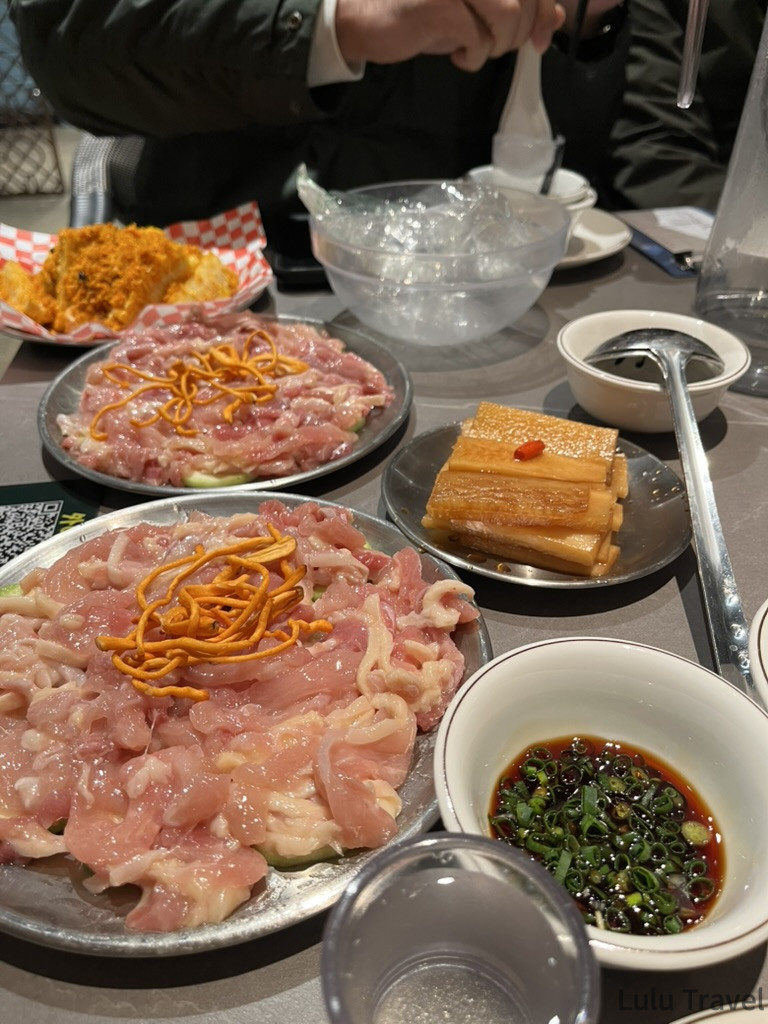
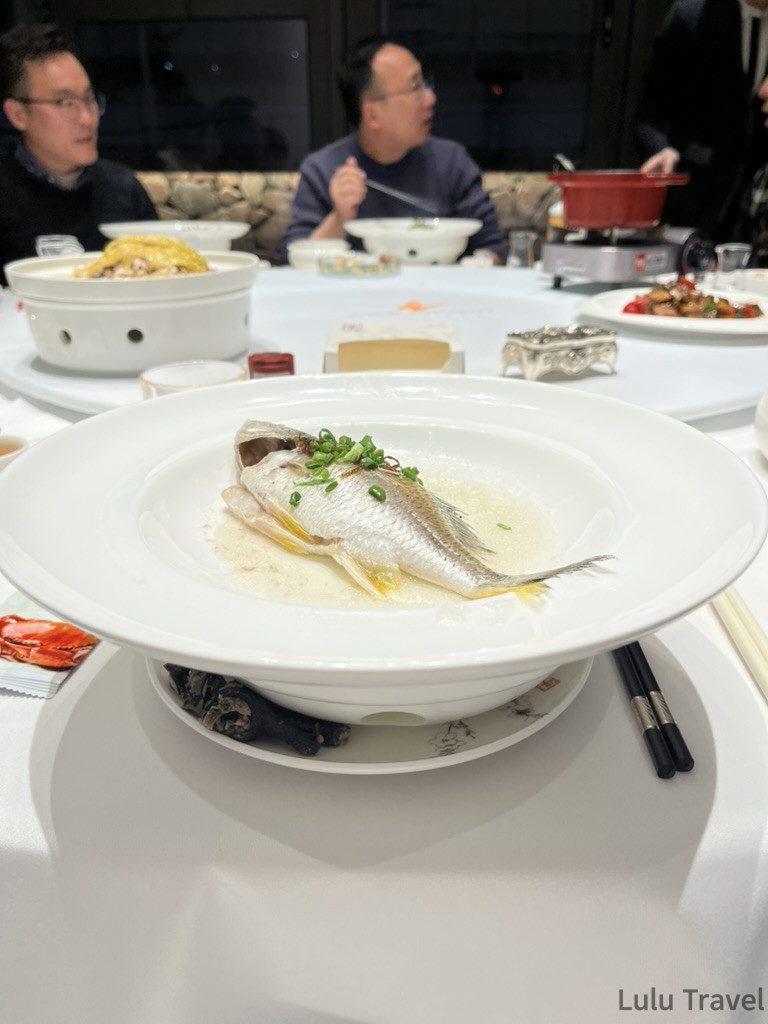
The warmth of Shenzhen people also left an impression. Deal or no deal, anyone near a mealtime would invite you to a restaurant. For an introvert, having to navigate dinner conversation with strangers at a first meeting is genuinely trying — but as a result, in an unfamiliar city, almost nothing had to be figured out alone; someone was always steering things.
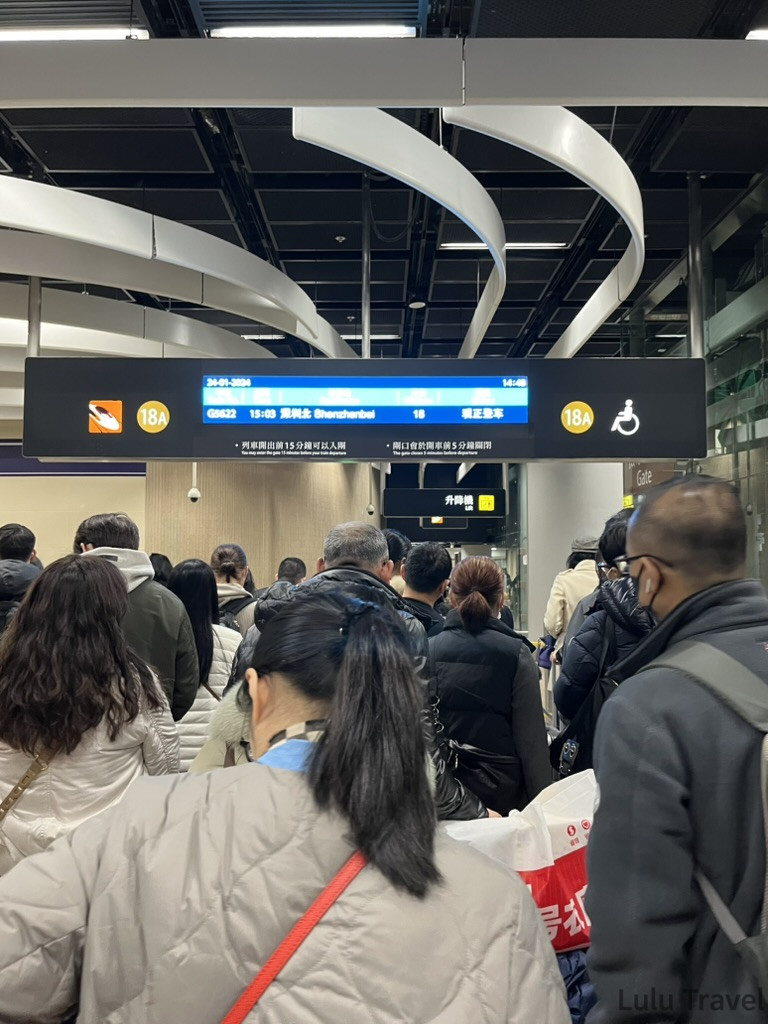
That said, Shenzhen isn’t only glass curtain walls and advanced EVs. Most factory visits were outside the centre, a fair distance away, and the contrast with the city core was stark: dusty roads, aged buildings, narrow streets — infrastructure from a completely different era. I was also caught off guard, as a first-timer, by how openly people smoked on the high-speed rail platform and inside restaurants — unimaginable in Taiwan.
China’s high-speed rail bans smoking entirely inside carriages (including cigarettes and e-cigarettes), but platform rules are vaguer and vary by location — so when a train stops for a while, some passengers habitually step off to smoke on the platform.
03Yiwu: The City Built for Business, and One Place Nobody Told Me About
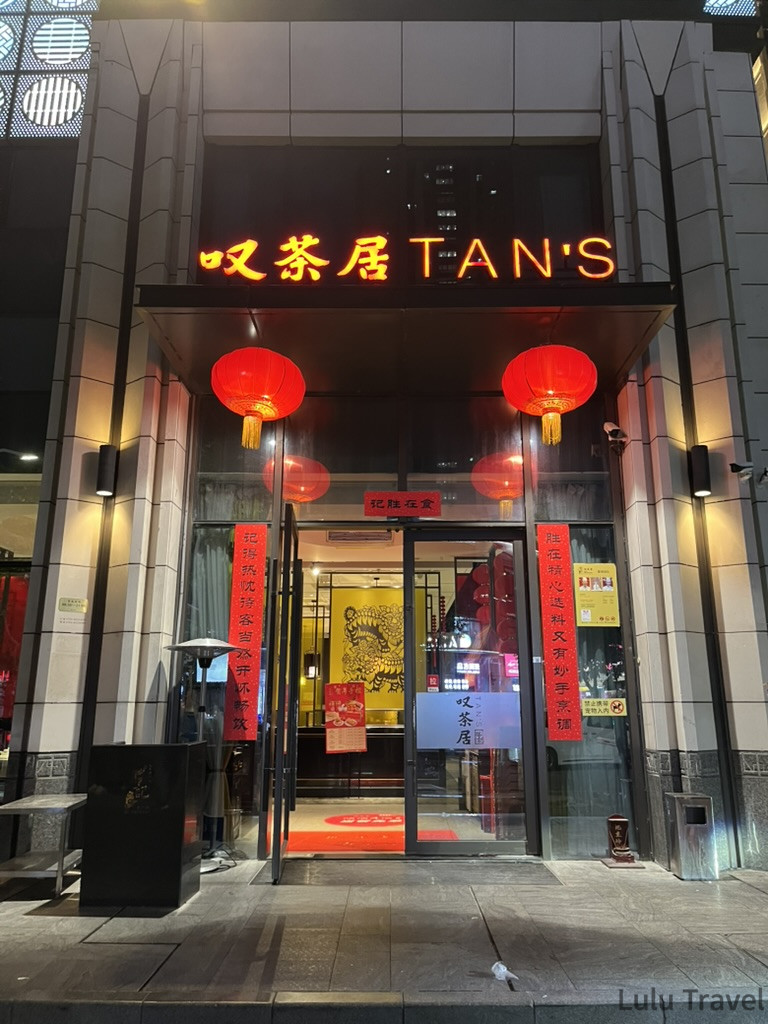
Yiwu was the destination of a later business trip. Its reputation is entirely different from Shenzhen’s — this is the world’s largest small-commodity wholesale market; people come here to do business, not to sightsee. Were it not for work, very few Taiwanese would ever put Yiwu on a list. The city centre genuinely has no notable sights, and in the gaps between work it felt monotonous and flat — wholesale malls and business hotels everywhere. But precisely because expectations were low, one evening I stumbled onto a place that gave the whole trip an unexpected extra.
Jimingge Tower: A Low-Key Night View Inside a Commercial City
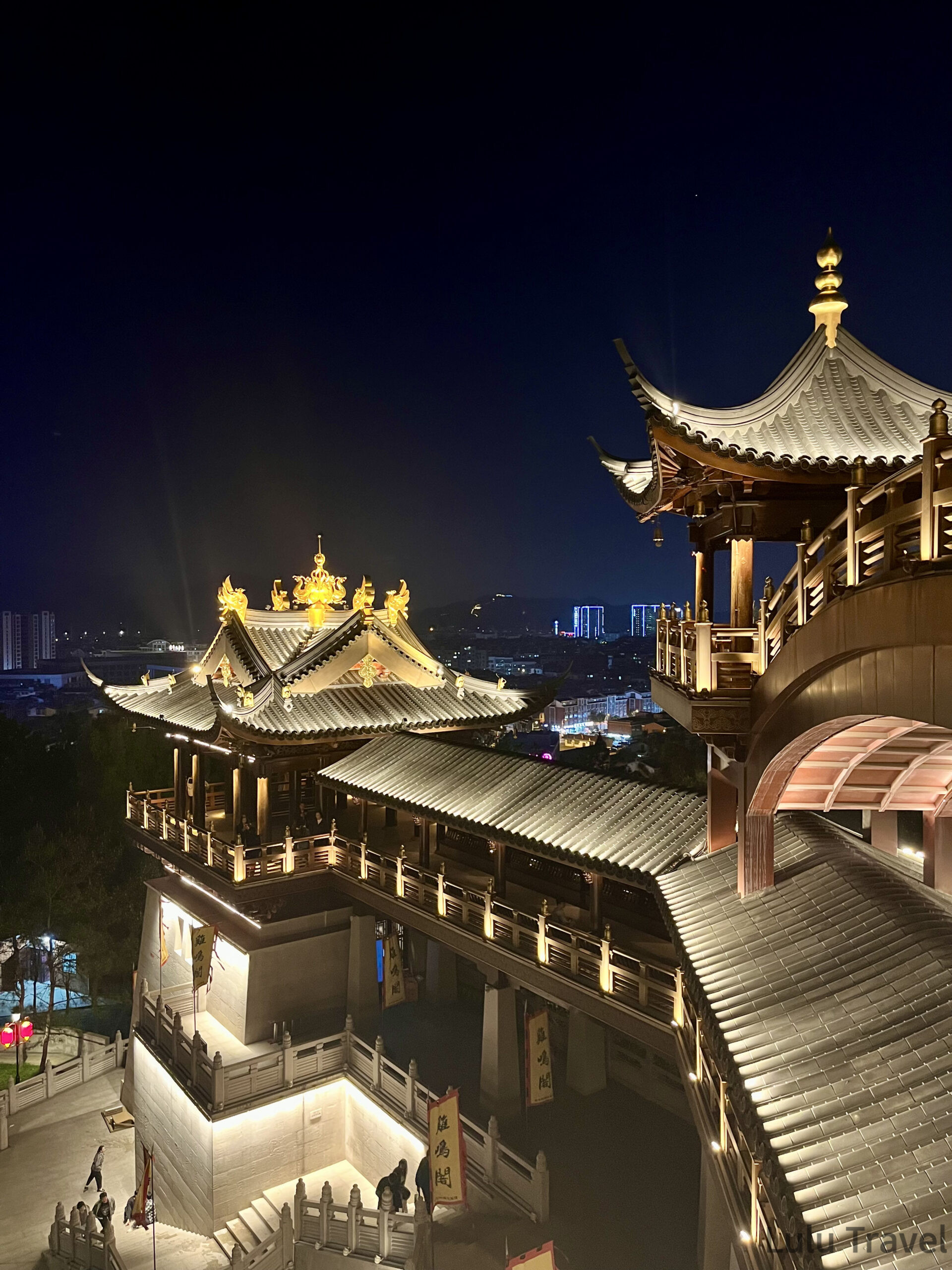
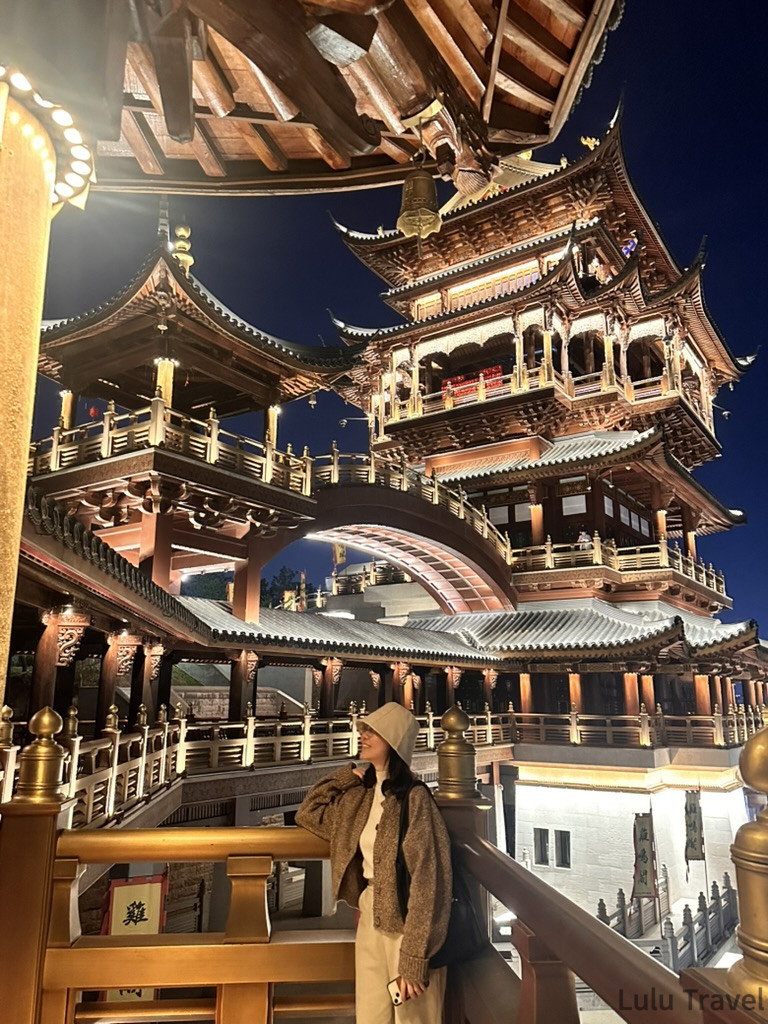
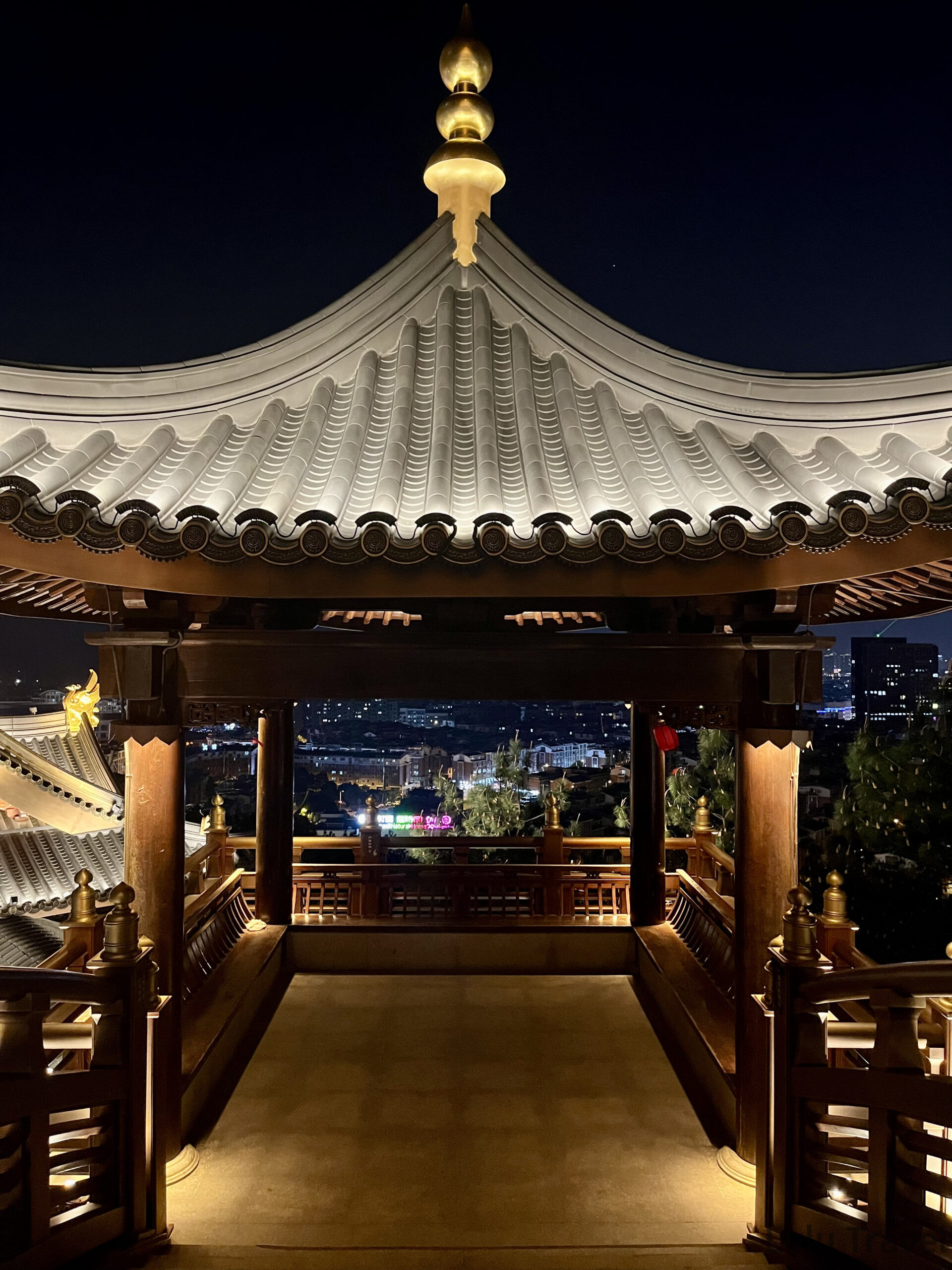
The place is Jiming Mountain Park (雞鳴山公園), with Jimingge Tower on the summit. It’s essentially the back garden of Yiwu Business School — almost no ordinary tourists know it exists. I found a photo of it online one afternoon, thought it looked worth seeing, and made an impromptu decision to go.
Jimingge Tower (Jiming Mountain Park)
- AddressOpposite 250, Jiangdong Middle Rd, Yiwu
- HoursOpen 24 hours, year-round
- Illumination18:30 – 21:30
- AdmissionFree (parking 15 RMB)
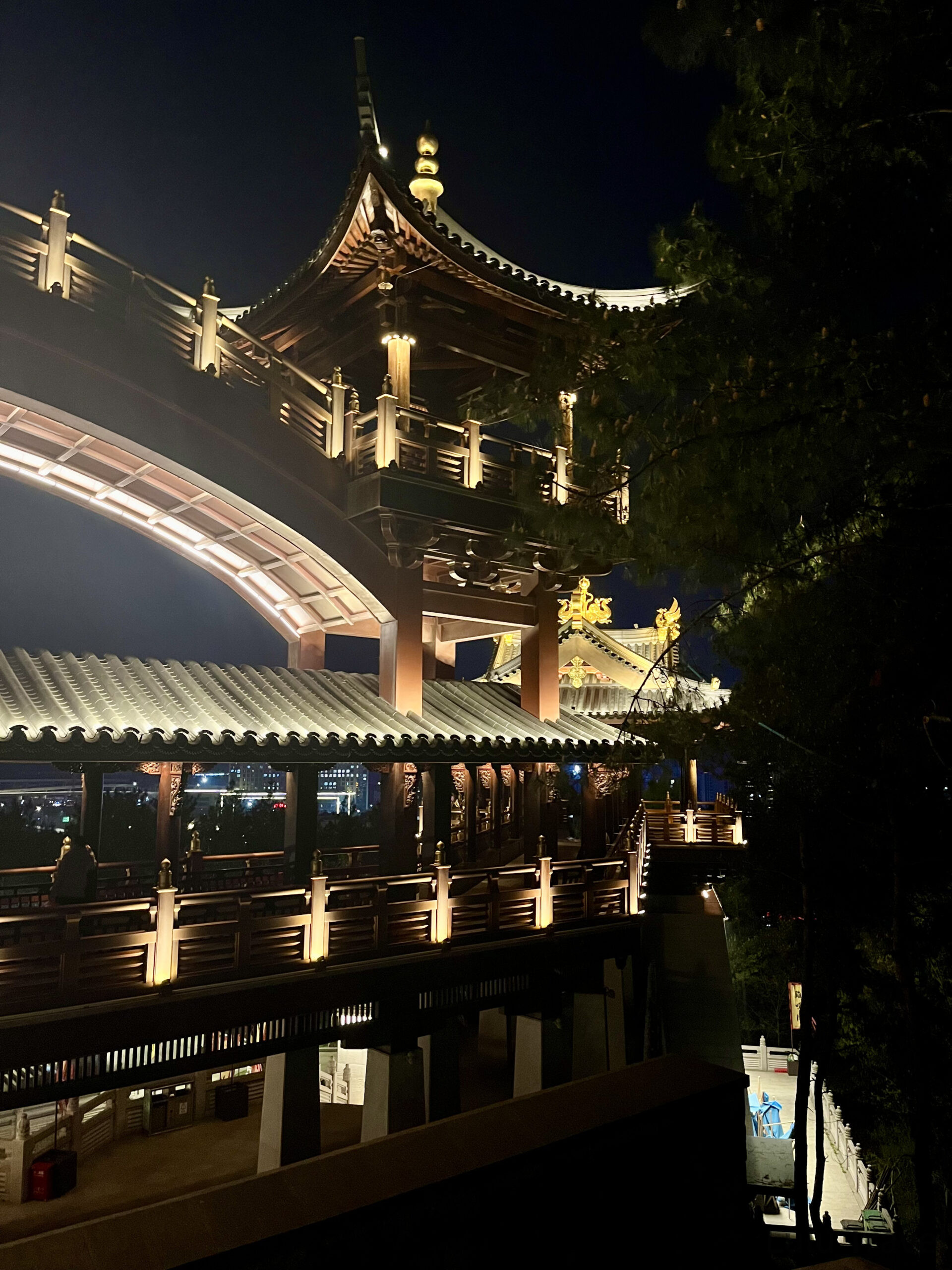
How to Get There
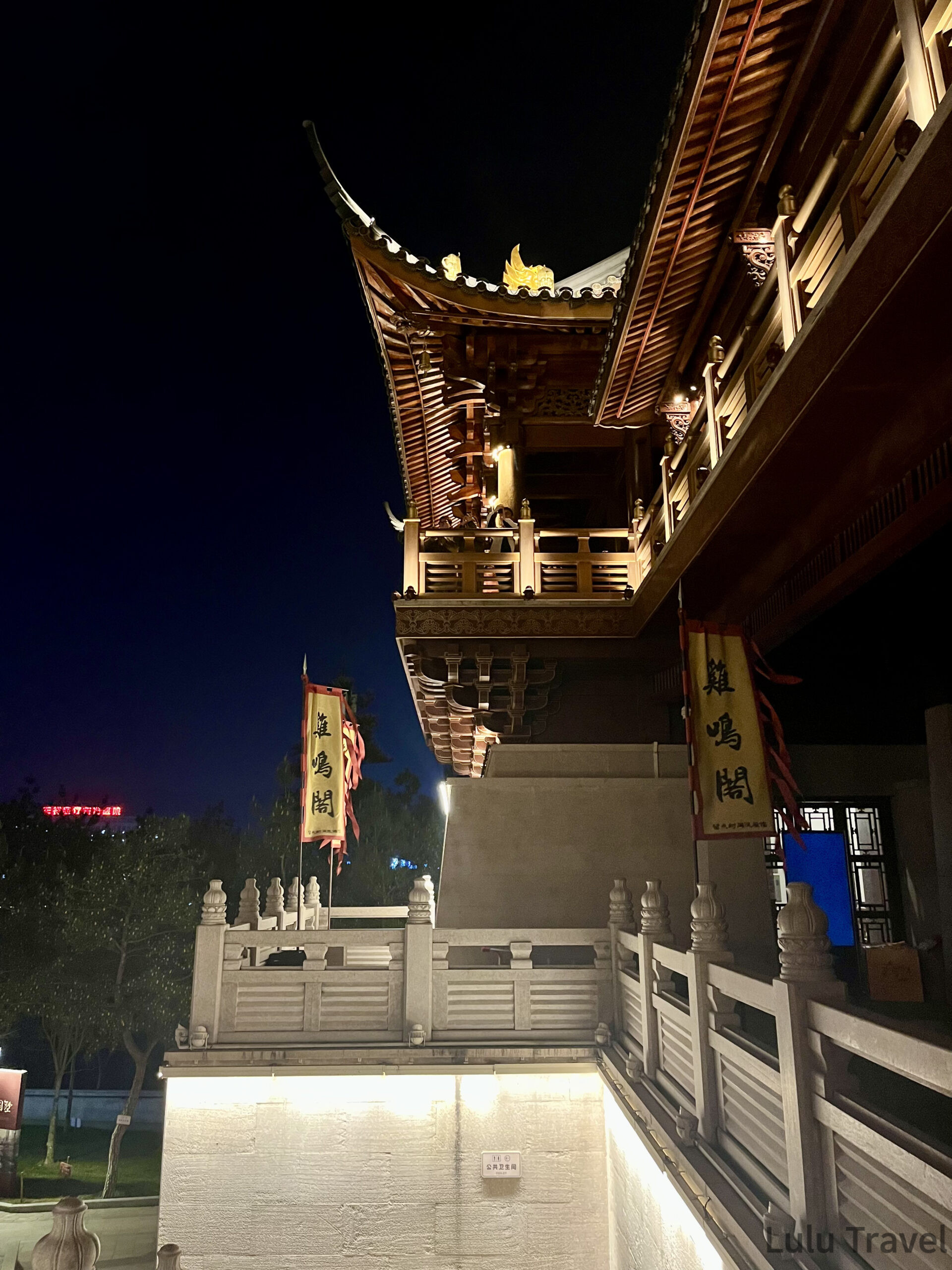
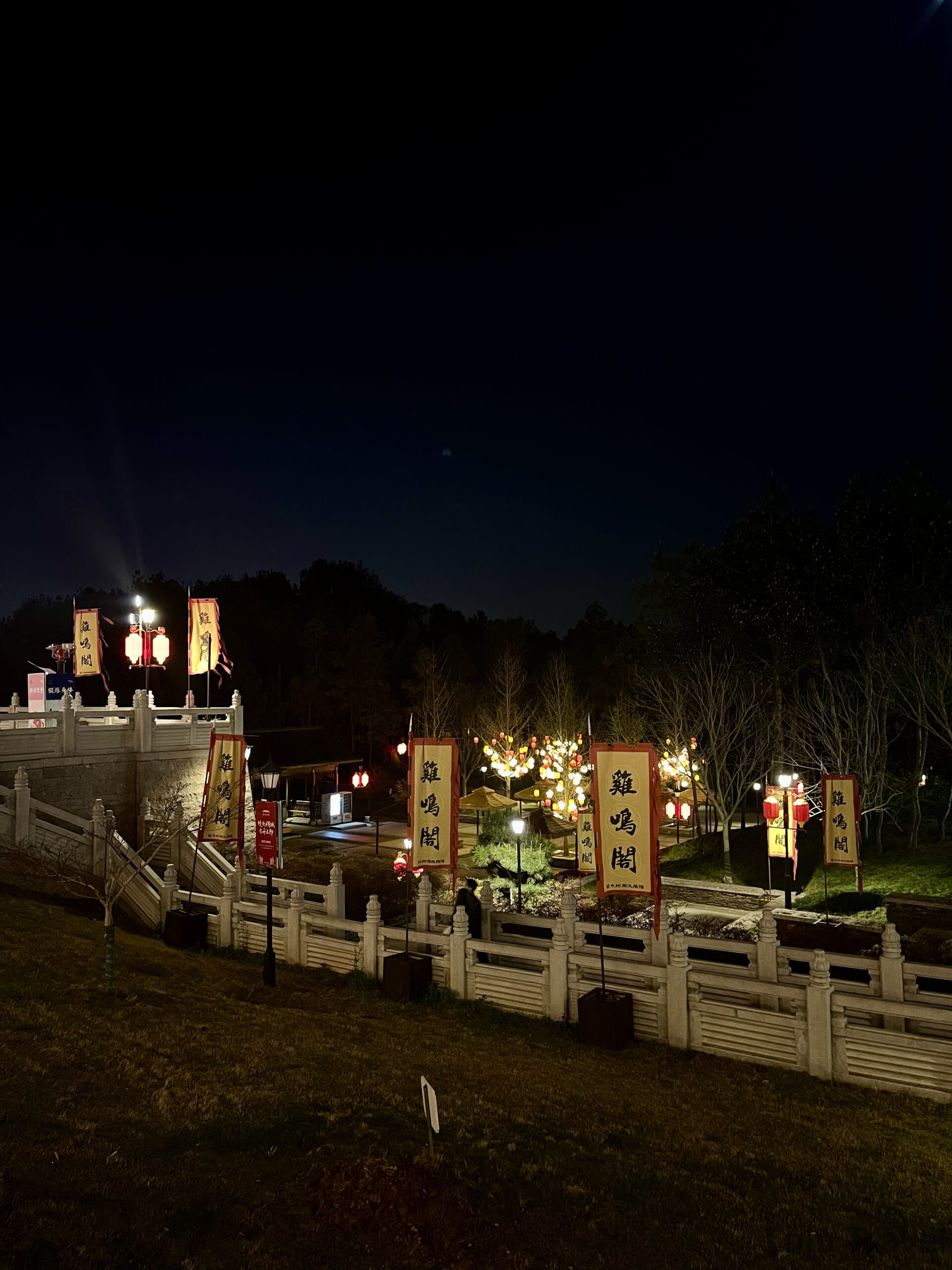
From the roadside, walk uphill along the driveway. You’ll first pass the college’s dormitory area — a dim road, windows glowing from student rooms, nothing suggesting you’re heading to any attraction. Don’t give up; keep going. The surface changes from asphalt to stone steps, orange lanterns begin appearing on both sides, and soon you’re there. Past the parking platform, a small convenience store sits to one side and Jimingge Tower is right beside it — larger and more impressive than the photos suggest.
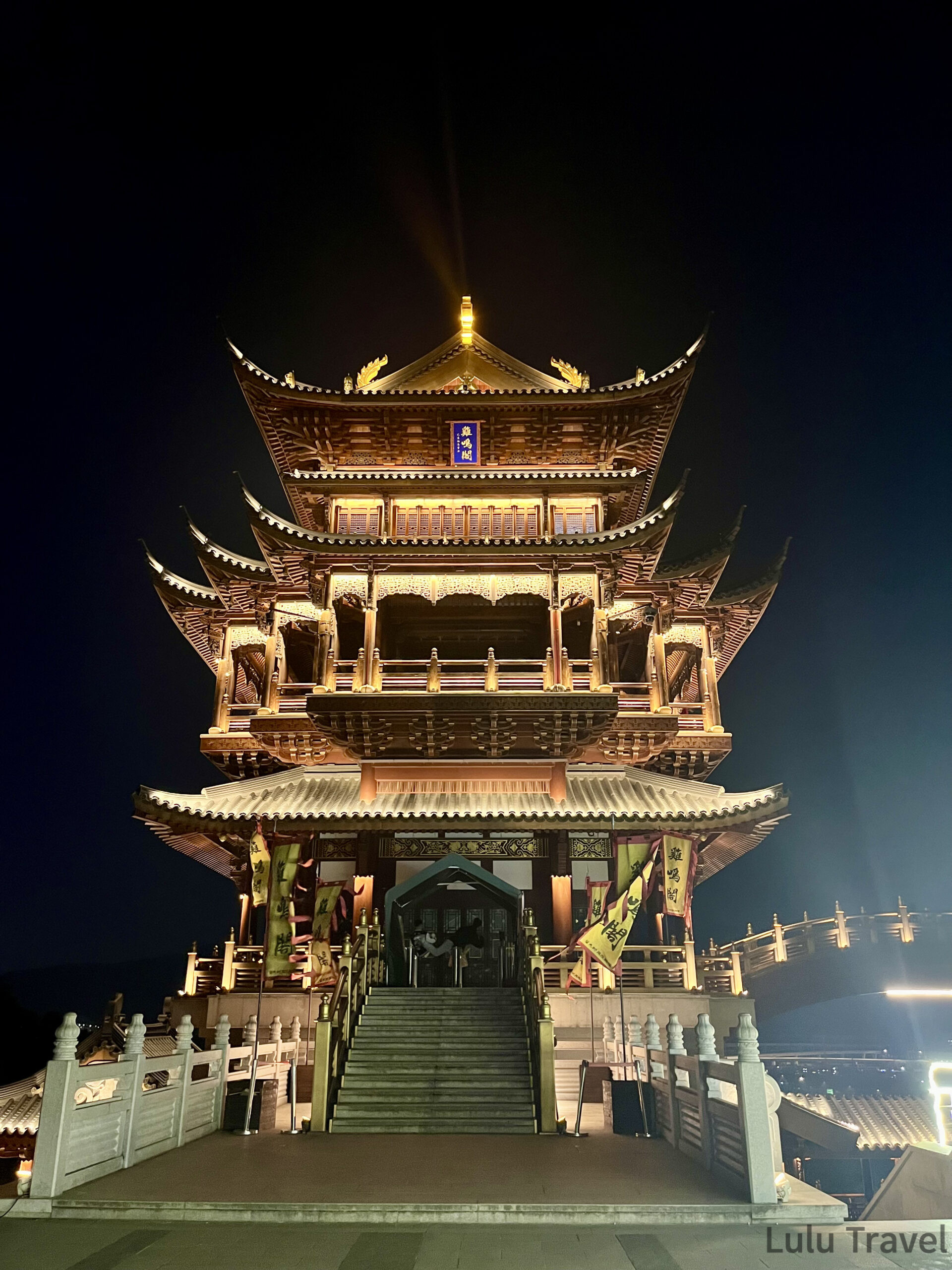
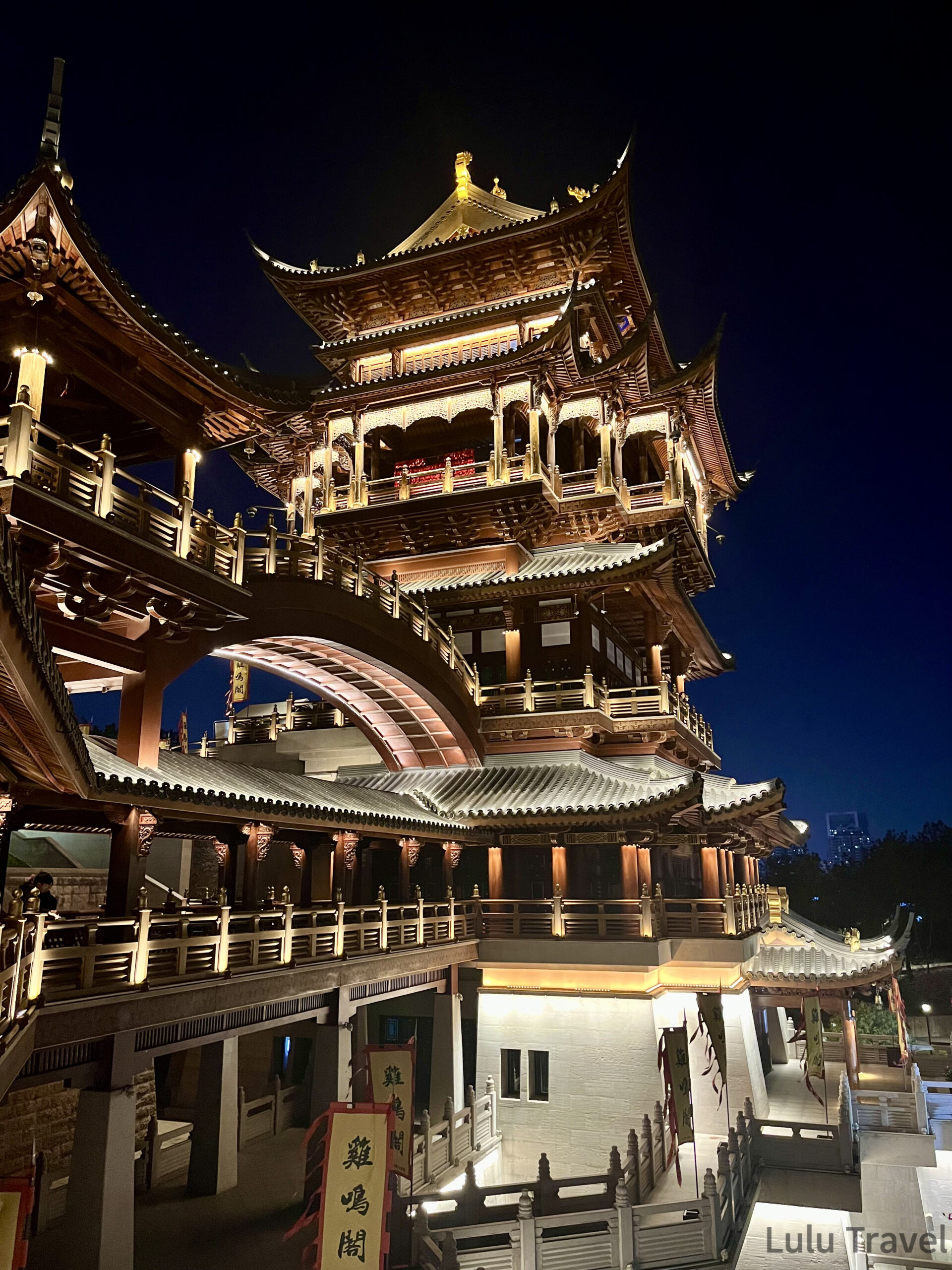
What You Can Do Here
On Jimingge’s ground floor there’s a shop renting period costumes, so you can change into traditional dress and photograph yourself in front of the tower — not a huge selection, but enough to fit the setting. Visitors are few, so you can basically stand wherever you like, and every angle photographs well; it’s one of the few places in Yiwu where you can actually get a good shot. Online photos most recommend sunset and night, when the amber-and-yellow light across the whole pagoda looks striking. One thing to note: the park is on a hilltop, so the wind is much stronger than at ground level in the evening and the temperature drop is noticeable — bring an extra layer.
04The Same Language, a Completely Different World
These business trips to China weren’t tourist routes — they were factories and wholesale markets, and the scenery was the actual daily texture of those cities rather than any attraction. Shenzhen made me understand what “developing” means as a concrete thing: a city that holds its most modern face and its most ungoverned edges within a few kilometres of each other. Yiwu showed me that a city can exist purely to serve commerce — and that even inside such a city, you can still find a place worth walking to on a quiet evening. The difference between a business trip and a trip is that you can’t choose where you go — but sometimes, in the places you had no choice but to visit, you find something you weren’t expecting. More on China: Shanghai City Walk — What I Got Wrong and What I’d Do Differently.
FAQFrequently Asked Questions
How do Taiwanese people get a Taiwan Compatriot Permit? How long does it take?
The permit can be processed through the National Immigration Agency in Taiwan or an authorised travel agency. Standard processing takes five to seven business days; expedited service is available. It’s typically valid for five years with multiple entries. First-time applicants need their national ID, passport photos and related documents — once your travel is confirmed, start at least two weeks ahead to avoid running short on time.
Do you need to worry about internet access on a business trip to Shenzhen?
Yes — handle it before you leave. Google, Line, Instagram and similar services are completely unavailable inside China; you’ll need a SIM or eSIM that works in China, or a VPN set up on your phone before departure. If your work requires connecting back to Taiwanese systems or tools, test everything beforehand — don’t discover it doesn’t work once you’re there.
Is Yiwu worth visiting as a tourist? Is it suitable for regular travellers?
Yiwu is a wholesale trade city, not a tourist destination, and the centre is genuinely monotonous for general visitors. Without a purchasing or business reason, very few people would plan a trip specifically to Yiwu. But if you find yourself there, Jiming Mountain Park is a hidden free night-view spot most people don’t know about — a worthwhile evening walk.
How do you manage motion sickness travelling between factories in China?
Factory-to-factory transport mostly means client pickup vehicles, with variable driving styles and traffic; combined with sleep deprivation, motion sickness is the norm. Prepare anti-nausea medication and take it in advance, sit by the window, don’t look at your phone, and avoid eating too much before a long ride. Keep a plastic bag handy — it turns out to be genuinely practical during factory transport in China.
What do Taiwanese people specifically need to watch out for on a business trip to China?
A few practical points from experience: Alipay and WeChat Pay are nearly universal across China — cash is no longer the mainstream — but setting them up as a Taiwanese user involves real friction: complete real-name verification, link a specific credit card, and load RMB in advance, all before departure. Rules in public spaces like rail platforms and restaurants also differ from Taiwan — smoking regulations, for instance, are enforced much more loosely — so be mentally prepared.