Budapest in the daytime has thermal baths, markets and streetscapes with a lived-in quality — but what the city tends to be remembered by is the night. When the Hungarian Parliament, the Chain Bridge and Fisherman’s Bastion light up along the Danube, the buildings that felt scattered through the day suddenly take on a coherent shape in the dark.
The wind, the water and the low hum of the engine become a kind of background score. You sit on the deck and watch the light and shadow shift slowly past. It’s a rare kind of city experience — not entering something, but being allowed to observe it quietly from just outside. For me, that night in Budapest wasn’t remembered as any single landmark; it was remembered as the view from the river — the city reorganised by darkness, seen from the right distance.
01Why a Danube River Tour Should Be Your Priority
My first trip to Budapest back in college was incomplete — I missed both the thermal baths and the night cruise, and it always nagged at me. Returning years later, I had a clear objective: to tick these two off my list. If you are interested in my whole European trip, take a look at Traveling Europe with Elderly Family — Planning Logic and Honest Reflections.
I didn’t book the cruise in advance because I was worried about the weather and wanted to decide on the day. Luckily the sky cleared, so during a gap in the itinerary I booked the 7pm slot on KKday there and then — it included live music and a buffet dinner.
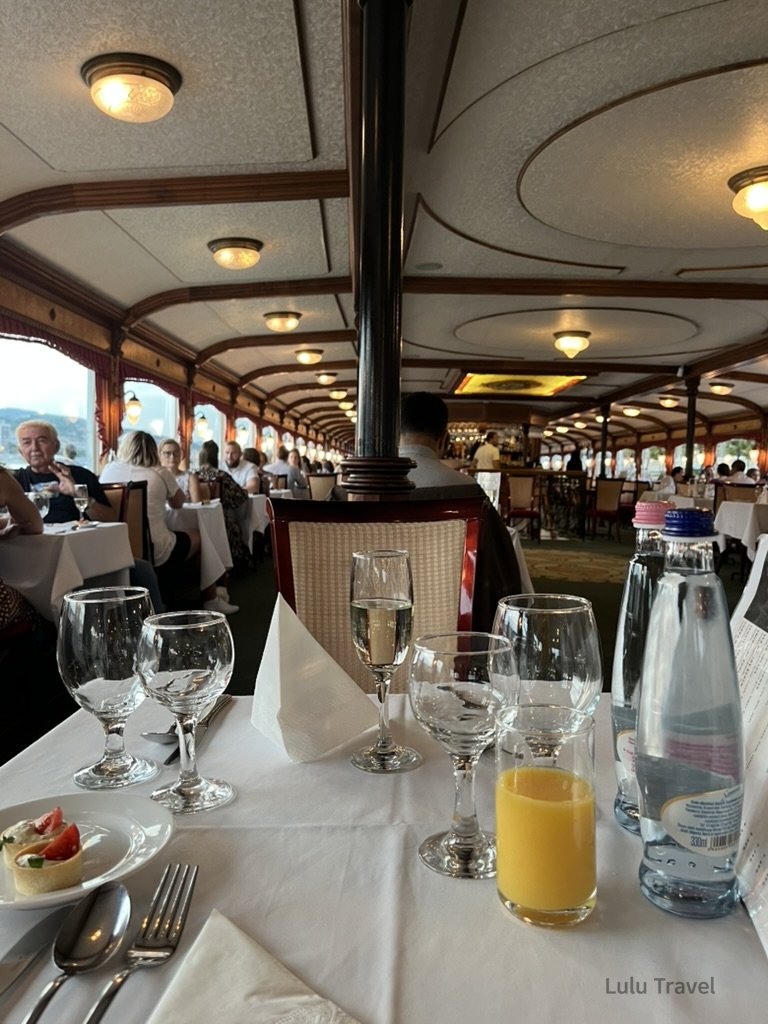
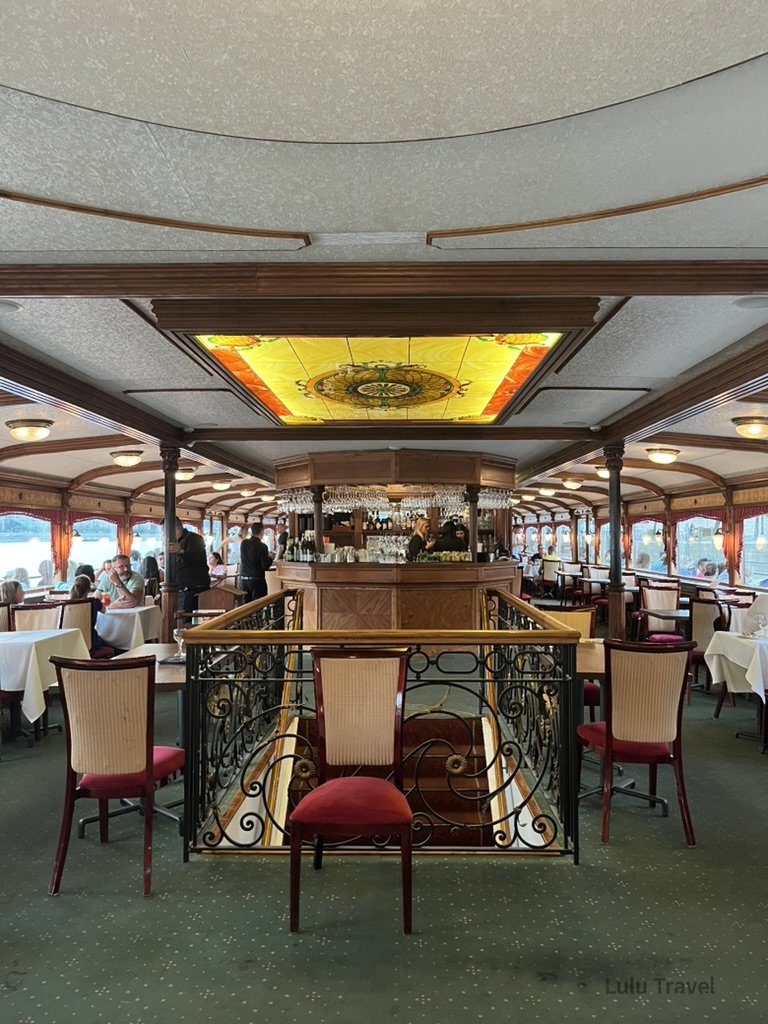
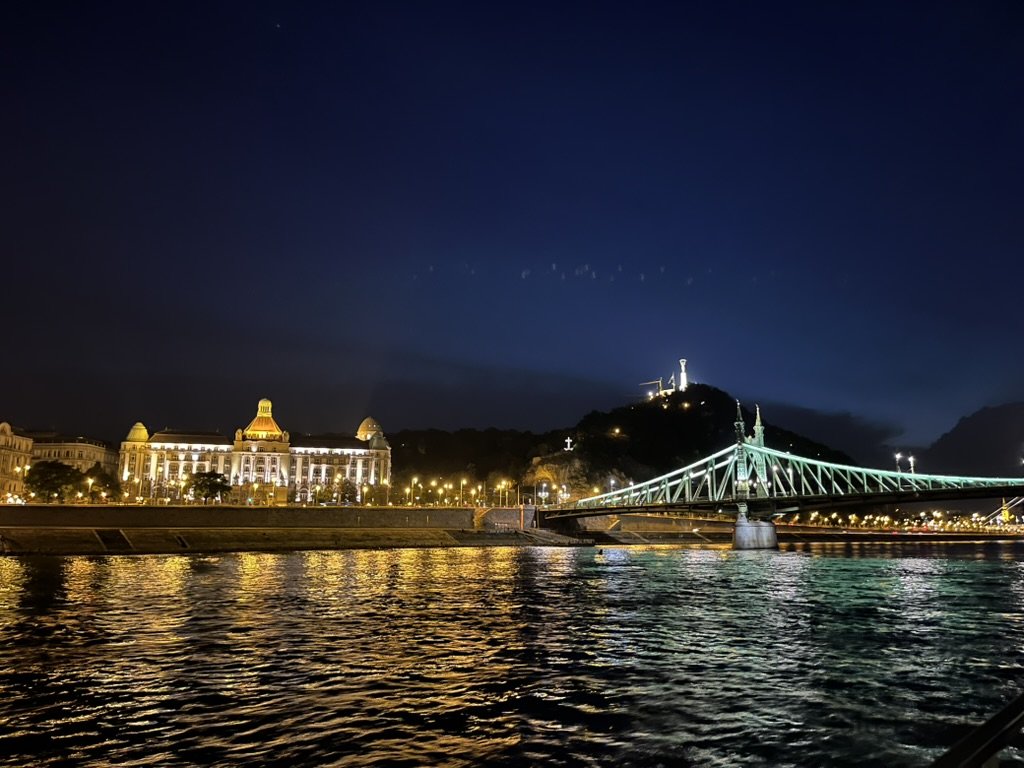
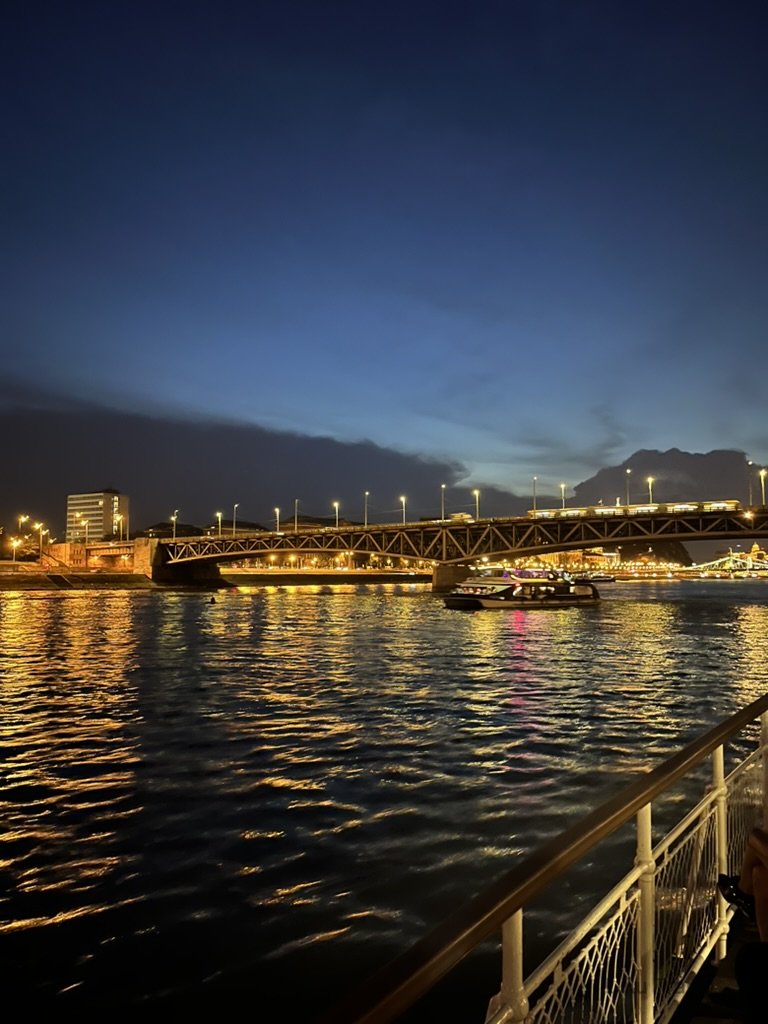
The around-7pm departure is widely considered the best time online — you catch both the sunset and the buildings lighting up, and it really did deliver. The boat sailed from dusk into darkness, passing the Hungarian Parliament, Margaret Bridge, Matthias Church, Buda Castle and Fisherman’s Bastion, the buildings on both banks coming to life one by one — a completely different city from the one you see by day.
It’s worth walking these spots by day over the previous few days, then seeing them again from the river at night — the difference is striking.
Budapest, the Hungarian capital, is split in two by the Danube — Buda on the west bank, Pest on the east — the two officially merged in 1873.
West bank: Buda is hilly and elevated. Once the royal and aristocratic quarter, it holds historic sights like Buda Castle, Fisherman’s Bastion and Matthias Church.
East bank: Pest is flat and open — the modern, economic and cultural centre, home to lively sights like Parliament, the Hungarian State Opera and the Széchenyi Baths.
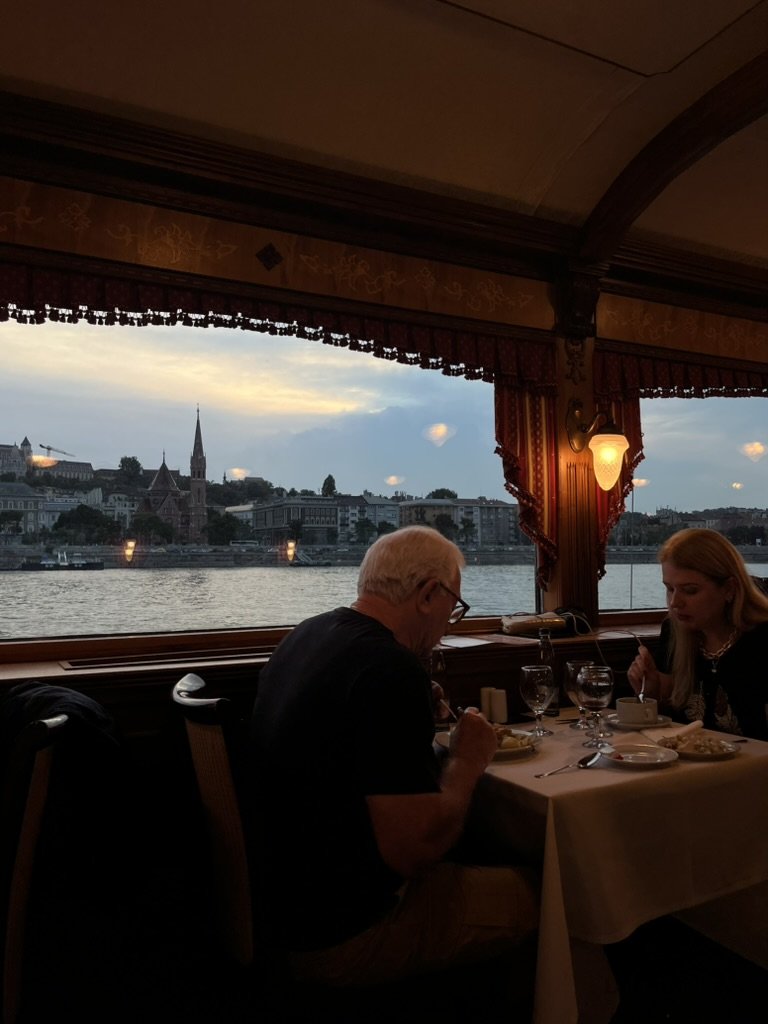
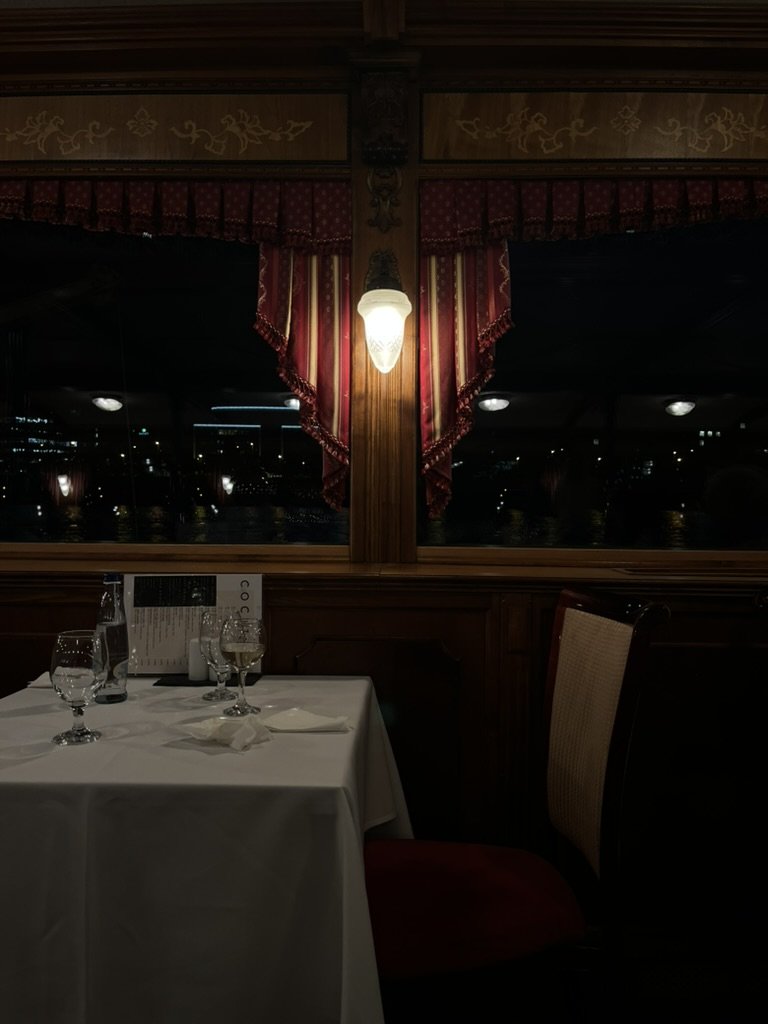
02The Danube Cruise Is Quieter Than You’d Expect
As the boat eased away from the dock, the sounds of the city gradually receded. The lights played on the water’s surface — no unnecessary announcements, no sense of rush. You didn’t need to keep photographing or memorising the name of every building; just sit comfortably and let the city drift past.
One small detail worth knowing: seating is first come, first served, and window seats are the most coveted. We got a little lost on the way but still arrived fairly early to queue — and yet a couple of groups were ahead of us, so we ended up in the middle aisle.
Besides a welcome drink, the buffet ran to about 12 courses — ordinary in taste, but enough to fill you up.
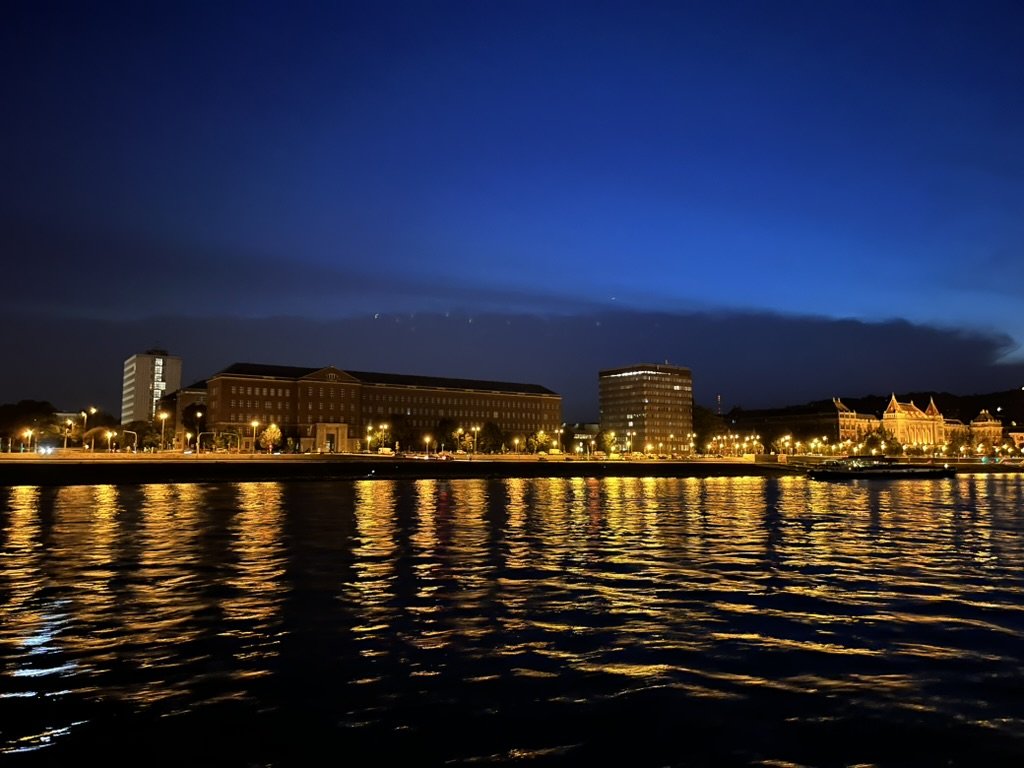
After dinner and the performance, I went up to the deck for some air, standing with other passengers watching the orange-lit buildings move into view and recede, the boat very quiet around us. Two hours passed like that. As the cruise neared its end, lightning appeared on the horizon — but it stayed dry until we disembarked, giving the evening a clean, complete feeling.

03Three Things I’d Tell a First-Time Visitor
- Make the night cruise a priority: daytime plans can be adjusted, but the night cruise is an experience you can’t replace if you miss it.
- Get a transit card and reduce friction: buying individual tickets for every metro journey is mentally exhausting — and don’t try to fare-dodge either.
- Don’t schedule the cruise on your last day: if the weather turns or plans shift, you want a spare day to rebook.
04The Night Experience I’d Recommend Without Hesitation
If I had just one evening in Budapest, I would give it to the Danube cruise without question. Not because it’s the most famous thing to do, but because only from the river can you find that exact distance — far enough to see the city whole, close enough that it still feels real. The city stops surrounding you; it unfolds itself in front of you instead.
Two hours on the Danube is the right length — long enough to be absorbed, short enough that you’re not tired — and it makes a quietly satisfying close to a European trip.
FAQFrequently Asked Questions
What’s the best departure time for the Budapest Danube night cruise?
The around-7pm departure is widely considered the best, because you get both sunset and the buildings coming to life with their lights in a single cruise. The boat sails from dusk into full darkness — Parliament, Buda Castle and Fisherman’s Bastion light up in sequence, giving a much richer visual progression than a purely night-time departure. If you can only choose one slot, evening departure is the clear priority.
How far in advance should I book? Can I book on the day?
In peak season, book a few days ahead — the 7pm slot in particular fills quickly. On this trip I managed to get tickets on the day during a gap in the itinerary, which was fortunate. If you’re a planner, booking one to two days out after checking the forecast is the right balance — you keep flexibility for weather without risking a sell-out.
Can you choose your seat on the cruise? How do you get a window seat?
Seating is first come, first served — there is no advance assignment. Arriving 15 to 20 minutes early to queue is the best approach; window seats on the river side are the most popular and the first to go when boarding opens. If you end up in an aisle seat, going up to the deck actually gives you a wider, more open view — the deck is freely accessible throughout the cruise.
Is the food worth looking forward to? Are there vegetarian or dietary options?
For me the food is secondary — it’s included, but it’s not what you’re there for. We had 12 courses, ordinary overall but enough to be full. The real draw is the night view, the live music and the atmosphere on the river; don’t board expecting fine dining. For specific dietary needs, check with the operator when booking — different providers have different menus.
Besides the cruise, what else is a must for a Budapest solo trip?
The Széchenyi Thermal Bath is somewhere many people regret skipping. Budapest’s thermal-bath culture is a completely different scale and atmosphere from Taiwan — go in the morning, bring a swimsuit and a change of clothes, and don’t book anything too tight straight after. Fisherman’s Bastion is worth visiting once by day and then seeing again from the river — the two perspectives feel very different.