
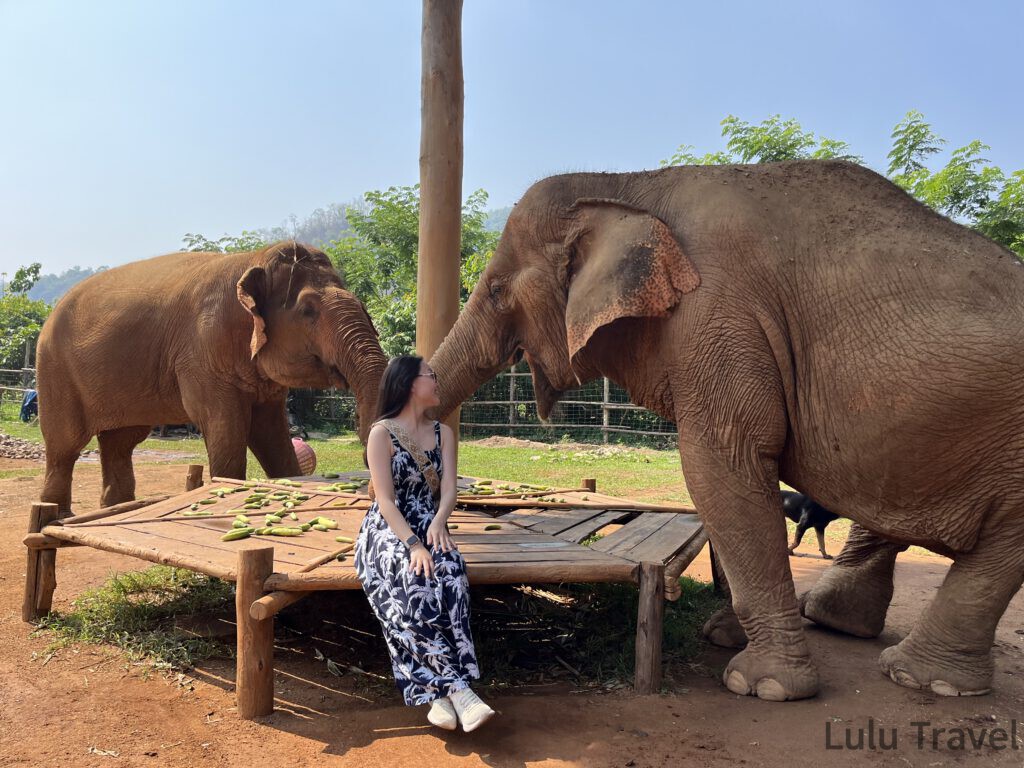
清邁一日遊|大象公園、清萊三廟、泰服體驗,3 個行程費用全記錄
2023 年夏天第一次降落泰國,也是第一次帶家中長輩自由行,所以這趟的清邁一日遊幾乎都是直接報名…
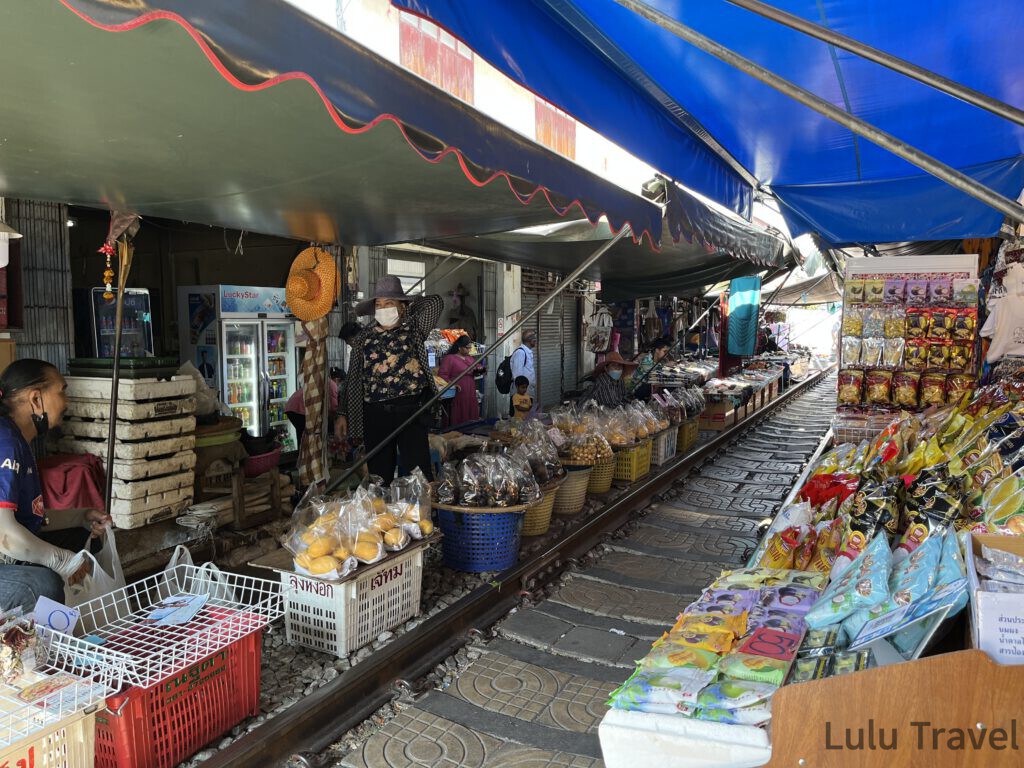
泰國曼谷一日遊|丹嫩莎朵水上市場與美功鐵道市場組團實記
本次曼谷組團一日遊收集了兩大曼谷知名景點,分別是被認為是最著名水上市場的丹嫩莎朵水上市場和以全球…
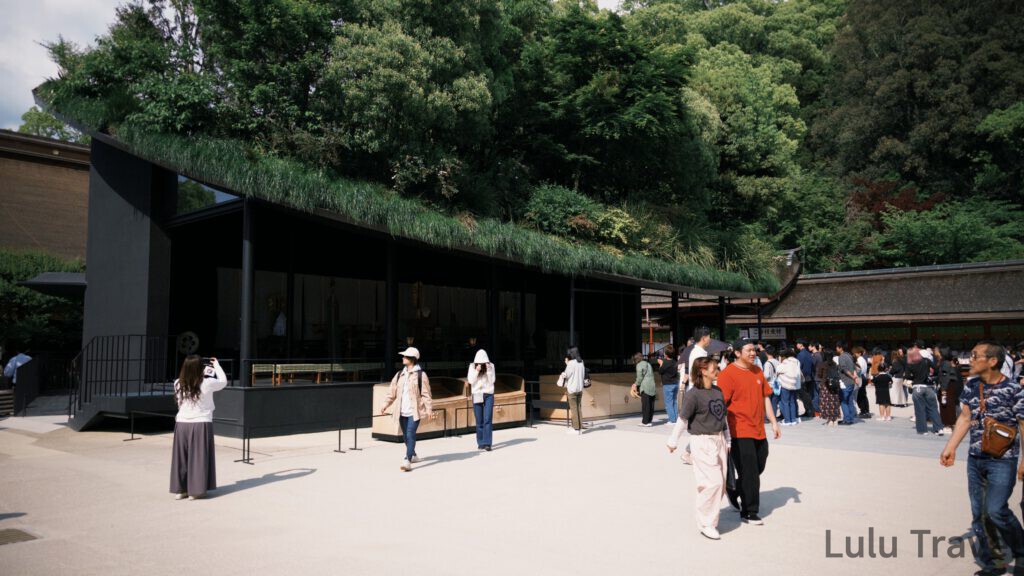
福岡自由行|日本黃金週的6 天 5 夜行程與消費明細
這趟福岡自由行是在黃金週前一個月才決定的。日本連假、機票貴、熱門住宿與觀光列車早就被掃過一輪,在…
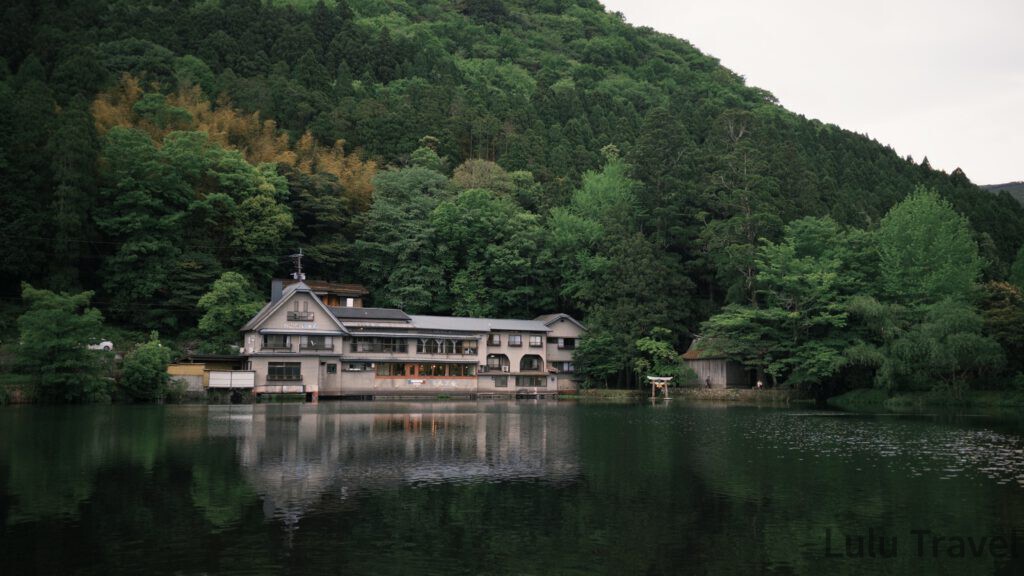
由布院兩天一夜|避開黃金週人潮的溫泉住宿與由布院之森
由布院兩天一夜的安排,一開始是被迫的。一個月前決定去福岡時,沒有注意到時間安排剛好強碰日本的黃金…
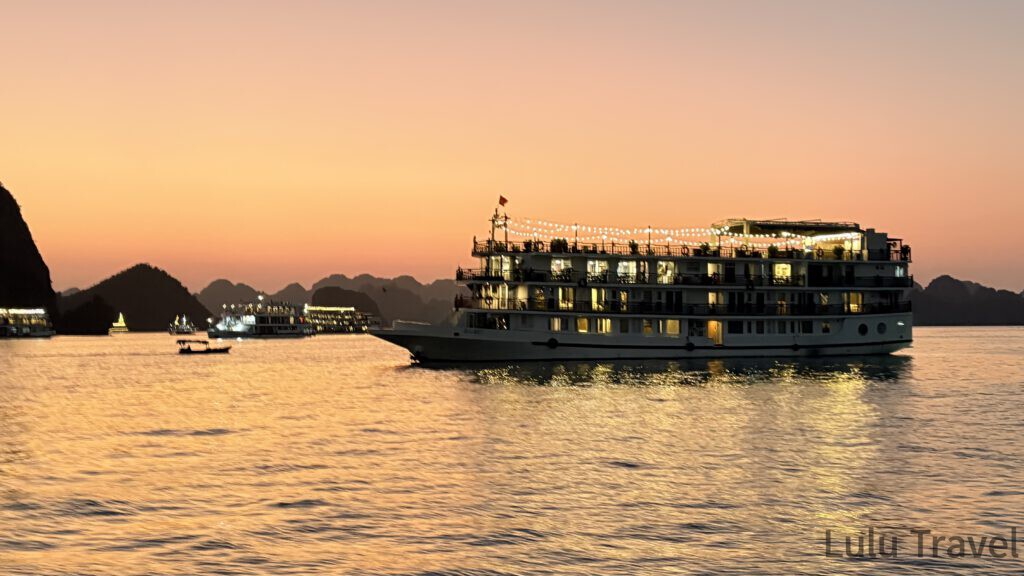
下龍灣郵輪|Amanda 兩天一夜實搭,4 家行程比較與體驗細節
要怎麼選下龍灣郵輪行程,是我這趟河內自由行花最多時間比較的一件事。最後訂了 Amanda 的兩天…
宿霧遊學|6 週雅思實記、14 萬費用明細與 Cpils 選校心得
宿霧遊學六週實記:Cpils 斯巴達雅思班的課表、宿舍、學餐與網路真實狀況,加上 14 萬費用明細。代辦怎麼選、房型挑哪種、遇到不合的老師怎麼換,都寫在這裡了。
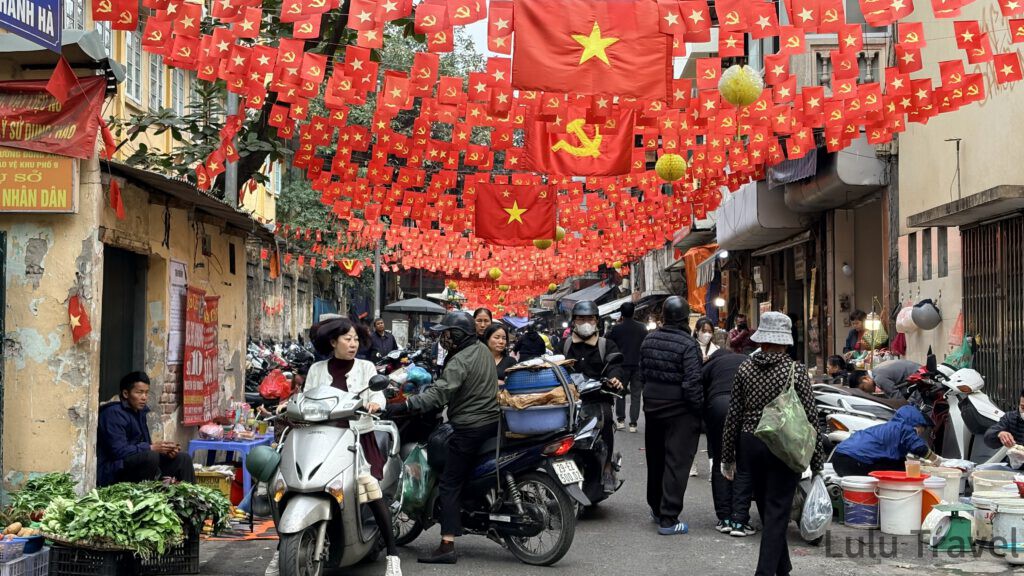
河內自由行|5 天 4 夜河內舊城區踩點
這趟河內自由行安排了 5 天 4 夜,老實說去完的心得是,河內對我來說不是那種會一秒愛上的城市,…
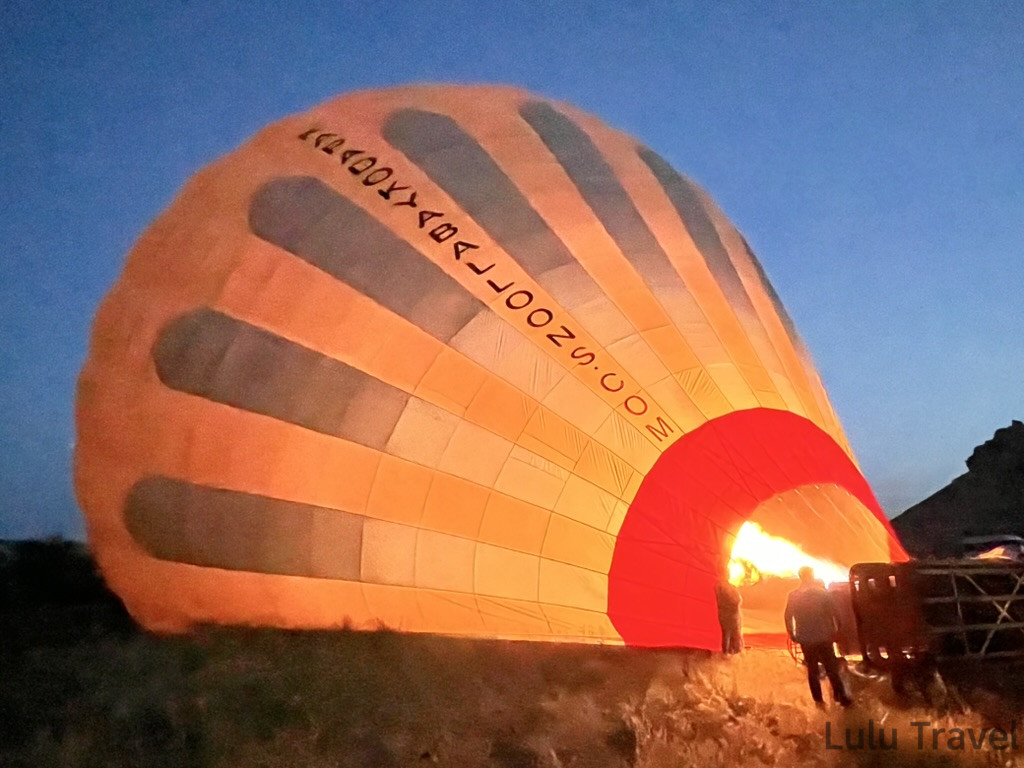
土耳其跟團指南|10 天費用、飲食、注意事項全攻略
這篇是參加東南旅遊 幻藍土耳其~伊堡風華、卡帕多奇亞、洞穴連泊、番紅花城、純白棉堡 10 日 土…
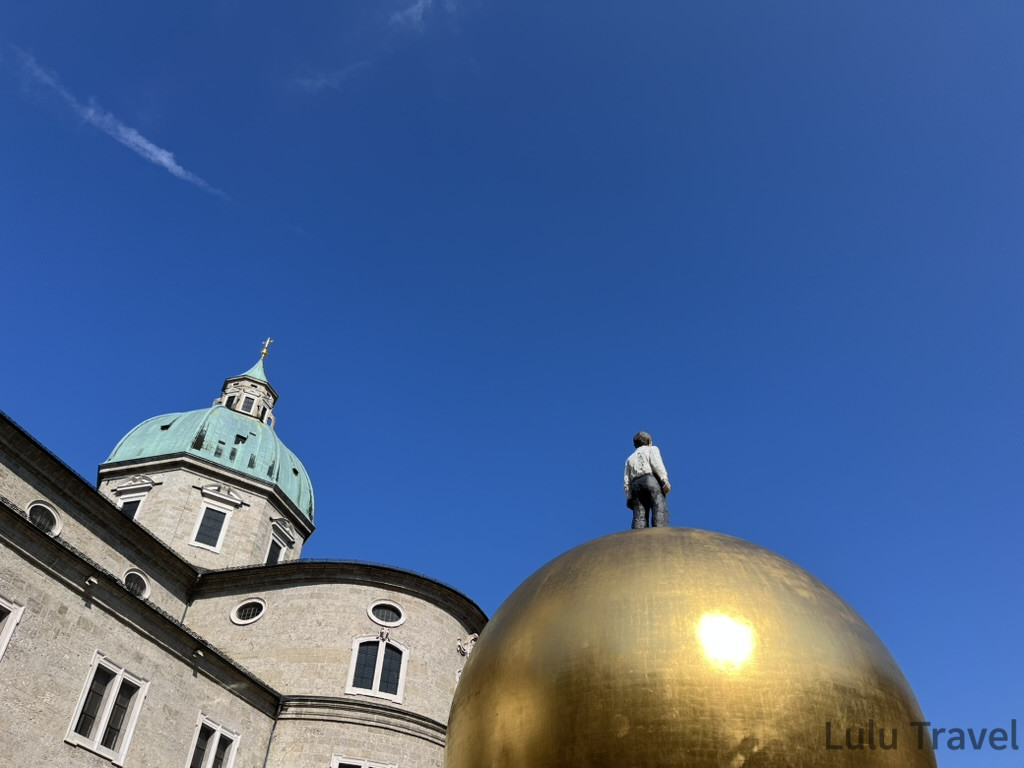
奧地利薩爾斯堡|5 個必去景點與在地體驗
01奧地利 薩爾斯堡:一座比想像中更有層次的城市Overview 從維也納搭火車西行約兩個半小時…
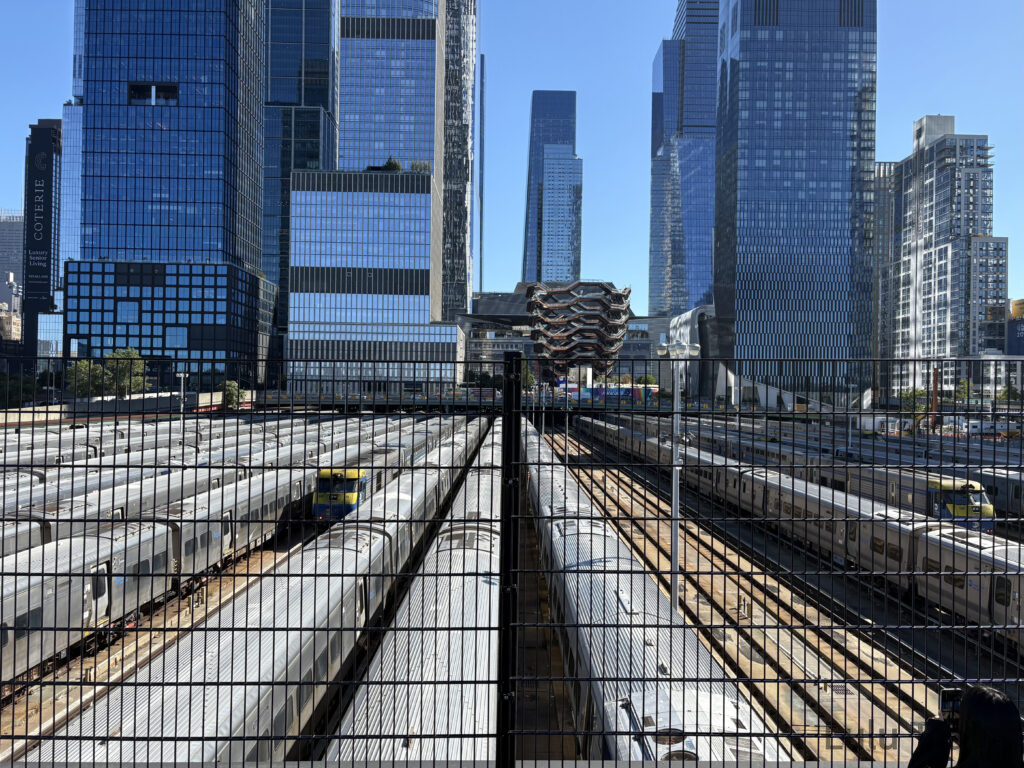
紐約行程規劃|DUMBO、百老匯、布魯克林到波士頓一日遊
這趟紐約行從 10/3 落地到 10/11 離境,幾乎把曼哈頓主要的區域都跑了一遍,也去了布魯克…
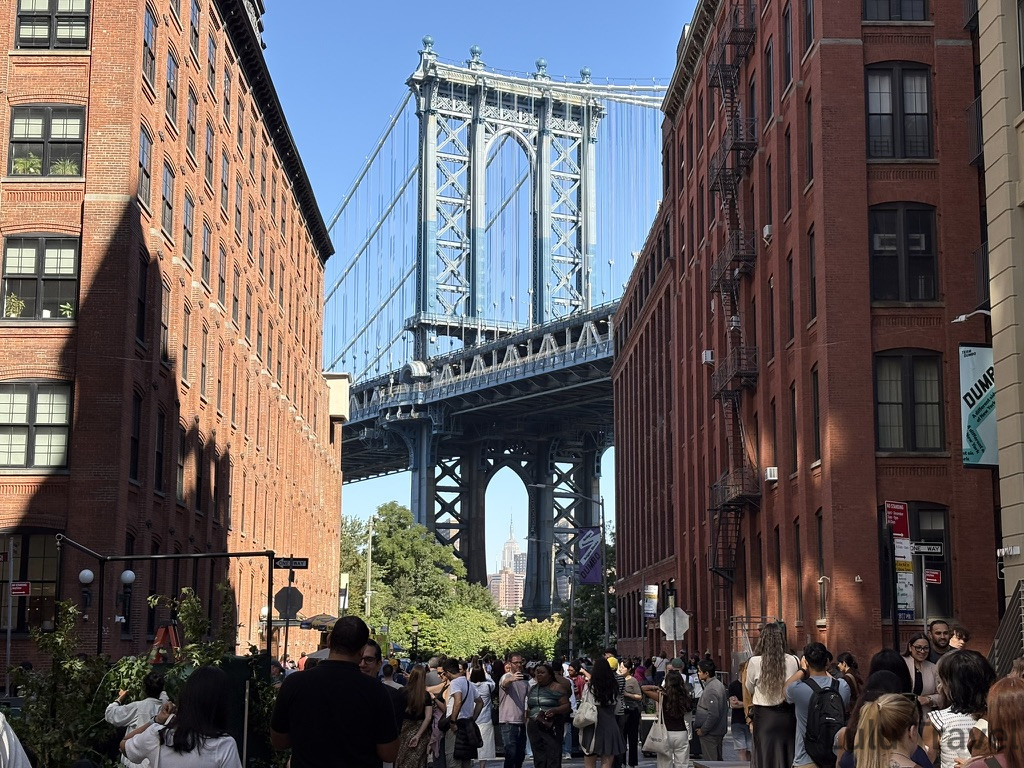
紐約自由行 | 旅費明細、交通技巧與住宿避雷全記錄
每年安排一趟長途旅行的習慣,莫名邁入了第四年。繼土耳其、美西、中歐之後,這次終於來到一直列在清單…
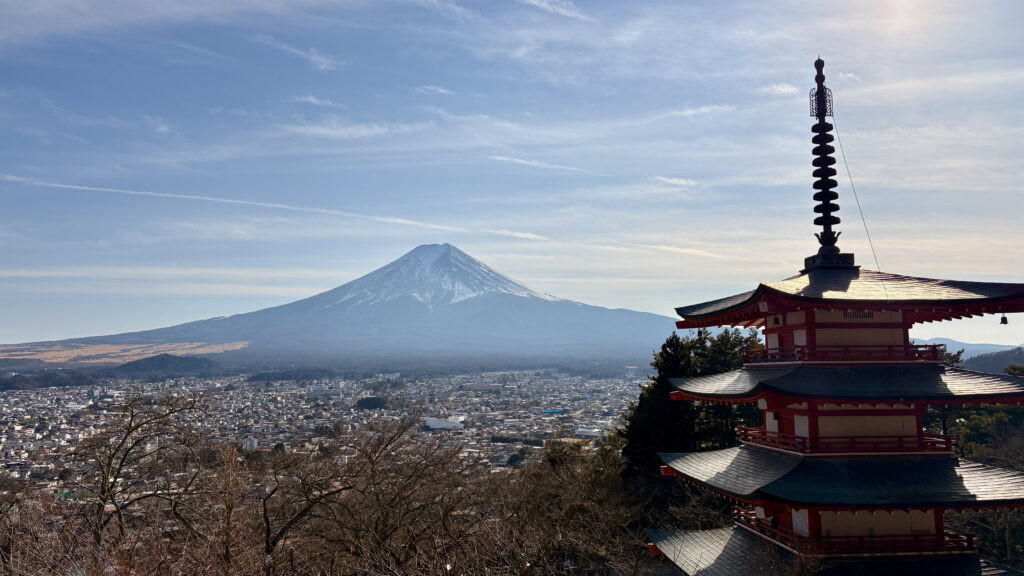
大眾運輸版富士山自由行|3 天 2 夜實走紀錄
01為什麼日本富士山旅遊選擇搭大眾運輸?Why Public Transport 出發前我跟旅伴…
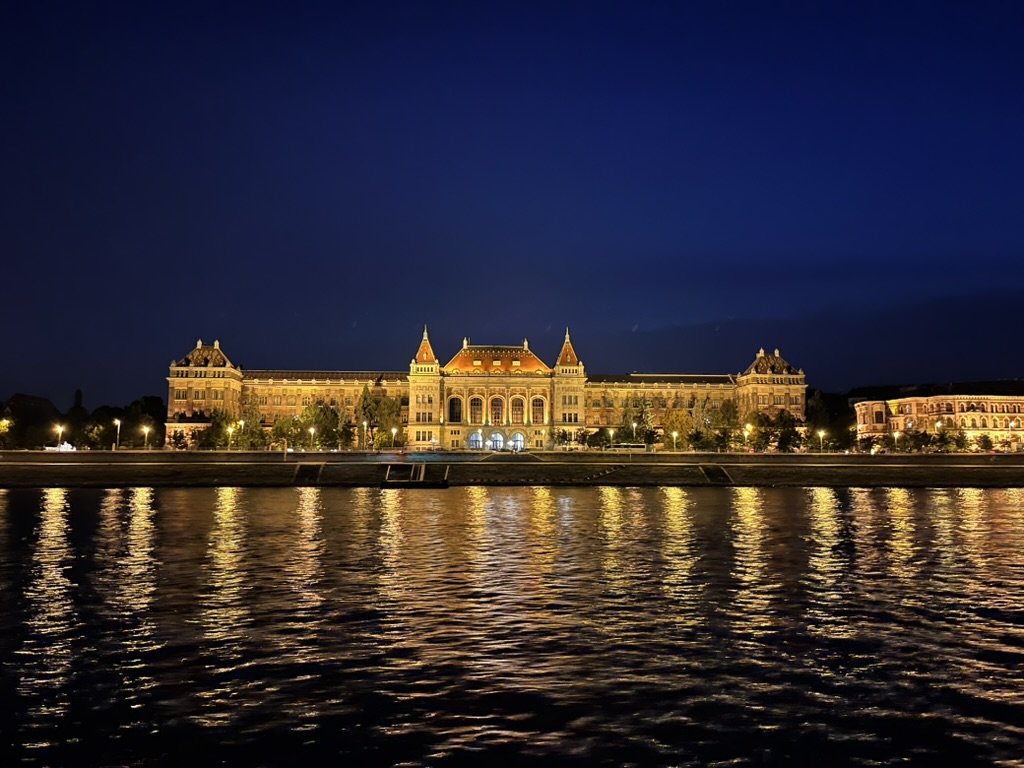
布達佩斯旅遊|第 1 次夜遊多瑙河
白天的布達佩斯有溫泉、有市場、也有帶著生活感的街景,但真正讓這座城市被記住的,是夜晚。當匈牙利國…
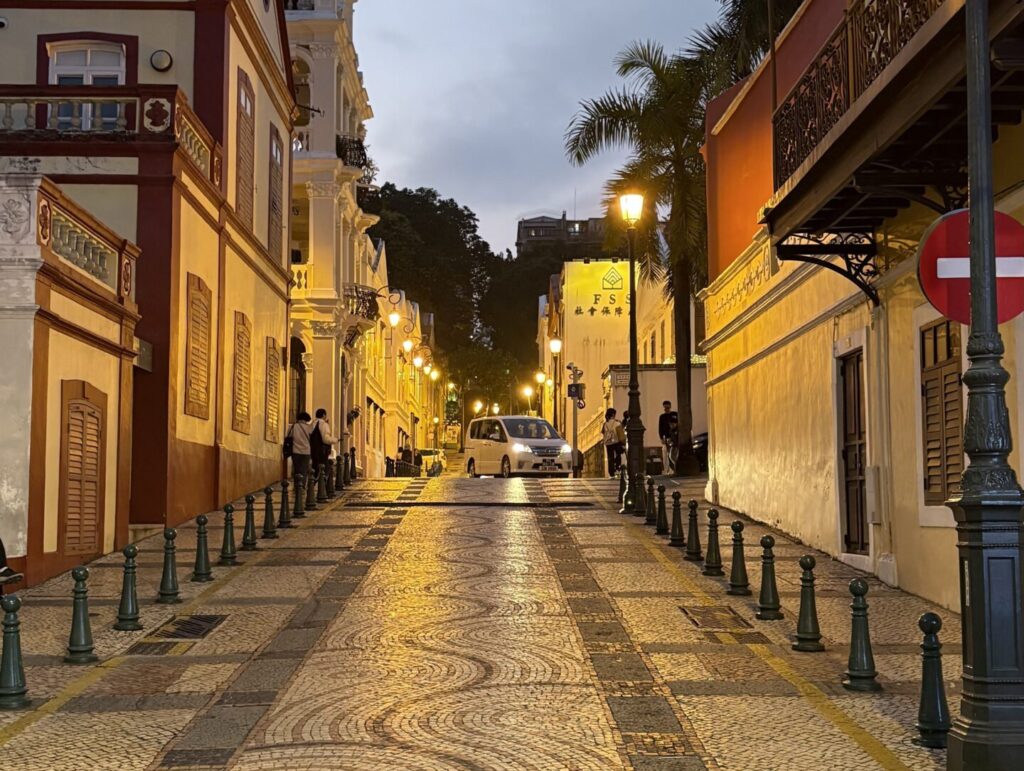
澳門旅遊 2 天 1 夜|必去景點推薦 & 自由行攻略
這趟澳門兩天一夜不是隨性走走,而是從一開始就設計成不請假、每一段都有緩衝的行程。以下分享詳細的 …
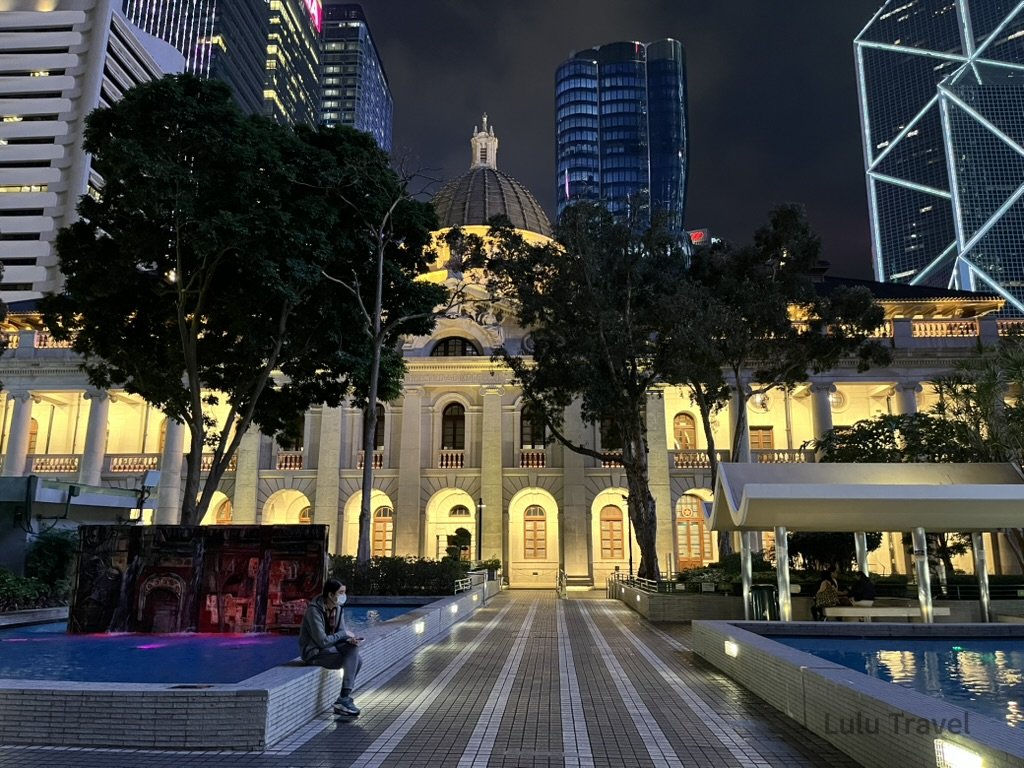
香港旅遊|1 趟香港自由行的每日路線記錄
01香港自由行動線設計Route Design 香港節奏很快,行程只要稍微亂掉,疲勞感會馬上放大…
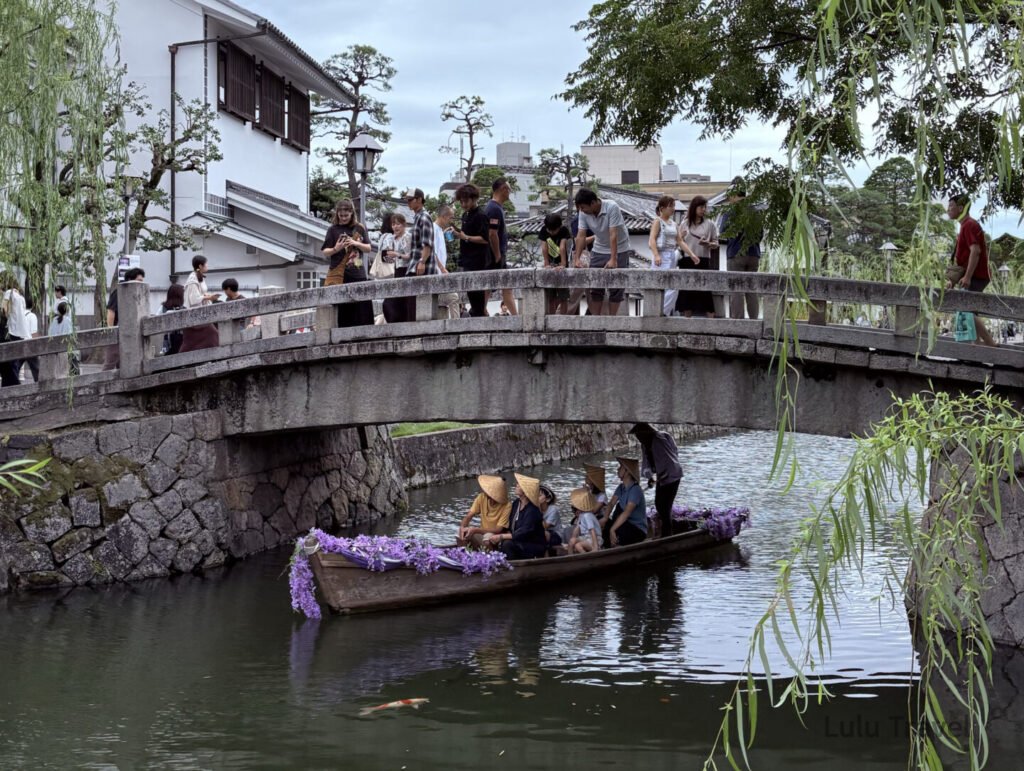
倉敷美觀地區|日本倉敷的 1 段散步旅遊記錄
01不搶熱門、不早起,也能感受日本倉敷美觀A Slower Kind of Day 岡山通常不在…
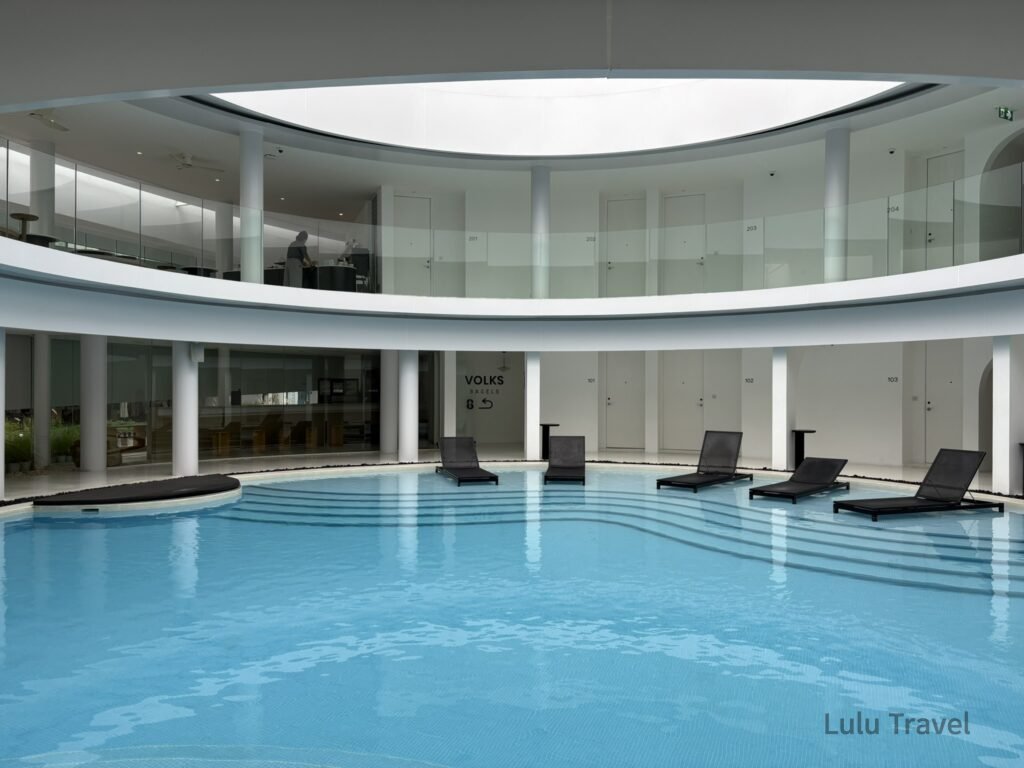
清邁晚去早回|有限時間下的 1 趟清邁自由行
01把出國行程變成真正休息的方法Rest, Not Rush 對社畜來說,旅行最難的不是去哪,而…
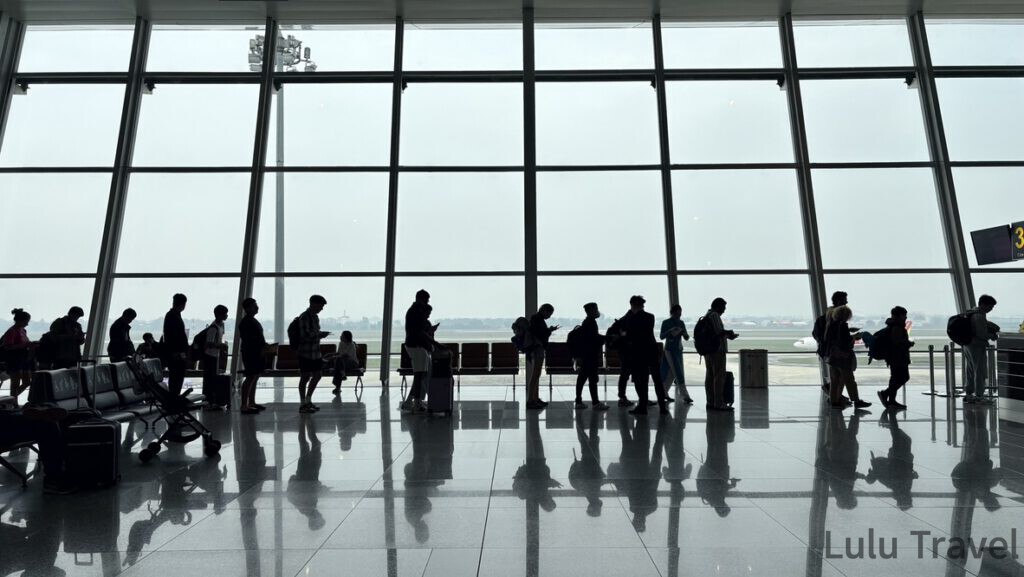
桃園機場免費淋浴|沒有機票也能使用?實際體驗心得
01桃園機場免費淋浴設施,沒有機票、沒有進出關,都可用Free & No Ticket …
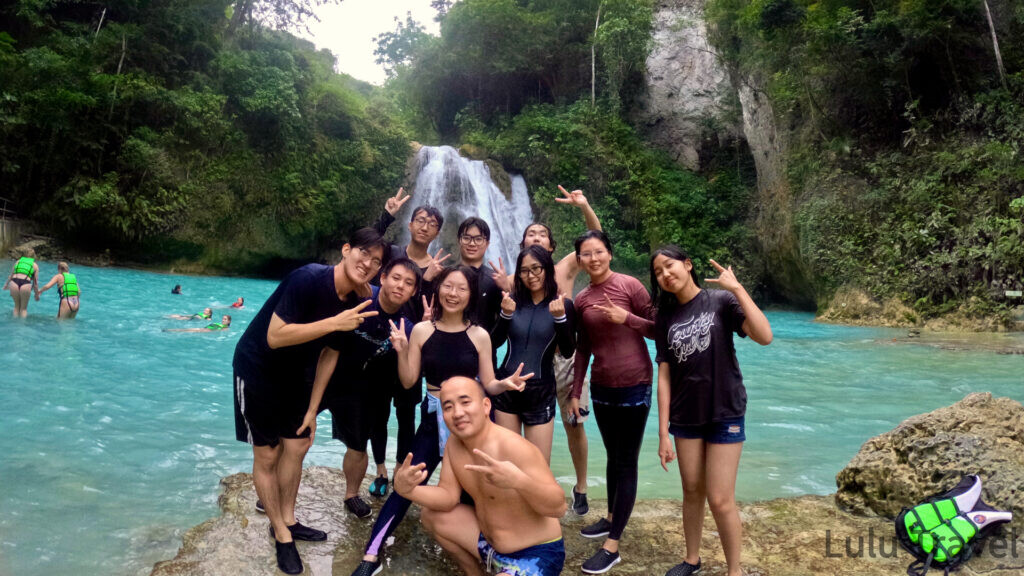
宿霧鯨鯊共游|Kawasan Falls 跳水溯溪,18 小時真實體驗
宿霧遊學的第三週週六,我報名了宿霧鯨鯊共游加 Kawasan Falls 跳水溯溪的一日遊。行前…
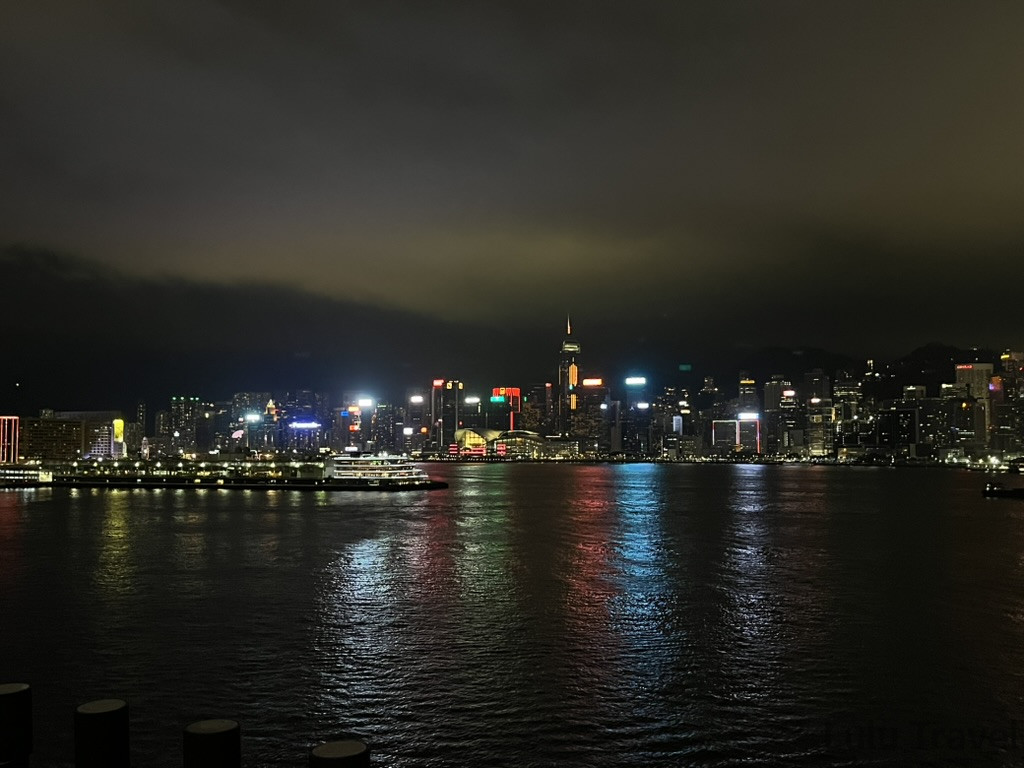
香港機場驚魂|違禁品被扣留、錯過 check-in 多待 1 晚
01出差次數一多,意外就發生When Things Go Wrong 出差的行程通常是壓著時間算…
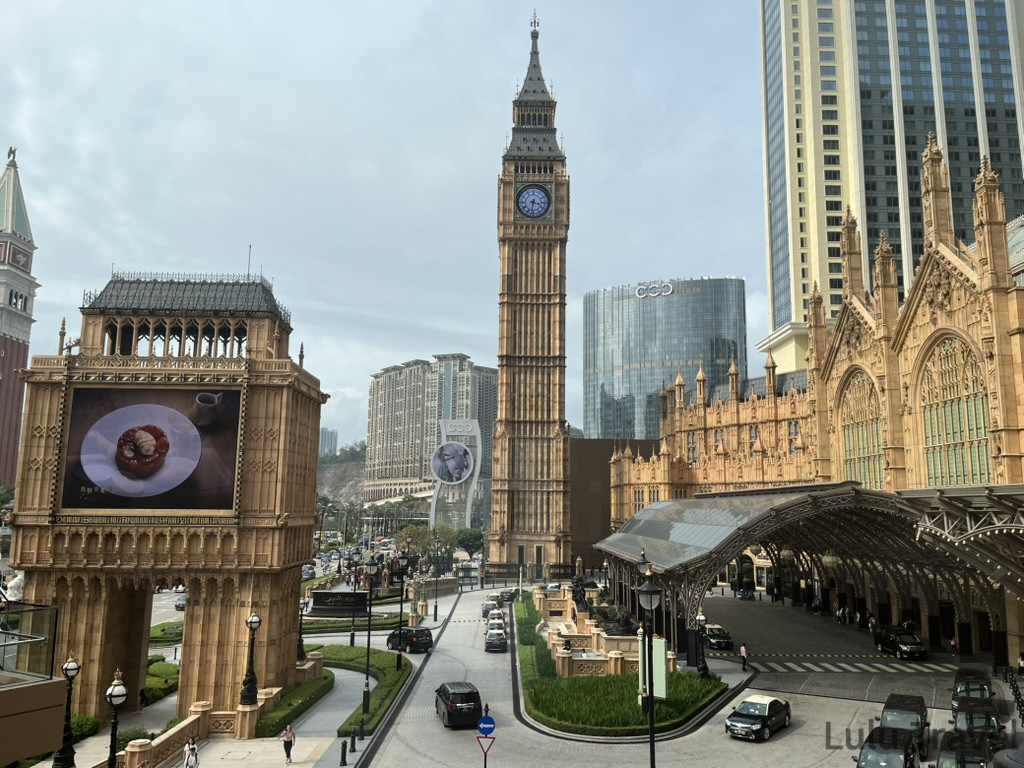
澳門自由行沒準備也能玩|出差意外解鎖的 2 天 1 夜
01沒計畫的澳門旅行,才最讓人意外An Unplanned Trip 這趟澳門自由行的起點,是一…
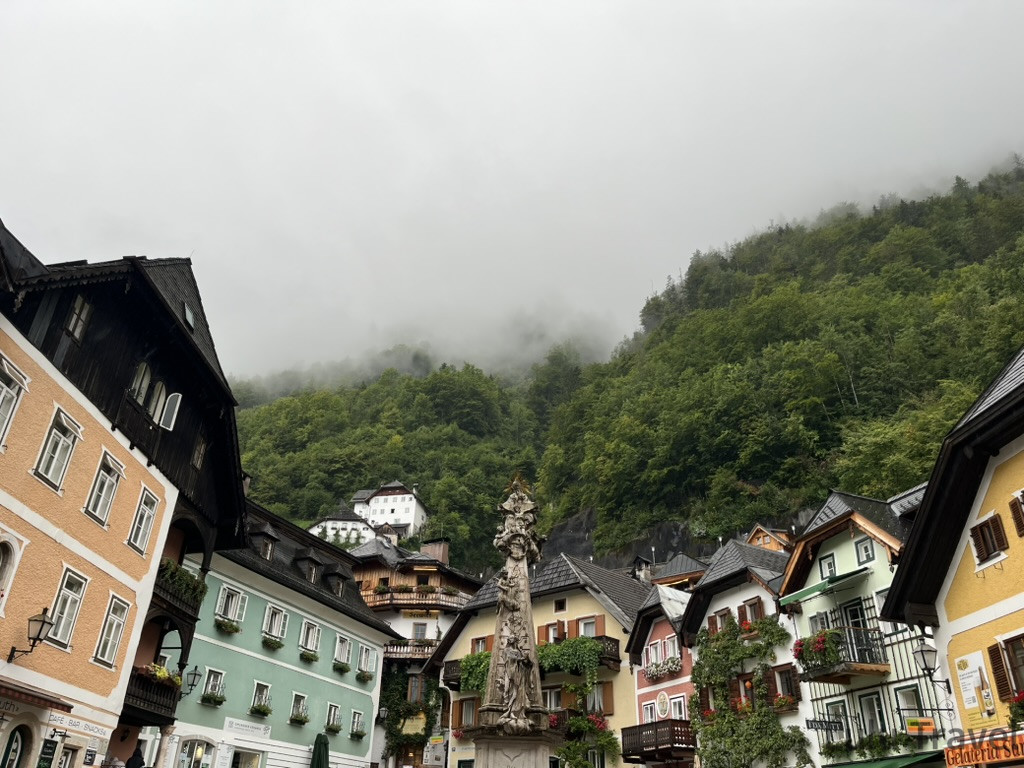
哈修塔特|從薩爾斯堡出發的真實心得與評價
01哈修塔特一日遊,出發前先想清楚一件事Before You Go 哈修塔特(Hallstatt…
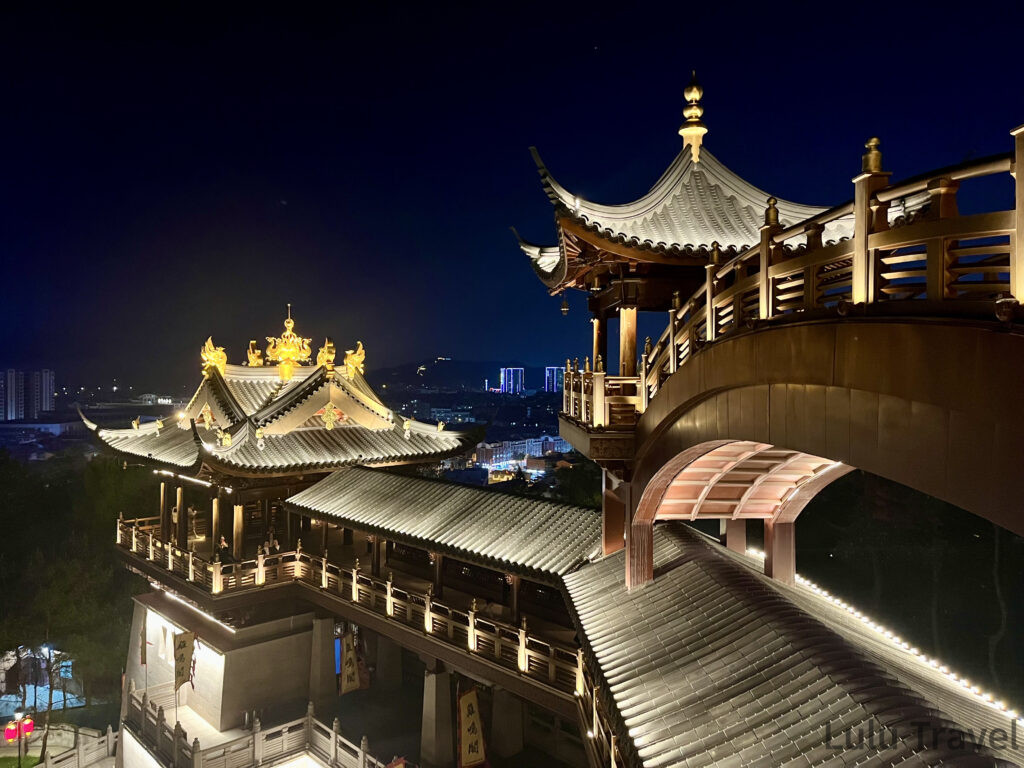
中國出差|深圳的震撼反差與義烏意外挖到的免費景點
01台胞證辦好的那一刻,才意識到真的要去First China Trip 在工業產品設計這行,和…
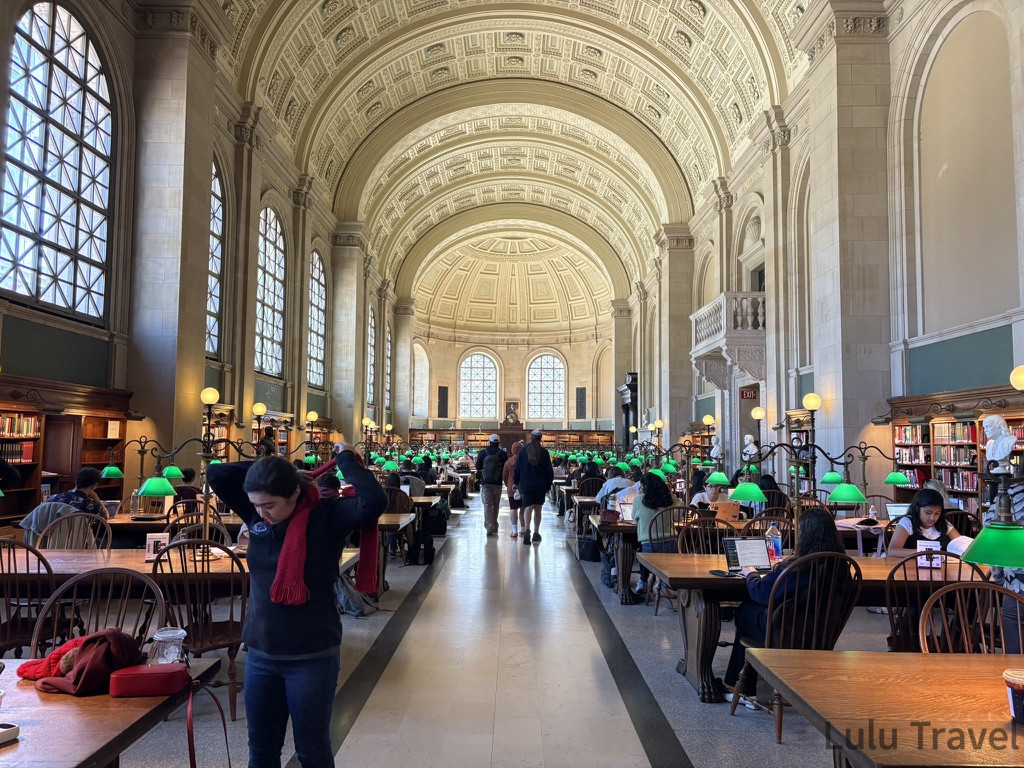
美國波士頓 1 日遊|從紐約出發值得嗎?行程、費用與心得
波士頓 1 日遊是衝動,也是旅行後段的一種解法。在決定去紐約之前,波士頓一直是我旅遊清單上的強力…
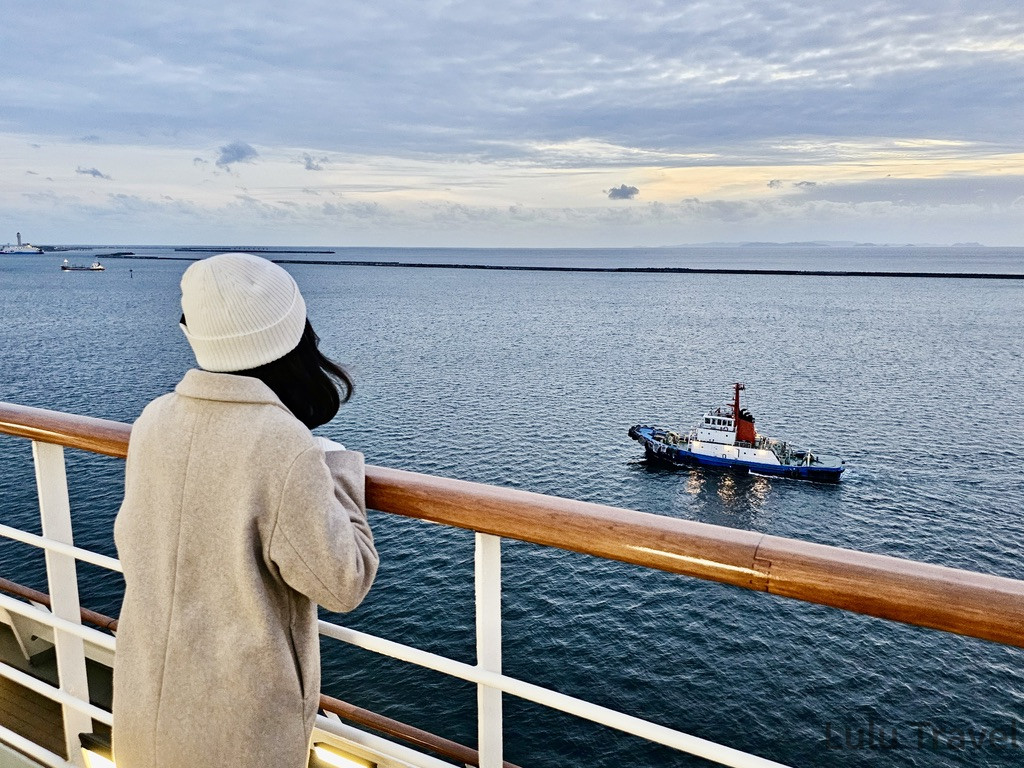
日本郵輪旅行 | 高雄出發歌詩達莎倫娜號的 10 個真實心得
序如果你期待這種享受,那郵輪可能不適合Before You Board 我搭乘的是從高雄出發的日…
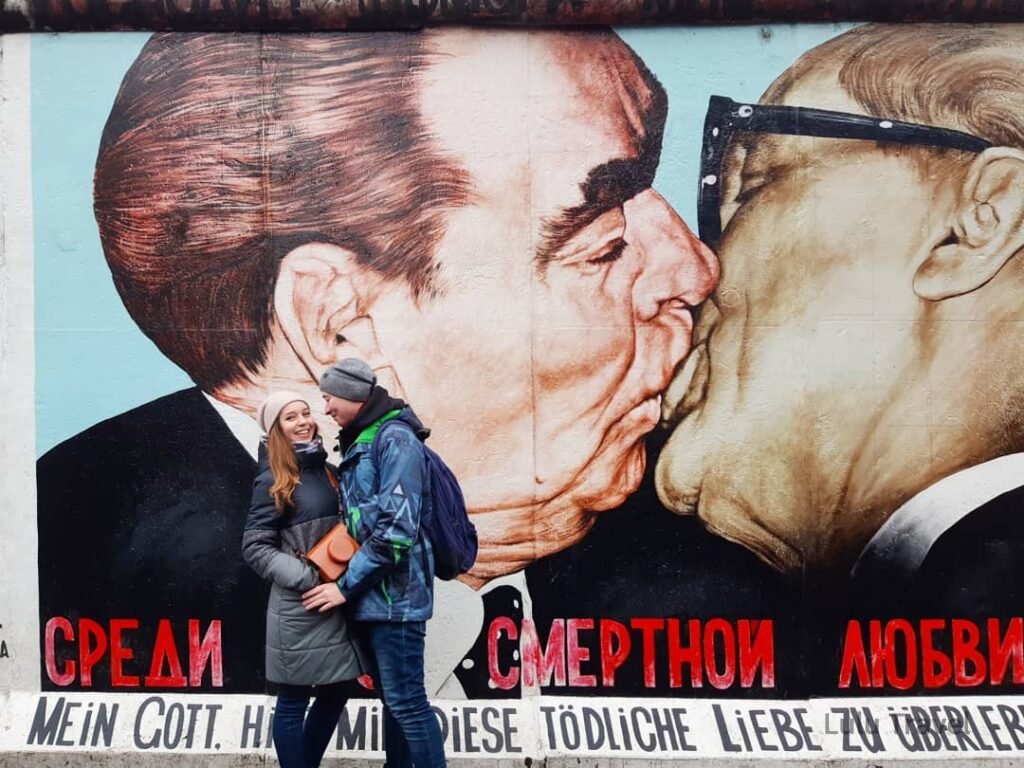
德國時間觀念|在秩序之國遇到的第 1 個文化衝擊
01我以為的德國旅行,是準點的The Myth 德國時間觀念,是我在踏上德國之後,第一個被打破的…
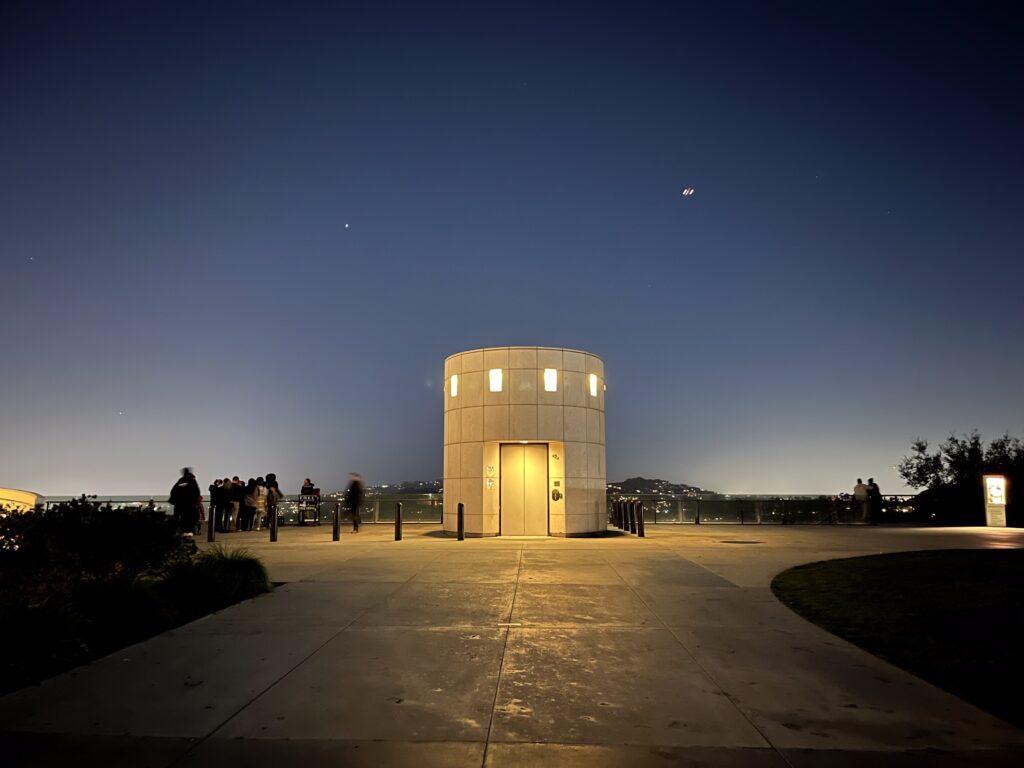
美國旅遊兼出差|第 1 次解鎖美西自由行
01出差成了我進入美西旅遊的方式How It Began 疫情解封後一年內,我出國出差了七次,而…
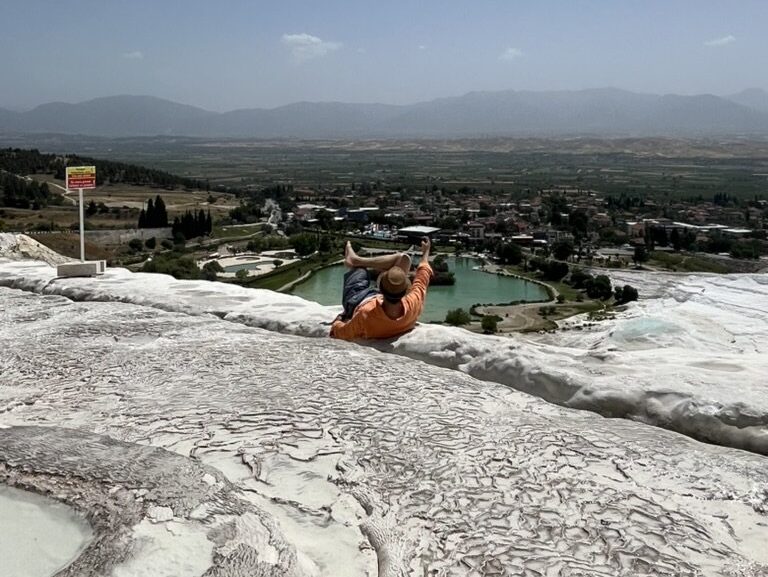
土耳其跟團心得|1 趟文化與行程的深度觀察
01一趟不輕鬆的土耳其旅遊,與久違跟團的真實感受Choosing a Tour 很久沒有跟團了。…
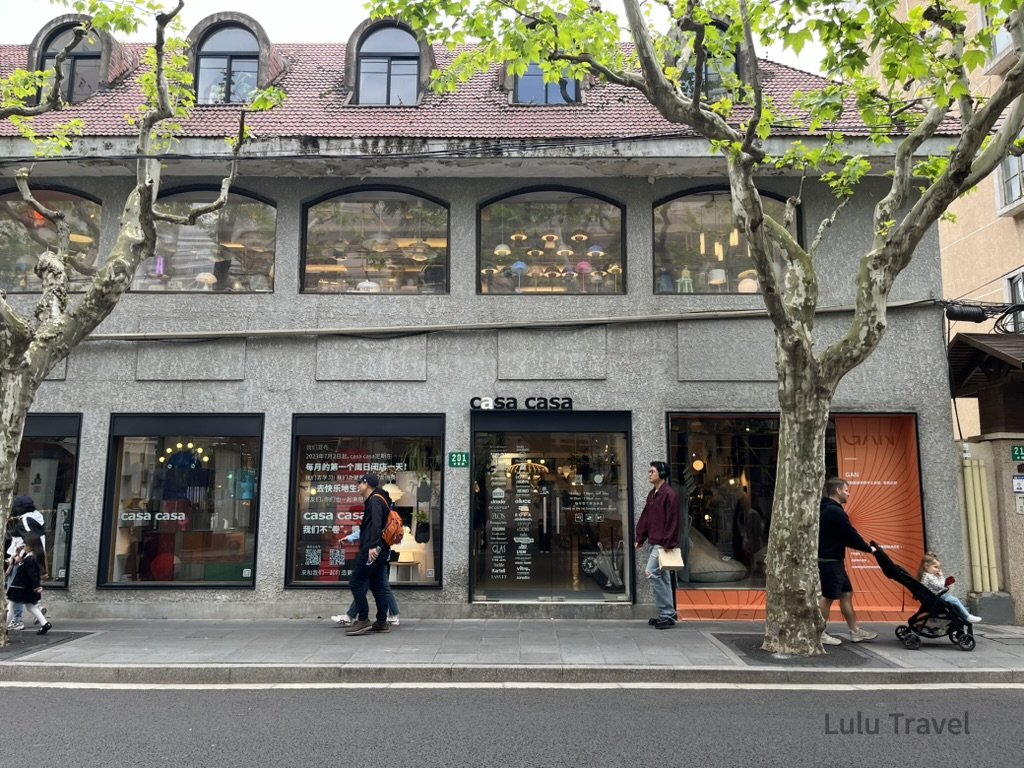
上海 City Walk| 1 次自由行散步體驗
01如何把高風險旅行變成可控行程A Trip Gone Sideways 上海常被說是「最不像中…
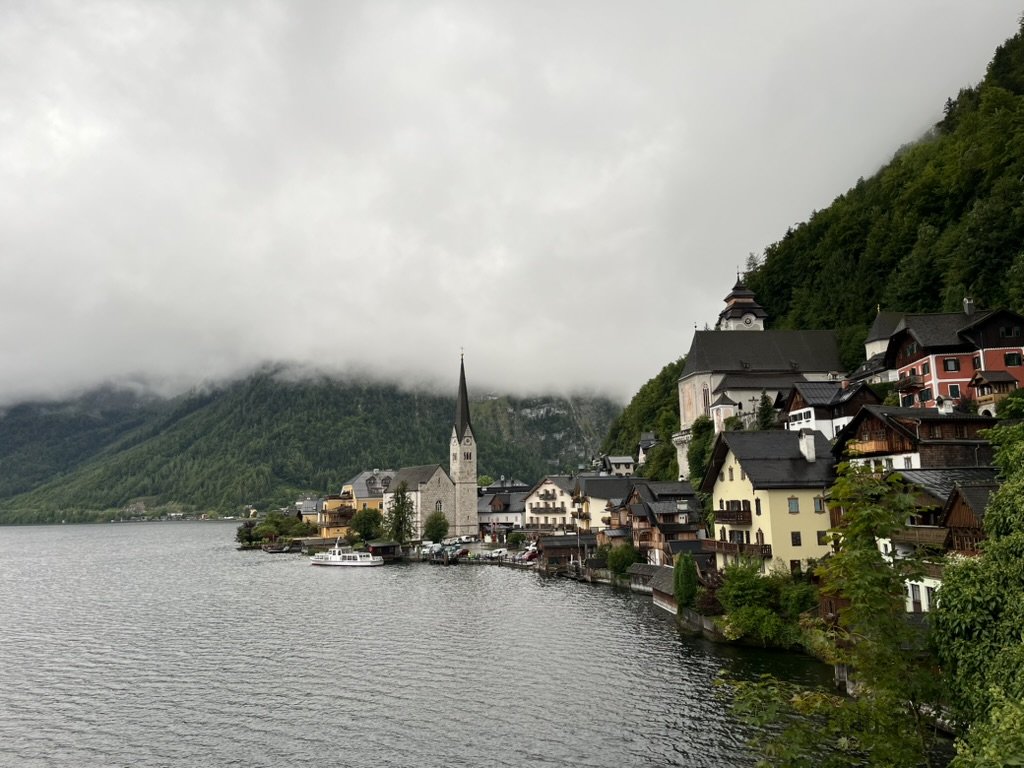
帶長輩去歐洲旅遊|實際安排與心得分享
01帶長輩去歐洲旅遊建議:把高風險變可控Making It Manageable 帶長輩出國,不…