This Fukuoka itinerary was decided just one month before Golden Week. Japanese public holidays, expensive flights, and popular hotels and sightseeing trains already swept clean — what you can still put together under those conditions is what this post is really about. Six days and five nights starting from Hakata, with Itoshima, Yanagawa and Dazaifu slotted in the middle, and the final two days spent in Yufuin. This post lays out the first five days by date: train times, how to exchange passes, what things actually cost, and one thing I didn’t see coming — almost every disappointment on this trip came from somebody else’s recommendation.
01Booking a Month Before Golden Week — What’s Still Available
The short answer: the big pieces are still bookable, but you have to accept two kinds of compromise — the ones you genuinely can’t work around, and the ones that turn out better anyway.
Still bookable
- Flights (Tigerair direct, Kaohsiung to Fukuoka — not the cheapest fare, but seats were there)
- A business hotel next to Hakata Station, though the room choices shrink and prices climb; our first two nights and last three had to be split across different room types
- The KKday Itoshima shared-bus day tour
- The Nishitetsu Dazaifu & Yanagawa sightseeing pass
- The highway bus from Yufuin to Fukuoka Airport
The compromise that turned out better: Yufuin
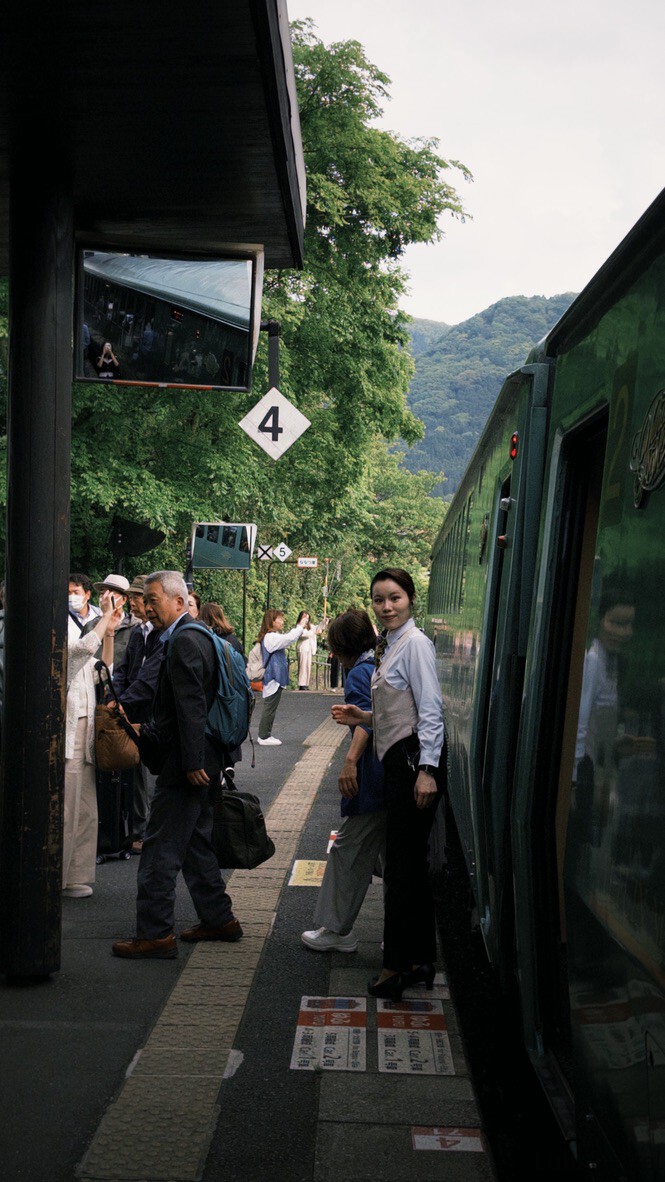
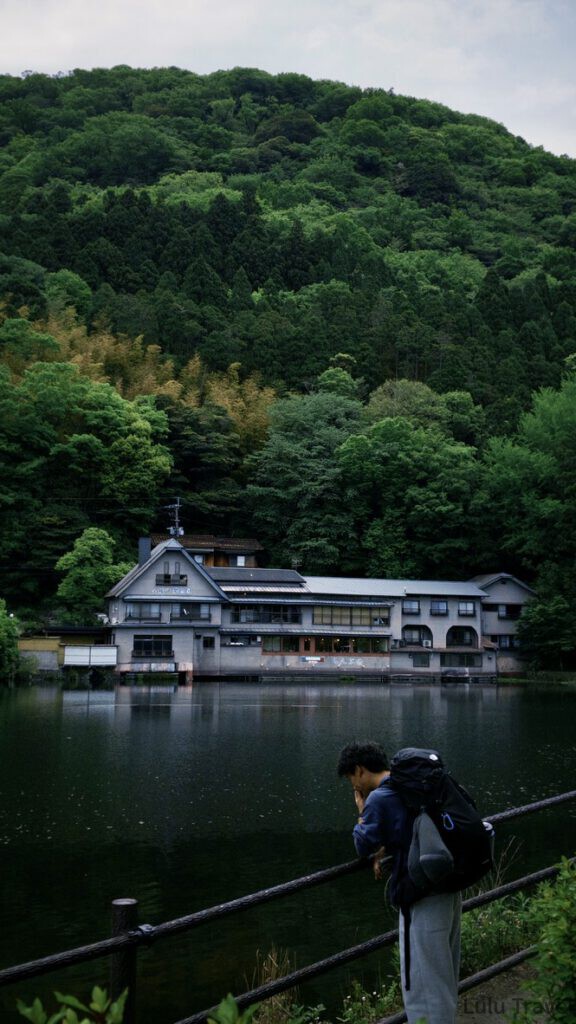
The usual way to do Yufuin is a day trip — out early, back late. But if you want to ride the Yufuin no Mori, the morning services are simply unbookable over Golden Week. Rather than force it, we moved Yufuin to the day after the holiday ended and turned it into an overnight. That single change brought three benefits: we skipped the holiday crowds, paid noticeably less for an onsen stay, and could take a bus straight from Yufuin to the airport the next day without looping back through the city.
For the full Yufuin write-up, see: Two Days in Yufuin: Escaping Golden Week Crowds, the Onsen Stay, and Yufuin no Mori
When the popular slots on a sightseeing train are sold out over a holiday, don’t give up on it — move that stop to after the holiday instead. The prices and the crowds come down together.
The ones you can’t work around
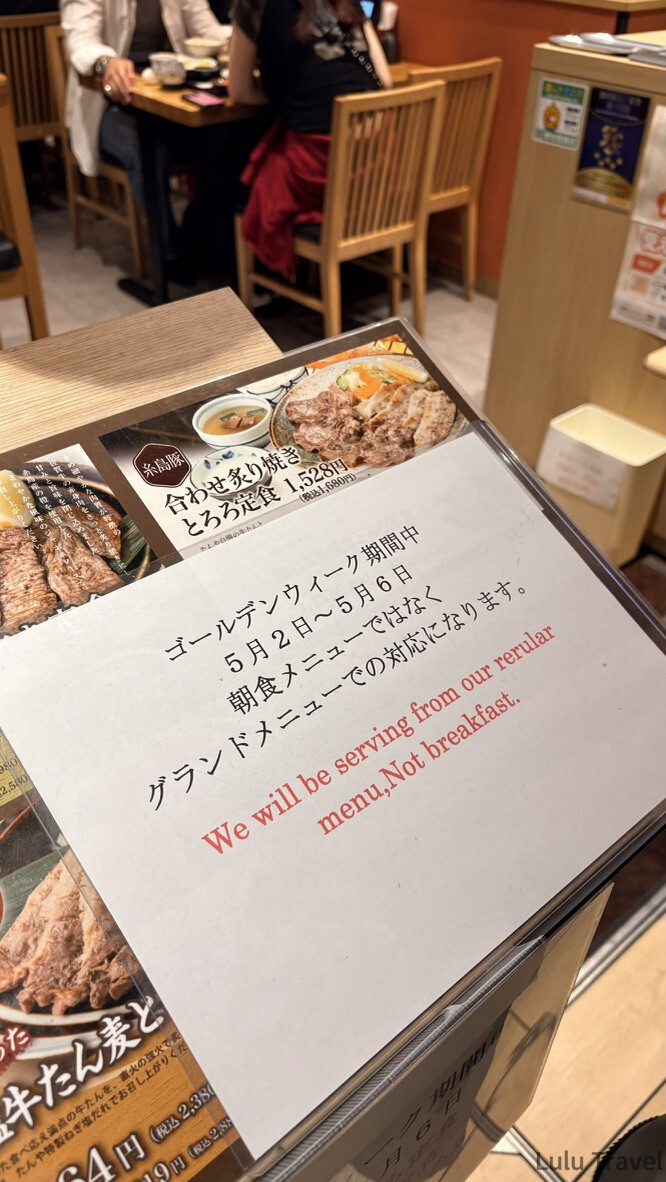
- The beef tongue breakfast set we’d planned on wasn’t served during Golden Week
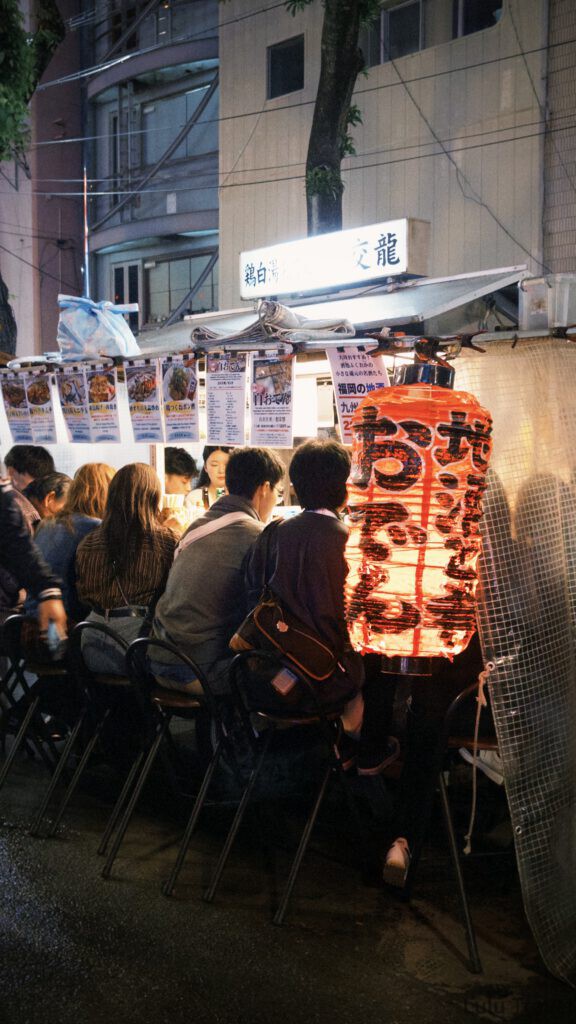
- The Nakasu yatai had enormous queues; we only walked past along the riverbank and never ate at one
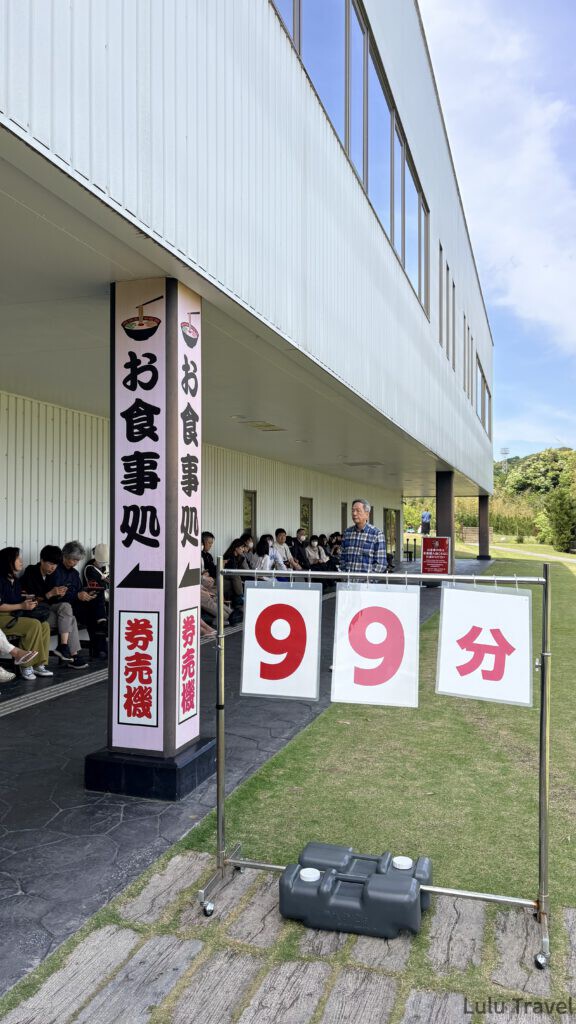
- Arriving at Ichiran no Mori in Itoshima at 2:30pm still meant a wait of over 99 minutes
- The queue of cars waiting to park at Totoro no Mori had no visible end
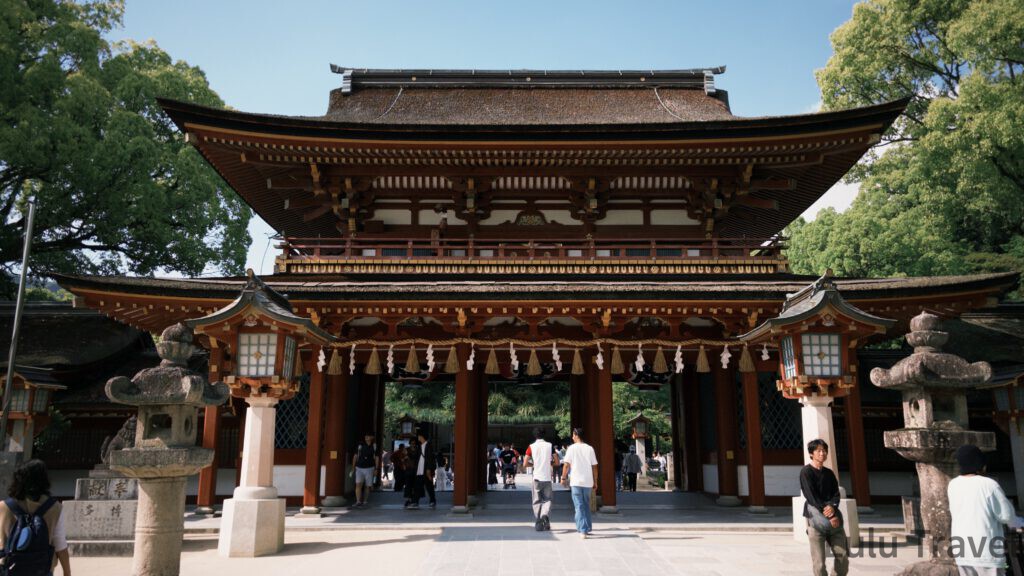
- The main hall of Dazaifu Tenmangu was under renovation (nothing to do with the holiday, but no way around it either)
02The Six-Day Fukuoka Itinerary at a Glance
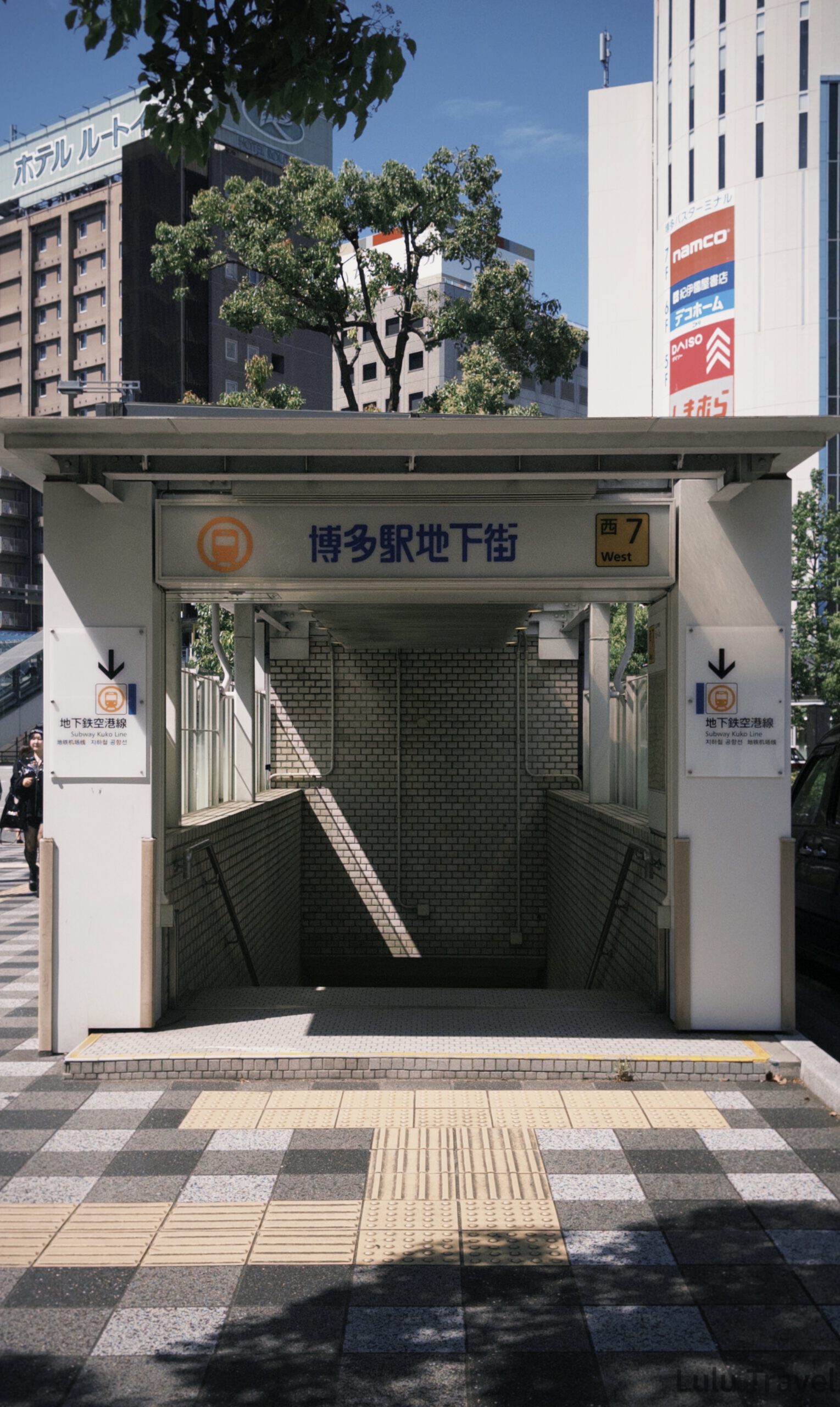
The shape of the six days is simple: Hakata as the base for four nights, moving to Yufuin on the afternoon of day five, then a highway bus straight from Yufuin back to Fukuoka Airport without returning to Hakata.
The first five days run out of Hakata; we only moved on the afternoon of day five. Two Days in Yufuin is written up separately — this post covers the Hakata half.
03Day 1 — Landing in Hakata: No Yatai, Just a Queue for Ramen
Tigerair IT270 left Kaohsiung at 14:10 and landed in Fukuoka at 17:50; I was at the airport by 11:40 to check in and drop bags. It’s an economy flight with no meal service, and outside food isn’t allowed on board, so eating properly before you fly is the practical move.
Three ways into the city from Fukuoka Airport
- Take exit A2 for the free shuttle to the domestic terminal, then the subway to Hakata Station.
- To avoid transferring, exits 6 and 7 have buses direct to Hakata Station — you can ride straight to the Lawson beside Forza Hakata Chikushi-guchi.
- With a larger group, A3 is the taxi rank and A4 is for app-booked taxis.
There’s no subway station at the international terminal — you have to shuttle over to the domestic terminal first. With a group and heavy luggage, a taxi or the direct bus is genuinely less hassle.
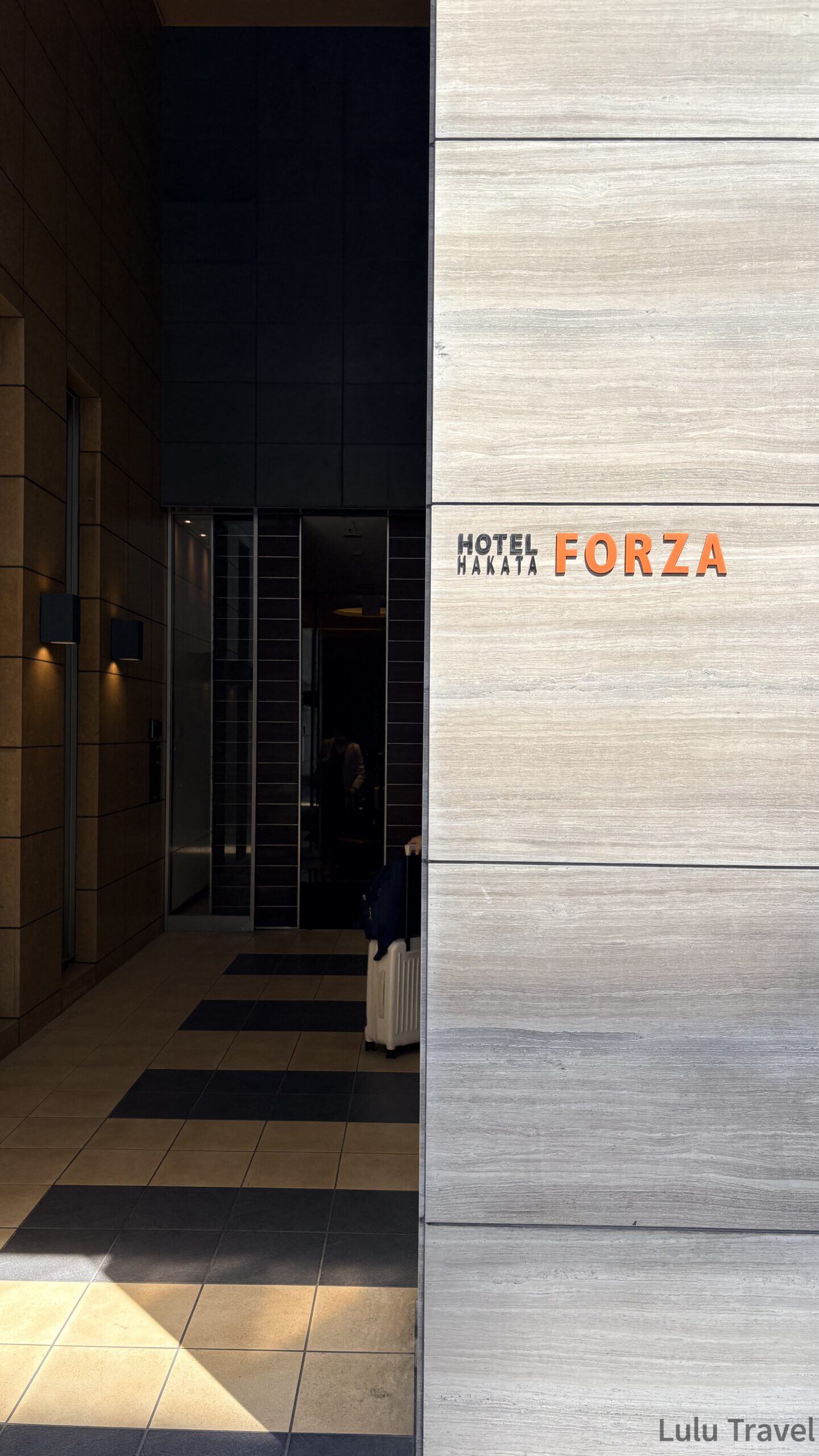
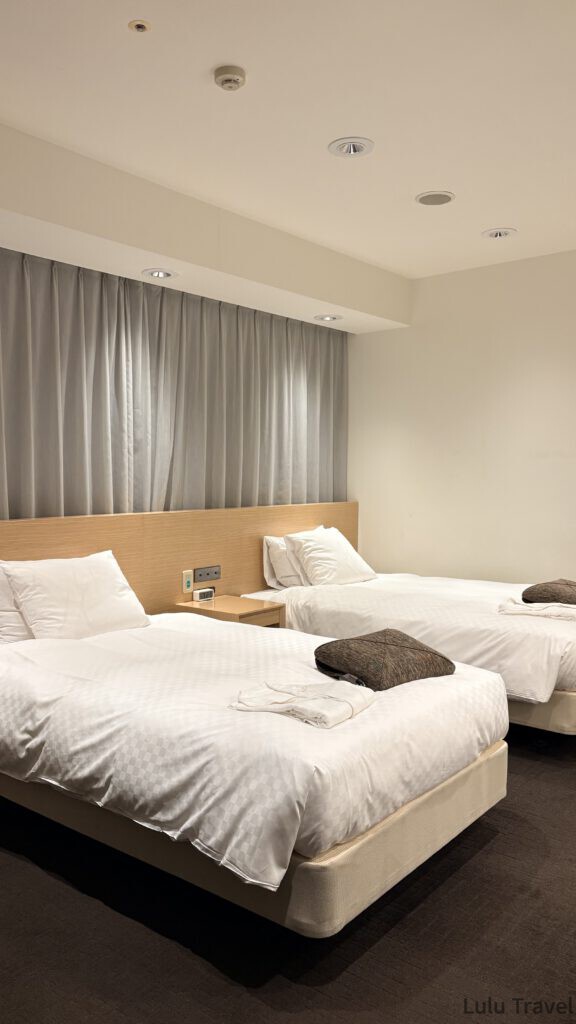
Between us we managed to collect three different room types at Forza Hakata Chikushi-guchi: the Forza twin, the Healing twin with a massage chair, and an accessible twin we were assigned after booking a mystery room. Apart from the massage-chair room feeling cramped, the others were considerably larger than the business hotels I’ve stayed in elsewhere in Japan.
Same hotel, same two nights: the single-occupancy mystery room cost 4,248 more than the double-occupancy Healing twin. The Golden Week solo premium is very real.
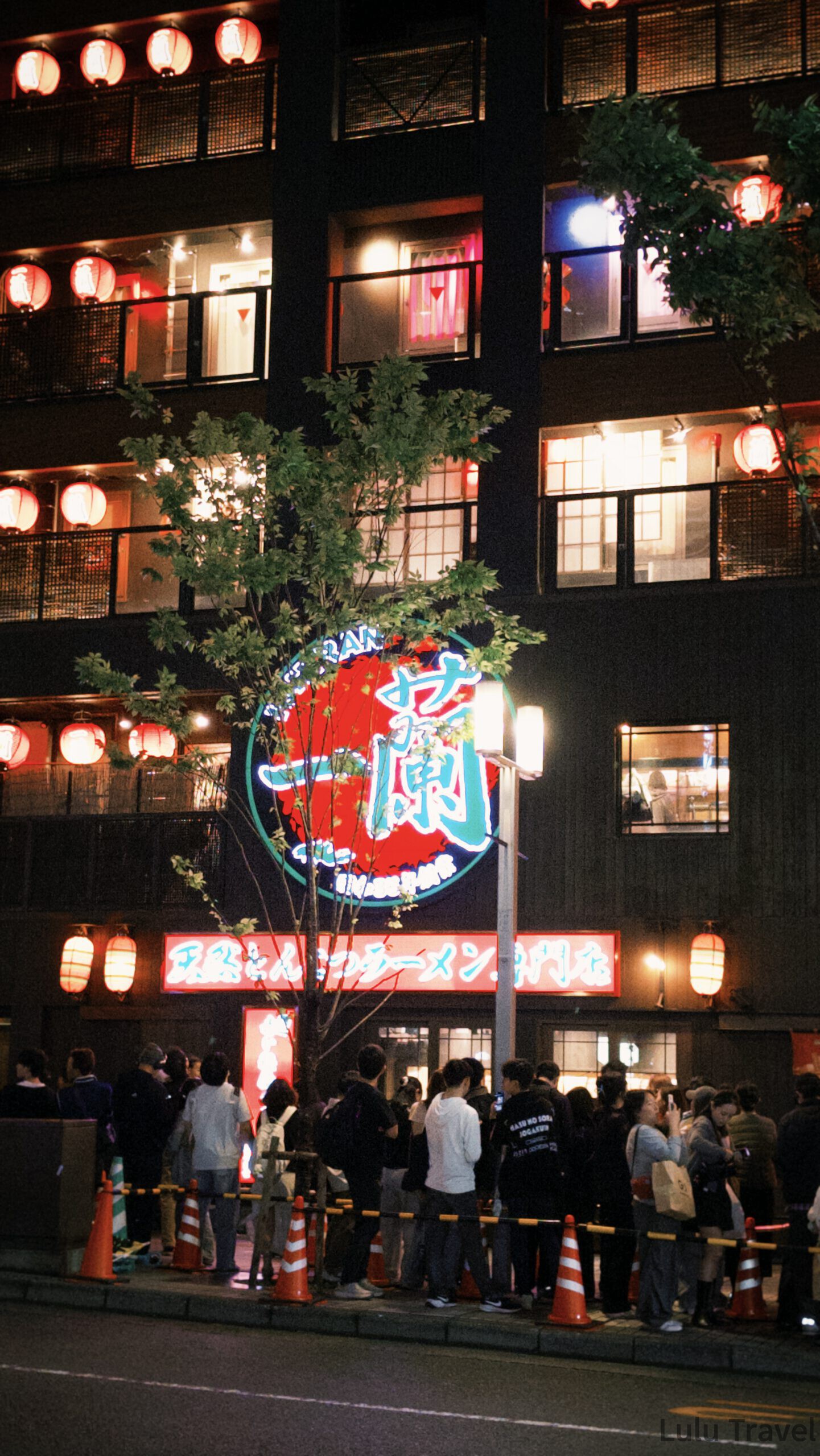
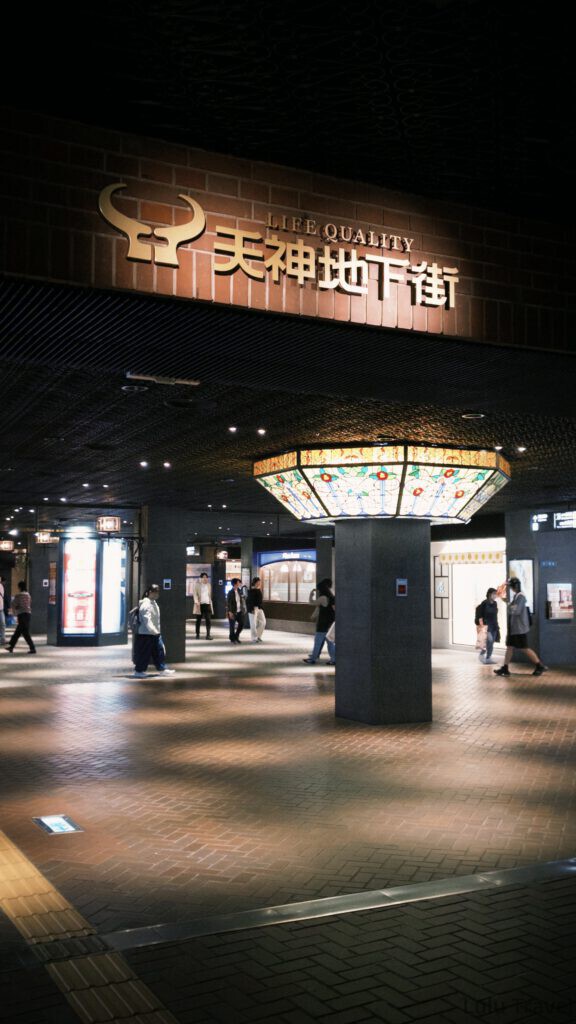
After dropping our bags we took a bus to Nakasu, just in time for the 20:00–20:15 traditional music performance outside the Ichiran head store. Since we were heading to Ichiran no Mori in Itoshima the next day, we watched from outside without going in.
This hidden evening performance only happens at Ichiran’s head office store in Fukuoka, nowhere else in the world. If you have time, get to the opposite side of the street early to watch — and don’t stand on the stairwell of the building across the road, out of consideration for the people who live there.
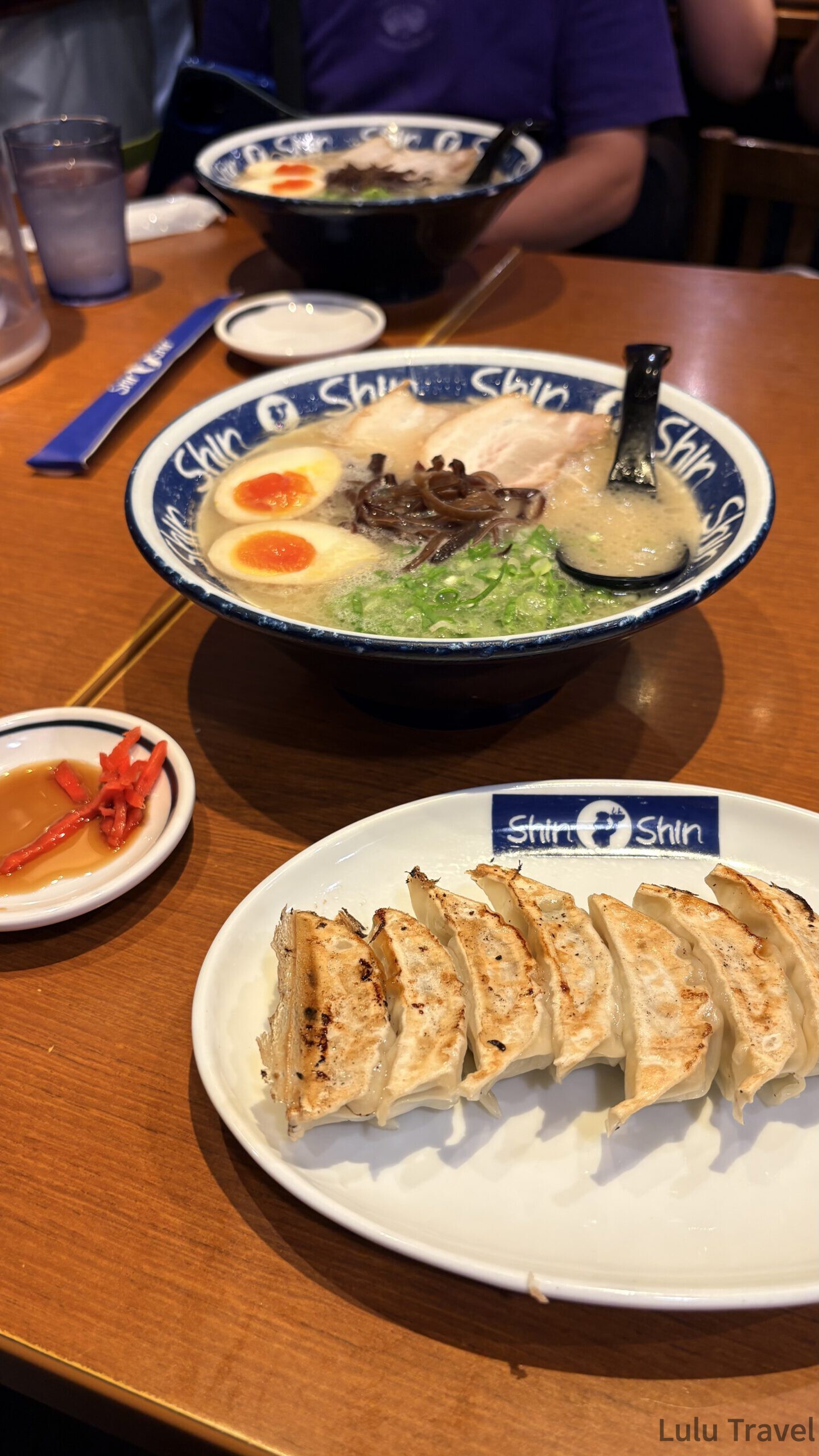
After the performance we’d hoped to experience Japan’s most emblematic street-food culture, the yatai — but the Golden Week crowds meant it never happened. We only walked past the packed riverbank of stalls before doubling back to the ramen street inside Hakata Station. We went with Hakata Ramen ShinShin, Hakata DEITOS branch, where there was still a thirty-minute wait at nine in the evening. The broth had a deep, porky richness, and the extra-thin straight noodles were made to soak up every bit of that tonkotsu sweetness.
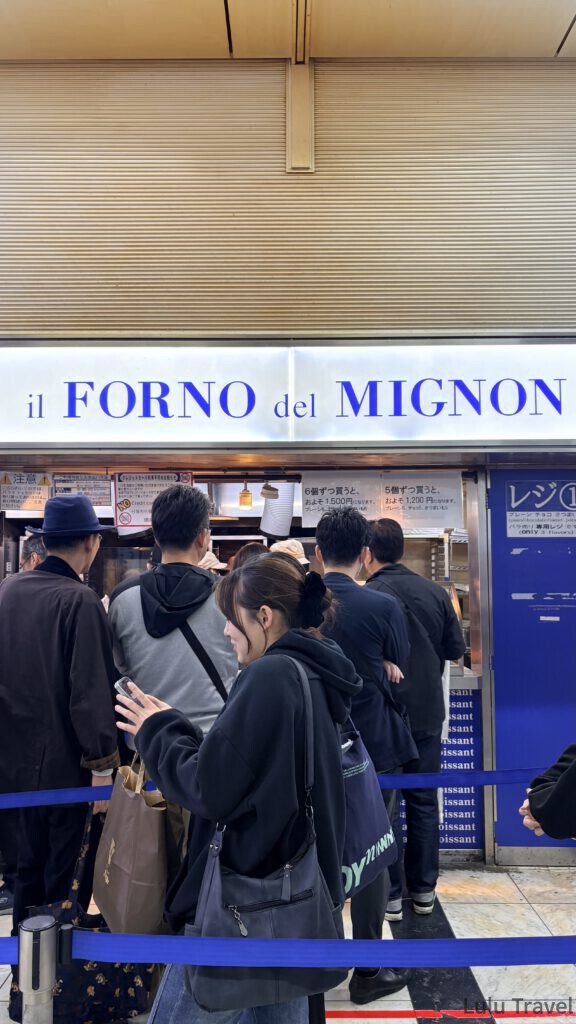
At half past ten we passed il FORNO del MIGNON, another place with plenty of online buzz, and found it still had a queue — so we joined it and bought three of each of three flavours. The system is that everything is baked and waiting for you to grab and pay, so the line moves fast. But once we ate them, they just tasted sweet. Not especially crisp.
04Day 2 — Itoshima Day Tour: A Private Trip for Three
Itoshima is awkward to reach by public transport, so I booked the KKday Itoshima day tour. The meeting point is the LAWSON Oriental Hotel branch, about a two-minute walk from where we were staying at Hakata Chikushi-guchi — very convenient.
As it turned out, the entire tour that day was just the three of us, which meant the driver could reorder the itinerary on the fly. The plan was Shiraito Falls, the forest café, Raizan Sennyoji, Ichiran no Mori, then Totoro no Mori. In practice the driver suggested swapping the forest café and Raizan Sennyoji to dodge the queueing peak, and we later swapped Totoro no Mori and Ichiran no Mori too.
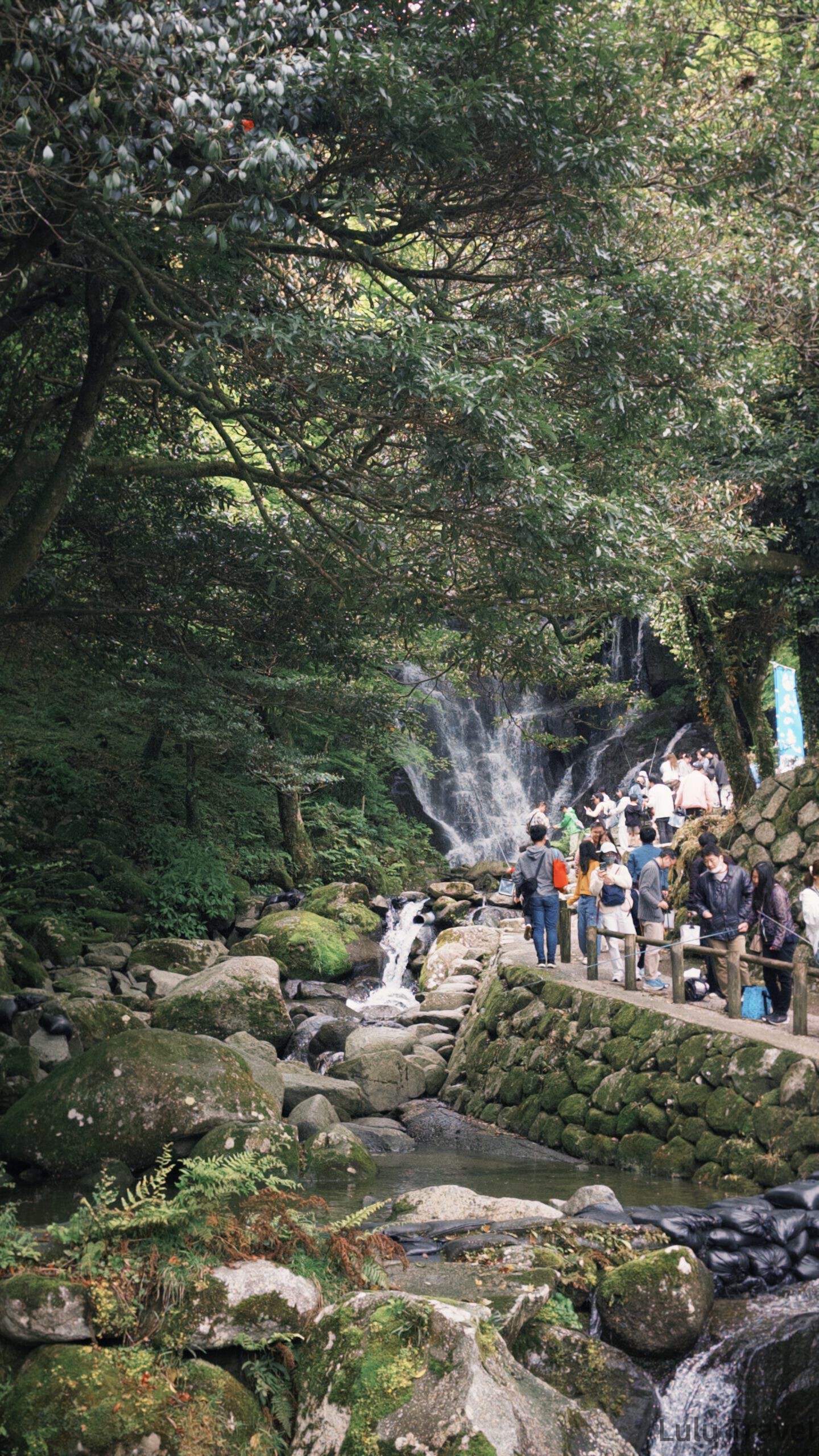
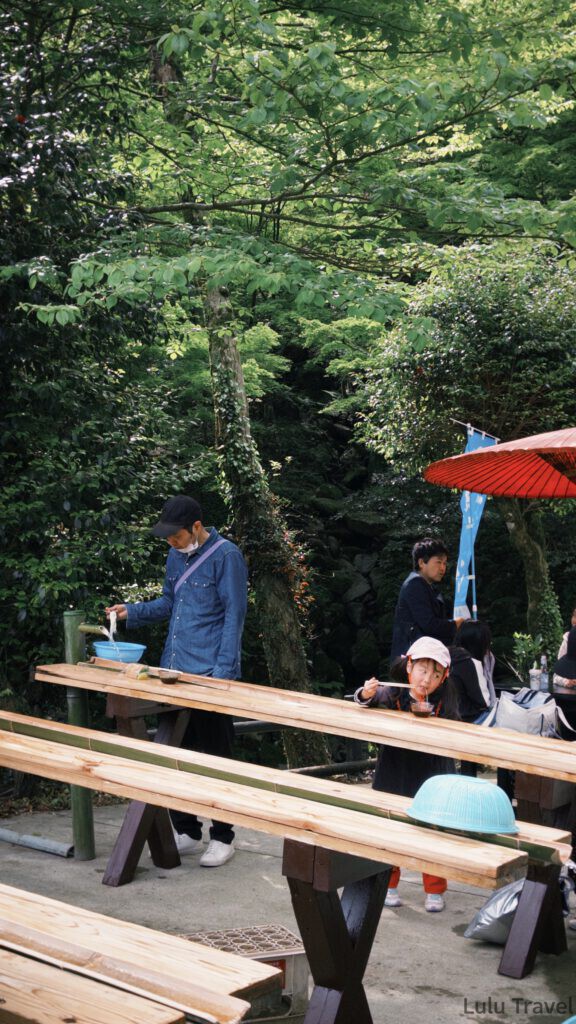
First stop was Shiraito Falls, a natural waterfall in Itoshima with a drop of around 24 metres, named for the way the water falls in fine white threads. Surrounded by green forest, it’s a well-known spot for escaping the heat. Beyond looking at the falls there’s also fishing and nagashi somen — flowing noodles — and if we hadn’t been on the clock I’d have wanted to try both rather than just photograph the waterfall and move on.
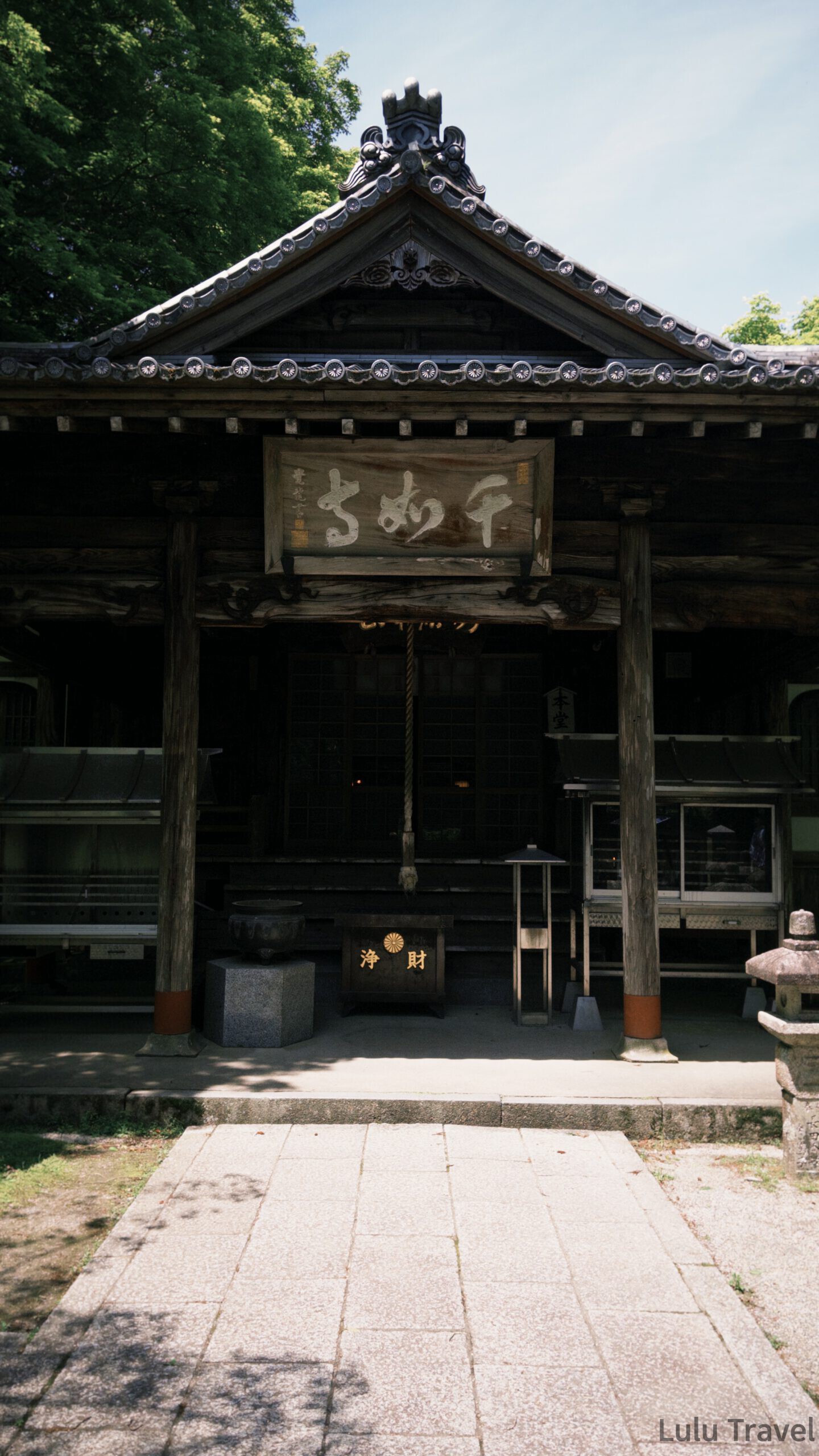
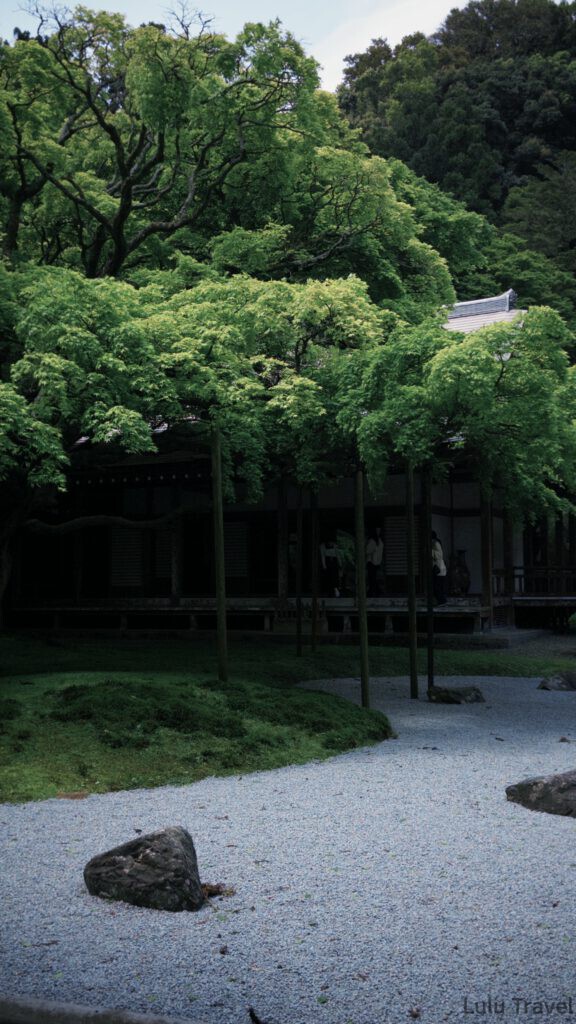
Next was Raizan Sennyoji, a thousand-year-old temple founded in the Nara period. It has a maple tree over 400 years old, a Japanese garden, and a wooden standing statue of the Thousand-Armed Kannon designated an Important Cultural Property. Because this is one of Fukuoka’s better-known autumn foliage spots, coming in summer means almost no crowds. Admission to the main hall is ¥500 for high school age and above, with an extra ¥200 mountain-entry fee during the November foliage season.
Photography is prohibited inside the main hall. A resident monk leads visitors in batches for prayer; only once everyone is seated do the doors to the Thousand-Armed Kannon open, and the monk leads the chanting. It’s a genuinely solemn moment.
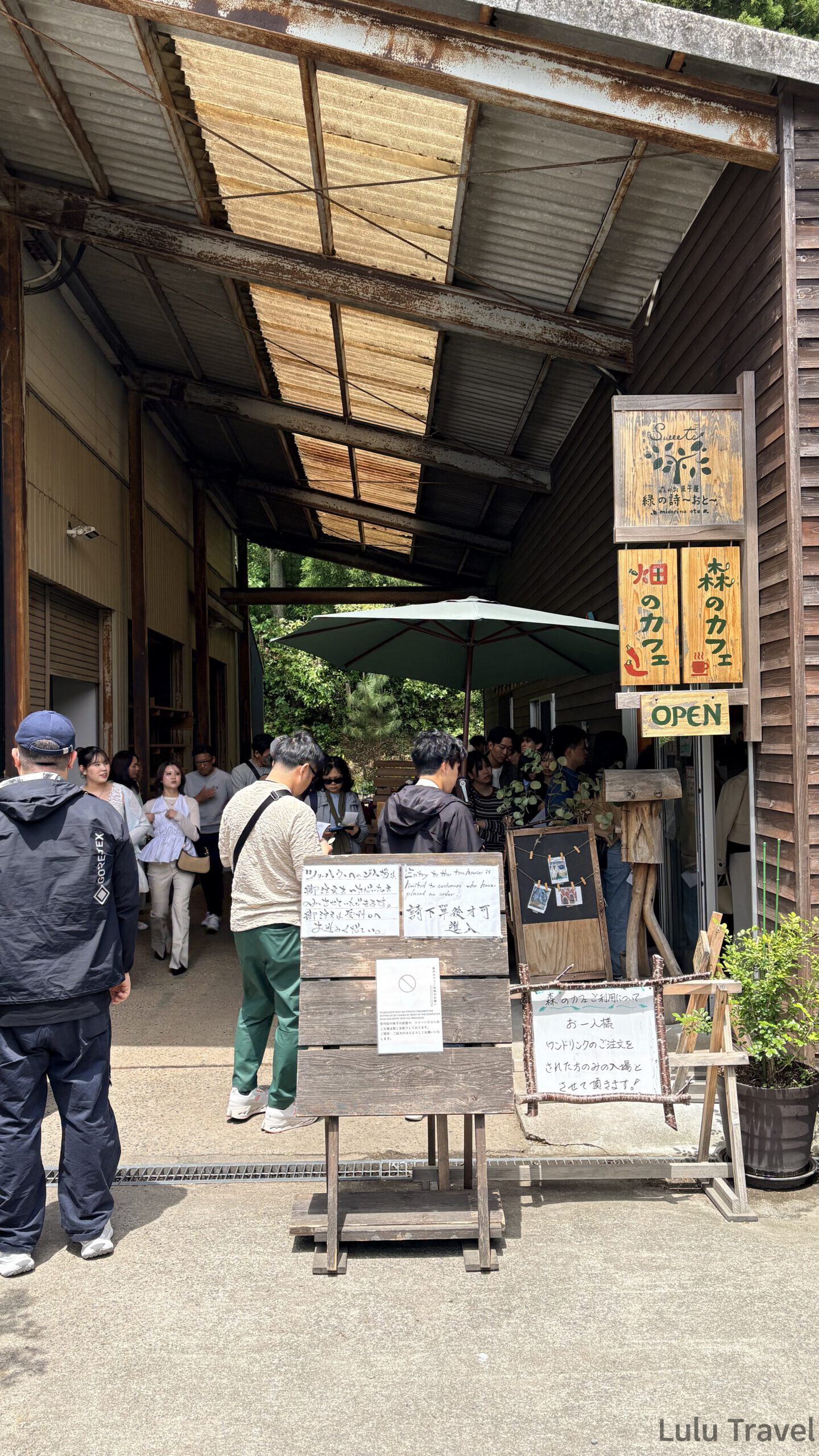
The forest café was the stop I’d looked forward to most, and it was also the biggest letdown. The tour company had even sent a link to pre-order food before we left, and I’d successfully placed an order — yet on arrival we were still told to queue with everyone else. The driver gave us fifty minutes; forty of them went on the queue. That left ten minutes to sit in the forest and take photos, with no chance to actually enjoy coffee and cake among the trees.
Presumably because of Golden Week, the café had suspended its online ordering service. If the forest café is the highlight of your day, ask the tour operator directly how long you’ll get on site — fifty minutes isn’t enough if you have to queue.
Totoro no Mori was, in my view, the most skippable stop of the day. Seeing a queue of cars for the car park with no end in sight, we simply got out and walked while the driver kept queueing. After a quick look around we turned back halfway, because there were far too many people on the trail — and by the time we returned to the car, the driver still hadn’t got a parking space.
Ichiran no Mori was the other disappointment. We’d deliberately skipped going inside the head store the night before to save it for here. But it didn’t work out: even past normal lunchtime, the wait at 2:30pm was still over 99 minutes. We had a quick look at the production line exhibit instead, and the guide took us to a Manpo-dori chicken shop that wasn’t on the itinerary so we could eat something.
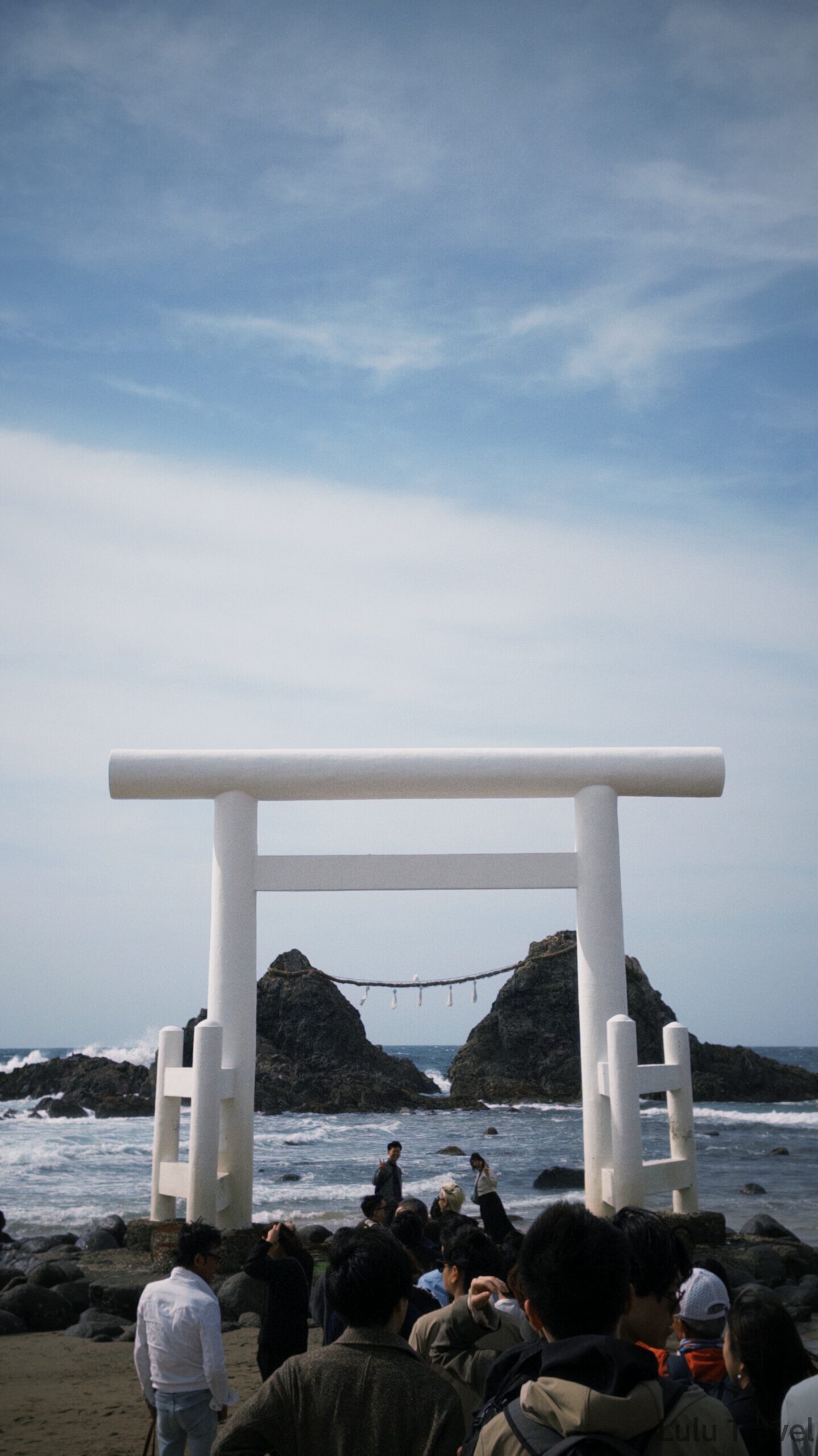
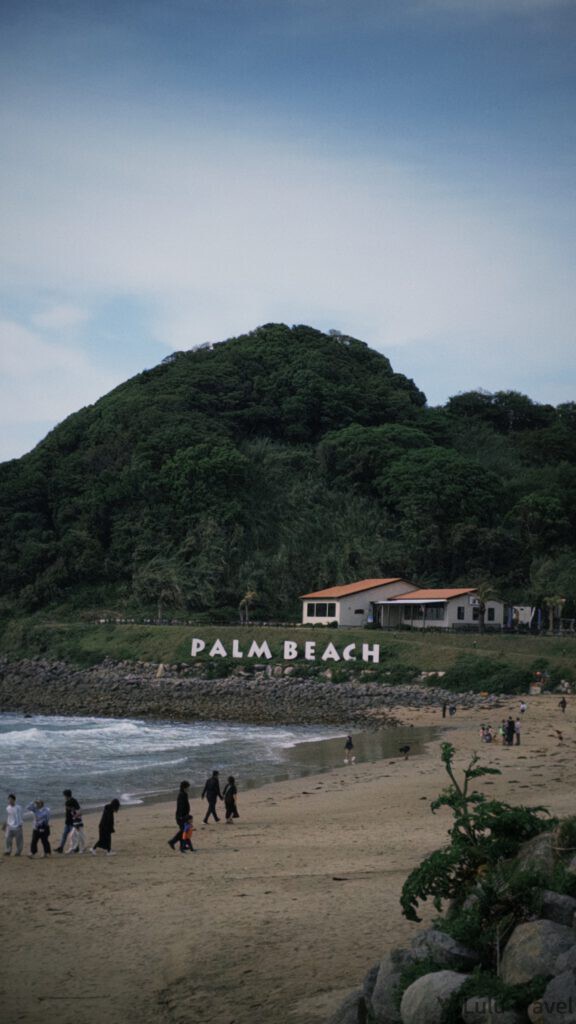
For the last stops — Sakurai Futamigaura’s Meoto Iwa, the Angel Wings and the palm tree swing — the guide gave us much more free time, and although it was still busy, the mood was far more relaxed. The white torii with the rope-joined rocks beyond it is a popular spot for couples praying for good relationships and for watching the sunset, and after Itsukushima Shrine on Miyajima, it’s the second seaside torii I’ve collected.
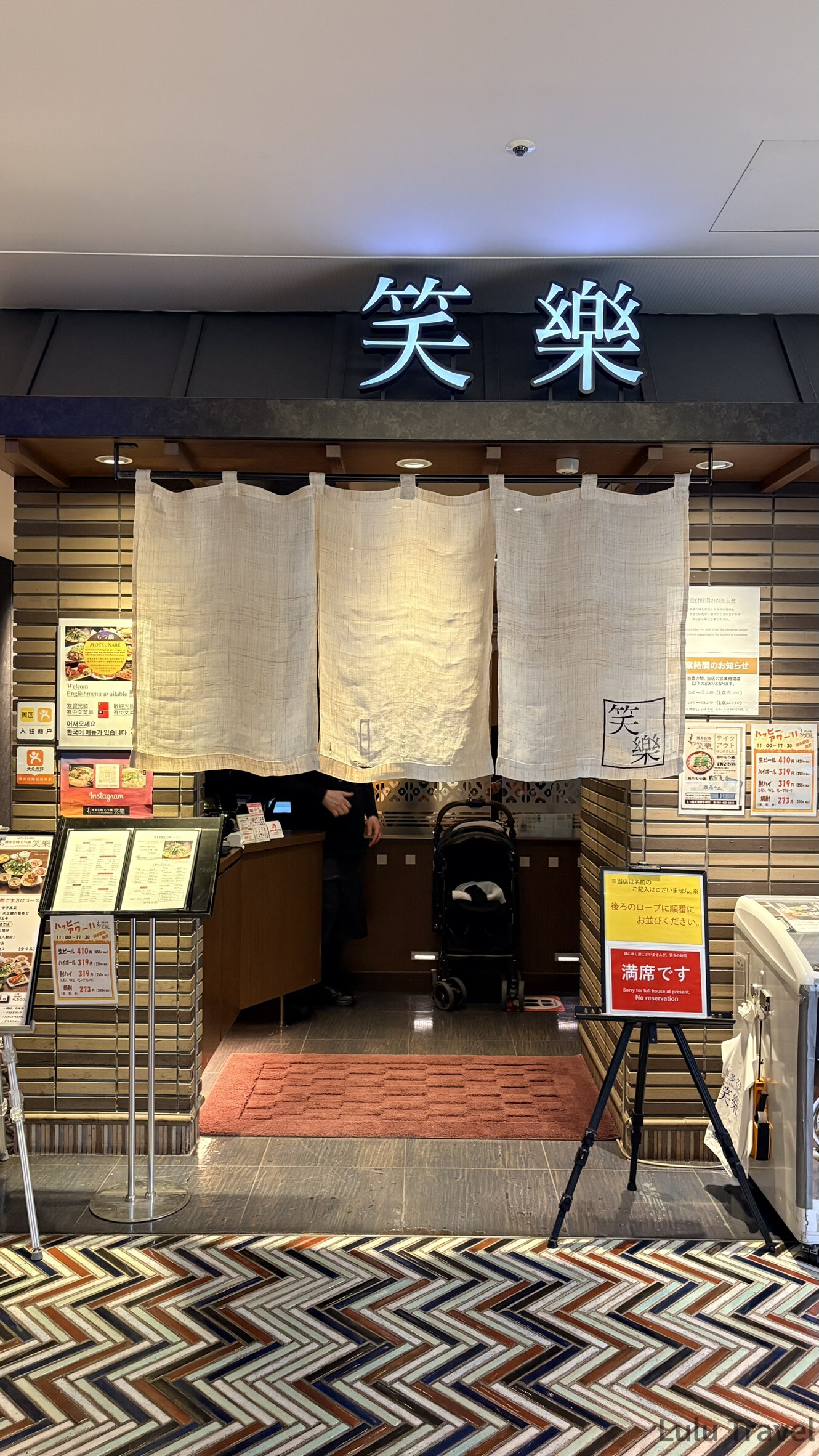
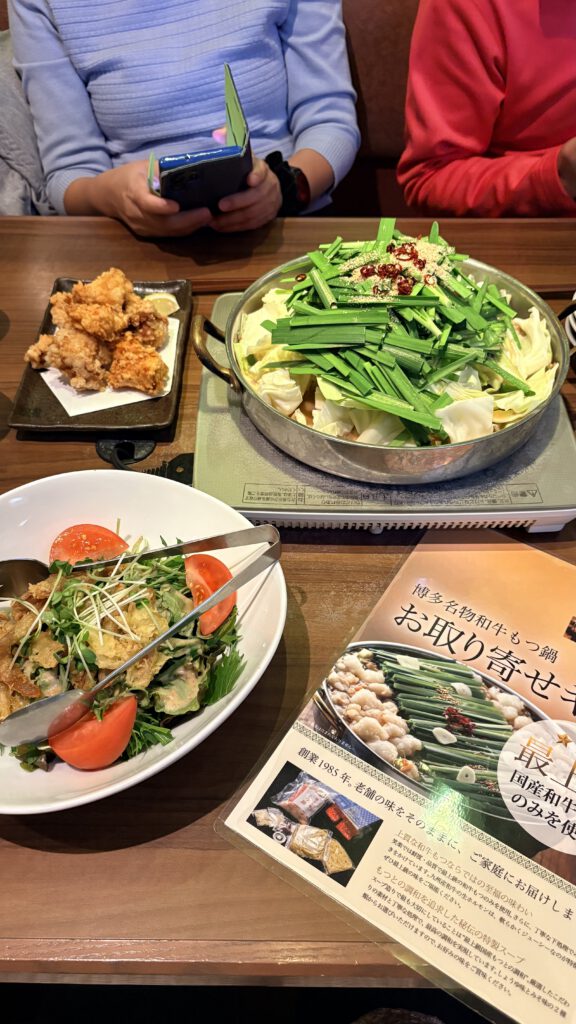
In the end we didn’t get off at Fukuoka Tower and went straight back to Hakata Station instead. Dinner was the guide’s recommendation, Shoraku motsunabe. We happened to miss the dinner rush and walked in to find seats free; it was only on the way out, full, that we saw the queue outside. As a first attempt at motsunabe, our verdict was unanimous: the broth was extremely oily and the offal was very tough to chew. None of us could get on board with it, and we all agreed the salad and the fried chicken suited us better.
05Day 3 — Central Hakata and the Souvenir Run
Early morning: clear the souvenir list while nobody’s queueing
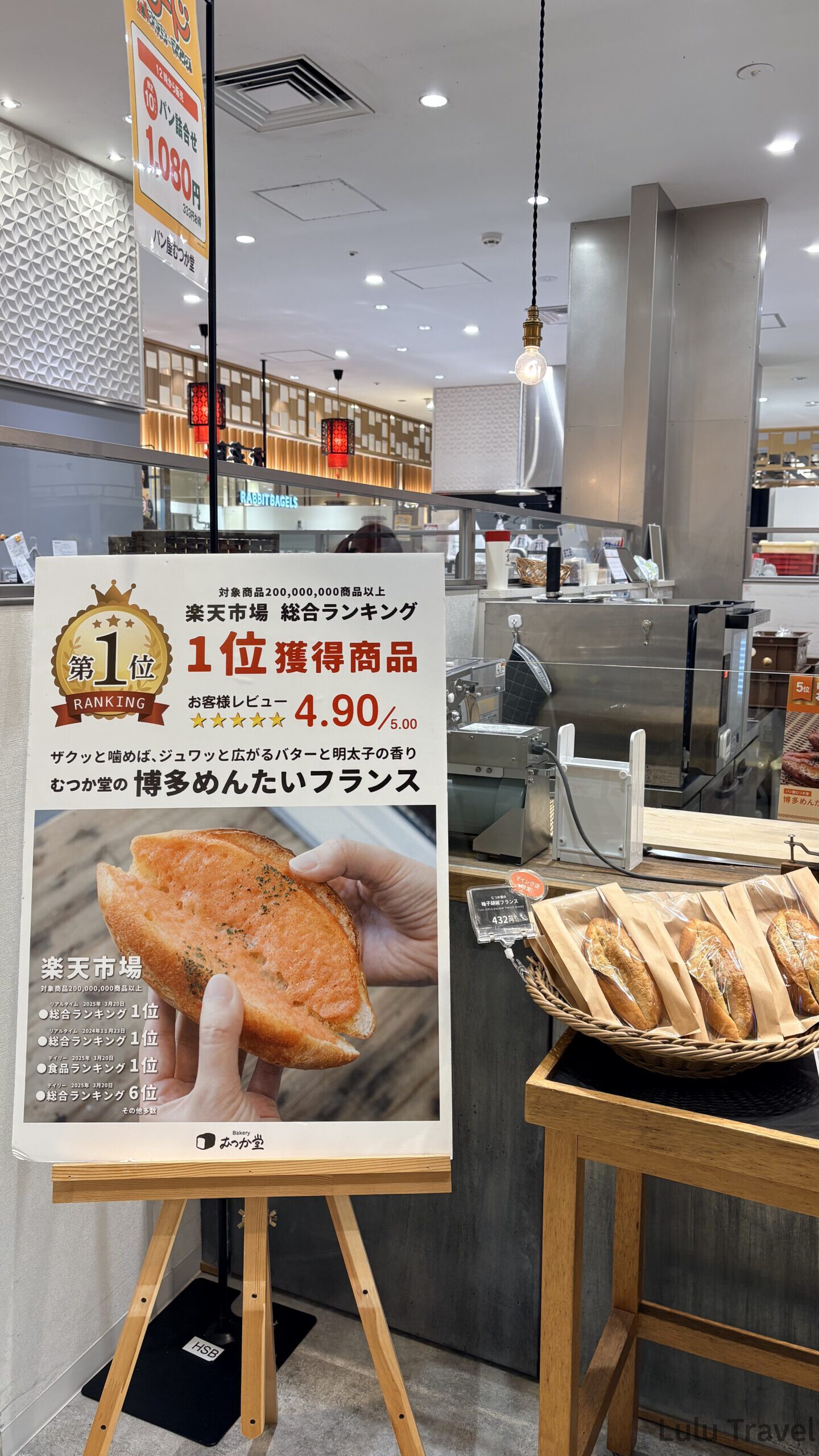
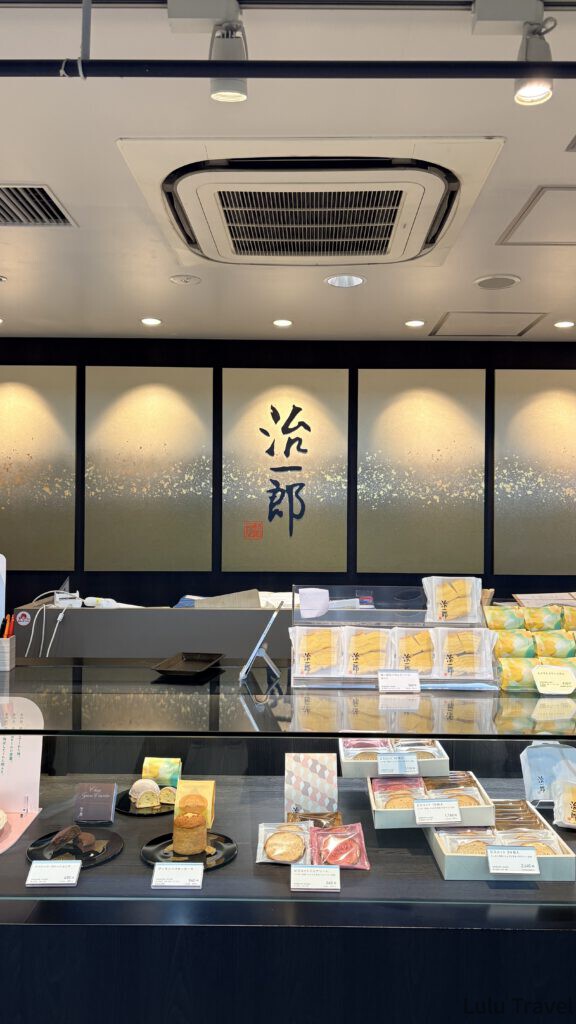
There happened to be barely any queues at Hakata Station that morning, so we worked straight through the list: PRESS BUTTER SAND, the mentaiko baguette from bakery mutsukado, and Jiichiro’s baumkuchen and pudding. The Jiichiro pudding was pleasantly dense, but not quite the revelation the internet promised; the baumkuchen was more ordinary still, and left no real impression.
Breakfast: the beef tongue plan falls through
With the beef tongue restaurant not serving its breakfast set over Golden Week, we switched to JR Farm’s Hakata Uchino Egg Shop, also inside the station, where there’s a short queue at breakfast time. As I recall you get a free extra egg and a rice refill, but raw egg over rice really doesn’t taste of much, and even adding half a portion of mentaiko didn’t make it click for me. We finished quickly and headed up to the rooftop garden.
Morning: the JR Hakata City rooftop garden
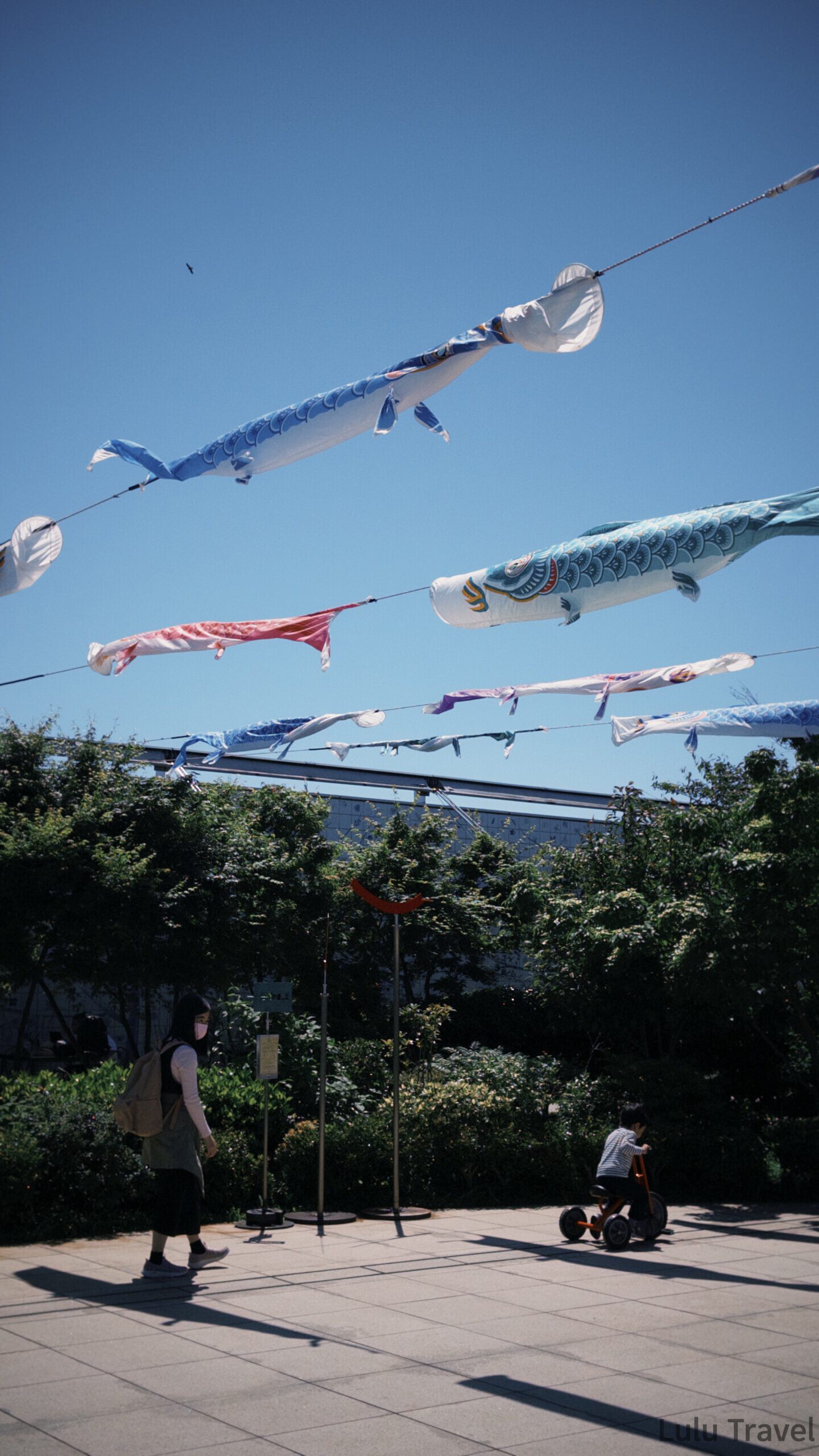
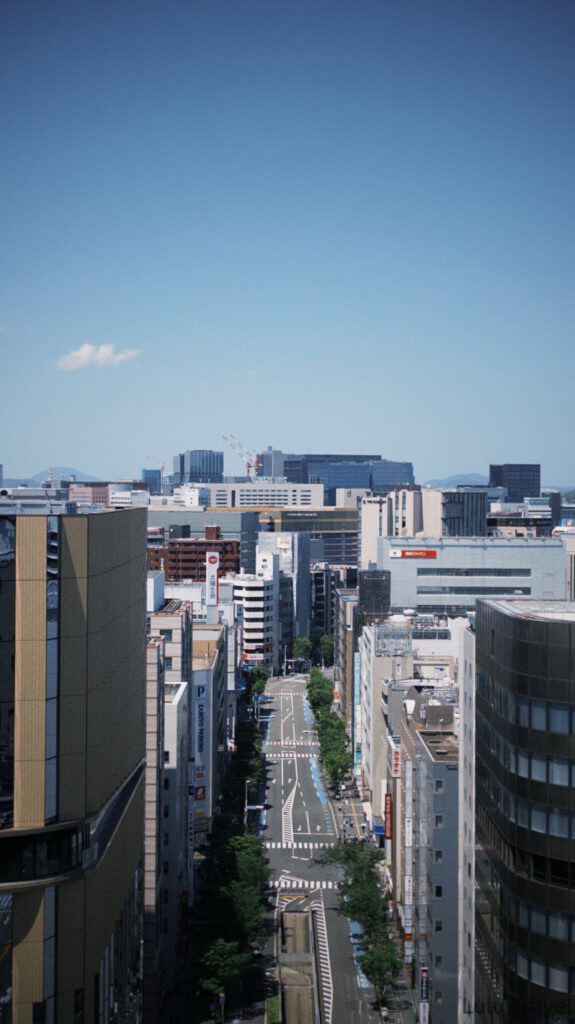
The rooftop garden on the top floor of Hakata Station gives you a 360-degree view over the city, Hakata Bay and the planes coming in, plus a small railway shrine to visit. To get there, take the lift or escalator on the Hakata-guchi side of AMU PLAZA up to the 10th floor, then follow the signs on foot to the RF rooftop level. Allow 20 to 30 minutes for a relaxed look around.
Lunch: Hamadaya
Before heading up to the rooftop garden we’d already reserved a table at Hamadaya on the 10th floor of AMU PLAZA. Compared with the previous night’s motsunabe, mizutaki suited us far better. You start with the clear, naturally sweet chicken broth on its own, then work through bone-in chicken and cartilage-studded chicken meatballs, add plenty of cabbage and other vegetables to draw out more sweetness, and finish by cooking zosui — rice porridge — in the concentrated broth. Between the range of ways the chicken is served and the tableside service, we came away thoroughly satisfied.
Afternoon: four stops within walking distance of the station
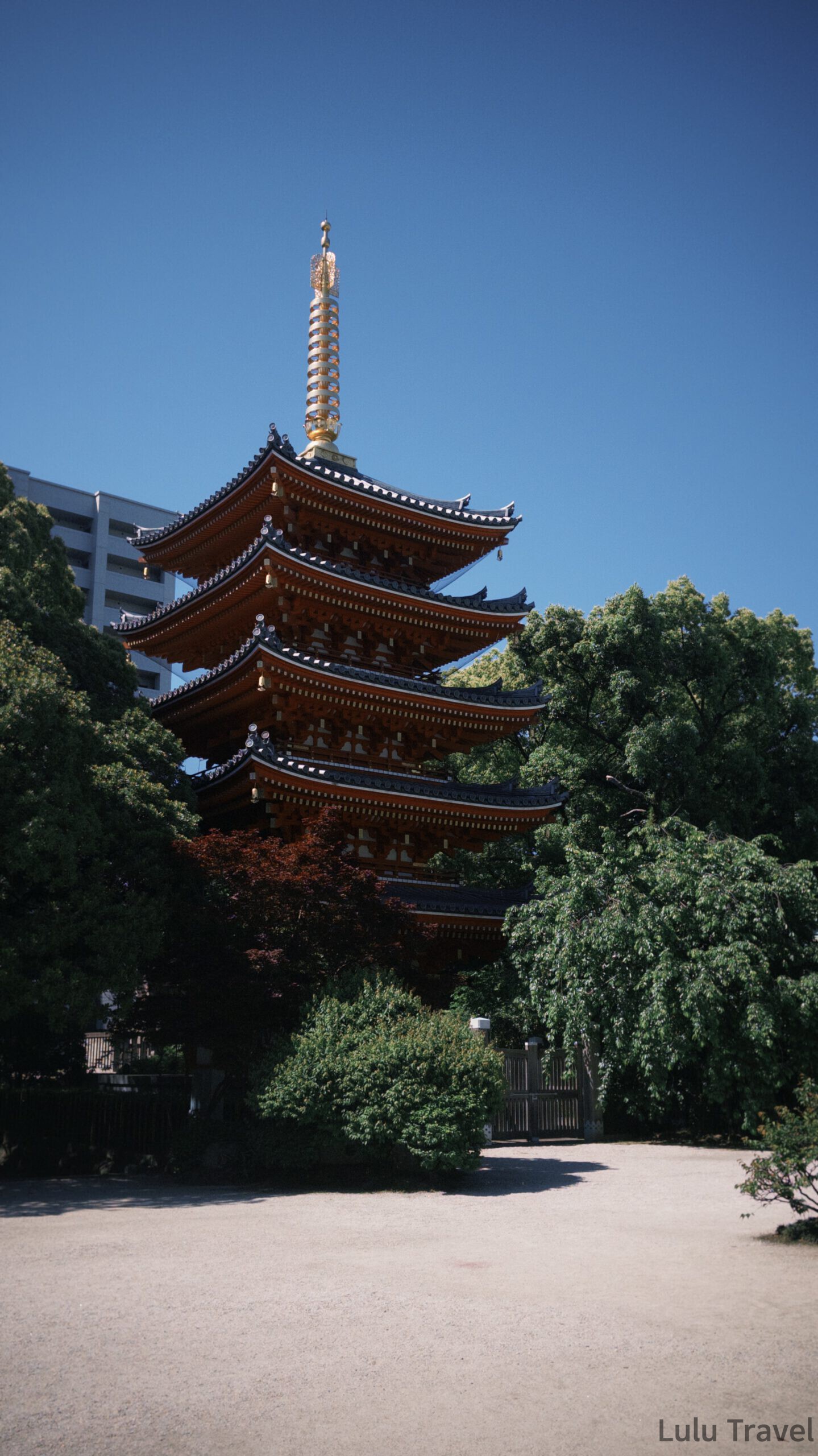
- Tochoji Temple: home to Kyushu’s largest wooden Buddha and a five-storey pagoda. The ground floor is free; seeing the Fukuoka Great Buddha on the second floor and doing the “hell and paradise” walkthrough costs ¥100. Allow 20 to 30 minutes.
- Machikichi Hakata main store: right next door to Tochoji. We went for the inari mochi after seeing it in a YouTube video, and ended up finding the matcha ice bar of my life. It’s tiny, but so good I forgot what I’d come in for.
- Kushida Shrine: what struck me is how many entrances it has and how much there is to do. Besides the display of the giant kazariyamakasa float, there’s a thousand-year-old ginkgo, the old Reisen Tsuru well, and a trial stone you can try lifting — which is great fun.
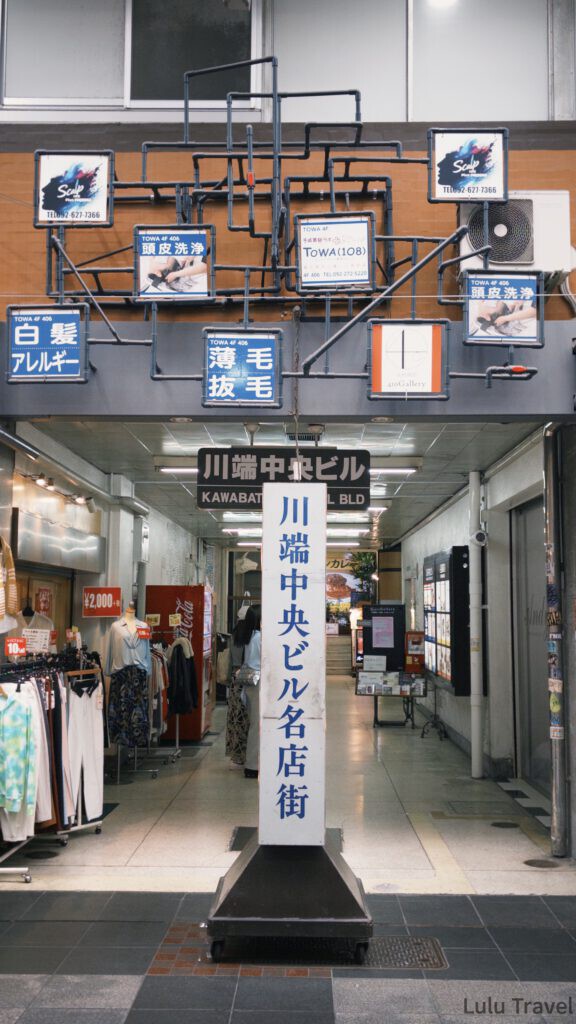
- Kawabata shopping arcade: the Anpanman character tiles set into the floor are adorable, and you can collect them as you walk.
Dinner: the second miss
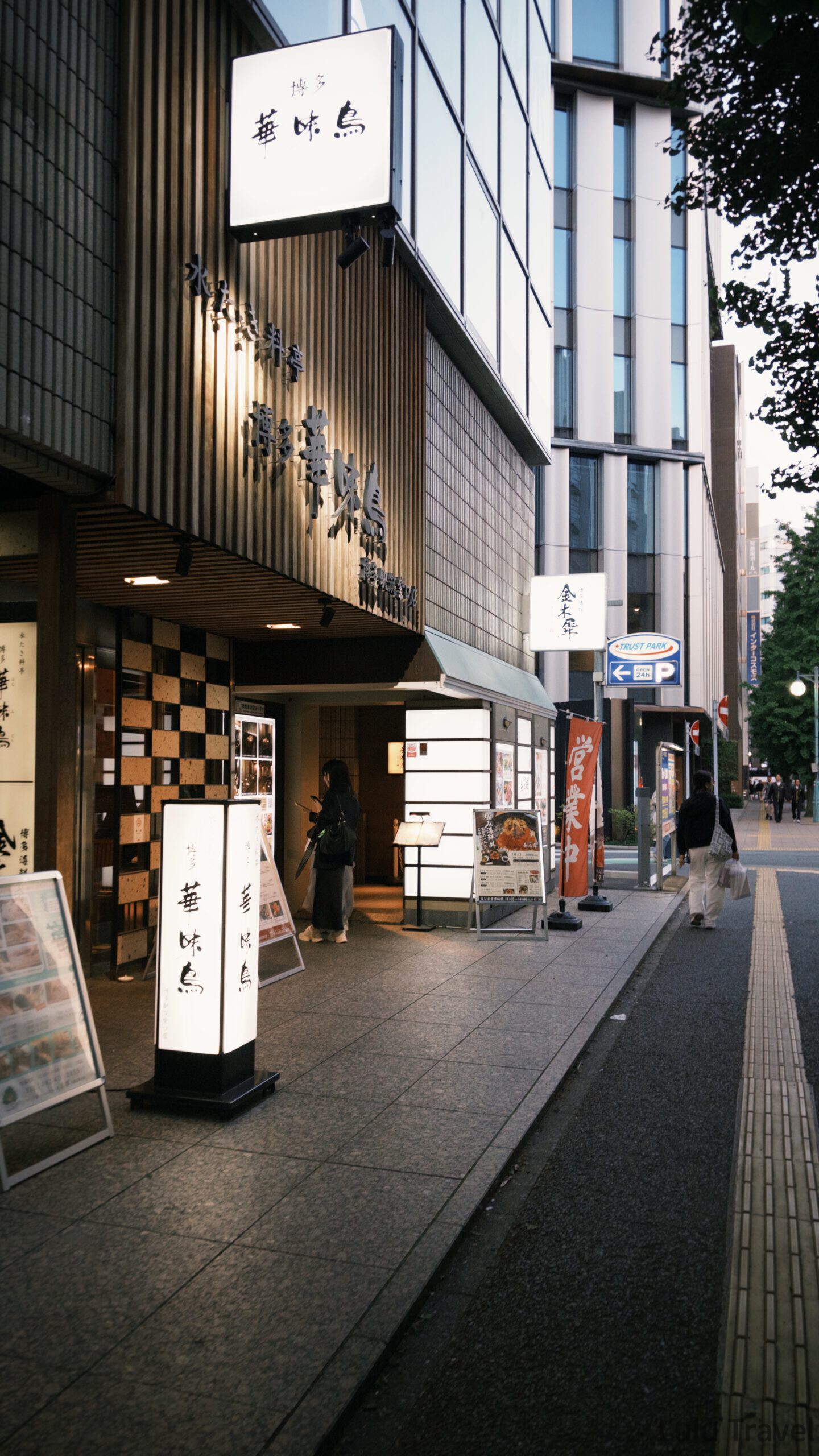
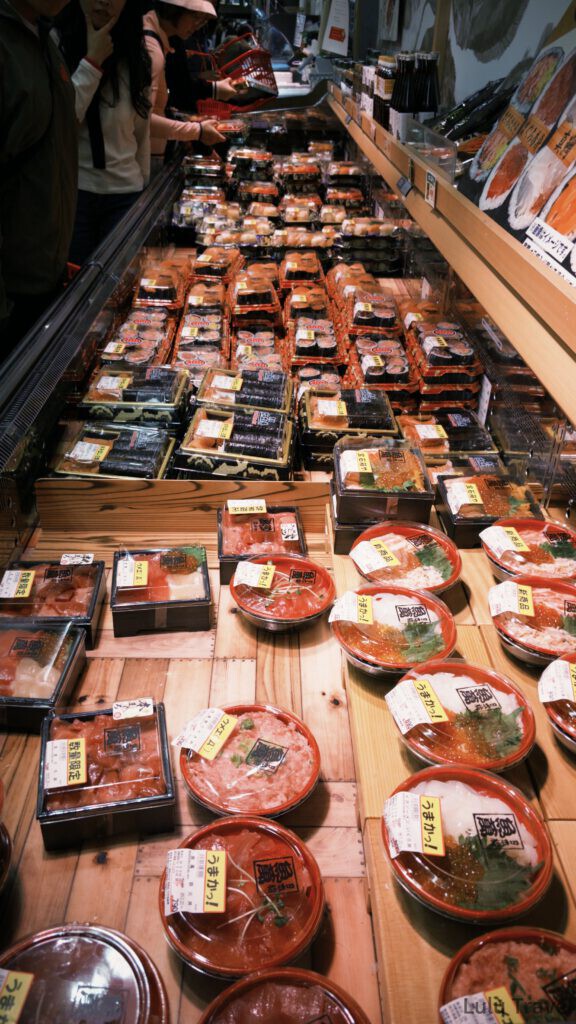
That evening we tried the guide’s seafood recommendation, Kinmokusei, and missed again. The guide had said the kaisendon was excellent, but the lunch set and the dinner menu may well differ: arriving at seven in the evening, we were told only two bowls were left, and when they came the portions were tiny and looked nothing like the photo the guide had shown us. Very poor value. We ended up buying sushi at Lopia later that night just to fill up.
06Day 4 — Yanagawa and Dazaifu: A Day Like a Scavenger Hunt
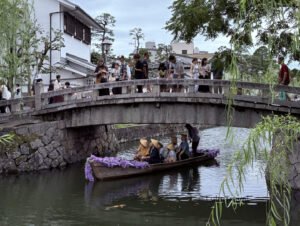
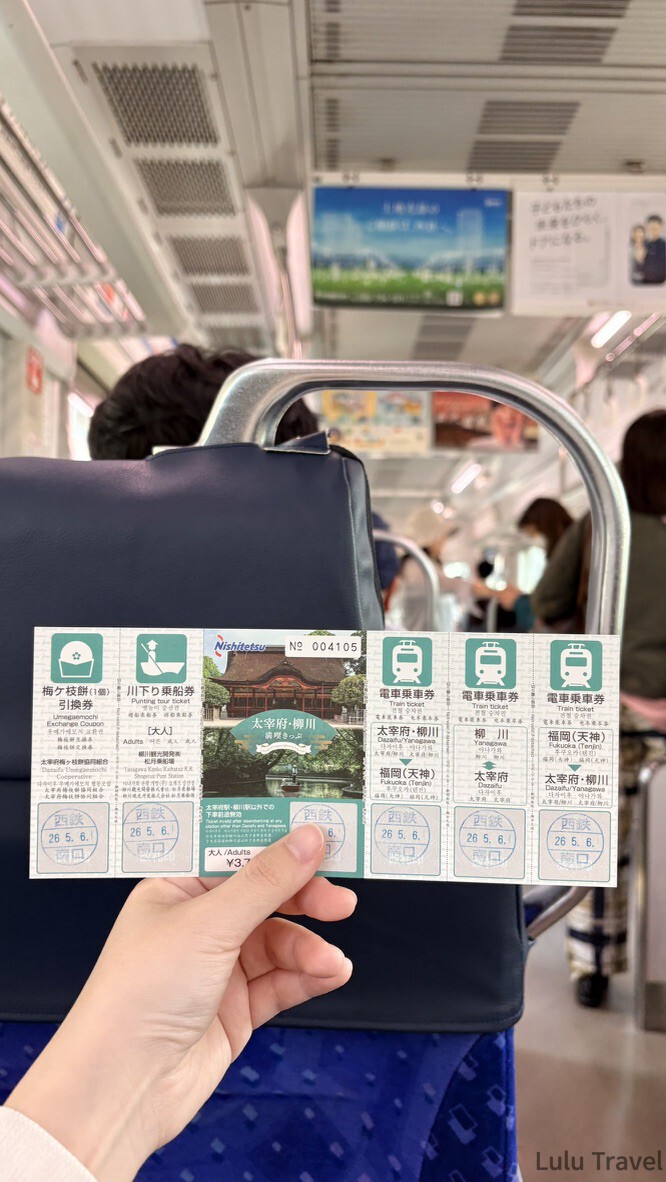
This day ran on the Nishitetsu Dazaifu & Yanagawa sightseeing pass, and the whole thing felt like a scavenger hunt. I’d bought the three-in-one bundle through a ticketing platform — train pass, river cruise ticket and umegae mochi voucher — which meant a stop at the station counter first thing to exchange it for the real tickets.
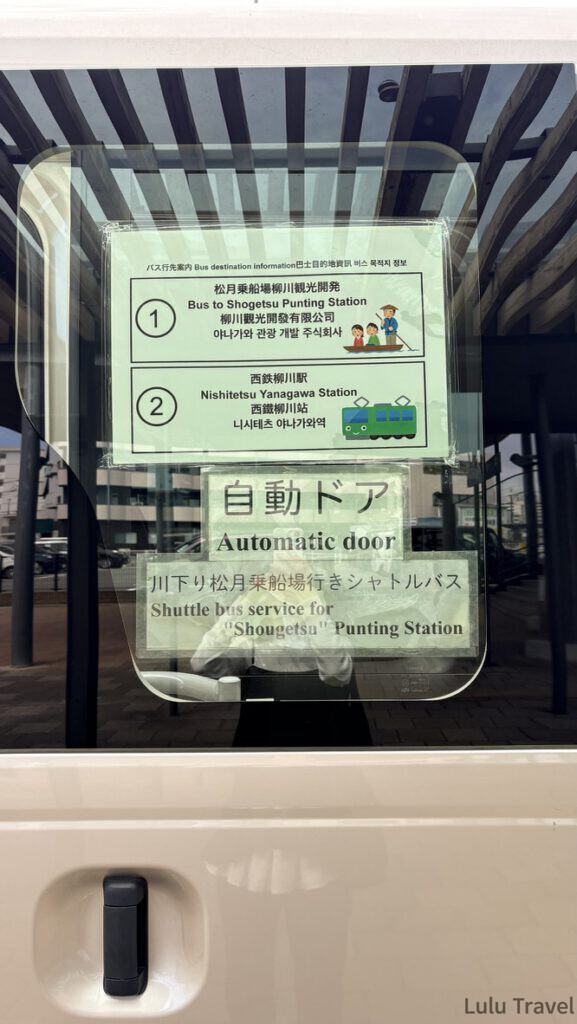
Yanagawa: after taking the train from Tenjin to Yanagawa, a scheduled free shuttle carries pass holders to the boarding point, almost seamlessly. The one shame is that the boatman only spoke Japanese, so the commentary went entirely over our heads — and drifting along a very quiet Yanagawa, I eventually just felt sleepy.
The Yanagawa cruise is one-way, and you don’t get off where you got on. If you want photos of the boarding point, take them before you board — there’s no going back.
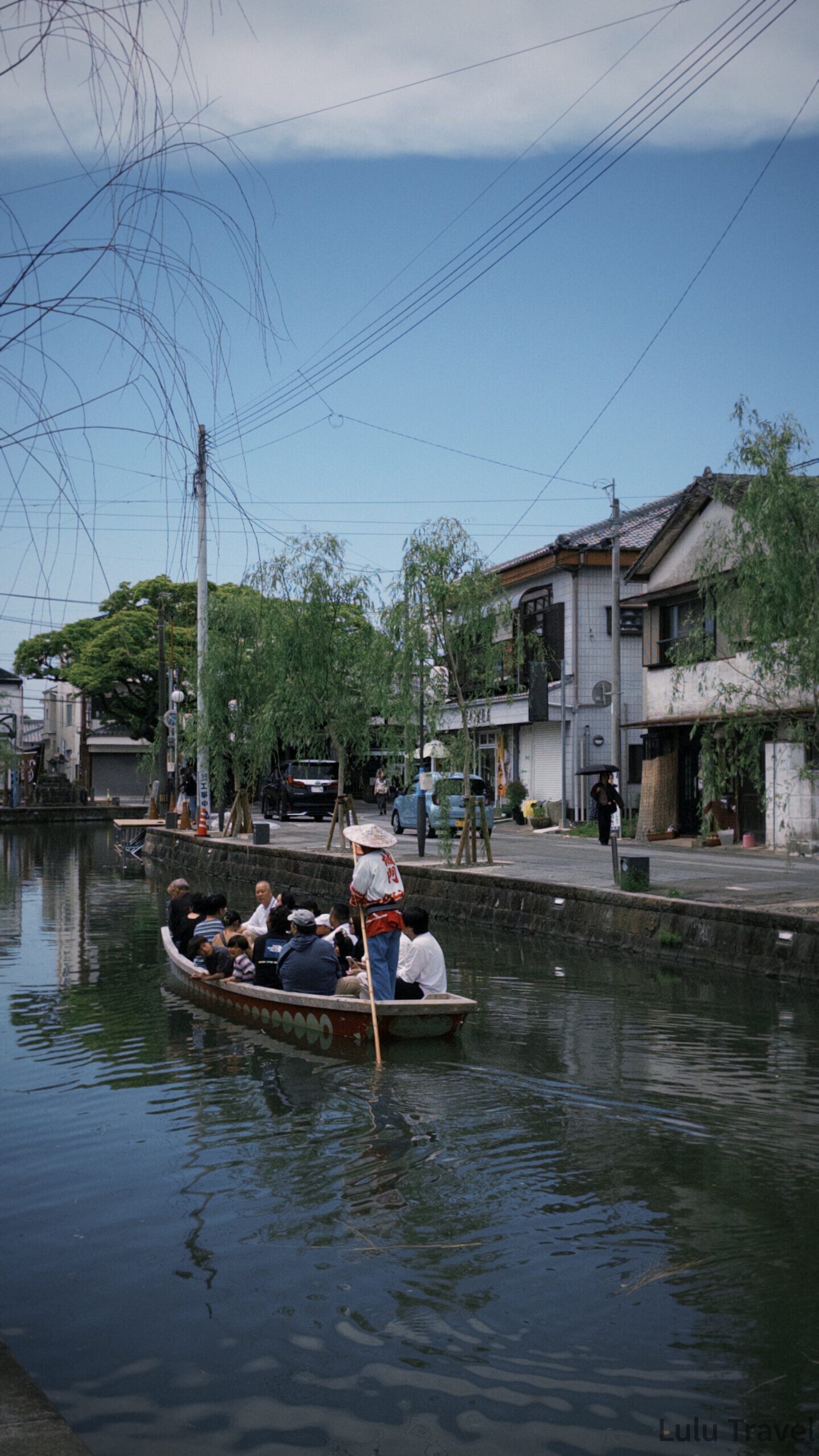
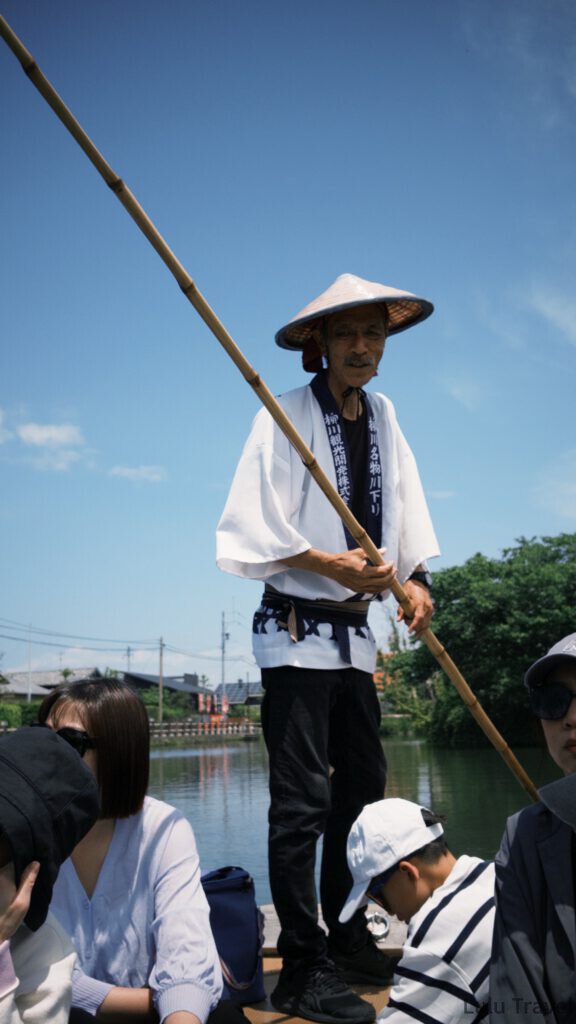
Lunch: we went straight from the boat to join a queue. Ganso Motoyoshiya, Okinohata branch had a shorter wait than the other famous option, Wakamatsuya, so we chose the former. All four of us ordered the same steamed eel rice, and all four of us agreed it leaned too salty — enough to make us miss a slightly sweeter eel sauce.
Motoyoshiya is the 300-year-old originator of steamed eel rice, with moist rice and eel layered twice through it; Wakamatsuya is a century-old shop with a stronger char aroma and springier eel skin.
Dazaifu: after eating and wandering Yanagawa a while, we took the free shuttle back to Yanagawa Station and changed at Futsukaichi for Dazaifu. The main hall of Tenmangu was under renovation at the time, so what we saw was the temporary hall designed by the architect Sou Fujimoto — though this kind of only-for-now travel accident is quite nice in its own way. It gives you a reason to come back.
The temporary hall was built around the idea of a floating forest, its roof planted with some 50 species. With the main hall’s restoration complete, the structure finished its job and was closed and dismantled in May 2026.
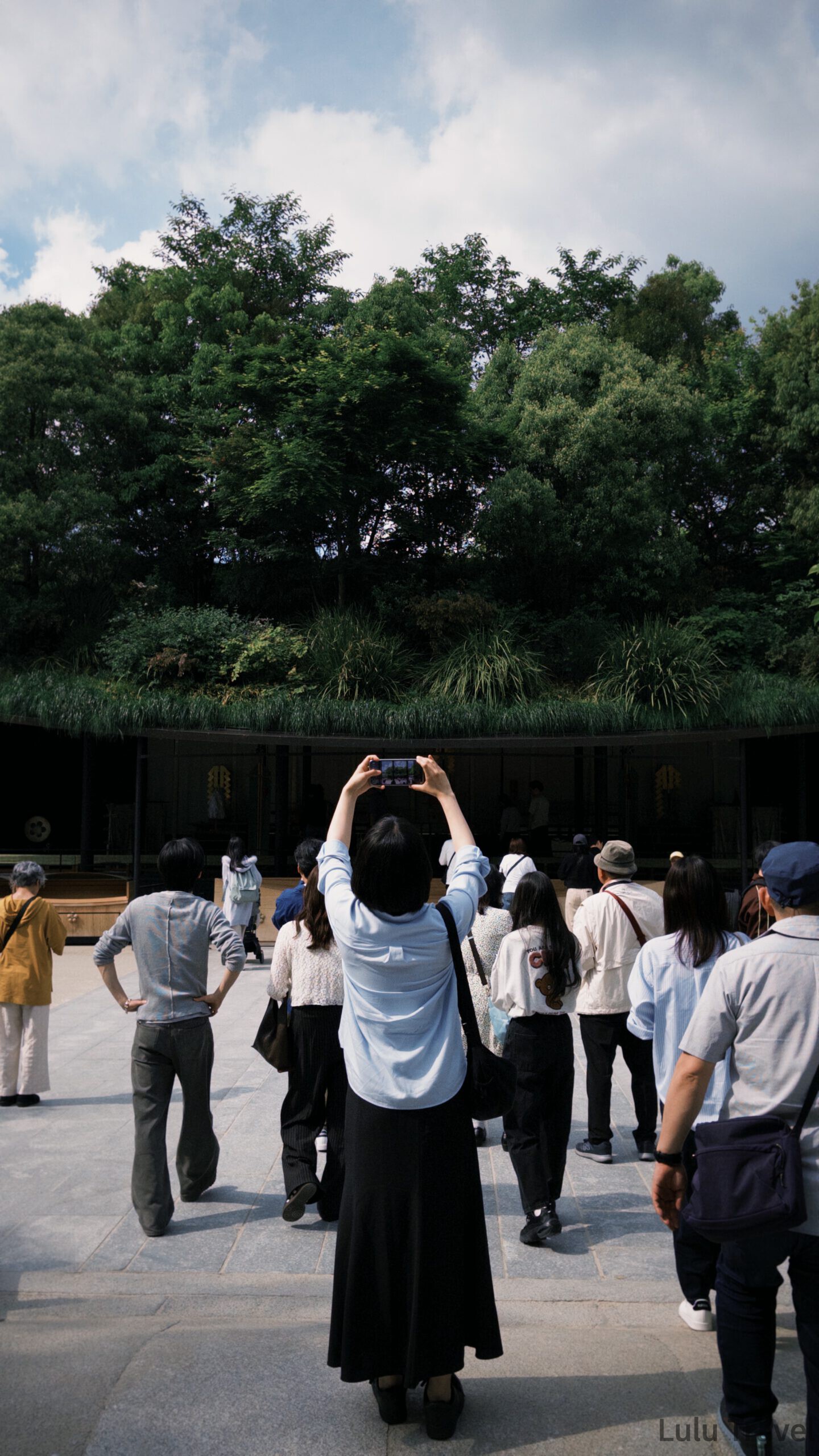
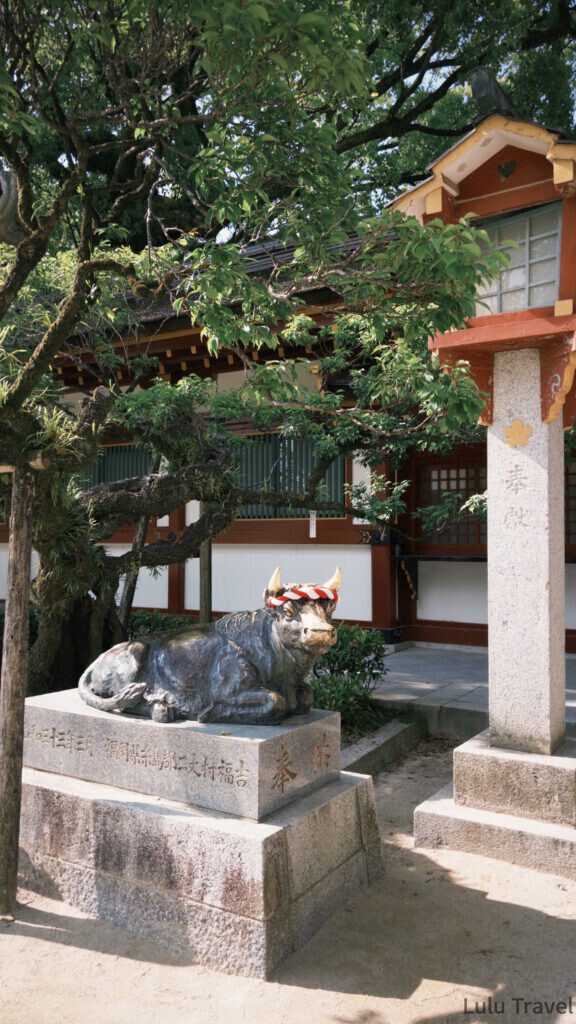
Tenjin: the pass returns you to Tenjin Station, which conveniently let us tick off the famous mentaiko baguette at Full full Tenjin — and luckily, arriving at half past five during Golden Week, we only queued five minutes. That said, having now tried mentaiko baguettes from two different bakeries, I don’t think I can say I like them. Even though part of why I’d wanted to come to Fukuoka in the first place was to taste the thing everyone raves about.
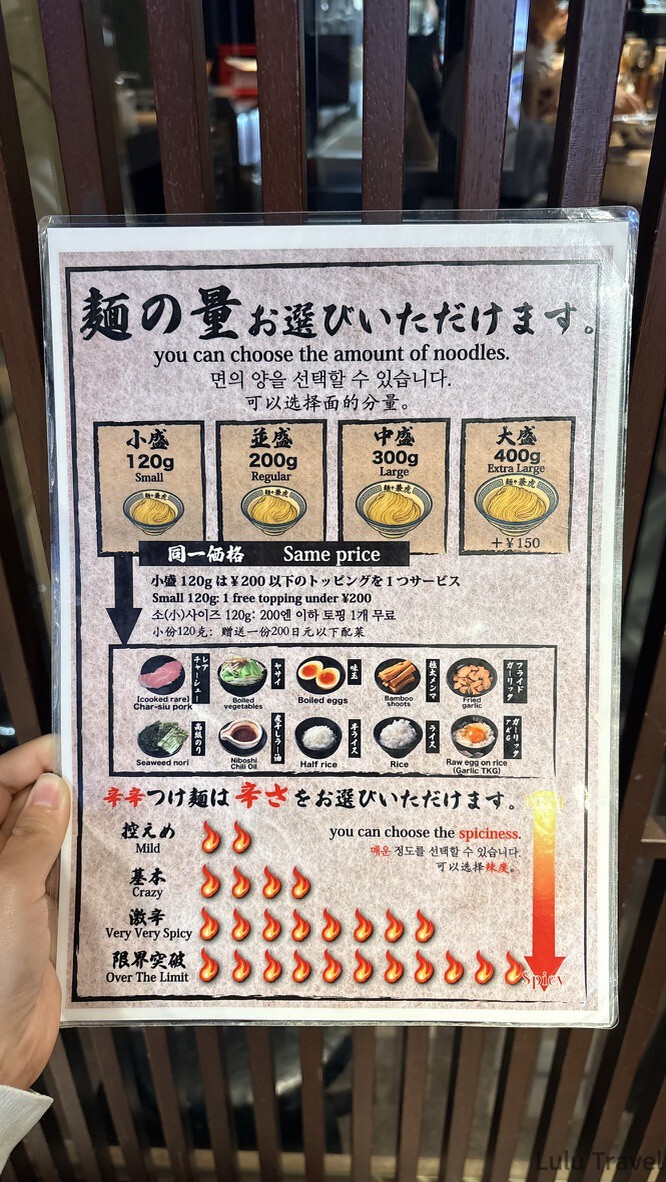
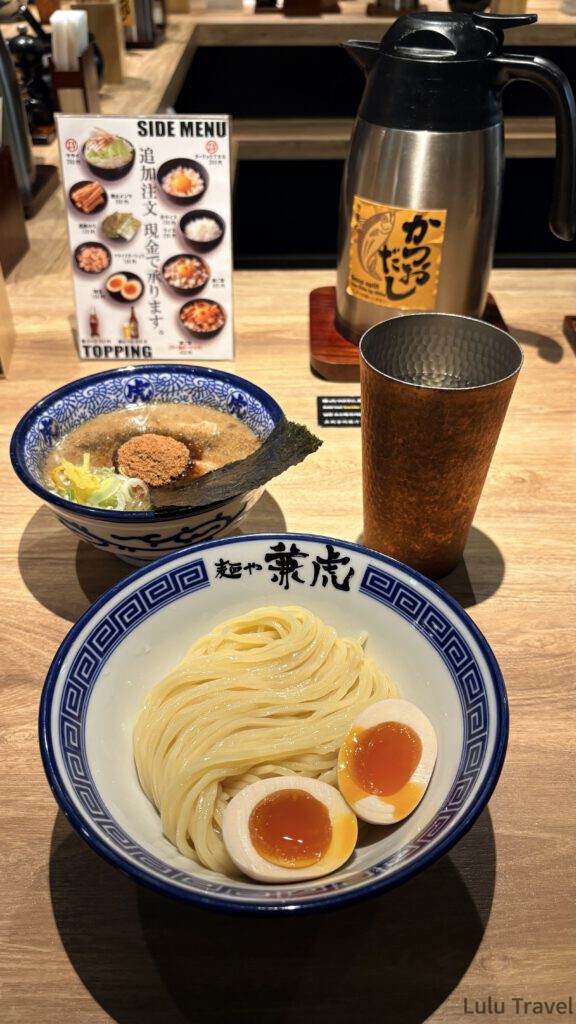
Dinner: back to what had become our safety net, the ramen street at Hakata Station. This time we made it in before closing at Menya Kanetora, one of the few places in Fukuoka to build a real following on tsukemen. Ever since I had the best dipping noodles of my life at Ramen Yushoken in Cebu, I haven’t been able to stop thinking about the dish, so Kanetora was non-negotiable on this trip.
What’s thoughtful about it is that you choose your noodle portion and spice level — a real blessing for someone who’s already eaten a mentaiko baguette and isn’t especially hungry but very much wants to eat. The flavour was different from Cebu’s, but it was excellent, and one of the few meals on this trip that didn’t disappoint.
07Day 5 — The Last Meal and the Last Stop in Hakata
The main event of this day was the Yufuin no Mori in the afternoon, so we left the morning unplanned — reserved for a proper hotel breakfast and a final round of shopping.
The buffet breakfast at Forza Hakata Chikushi-guchi is beautifully done and generous, covering not just Fukuoka but food from across Kyushu. It genuinely ranks among the best meals of this whole Fukuoka trip — which, in a post that has catalogued this many disappointments, might sound like a contradiction, but there it is.
After eating we headed to GU for a last bit of shopping, picking up a Tully’s Coffee on the way after seeing it recommended on Threads — also, as it turned out, unremarkable. In the afternoon we boarded the Yufuin no Mori on schedule, and that’s where the Fukuoka city portion ends. Two Days in Yufuin is written up separately.
08What This Fukuoka Trip Cost
Below is the per-person breakdown for the return flights, accommodation, the Itoshima day tour and the Nishitetsu pass across these five days in Hakata over Golden Week.
| Tigerair return flight, Kaohsiung–Fukuoka | 8,400 |
| Hakata accommodation (4 nights, twin share) | 9,706 |
| Itoshima day tour (KKday) | 1,330 |
| Dazaifu & Yanagawa sightseeing pass | 708 |
| Yufuin no Mori reserved seat | 1,272 |
| Yufuin accommodation (1 night, four sharing) | 1,150 |
| Total | 22,566 |
I had a room to myself for the first two nights, so what I actually paid for accommodation was higher than the figure above. Twin share is used here so the number is easier for most people to compare against.
ENDWhat Actually Worked
Looking back on these five days, the surprise wasn’t whether the itinerary flowed well — it was that the food simply wasn’t as good as I’d expected.
The misses: the guide’s recommendations, Shoraku motsunabe and Kinmokusei (nought for two), the mentaiko baguette (two bakeries before I accepted I don’t like it), the raw egg over rice at Hakata Uchino Egg Shop, the eel rice at Ganso Motoyoshiya in Yanagawa, Tully’s, and more besides.
The hits: ShinShin and Menya Kanetora on the Hakata Station ramen street, Hamadaya, that tiny matcha ice bar we stumbled into at Machikichi, and the hotel breakfast.
Over the past few years I’ve watched so many people go to Fukuoka that my expectations of the city were pulled steadily upward. Actually going, even briefly, proved one thing: what those people online like isn’t necessarily what you’ll like.
FAQQuestions People Have Asked Me About Fukuoka in Golden Week
Booking only a month before Golden Week — is that actually enough time?
It is, but you have to accept two things: the price, and the range of choices. You may not all be able to stay in the same room, for instance — our first two nights and last two had to be split across different room types just to keep all four of us in the same hotel. What you genuinely can’t book isn’t the accommodation, it’s the popular sightseeing train slots. Those either need booking months ahead, or moving entirely to after the holiday, as we did.
Does a small Itoshima tour group feel very different from a large one?
Very. There were only three of us that day, so the driver could discuss reordering the stops with us directly, and we swapped two pairs of sites to dodge the queueing peak. A big group can’t do that. So if you spot a departure date with very few bookings, that’s actually good news. Worth noting, though: however well you reorder things, places like the forest café and Ichiran no Mori are already overwhelmed by local visitors, and there’s no dodging that.
How should I choose a room type at Forza Hakata Chikushi-guchi?
We managed to stay in three of them on this trip: the Forza twin, the Healing twin, and an accessible twin we were assigned after booking a mystery room. The conclusion is don’t pick the Healing twin just for the massage chair — adding that chair makes the room noticeably cramped. The other two were both far more spacious than the Japanese business hotels I’ve stayed in. If you want to save money and don’t mind the gamble, the mystery room is worth a punt: the accessible twin we ended up with was the roomiest of the three.
What’s included in the Dazaifu & Yanagawa pass, and is it worth buying?
The version I bought is three-in-one: the Nishitetsu train pass, the Yanagawa river cruise ticket, and an umegae mochi voucher for the Dazaifu approach — four passes for 2,831. It’s worth it not just on ticket price but because the logistics come bundled: scheduled free shuttles run from Yanagawa Station to the boarding point and from the disembarkation point back to the station, and you just show the pass to board. Almost seamless. Note that what you buy online is a voucher — you need to exchange it for the real tickets at the station counter first thing.
If motsunabe isn’t for you, what other hotpot is there in Hakata?
Mizutaki. Our first night’s motsunabe was extremely oily and the offal very tough; none of us could get on with it. The mizutaki we had the next day at Hamadaya on the 10th floor of AMU PLAZA turned out to be the most satisfying meal of the trip. You start with the clear, naturally sweet chicken broth, then bone-in chicken and cartilage-studded meatballs, then vegetables to draw out the sweetness, and finish by cooking zosui in the broth. Both are Hakata specialities, but if you’re unsure whether offal is for you, mizutaki is a much lower-risk bet.