01How to Turn a Short Trip into a True Recharge
For us “corporate warriors,” the hardest part of travelling isn’t deciding where to go — it’s figuring out how to actually rest without taking too much time off. From the start, I didn’t plan to hit every spot on this Chiang Mai trip. The goal was simple: sleep enough, avoid the burnout of a hectic schedule, and come back without added stress. Arriving Saturday night and leaving early Wednesday, this itinerary is for anyone who wants to manage their time and energy for a proper getaway.
If you can’t take any leave at all, see: 10+ Must-Eat Stalls in Macau: A No-Backtrack Food Route for 2 Days 1 Night
02Why I Chose to Arrive Late and Leave Early
The flight was Saturday at 18:55 from Taoyuan, a direct service to Chiang Mai (there’s currently no direct flight from Kaohsiung). Even after a late Friday at the office, you can sleep in on Saturday morning and still make the evening departure. If you want to freshen up before boarding, see Free Showers at Taoyuan Airport — No Flight Ticket Required.
Because of the time difference, you land in Chiang Mai around 10pm — but the airport is close to the city, so a taxi to the hotel, a shower and bed rarely runs past midnight.
Day one has exactly one job: don’t wear yourself out. If your energy is gone on day one, every day after pays the interest.
DAY 1One Task Only — Decompress
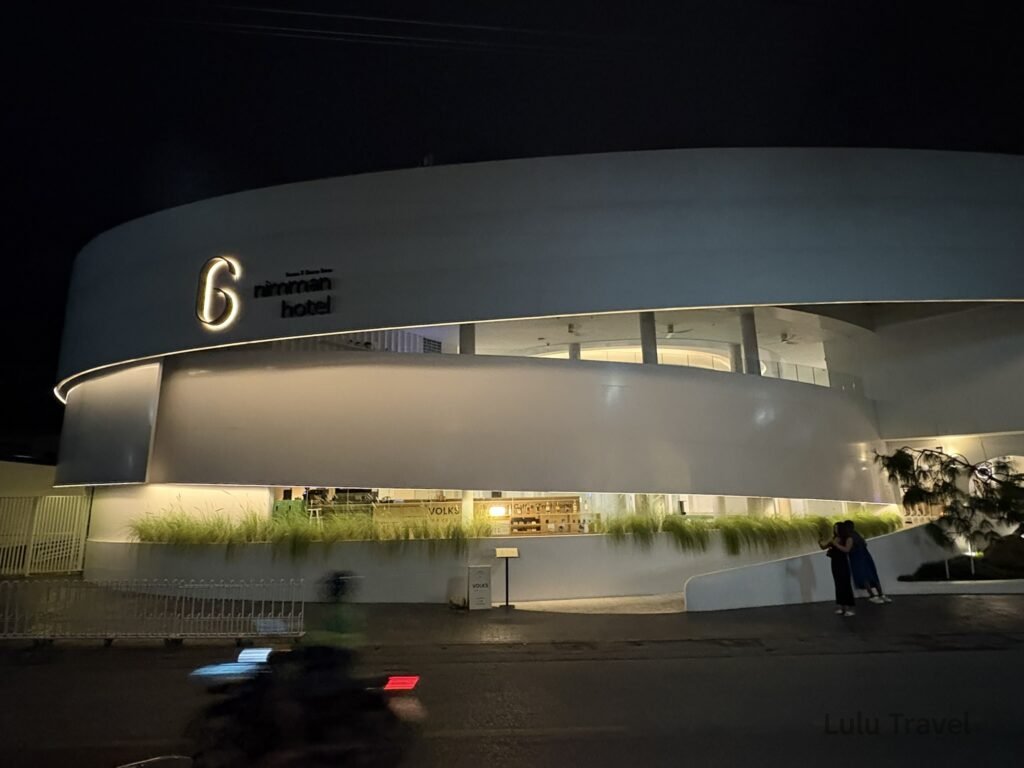
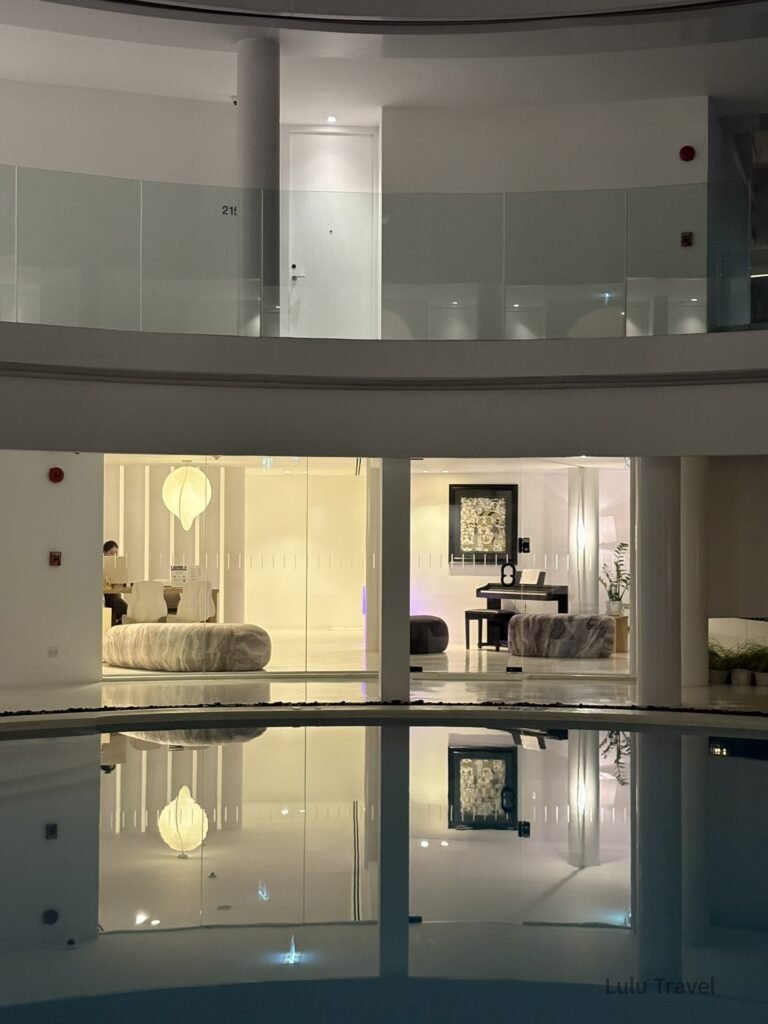
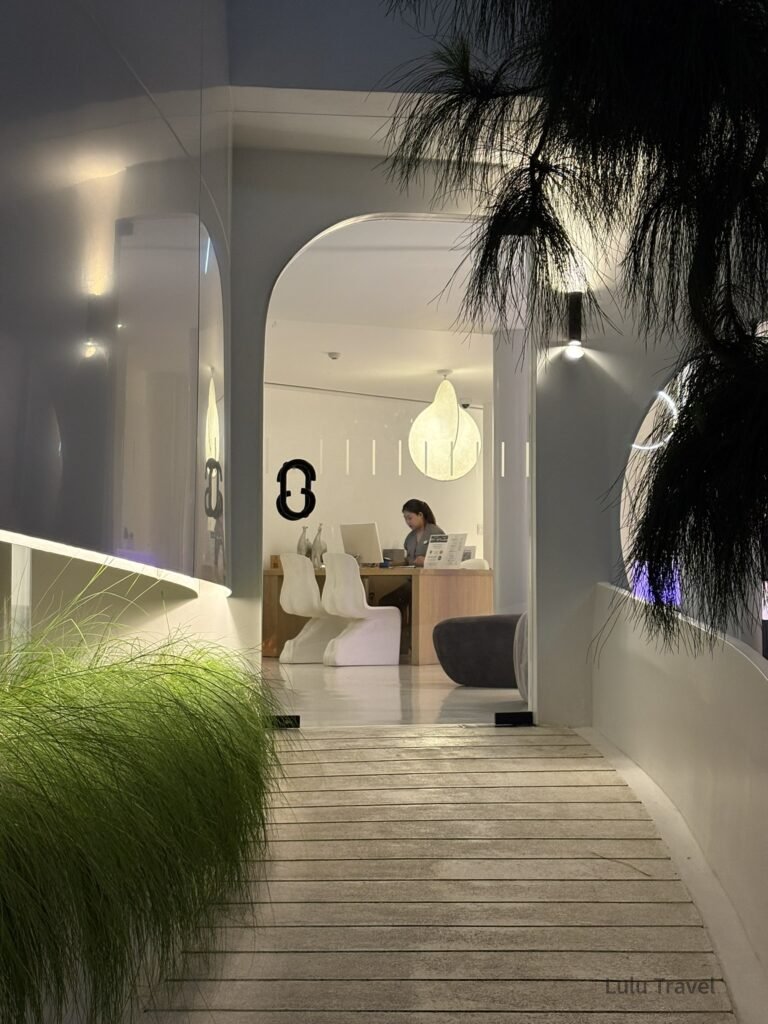
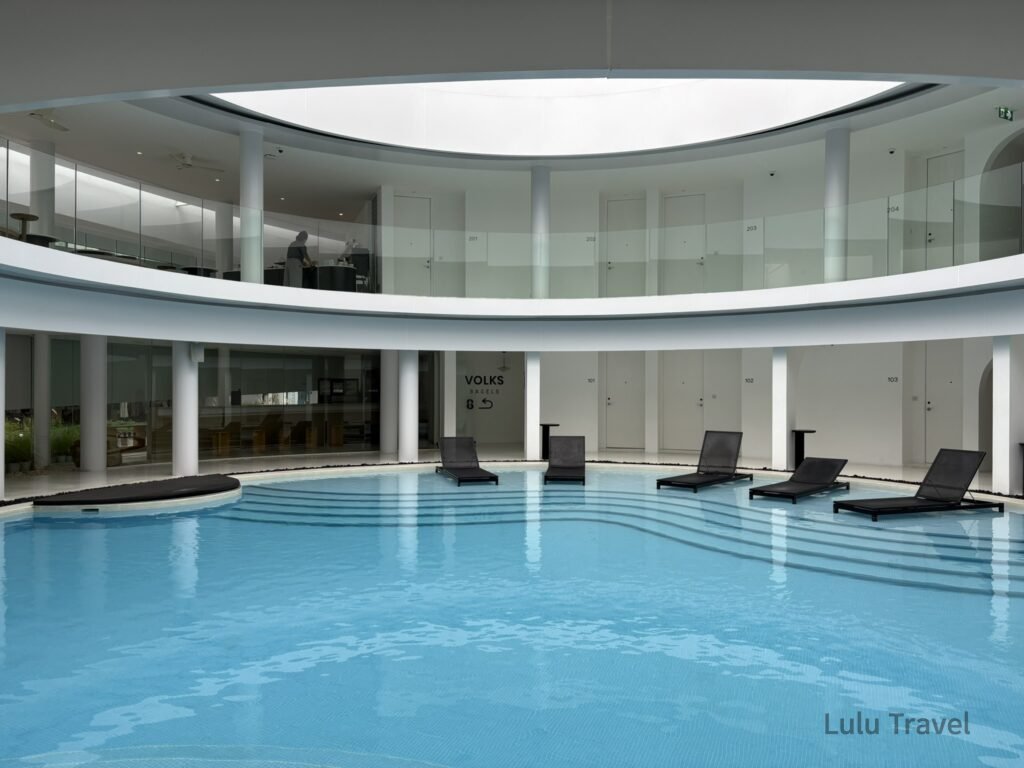
Evening flight, check in, no itinerary, no late-night eating quest. This day exists to slow the pace and pull you out of a tense work mode, not to accomplish anything. We deliberately picked a very resort-style, all-white hotel and stayed there the whole trip, saving the time and mental drain of moving hotels and hauling luggage around.
If, like me, you don’t want to be fleeced by airport taxi touts, sort out an airport transfer or a SIM to call Grab in advance — it makes the first night much calmer. A tip: bind your credit card to Grab before you leave Taiwan, so you’re not scrambling at a terrible-rate exchange booth just to pay the first driver in cash, like we were.
DAY 2Focusing on the Must-Visit Markets
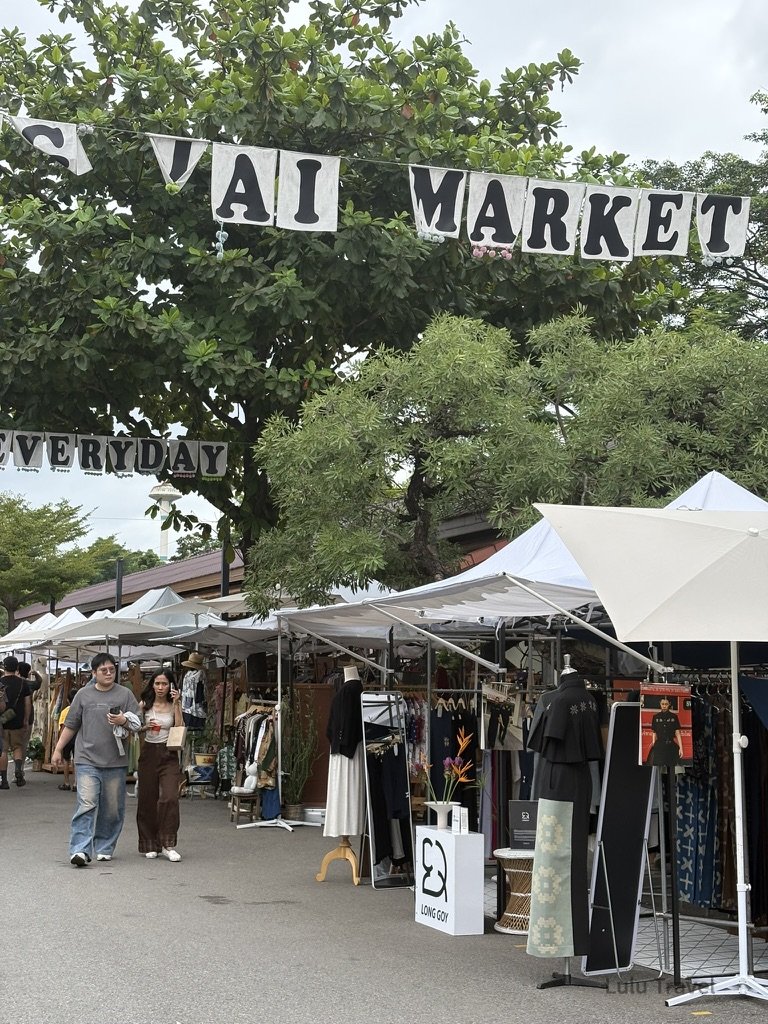
Most markets in Chiang Mai are concentrated on the weekend — miss them and you wait another week — so I set day two aside entirely for market-hopping. The markets I actually visited:
- Jing Jai Market: The largest weekend creative market in Chiang Mai — handmade crafts, organic produce and live music. Weekend-only, so go early.
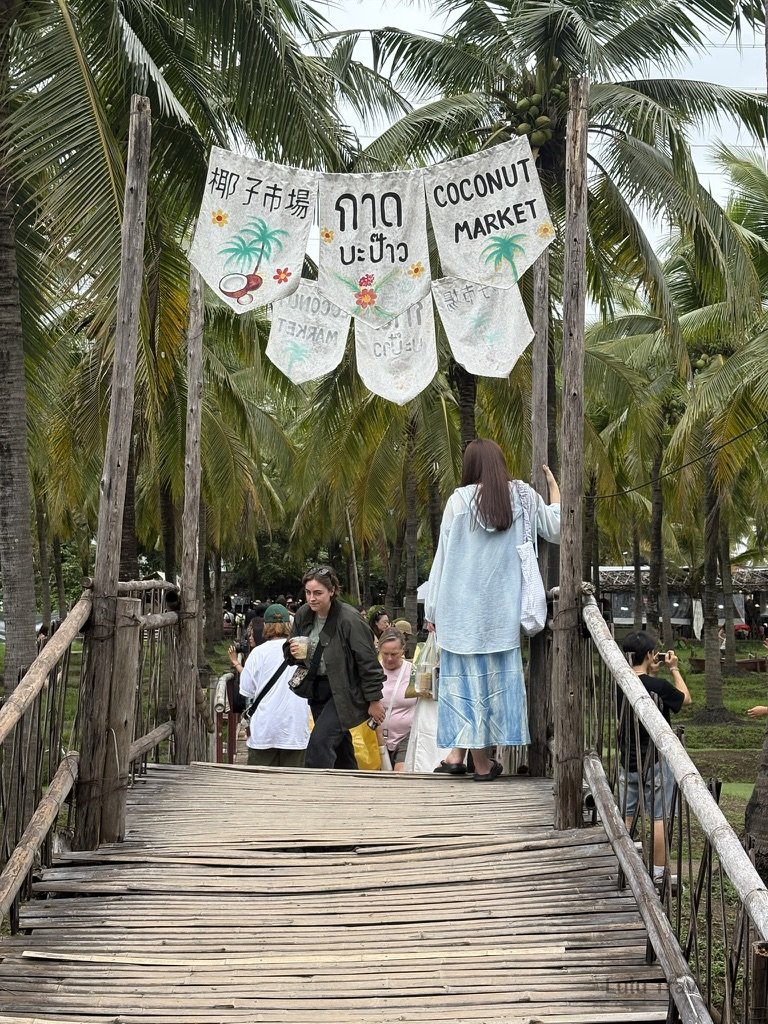
- Coconut Market: Set inside a coconut grove, with bamboo bridges, waterways and towering palms as its signature backdrop. The food is more of a draw than the shopping — a great spot to photograph and grab brunch.
- Sunday Walking Street: A walking night market stretching about a kilometre from Tha Phae Gate — handicrafts, local street food and street performances, the liveliest weekend night market in the city.
Chiang Mai’s pace naturally slows you down; at the markets, just stroll and look — no need to rush.
DAY 3The Café Is the Itinerary
Monday in Chiang Mai is noticeably quieter and perfect for cafés and slow walks. Its coffee shops aren’t just about good coffee — the spaces themselves make you want to sit down and stay. Non-coffee drinkers needn’t worry: most places have caffeine-free options, and just sitting a while is part of the plan. The cafés we actually visited:
- PLUTO: A concrete café shaped like a UFO. It’s a bit outside the centre; I came for the unusual space and unexpectedly found the surrounding shops good and cheap.
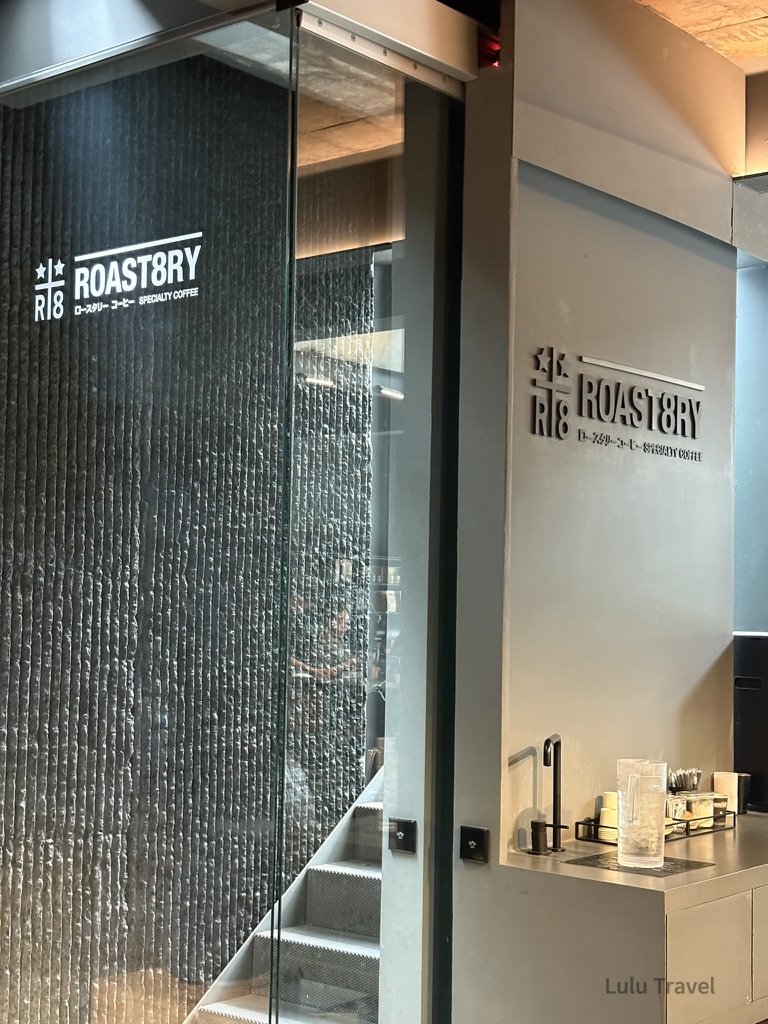
- Roast8ry: Opened by World Latte Art Champion Arnon, famous for its intricate latte art — one of the best-known specialty cafés in Chiang Mai’s Nimman district, and the branch we visited was right across from our hotel.
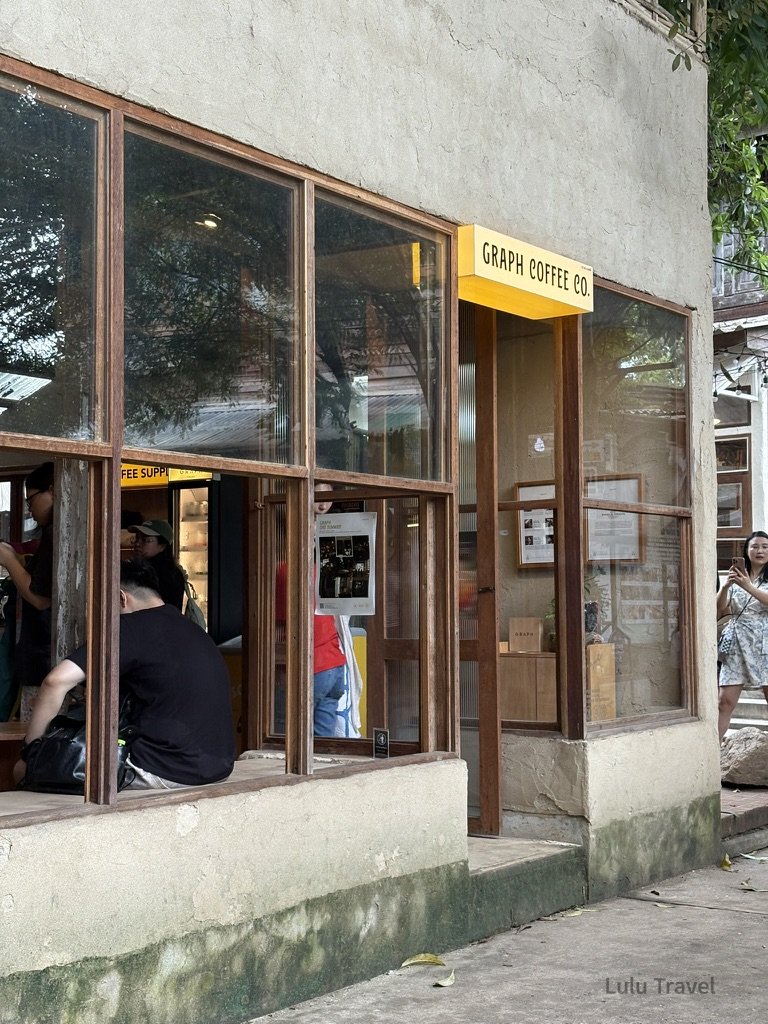
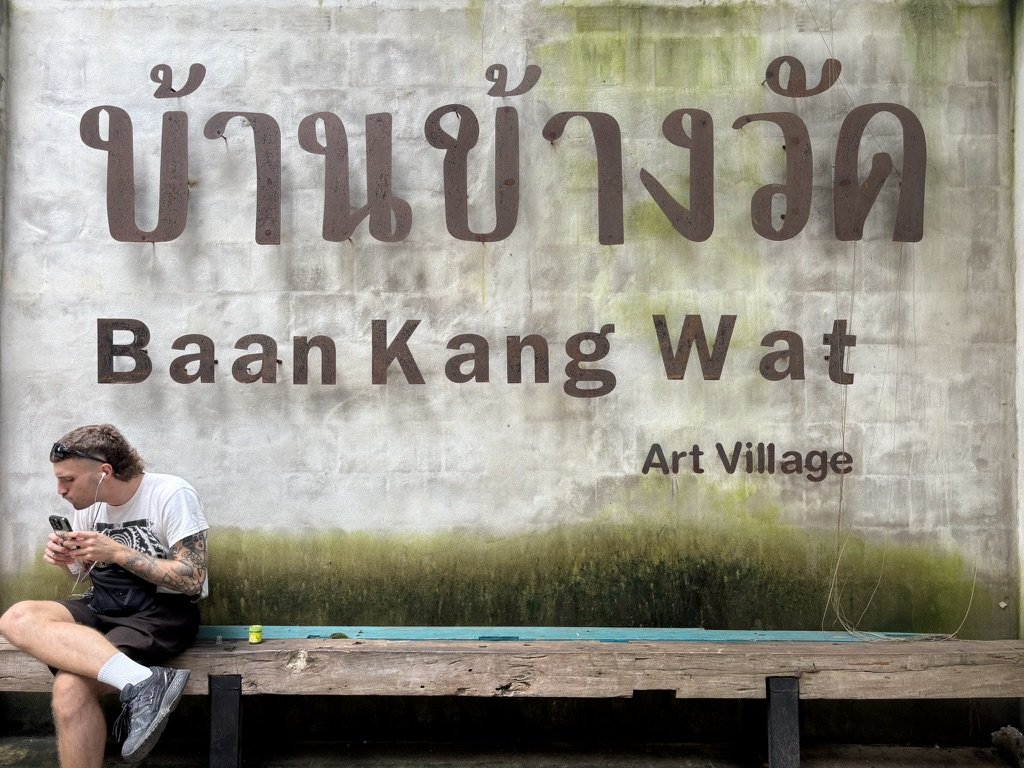
- Graph: A staple of Chiang Mai’s café scene, with a different interior at every branch. Cold brew is the signature, but the caffeine-free drinks are good too; the Baan Kang Wat branch we visited is perfect for sitting and daydreaming.
DAY 4Make Eating the Main Event
This day had one theme: Northern Thai food, no cross-district rushing — just eating slowly across a few nearby spots. Northern Thai food is almost all spicy, so if you don’t eat chilli, ask when ordering or you’ll suffer. The three Northern-Thai restaurants we ate at:
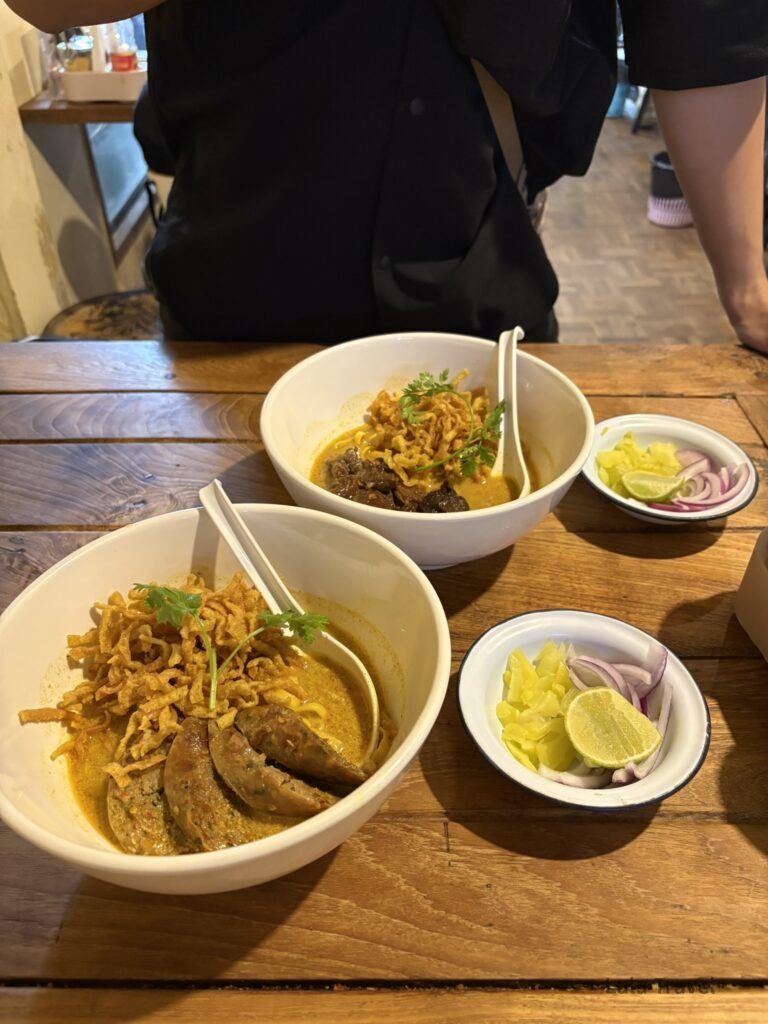
- Kao Soy Nimman: A Michelin Bib Gourmand khao soi specialist (pictured left) — golden curry broth with crispy fried noodles, said to be a favourite of the late singer Teresa Teng. Expect a queue at meal times; a place I visit every time I’m in Chiang Mai.
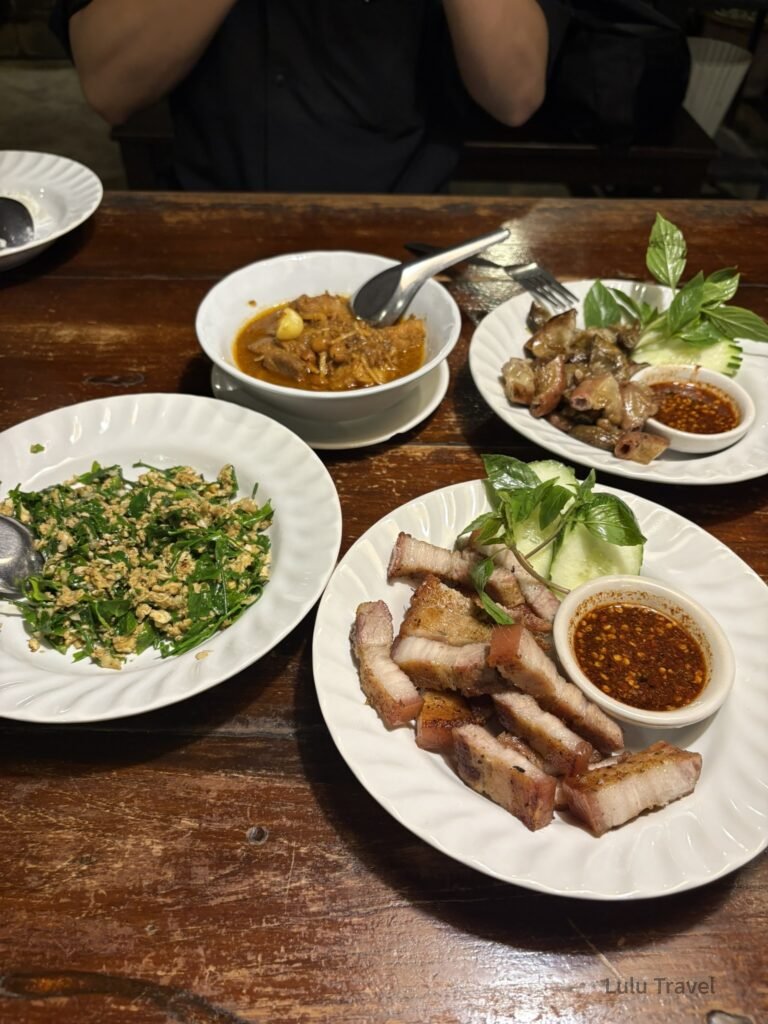
- Tong Tem Toh: A popular Nimman Northern-Thai restaurant (pictured right), known for Chiang Mai sausage, braised pork and the chilli-dip platter — authentic Lanna food in an old teak house, with plenty of seating so the wait is usually short.
- Huen Phen Restaurant, Nimmanhemin: An upscale-looking blue restaurant in Nimman; its speciality is a large set built from small dishes, so you can taste several regional preparations in one sitting — a thoughtful touch.
DAY 5Leaving Is Also Part of the Itinerary
We left Chiang Mai early on Wednesday, flying Thai Airways to Bangkok and connecting back to Kaohsiung. The transfer was about an hour — no all-day airport sitting.
Departing 09:25 and landing in Kaohsiung at 16:15, I came back to daily life with some mental margin still intact. For a Planner, real security isn’t arriving absurdly early — it’s knowing every segment is within a controllable range.
ENDRelaxation Is Knowing What You’re Doing
This trip didn’t cram everything in, and I still came back genuinely recharged. For me, relaxation isn’t doing nothing — it’s knowing what I’m doing at every point.
FAQFrequently Asked Questions
How many days is the right length for a Chiang Mai trip?
4 to 5 days is the most comfortable rhythm. This trip arrived Saturday evening and left Wednesday morning — with a buffer day at each end, the actual full activity days were three. If genuine rest is the goal, don’t compress below three active days.
What are Chiang Mai’s markets and which days do they run?
Almost all of Chiang Mai’s well-known markets are weekend-only. Jing Jai Market and Coconut Market run Saturday and Sunday; the Sunday Walking Street runs every Sunday from the Tha Phae Gate area. If your trip doesn’t include a weekend day, all of these are off the table — worth confirming your dates before planning around them.
Is Chiang Mai airport far from the city? How do I handle the transfer?
Chiang Mai airport is very close to the centre — about 15 to 20 minutes by car. The cleanest approach: buy an eSIM before departure and bind your credit card to Grab while still in Taiwan. Land, order the car immediately, no money changing, no haggling. If your flight is delayed or arrives late, this setup handles it without extra stress.
Is Northern Thai food very different from regular Thai food? Can you eat it if you don’t like spice?
Northern Thai (Lanna) food differs significantly from Bangkok-style Thai food — the focus is on khao soi curry noodles, Chiang Mai sausage and chilli-dip platters, almost all with heat. If you don’t eat spice, ask specifically when ordering; the default level runs higher than tourists expect and higher than most Bangkok dishes.
Is Chiang Mai good for working remotely? Digital-nomad friendly?
Chiang Mai has one of the highest digital-nomad densities in Southeast Asia — almost every café has Wi-Fi and power outlets, the spaces are large and the cost of sitting is low. Weekdays, especially Monday to Thursday, are noticeably quieter than weekends, making it much easier to find a comfortable spot to work. If you’re combining a trip with remote work, Chiang Mai’s café environment is more workable than most cities in the region.